
 407-408-0577
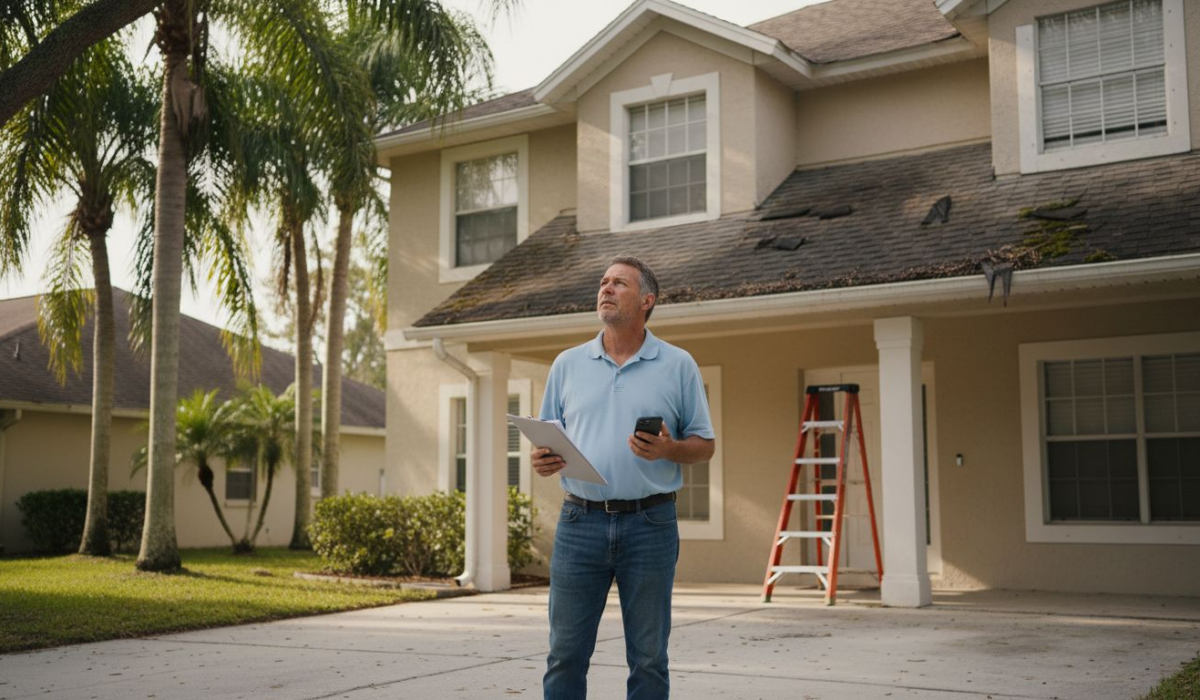
Living in Central Florida means your roof faces relentless sun, heavy storms, and humidity all year long. Unexpected leaks or rising energy bills can quickly become major headaches for homeowners. You want to know exactly when your roof needs attention before small issues turn into costly repairs or replacements. This list breaks down the clear warning signs—backed by local Florida Building Code requirements and expert roofing sources—that signal your roof is overdue for replacement or professional inspection. Get ready to spot the most important clues and protect your home with confidence.
Table of Contents
- 1. Age of Your Roof Exceeds Local Standards
- 2. Shingles Are Curling, Cracking, or Missing
- 3. Visible Water Stains or Leaks Inside Home
- 4. Moss, Algae, or Dark Streaks on Roofing
- 5. Sagging or Uneven Roof Structure Detected
- 6. Granules Found in Gutters or Around Home
- 7. Rising Energy Bills Due to Poor Insulation
Quick Summary
| Key Message | Explanation |
|---|---|
| 1. Assess Your Roof’s Age | Know the lifespan of your roof materials; replace if older than 15-20 years to adhere to safety codes. |
| 2. Inspect for Shingle Damage | Look for curling, cracking, or missing shingles; these indicate serious potential leaks and vulnerability. |
| 3. Watch for Interior Water Damage | Water stains signify leaks; address them immediately to prevent extensive structural issues. |
| 4. Look for Moss or Algae Growth | Dark streaks or patches indicate moisture retention, leading to deterioration; clean regularly to prolong roof life. |
| 5. Monitor Energy Bills | Rising energy bills may be due to poor insulation; schedule an audit to identify and rectify insulation gaps. |
1. Age of Your Roof Exceeds Local Standards
Understanding the age of your roof is crucial for Central Florida homeowners, especially given the region’s unique climate and specific building code requirements.
In Central Florida, roof age isn’t just a number – it’s a critical indicator of potential structural vulnerabilities. Most residential roofing materials have a standard lifespan that directly impacts their ability to protect your home:
- Asphalt shingle roofs typically last 15-20 years
- Metal roofs can endure 40-70 years
- Tile roofs might survive 50-100 years depending on maintenance
The Florida Building Code establishes strict standards for roof assemblies, considering factors like wind resistance and water infiltration. Roofs older than 15-20 years often fall short of these current safety requirements, leaving homes vulnerable during hurricane season.
A roof exceeding local age standards isn’t just an aesthetic issue – it’s a potential safety risk for your entire property.
Homeowners should pay special attention to visible signs of aging, such as:
- Curling or missing shingles
- Granule loss on asphalt materials
- Visible sagging or structural deformation
- Persistent leaks or water damage
Professional roof inspections become increasingly critical as your roof approaches and surpasses its expected lifespan. These assessments can identify hidden damage and determine whether repair or full replacement is necessary.
Pro tip: Schedule a comprehensive roof inspection every 3-5 years, especially if your roof is over 15 years old, to catch potential issues before they become expensive problems.
2. Shingles Are Curling, Cracking, or Missing
In the harsh Central Florida climate, your roof’s shingles are the first line of defense against extreme weather conditions. Shingle damage signals serious potential problems that can compromise your entire home’s structural integrity.
Asphalt shingles undergo significant stress from Florida’s intense sunlight, hurricane-force winds, and frequent temperature fluctuations. This constant environmental assault causes predictable deterioration patterns:
- Curling edges indicate advanced material breakdown
- Cracks suggest structural weakening
- Missing shingles expose vulnerable roof decking
- Granule loss reduces waterproofing capabilities
Wind damage is particularly prevalent in our region. Strong storms can lift, tear, or completely remove shingles, creating immediate vulnerabilities for water infiltration and potential internal damage.
When shingles start showing significant wear, your roof’s protective capability diminishes exponentially with each compromised section.
Homeowners should conduct visual inspections from ground level or use binoculars to identify:
- Shingles with lifted or curled edges
- Dark spots indicating granule loss
- Areas where shingles appear displaced or missing
- Visible gaps in roofing material
These visual indicators often mean your roof requires professional evaluation. Wind uplift damage can create hidden structural weaknesses that aren’t immediately apparent.
Pro tip: Take smartphone photos of suspicious roof areas during ground-level inspections to document potential damage and provide precise reference points for roofing professionals.
3. Visible Water Stains or Leaks Inside Home
Water stains appearing on your interior ceilings or walls are far more than cosmetic nuisances. These telltale marks are critical warning signals that your home’s roofing system requires immediate attention.
In Central Florida’s humid environment, water intrusion can escalate quickly from a minor leak to a major structural problem. Understanding the significance of these water stains is crucial for protecting your home’s integrity and preventing extensive damage.
Common locations for water stains include:
- Ceiling corners
- Areas near chimneys
- Around skylights
- Ceiling edges close to exterior walls
- Attic spaces
Water damage progression typically follows this concerning pattern:
- Small discoloration appears
- Stain expands and darkens
- Drywall begins to soften
- Potential mold growth starts
- Structural wood begins to rot
A single water stain can indicate multiple potential roof failure points requiring professional evaluation.
Roof leak indicators homeowners should watch for include:
- Brownish or yellowish discoloration
- Bubbling or peeling paint
- Soft or sagging ceiling materials
- Musty odors in affected areas
Roof inspections reveal critical moisture intrusion pathways that might not be immediately visible from ground level. Professional assessment can pinpoint exact leak sources and prevent catastrophic home damage.
Pro tip: Place a bucket in your attic during rainstorms to track and measure potential leak volumes, which can provide valuable diagnostic information for roofing professionals.
4. Moss, Algae, or Dark Streaks on Roofing
If your Central Florida roof has started developing mysterious dark streaks or green patches, it is not just an aesthetic issue. These growths are serious warning signs that your roofing system might be compromised.
Moss and algae thrive in the humid subtropical environment of Central Florida, particularly in shaded or moisture-rich areas. These non-vascular plants are more than just unsightly they represent potential long-term damage to your roofing materials.
Moisture Retention Risks include:
- Accelerated material deterioration
- Increased potential for water damage
- Compromised roof structural integrity
- Reduced reflective capabilities
- Potential voiding of manufacturer warranties
Growth Environments most conducive to moss and algae include:
- North-facing roof surfaces
- Areas with significant tree shade
- Locations with poor air circulation
- Roofs with organic debris accumulation
- Surfaces with consistent moisture exposure
Moss and algae are silent destroyers that can dramatically reduce your roof’s lifespan if left untreated.
Warning Signs homeowners should monitor:
- Dark green or black streaks
- Fuzzy patches on roofing materials
- Visible plant-like growth between shingles
- Discoloration spreading across roof surfaces
Preventing moss growth requires controlling moisture and improving sunlight exposure. Regular professional roof cleaning and maintenance can mitigate these risks.
Pro tip: Trim overhanging tree branches and ensure proper roof ventilation to reduce moisture and minimize conditions that encourage moss and algae growth.
5. Sagging or Uneven Roof Structure Detected
A sagging roof is not just an aesthetic problem. It is a critical structural warning that indicates serious underlying roof damage requiring immediate professional attention.
In Central Florida’s challenging climate, roof structures endure tremendous stress from intense sunlight, humidity, and occasional severe weather. Uneven or sagging roof surfaces represent significant structural compromise that can rapidly escalate into catastrophic home damage.
Critical Warning Signs of roof structural failure include:
- Visible dips or depressions in roofline
- Noticeable waviness across roof surface
- Ceiling materials showing internal stress
- Rafters appearing distorted in attic space
- Uneven roof material alignment
Potential Causes of Roof Sagging:
- Water damage and prolonged moisture exposure
- Compromised supporting roof trusses
- Inadequate initial installation
- Excessive weight from accumulated debris
- Age-related material degradation
A sagging roof is an urgent structural issue that demands immediate professional assessment and potential replacement.
Homeowners should understand that roof structural integrity depends on multiple factors beyond simple visual appearance:
- Load-bearing capacity of underlying framework
- Quality of original construction materials
- Cumulative environmental stress
- Maintenance history
Warning Signs Requiring Professional Inspection:
- Visible roof surface deformation
- Cracking around roof edges
- Interior ceiling showing stress lines
- Unexplained structural shifting
Pro tip: Use a long carpenter’s level placed across multiple roof sections to detect subtle structural unevenness that might not be visible to the naked eye.
6. Granules Found in Gutters or Around Home
Granules scattered in your gutters or around your home’s foundation are more than just random debris. These tiny fragments are critical warning signals about your roof’s health.
Asphalt shingles are designed with protective granules that shield your roof from ultraviolet radiation and environmental damage. When these granules start accumulating in gutters or around your property, it signals significant roofing material deterioration.
Granule Loss Indicators include:
- Excessive dark or bare spots on shingles
- Gutters filled with sandy, stone-like material
- Uneven shingle surface texture
- Visible asphalt exposure on shingle surfaces
- Increased debris around home’s perimeter
Consequences of Advanced Granule Erosion:
- Reduced UV protection
- Accelerated shingle aging
- Compromised waterproofing
- Increased risk of leaks
- Potential structural damage
Granule loss is your roof’s way of sending an urgent distress signal about its condition.
Gutter inspections reveal critical roof health insights that homeowners should not ignore:
- Quantity of granules present
- Color and consistency of accumulated material
- Distribution of granule loss
- Signs of additional roof damage
Critical Factors Affecting Granule Retention:
- Age of roofing materials
- Quality of original shingle installation
- Local environmental conditions
- Frequency of severe weather events
Pro tip: Collect a small sample of roof granules and consult a roofing professional for precise assessment of your roof’s current condition and potential replacement needs.
7. Rising Energy Bills Due to Poor Insulation
If your energy bills are climbing faster than Central Florida temperatures, your roof’s insulation might be the hidden culprit. Inefficient home insulation directly impacts energy consumption and can dramatically increase your monthly utility costs.
In the intense heat of Central Florida, your roof plays a critical role in temperature regulation. Poor insulation creates a continuous energy drain where your HVAC system works overtime to maintain comfortable indoor temperatures.
Energy Loss Indicators include:
- Consistently high electricity bills
- Uneven room temperatures
- HVAC system running constantly
- Noticeable temperature differences between rooms
- Increased humidity inside home
Consequences of Poor Roof Insulation:
- Higher energy expenses
- Reduced home comfort
- Increased HVAC system stress
- Accelerated equipment wear
- Environmental inefficiency
Your roof is not just a protective barrier – it’s a critical component of your home’s energy management system.
Sealing air leaks can significantly reduce energy costs, especially in homes with:
- Older roofing systems
- Inadequate attic ventilation
- Outdated insulation materials
- Compromised roof structures
Recommended Insulation Strategies:
- Install reflective roof coatings
- Add blown-in attic insulation
- Seal potential air leak points
- Consider radiant barrier installations
- Upgrade to high R-value insulation materials
Pro tip: Schedule a professional energy audit to precisely identify insulation gaps and receive targeted recommendations for reducing your home’s energy consumption.
Below is a comprehensive table summarizing the key points, indicators, and recommendations outlined in the article regarding roof maintenance and related challenges for homeowners in Central Florida.
| Aspect Analyzed | Insights and Indicators | Recommended Actions |
|---|---|---|
| Roof Age | Roof age relates to material lifespan and safety standards. | Regular inspections; consider replacement past lifespan. |
| Shingle Damage | Curling, cracking, or missing shingles highlight material deterioration. | Perform professional evaluations and necessary repairs. |
| Visible Water Stains | Interior water stains signal potential roof leaks affecting structures. | Inspect promptly; address leaks and damage swiftly. |
| Growth of Moss or Algae | Indicates environmental factors leading to roofing material compromise. | Conduct cleaning; maintain proper ventilation. |
| Sagging Roof Structure | Highlights structural integrity concerns requiring immediate attention. | Seek professional structural assessment urgently. |
| Granule Loss | Granules in gutters point to asphalt shingle material degradation. | Monitor presence in gutters; evaluate roof for wear. |
| Energy Inefficiency | Rising energy costs linked to poor roof insulation. | Improve insulation; consider energy audits. |
This table captures the article’s main themes, providing insights into recognizing and addressing various roofing concerns.
Protect Your Central Florida Home with Expert Roof Care from Thomas Roofing and Repair
If you have noticed signs like curling shingles, water stains inside your home, or granules filling your gutters it may be time to take action. These issues highlight the urgent need for professional roof inspection, repair, or replacement services that meet Central Florida’s strict building standards and withstand the region’s demanding weather conditions. At Thomas Roofing and Repair, we understand how critical roof age, structural integrity, and effective insulation are to keeping your home safe and comfortable.
Our team specializes in addressing key problems discussed in the article such as advanced shingle damage, moss growth prevention, and structural sagging. By choosing our trusted experts you get dependable craftsmanship tailored to your home’s unique needs with financing options to make quality roofing work accessible. Don’t wait until small signs lead to costly damage.
Start protecting your investment today with a thorough roof evaluation from trusted Central Florida specialists.

Schedule your free roof inspection now at Thomas Roofing and Repair and discover how our comprehensive roof replacement and repair solutions can restore your home’s safety and value. Take control before the next storm hits by contacting our expert team to request service and secure your peace of mind.
Frequently Asked Questions
What are the main signs my roof needs to be replaced?
Most common signs include an aging roof, curling or missing shingles, visible water stains inside the home, and visible moss or algae growth. Inspect your roof regularly to catch these issues early and consult a professional if you notice any of these signs.
How can I tell if my roof is past its lifespan?
A roof’s lifespan varies by material, but generally, asphalt shingles last 15-20 years, metal roofs 40-70 years, and tile roofs 50-100 years. If your roof is approaching or beyond these timeframes, schedule a comprehensive inspection immediately.
What should I do if I see water stains on my ceiling?
Water stains on your ceiling indicate a potential roof leak requiring urgent attention. Inspect the areas around your roof for visible damage and contact a roofing professional within 24-48 hours to assess the situation and prevent further damage.
What does moss or algae on my roof indicate?
Moss and algae growth on your roof suggest moisture retention, which can lead to material deterioration and potential leaks. Regularly clean your roof and trim overhanging branches to improve sunlight exposure and reduce growth.
How can I assess my roof for sagging or unevenness?
Look for dips, depressions, or noticeable waviness across your roof surface. Use a long carpenter’s level across various sections and consult a roofing expert if you detect any unevenness to determine the structural integrity of your roof.
What role does roof insulation play in energy efficiency?
Poor roof insulation can lead to higher energy bills and discomfort in your home. To improve efficiency, consider upgrading insulation or sealing air leaks in your roof structure, which can reduce energy costs by up to 20%.