
 407-408-0577
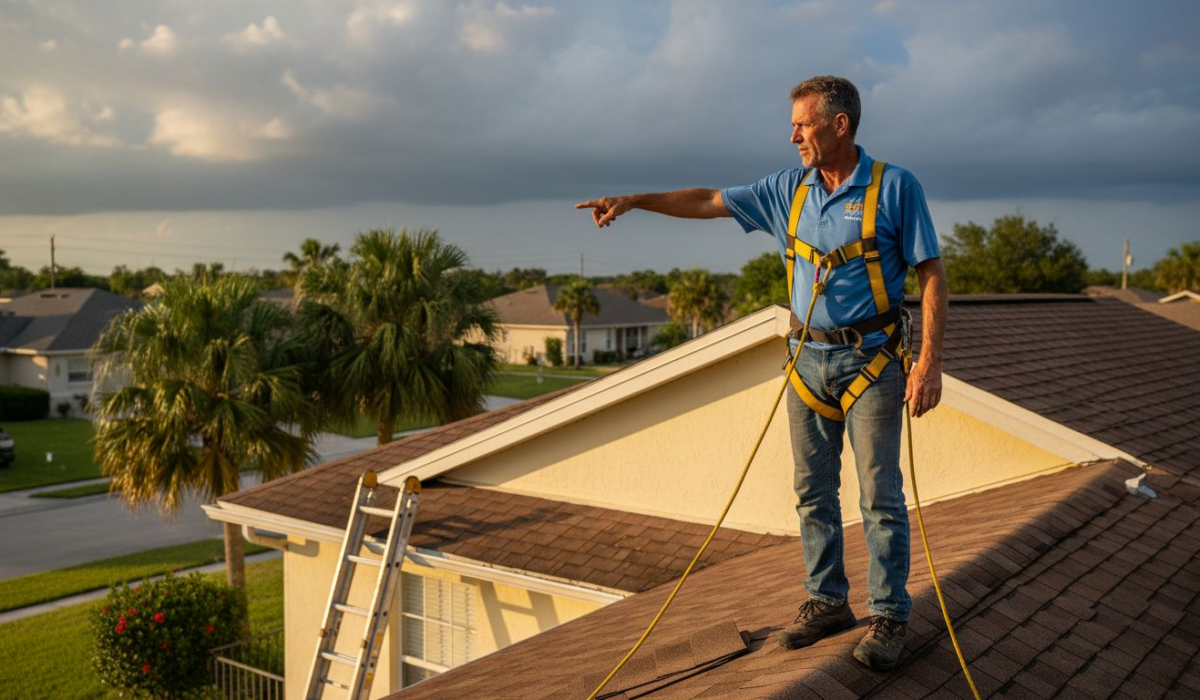
Aging shingles or recent storm damage can leave any Central Florida homeowner stressed about the next rainfall. Local weather is unforgiving, with blazing sun and tropical storms threatening your roof’s strength and your family’s comfort. Understanding what roofing materials mean for your home helps you guard against future problems and make smart investments. This guide covers the factors that matter most so you can confidently choose the best protection for your property.
Table of Contents
- What Roofing Materials Mean For Your Home
- Popular Roofing Types In Central Florida
- How Different Materials Perform In Florida’s Climate
- Lifespan, Maintenance, And Cost Considerations
- Mistakes To Avoid When Selecting Materials
Key Takeaways
| Point | Details |
|---|---|
| Choose Appropriate Materials | Select roofing materials based on local climate conditions, durability, and energy efficiency. |
| Consider Long-Term Costs | Evaluate the total cost of ownership, including maintenance and energy efficiency, not just initial installation costs. |
| Ensure Quality Installation | Hire qualified professionals to avoid installation errors that could lead to costly repairs. |
| Perform Regular Inspections | Schedule professional inspections every few years to maintain roof integrity and longevity. |
What Roofing Materials Mean for Your Home
Your home’s roof represents far more than just a decorative overhead covering. It functions as a critical protective barrier against Central Florida’s challenging weather conditions, safeguarding your most significant investment from intense sunlight, tropical storms, and extreme temperature fluctuations. Roofing systems provide crucial protection that directly impacts your property’s structural integrity and long-term performance.
Choosing the right roofing material involves understanding several key factors that influence your home’s durability, energy efficiency, and overall value. Different materials offer unique advantages depending on your specific environmental conditions and budget constraints. The primary considerations include:
- Weather Resistance: Ability to withstand high winds, heavy rainfall, and intense UV exposure
- Thermal Performance: Impact on home’s interior temperature regulation
- Longevity: Expected lifespan under local climate conditions
- Maintenance Requirements: Regular upkeep and potential repair costs
The financial implications of roofing decisions extend far beyond initial installation. Homeowners should carefully select materials suited to both local environmental challenges and personal budgetary constraints, recognizing that roofing represents a significant investment potentially costing thousands of dollars.
Materials like metal, tile, and asphalt shingles each bring distinctive characteristics to your home’s protection strategy. Metal roofing offers exceptional durability and reflectivity, tile provides classic aesthetic appeal with robust performance, while asphalt shingles remain a cost-effective traditional option. Your choice directly influences energy efficiency, maintenance frequency, and overall property value.
Pro tip: Schedule a professional roof inspection every two years to assess material condition and catch potential issues before they become costly repairs.
Popular Roofing Types in Central Florida
Central Florida’s unique climate demands specialized roofing solutions that can withstand intense sunlight, tropical storms, and high humidity. Common roofing types vary based on durability and local building codes, with homeowners selecting materials that provide maximum protection against environmental challenges.
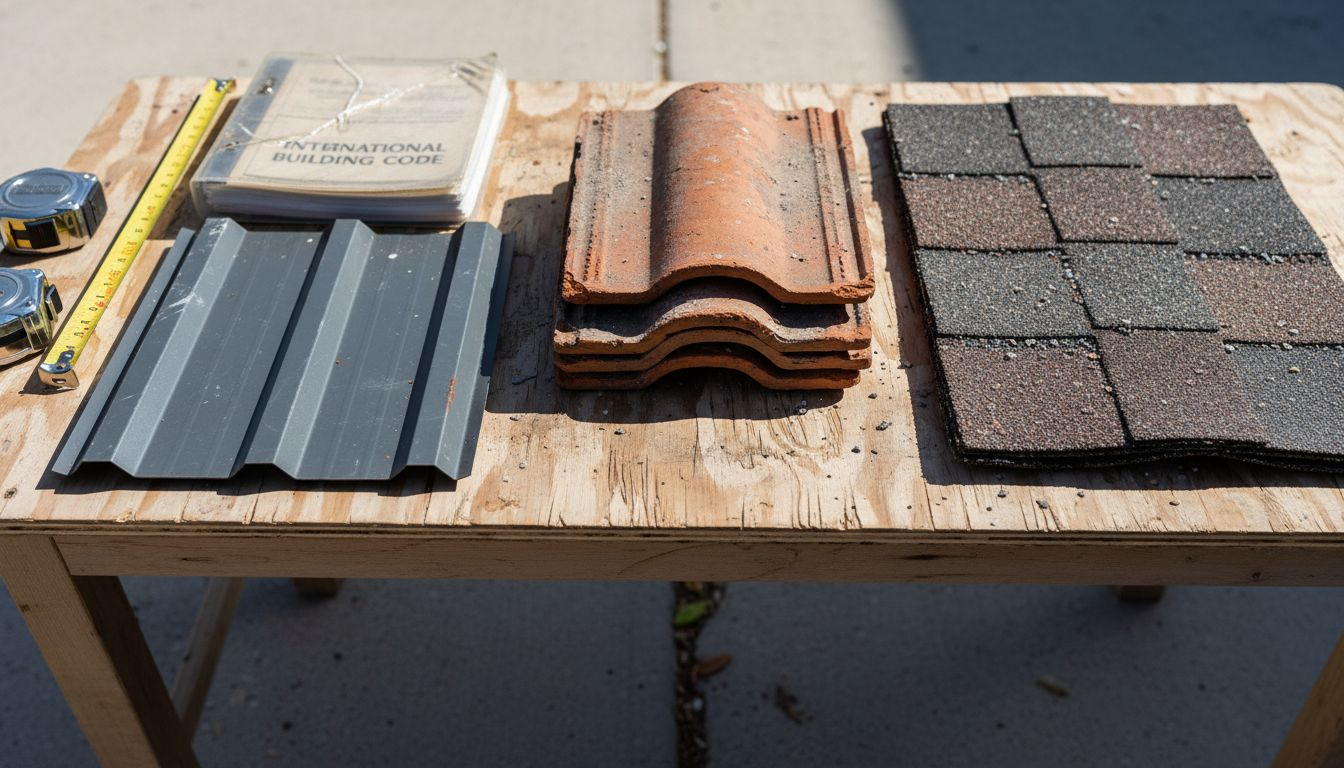
The most prevalent roofing materials in the region include:
- Asphalt Shingles:
- Most affordable option
- Quick and easy installation
- Wide range of color and style choices
- Suitable for moderate wind conditions
- Metal Roofing:
- Exceptional durability
- Excellent heat reflection
- Longer lifespan compared to traditional materials
- Superior wind resistance
- Clay Tiles:
- Classic Florida architectural style
- Excellent thermal performance
- Long-lasting (50+ years)
- Natural heat resistance
Roofing sheet materials in Central Florida demonstrate remarkable diversity, with each material offering distinct advantages. Homeowners must consider factors like initial cost, maintenance requirements, and long-term performance when making their selection.
Climate considerations play a crucial role in material selection. Metal roofing provides superior wind resistance during hurricane season, while clay tiles offer exceptional thermal regulation that helps reduce cooling costs. Asphalt shingles remain popular due to their cost-effectiveness and versatility, making them an attractive option for budget-conscious homeowners.
Pro tip: Consult a local roofing professional who understands Central Florida’s specific environmental challenges before making your final material selection.
How Different Materials Perform in Florida’s Climate
Central Florida’s extreme weather conditions create unique challenges for roofing materials, demanding exceptional performance and resilience. Building code requirements have evolved to address regional climate risks, ensuring that roofing systems can withstand intense sunlight, heavy rainfall, and hurricane-force winds.
Material performance varies significantly across different roofing options:
- Asphalt Shingles:
- Moderate wind resistance
- Cost-effective solution
- Shorter lifespan in extreme conditions
- Vulnerable to UV degradation
- Metal Roofing:
- Exceptional wind resistance
- Reflects solar radiation
- Minimal maintenance requirements
- Extended durability
- Clay Tiles:
- Superior heat resistance
- Traditional aesthetic appeal
- Excellent thermal insulation
- Proven performance in tropical climates
Cool roofing materials offer significant energy advantages in Florida’s hot climate, helping homeowners reduce cooling costs and minimize heat absorption. Materials with high solar reflectance can lower roof surface temperatures by up to 50 degrees, dramatically improving home energy efficiency.
Wind resistance remains a critical factor in material selection. Florida’s building codes mandate enhanced fastening techniques and sealed roof decks to minimize potential damage during severe storms. Homeowners must carefully evaluate each material’s wind load ratings and installation requirements to ensure maximum protection against hurricane conditions.
Pro tip: Request wind load certification documentation from your roofing contractor to verify material performance in Florida’s challenging climate.
Lifespan, Maintenance, and Cost Considerations
Central Florida homeowners face complex decisions when selecting roofing materials, where upfront costs intersect with long-term performance and maintenance requirements. Roofing material lifespans vary dramatically, ranging from budget-friendly options with shorter durability to premium solutions offering decades of protection.
The key cost and performance metrics for different roofing materials include:
- Asphalt Shingles:
- Lowest initial installation cost
- Shortest lifespan (15-20 years)
- Higher maintenance frequency
- Most budget-friendly short-term solution
- Metal Roofing:
- Higher upfront investment
- 50+ year potential lifespan
- Minimal maintenance requirements
- Excellent long-term value
- Clay Tiles:
- Highest initial installation cost
- 60-100 year potential lifespan
- Low maintenance needs
- Superior durability and aesthetic appeal
Consumer purchasing decisions should evaluate total ownership costs, not just initial installation expenses. This comprehensive approach considers factors like energy efficiency, maintenance frequency, potential insurance discounts, and projected replacement timelines.
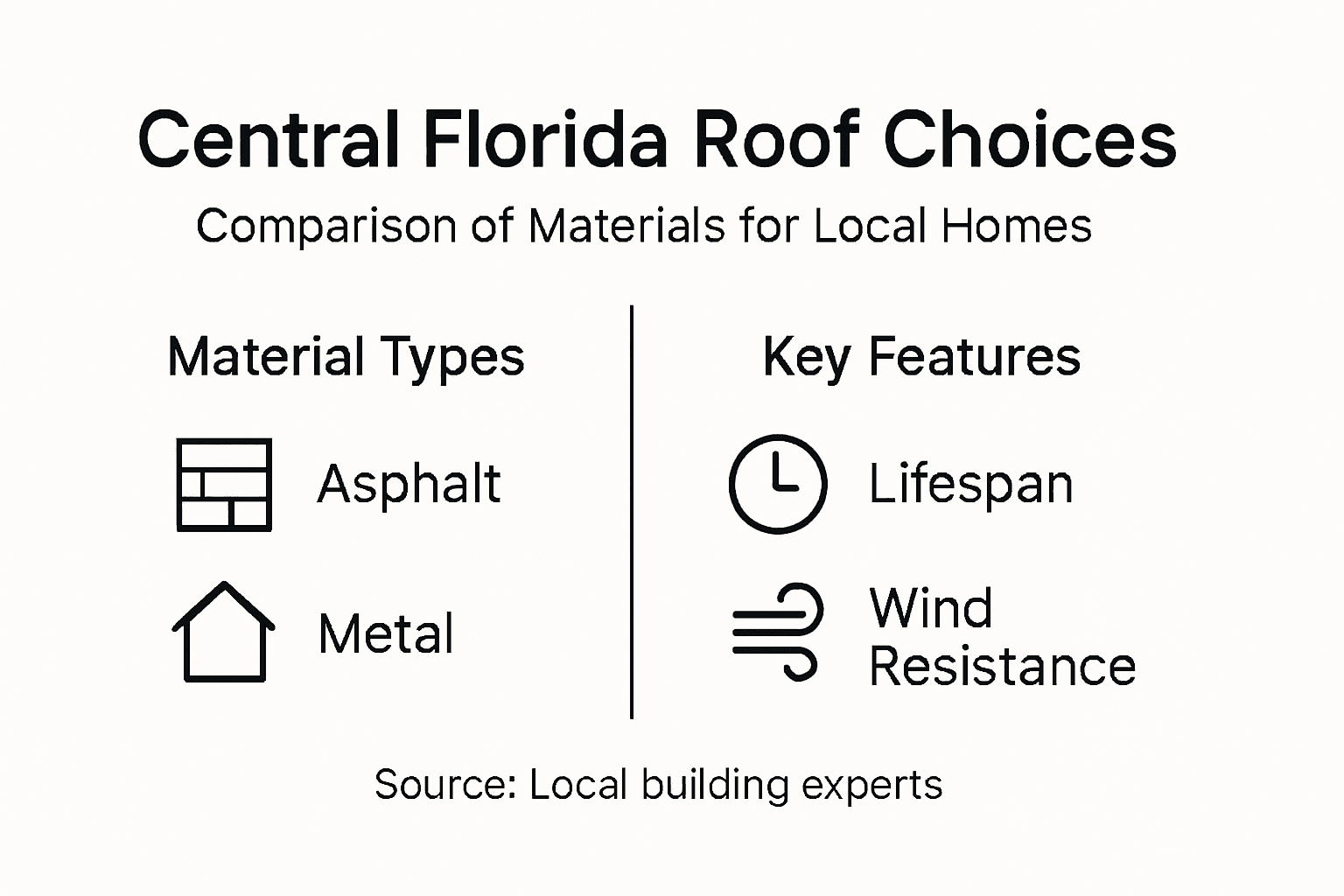
Financial considerations extend beyond material costs. Metal and tile roofing, while more expensive initially, can provide significant long-term savings through reduced maintenance, enhanced energy efficiency, and potential insurance premium reductions. Homeowners must balance immediate budget constraints with potential future financial benefits.
Here’s a consolidated comparison of key roofing materials used in Central Florida:
| Material | Typical Lifespan | Energy Efficiency Benefit | Estimated Maintenance Frequency |
|---|---|---|---|
| Asphalt Shingles | 15-20 years | Minimal, basic insulation | Annual inspections needed |
| Metal Roofing | 50+ years | Reflects heat, reduces cooling | Inspection every 2-3 years |
| Clay Tiles | 60-100 years | Excellent thermal insulation | Minimal, rare repairs |
Pro tip: Calculate your total cost of ownership by comparing material lifespan, maintenance expenses, and potential energy savings before making a final roofing selection.
Mistakes to Avoid When Selecting Materials
Selecting the right roofing materials in Central Florida requires strategic decision-making, with potential costly consequences for uninformed choices. Common homeowner mistakes can lead to premature roof failure, undermining your home’s protection and financial investment.
The most critical mistakes homeowners frequently make include:
- Budget-Only Decision Making:
- Selecting materials solely based on lowest upfront cost
- Ignoring long-term performance and maintenance expenses
- Failing to consider total ownership costs
- Climate Compatibility Errors:
- Choosing materials unsuited to Florida’s extreme weather
- Neglecting wind resistance requirements
- Overlooking heat and UV durability
- Installation Quality Risks:
- Hiring unqualified or unlicensed contractors
- Ignoring proper installation techniques
- Skipping professional inspections and certifications
Hurricane-prone regions require specialized roofing standards, particularly critical in Florida where extreme weather demands robust material selection. Homeowners must prioritize impact resistance, wind load capabilities, and proper reinforcement of critical roof components.
Professional guidance becomes invaluable in navigating these complex selection criteria. Understanding the nuanced requirements of local building codes, insurance implications, and material performance characteristics can prevent expensive mistakes that compromise your home’s structural integrity and protection.
Avoiding common mistakes can help ensure the best roofing performance:
| Mistake Type | Long-Term Risk | Prevention Strategy |
|---|---|---|
| Budget-only choice | Frequent repairs, higher costs | Evaluate total ownership cost |
| Ignoring climate needs | Reduced durability, leaks | Select climate-adapted materials |
| Poor installation | Warranty loss, structural issues | Hire licensed professionals |
Pro tip: Request documented wind load and impact resistance certifications for any roofing material before making your final selection.
Protect Your Central Florida Home with Expert Roofing Solutions
Choosing the right roofing materials to withstand Central Florida’s intense sun, heavy storms, and high winds can be overwhelming. Whether you are deciding between asphalt shingles, metal roofing, or clay tiles, the key challenge is finding a durable, energy-efficient system that fits your budget and offers long-term protection. Common concerns include avoiding frequent repairs, ensuring wind resistance, and preventing costly maintenance. At Thomas Roofing and Repair, we understand these unique roofing demands and tailor our services to meet them with integrity and precision.
Trust our certified team to provide:
- Expert roof installation customized to Florida’s climate
- Comprehensive inspections to catch issues early
- Reliable storm damage repair and sturdy roof replacements

Ready to secure your home with a roofing system designed for Central Florida’s weather? Get a free estimate today and experience dependable craftsmanship from a local company that values your safety and satisfaction. Visit Thomas Roofing and Repair now to schedule your service or learn more about our roofing expertise and financing options.
Frequently Asked Questions
What factors should I consider when choosing roofing materials?
When selecting roofing materials, consider weather resistance, thermal performance, longevity, and maintenance requirements to ensure durability and energy efficiency.
How do different roofing materials perform in extreme weather conditions?
Asphalt shingles offer moderate wind resistance, metal roofing excels in durability and reflects heat, while clay tiles provide excellent thermal insulation and heat resistance, making them great for harsh climates.
What are the expected lifespans of common roofing materials?
Asphalt shingles typically last 15-20 years, metal roofing can last over 50 years, and clay tiles may last between 60-100 years depending on the material and installation.
What are the common mistakes to avoid when selecting roofing materials?
Common mistakes include making budget-only decisions, ignoring climate compatibility, and hiring unqualified contractors, leading to increased costs and potential roof failure.
Recommended
- 7 Top Examples of Roofing Materials for Central Florida Homes
- Roof Replacement in Central Florida – What Homeowners Need to Know
- Roofing Materials for Businesses: Florida Solutions
- Roofing Integrity: Protecting Your Central Florida Home
- Stainless Steel vs Aluminum Railings: Choosing Wisely – Inoxify