
 407-408-0577
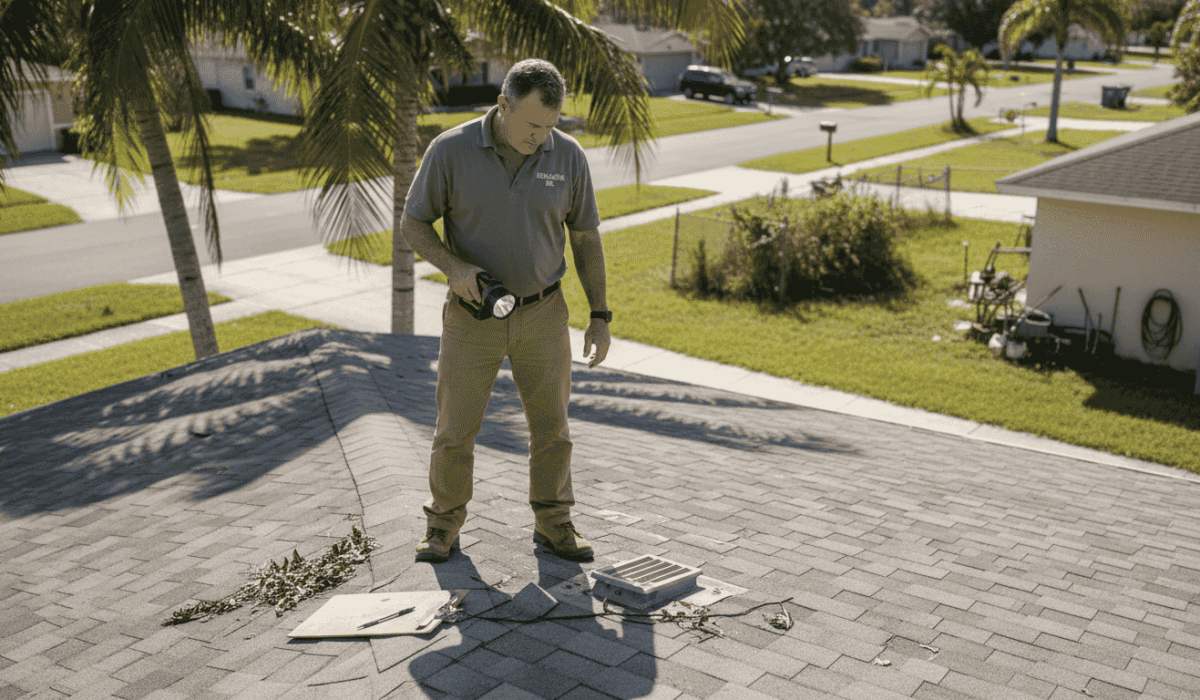
Storm season in Central Florida can turn minor roof problems into expensive headaches. Older roofs facing frequent thunderstorms and harsh sunlight often hide leaks that threaten both your wallet and your home’s structural integrity. Investing in professional leak detection is the smart way to catch subtle warning signs like water stains and peeling paint before they escalate into costly repairs. Learn how early detection keeps your property value strong and your family safe from storm damage.
Table of Contents
- What Is Roof Leak Detection And Why It Matters
- Types Of Roof Leaks And Detection Methods
- How Roof Leak Detection Works In Florida Homes
- Risks And Costs Of Undetected Roof Leaks
- Insurance, Repairs, And Code Requirements Explained
Key Takeaways
| Point | Details |
|---|---|
| Importance of Early Detection | Identifying roof leaks early can prevent small repairs from escalating into costly structural damage. |
| Professional Expertise | Certified inspectors use advanced tools and techniques to accurately locate the source of leaks, ensuring effective repairs. |
| Environmental Factors | Humidity and UV exposure in Florida create unique vulnerabilities, making regular inspections essential for maintaining roof integrity. |
| Cost of Neglect | Undetected leaks can lead to significant financial losses, including mold remediation and decreased property value, if left unaddressed. |
What Is Roof Leak Detection and Why It Matters
Roof leak detection is the process of identifying and locating water infiltration in your roof system before it causes serious damage to your home. It goes far beyond spotting a visible hole—it involves pinpointing the exact source, understanding how water is traveling, and assessing the underlying cause of the problem.
In Central Florida, where we experience intense summer thunderstorms, salty coastal air, and intense UV exposure, roof leaks aren’t just inconveniences. They’re threats to your home’s structural integrity and your wallet.
Why Early Detection Saves You Money
A small roof leak might seem minor today. But water that penetrates your roof system doesn’t stay localized—it spreads through insulation, travels along rafters, and can reach your home’s interior walls, electrical systems, and foundation.
Without early intervention, a leak that costs $500 to repair today could balloon into a $5,000+ structural restoration project within months. Water damage accelerates deterioration exponentially.
Early detection by a trained professional prevents costly structural damage and ineffective DIY repairs that often mask the real problem rather than solve it.
Professional leak detection goes beyond identifying just a hole. Certified inspectors use specialized tools and trained expertise to pinpoint the exact cause of leaks safely and accurately. They look for signs such as water stains, peeling paint, musty odors, and compromised roofing materials.
What Leak Detection Actually Involves
Modern roof leak detection uses several methods to locate problems:
- Visual inspections examine roofing materials for damage, deterioration, and compromised seals
- Moisture readings detect water trapped in insulation and structural cavities using specialized equipment
- Tracer techniques help follow water pathways to determine where leaks originate
- Infrared imaging identifies temperature variations indicating moisture present beneath the surface
- Access point testing checks skylights, vents, flashing, and other vulnerable areas where leaks commonly start
These techniques help contractors identify problems that homeowners miss during casual inspections.
Why This Matters in Central Florida
Our climate creates unique leak vulnerabilities. High humidity means water damage progresses faster. Salt spray from coastal areas accelerates material degradation. Intense UV radiation breaks down roofing materials, creating small cracks that expand seasonally.
Regular professional detection catches these issues before they compromise your entire roof system. Once you understand what’s happening on your roof, you can explore repair options and solutions to address leaks effectively.
Without detection, you’re essentially hoping your roof stays intact—a gamble most Central Florida homeowners eventually lose.
Pro tip: Schedule a professional roof inspection annually or after major storms; catching leaks early is far cheaper than addressing water damage that’s had months to spread through your home’s structure.
Types of Roof Leaks and Detection Methods
Not all roof leaks are created equal. Understanding the different types helps you recognize warning signs specific to your situation and know what to expect when professionals assess your roof.
Some leaks develop slowly over years. Others appear suddenly after a storm. The source matters because it determines the repair strategy and urgency level.
Common Types of Roof Leaks
Roof leaks typically stem from a handful of predictable sources:
- Aging shingles crack and curl, allowing water to penetrate the roof deck
- Damaged flashing around chimneys, vents, and skylights fails to redirect water properly
- Clogged gutters cause water to back up and seep under roofing materials
- Poor installation leaves gaps or inadequate overlaps from the start
- Extreme weather tears shingles, bends flashing, and creates stress fractures
- Puncture damage from falling tree branches or debris creates direct water entry points
Each type requires different detection approaches because the water entry point may not be directly above where you see damage inside your home.
How Water Travels Inside Your Roof
This is critical to understand: water that enters your roof system doesn’t necessarily leak straight down. It travels along framing, pools in insulation, and can emerge many feet away from the actual entry point.
A water stain on your bedroom ceiling might mean the leak is actually coming from your kitchen roof or a vent three feet away. Without proper detection, you could chase the wrong problem.
Roof leaks arise from aging shingles, damaged flashing, clogged gutters, and extreme weather, with detection requiring thorough inspection of interior and exterior surfaces.
Detection Methods That Work
Different leak types call for different detection strategies. Professionals use a combination of techniques depending on what they’re investigating:
Visual inspections examine shingles, flashing, gutters, and roof penetrations for visible damage, deterioration, and separation. This is your first line of assessment.
Moisture readings use specialized equipment to detect water trapped in insulation and structural cavities, revealing hidden problems you cannot see.
Water testing involves strategically applying water to suspected areas while monitoring the interior for leaks, helping pinpoint exact entry points.
Thermal imaging identifies temperature variations where moisture is present, showing water movement patterns invisible to the naked eye.
The right detection method depends on leak severity, roof age, and construction type. What works for a flat commercial roof differs from detecting leaks in a pitched residential system common in Central Florida.
Why Detection Matters Before Repair
Rushing into repairs without proper detection often fails because contractors address the symptom instead of the cause. A water stain gets patched, but the actual leak source remains active.
Proper detection ensures repairs target the real problem. This prevents recurring leaks and wasted money on ineffective fixes.
Pro tip: After detecting a leak, document the location, damage type, and water stain patterns with photos before repairs begin; this creates a reference for future inspections and helps verify that repairs actually resolved the problem.
How Roof Leak Detection Works in Florida Homes
Roof leak detection in Florida requires understanding both the climate challenges and how professionals systematically locate problems. Florida homes face unique pressures: salt air corrosion, intense UV exposure, sudden heavy downpours, and occasional hurricanes.
The detection process combines multiple inspection stages to ensure leaks are found before they damage your home’s structure.
The Multi-Stage Inspection Process
Professional detection doesn’t happen in one quick walkthrough. Inspectors follow a systematic approach that examines both visible and hidden damage:
Interior inspection begins in your attic and crawl spaces, looking for water stains, discoloration, mold growth, and soft spots in wood framing. Water damage often appears here first.
Attic assessment reveals moisture patterns, compromised insulation, and rust stains from fasteners—all signs water has been entering for some time.
Rooftop examination focuses on the most vulnerable areas: flashing around chimneys and vents, shingle condition, gutter integrity, and any visible punctures or separations.
This multi-zone inspection approach identifies current or potential leaks before they compromise your home’s structural integrity.
Florida-Specific Detection Challenges
Florida’s climate creates detection complications that don’t exist in other regions. Tropical humidity means water damage progresses faster, making timing critical.
Salt air from coastal areas accelerates corrosion of metal flashing and fasteners, often hiding the actual leak source beneath layers of rust and deterioration. UV radiation breaks down shingles from above while moisture attacks from below.
Many Florida homes also have flat or low-slope roofs, where water doesn’t drain quickly and can pool for extended periods, giving leaks more time to penetrate deep into the structure.
Enhanced Florida Building Code requirements incorporate sealed roof decks and improved installation techniques to minimize water infiltration during hurricanes and severe weather events.
Detection Tools and Techniques
Modern detection relies on equipment that sees what your eyes cannot:
Here’s a summary of common roof leak detection tools and their benefits:
| Detection Tool | Typical Use Case | Benefit to Homeowner |
|---|---|---|
| Moisture Meter | Finds hidden wet spots in insulation or wood | Reveals leaks not visible to the eye |
| Thermal Imaging Camera | Detects temperature changes caused by moisture | Locates hidden water pathways, minimizes unnecessary repairs |
| Water Testing | Simulates rain on problem areas | Pinpoints exact leak entry, prevents guesswork |
| Visual Assessment | Identifies material deterioration and entry points | Catches obvious signs before serious damage occurs |
- Moisture meters measure water content in insulation and wood, pinpointing wet areas
- Thermal imaging cameras show temperature variations indicating hidden moisture patterns
- Water testing applies controlled amounts of water while monitoring interior spaces
- Visual assessment examines materials for deterioration, separation, and damage
The inspector selects tools based on leak type, roof age, and your home’s construction. A flat roof requires different techniques than a pitched tile roof common in Central Florida.
Why Professional Detection Beats DIY Attempts
Homeowners often spot water stains and assume they know where the leak is. This usually leads nowhere because the stain location rarely matches the actual leak source.
Professionals understand water behavior, recognizing that a ceiling stain in one room can originate from completely different areas of the roof. They also know which critical areas are most vulnerable based on roof type and local weather patterns.
Pro tip: Schedule detection inspections after major storms or twice yearly in Florida; this catches leaks while they’re small and prevents water damage from spreading through insulation and structural cavities during our humid rainy season.
Risks and Costs of Undetected Roof Leaks
An undetected roof leak might seem like a minor problem today. But ignoring it sets off a chain reaction of damage that compounds exponentially, turning a $500 repair into a $15,000 nightmare.
The real cost isn’t just fixing the roof—it’s everything water touches after entering your home.
Structural Damage That Spreads
Water doesn’t stop at your roof deck. Once it penetrates, it travels through framing lumber, saturates insulation, and pools in wall cavities where you cannot see it.
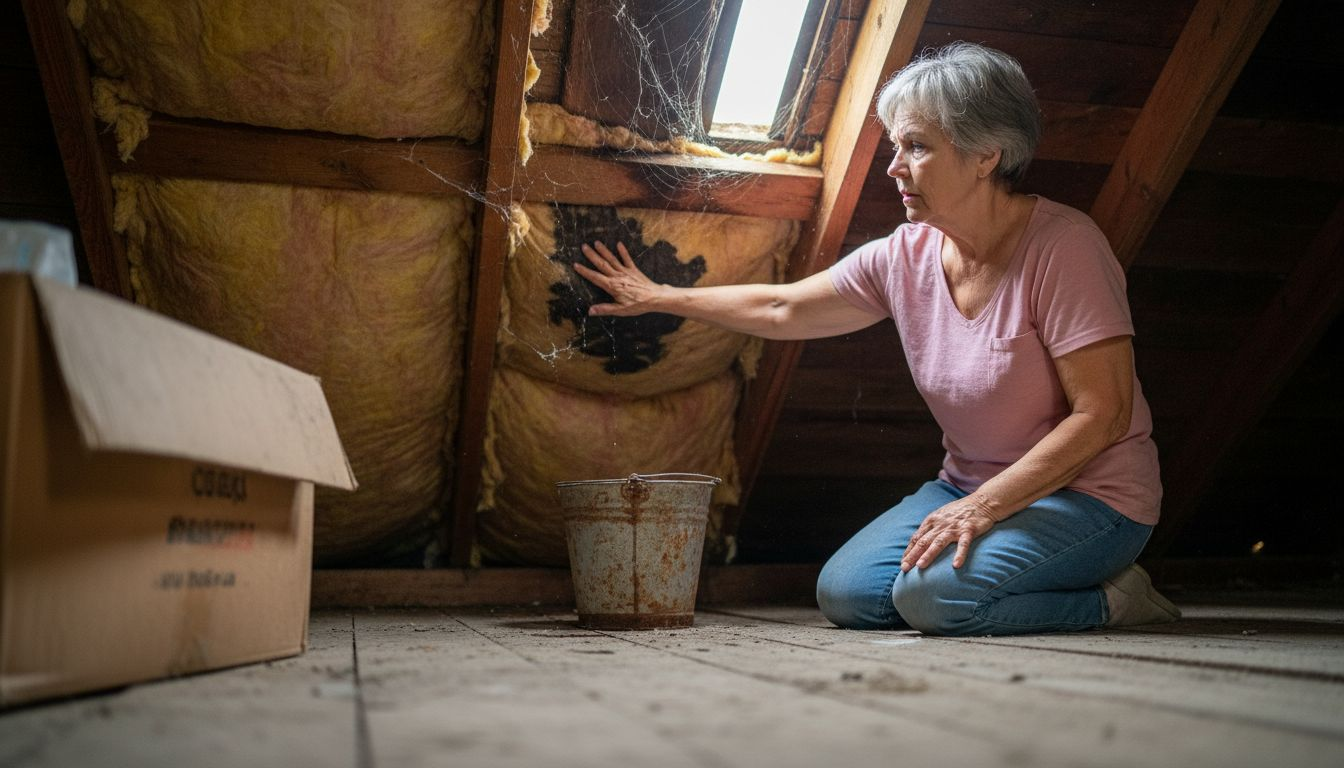
Wood absorbs water like a sponge. Over weeks and months, the structural integrity weakens. Rafters become soft and spongy. Joists lose their load-bearing capacity. Metal fasteners rust and corrode, losing their grip.
Undetected roof leaks cause structural deterioration and moisture infiltration affecting wood and insulation materials, creating expensive remediation requirements if ignored for extended periods.
By the time you notice sagging ceilings or soft floors, structural damage is already severe and repair costs have multiplied.
Mold, Health Hazards, and Hidden Costs
Moist environments are mold’s favorite breeding ground. Hidden moisture in insulation, wall cavities, and attic spaces creates ideal conditions for rapid mold growth.
Mold isn’t just an appearance issue—it’s a health hazard. Spores circulate through your home’s air system, triggering respiratory problems, allergies, and asthma in family members and pets.
Mold remediation costs $2,000 to $6,000 on average. In severe cases, entire sections of your home require removal and replacement.
The Insulation Problem
Wet insulation loses its R-value almost immediately. A roof leak that soaks your attic insulation renders it useless for temperature control.
Your heating and cooling system now works overtime to compensate, driving up energy bills. A $300-per-month utility increase over a year equals $3,600 in wasted energy costs.
Eventually, saturated insulation must be completely removed and replaced—another $2,000 to $4,000 depending on attic size.
How Costs Escalate: Real Numbers
Here’s the damage progression timeline:
- Month 1: Small leak detected ($500 repair)
- Month 3: Water spreads; insulation damaged ($1,200 repair)
- Month 6: Mold discovered; wood rot begins ($4,000 remediation)
- Month 12: Structural damage serious; insulation replacement needed ($6,000)
- Total damage: $11,200+ compared to the original $500 fix
This isn’t speculation—it’s the typical progression contractors see repeatedly in Central Florida homes.
Your Home’s Resale Value
Water damage history kills a home’s market value. Buyers conduct inspections and discover moisture damage, forcing price reductions of 10-20% or more.
A $400,000 home loses $40,000 to $80,000 in value because of an undetected leak that cost $500 to fix initially.
Pro tip: Address any water stains or musty odors immediately with professional detection; catching leaks within the first month prevents 80% of the structural and health damage that develops over time.
Insurance, Repairs, and Code Requirements Explained
When a roof leak develops in Central Florida, three critical questions emerge: Will insurance cover it? What repairs are required? And do I need to meet current building codes?
Understanding these three intersecting issues saves you money, prevents legal complications, and protects your home’s value.
How Insurance Handles Roof Leaks
Here’s the critical detail: most homeowners insurance policies cover sudden, accidental roof damage but NOT gradual deterioration.
A leak caused by a fallen tree branch during a storm? Covered. A leak from aging shingles that failed over time? Not covered. This distinction matters tremendously.
You’ll need to document the damage with photos, get a professional inspection report, and file a claim promptly. Delays hurt your case because insurers want evidence the damage is recent.
Deductibles apply. Even covered roof damage typically carries a deductible of $1,000 to $2,500. If your repair costs $2,200 and your deductible is $1,500, you pay the difference.
Some policies include roof replacement coverage specifically for storm damage. Others only cover repairs. Review your policy details or contact your agent before problems occur.
Building Code Compliance in Central Florida
Central Florida follows the Florida Building Code, which gets updated every three years with stricter requirements.
Your repair doesn’t just need to fix the leak—it must meet current code standards. This often means upgrades beyond the original damage.
Compare insurance and code compliance for roof repairs in Central Florida:
| Aspect | Insurance Coverage | Code Compliance |
|---|---|---|
| Repair Type | Only sudden, accidental damage | All repairs must meet current codes |
| Documentation Needed | Photos, inspection report for claims | Contractor’s code compliance report for upgrades |
| Cost Impact | Deductibles and limited payouts | Potential extra costs for code upgrades |
| Long-Term Value | May not restore resale value if non-compliant | Protects resale value and prevents future issues |
A simple flashing repair in 2024 might require upgraded fasteners, sealants, and installation techniques that exceed what was installed originally in 2005. These upgrades increase repair costs but prevent recurring leaks.
Building codes for roof assemblies focus on weather protection, structural performance, and proper installation per International Building Code standards to ensure roofs meet minimum safety criteria.
What Codes Actually Require
Florida Building Code requirements focus on several critical areas:
- Wind resistance with proper fastening patterns and spacing
- Water infiltration prevention using sealed deck systems
- Impact resistance for areas prone to hail or debris
- Proper flashing installation around all roof penetrations
- Updated sealant materials rated for Florida’s climate
An older roof might have loose fasteners, inadequate sealants, or flashing that doesn’t meet current standards. Code-compliant repairs address all these deficiencies.
The Insurance and Code Connection
Here’s where it gets complicated: insurers sometimes resist paying for code upgrades. They argue “why should we pay for fasteners that exceed the original installation?”
This is where professional contractors prove valuable. They document why current codes require the upgrade and that skipping them violates building standards.
If you sell your home later, an inspector will identify code violations. This kills the sale or forces price reductions. Doing repairs right the first time prevents this problem.
Pro tip: Obtain a detailed inspection report listing code requirements before discussing repairs with your insurer; this documentation supports your claim and justifies cost increases beyond simple leak patching.
Protect Your Central Florida Home With Expert Roof Leak Detection and Repair
Roof leaks can quietly undermine your home’s structure, leading to costly damage from hidden moisture, mold, and weakened framing. The challenges of Central Florida’s climate—from intense storms to salt air corrosion—make professional leak detection and precise repairs critical for protecting your investment. If you have noticed water stains, musty odors, or signs of roof wear, do not wait until the problem worsens. Early detection can save you thousands in structural repairs and energy costs.
Trust Thomas Roofing and Repair, a dependable local expert serving Brevard, Volusia, and Orange counties. Our certified inspectors use advanced moisture meters, thermal imaging, and water testing to identify leaks invisible to the naked eye. We then provide detailed assessments and tailored solutions compliant with Florida Building Code requirements to ensure long-term protection. Experience roofing craftsmanship that values integrity and your peace of mind.
Take control of your roof’s health today.

Secure your home now with a comprehensive roof inspection and leak detection. Protect your home from hidden water damage and avoid expensive repairs by scheduling your free estimate at Thomas Roofing and Repair. Don’t gamble with your roof’s safety when expert help is just a click away.
Frequently Asked Questions
What is roof leak detection?
Roof leak detection is the process of identifying and locating water infiltration in your roof system. It involves pinpointing the exact source of the leak and understanding how water is moving within the roofing structure.
Why is early detection of roof leaks important?
Early detection of roof leaks can save homeowners significant money by preventing small damages from escalating into major structural repairs. A small leak can lead to extensive water damage, mold growth, and compromised structural integrity if not addressed promptly.
What methods are used in professional roof leak detection?
Professional roof leak detection uses various methods, including visual inspections, moisture readings, tracer techniques, infrared imaging, and access point testing to identify the sources of leaks accurately.
How can I tell if I have a roof leak?
Signs of a roof leak may include water stains on ceilings and walls, peeling paint, musty odors, or compromised roofing materials. It’s essential to have a professional inspection if you notice these symptoms to ensure accurate diagnosis and repair.
Recommended
- 7 Essential Roof Repair Tips for Homeowners in Florida
- How to Repair Roof Leak: Step-by-Step Expert Solutions
- Roof Inspection in Central Florida | Thomas Roofing
- Step by Step Roof Leak Repair Guide for Lasting Results
- Public Adjuster Roof Claim Assistance For Residential & Commercial Solutions
- Roofing Company Orlando FL
- Roofing Company Titusville FL
- Roofing Company DeLand FL