
 407-408-0577
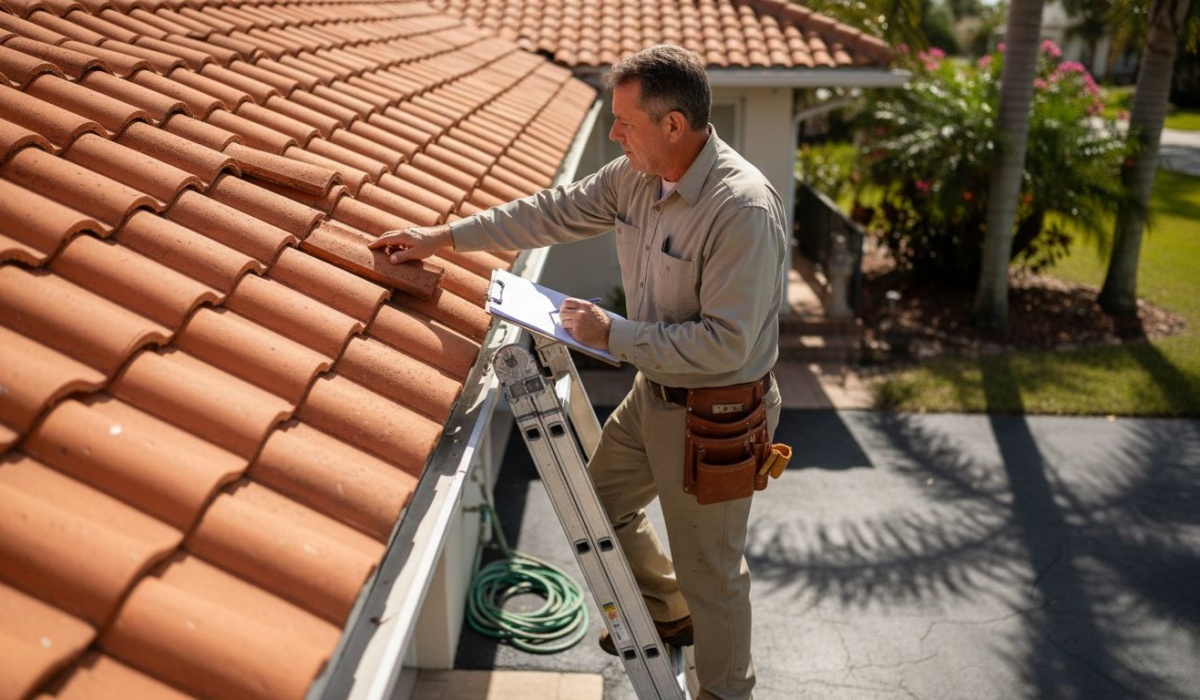
Storms rolling across Central Florida can leave even sturdy roofs vulnerable to hidden problems and costly damage. For homeowners with aging roofs, professional inspections offer much more than peace of mind. Comprehensive evaluations use advanced tools to uncover issues that simple visual checks miss, ensuring your roof’s structural integrity and maximizing insurance benefits. This guide explains the critical importance of professional roof inspections and clears up the common myths so you can protect your home before seasonal weather hits.
Table of Contents
- Defining Roof Inspection And Common Myths
- Types Of Roof Inspections For Florida Properties
- Step-By-Step Roof Inspection Process Explained
- Special Considerations For Storm And Aging Roofs
- Florida Laws, Insurance, And Inspection Costs
- Risks, Mistakes, And When To Schedule Inspection
Key Takeaways
| Point | Details |
|---|---|
| Importance of Professional Inspections | Professional roof inspections are essential for identifying hidden issues that may not be visible to homeowners, especially in challenging climates like Florida’s. Regular inspections help maintain roof integrity and prevent costly repairs. |
| Common Myths | Many homeowners erroneously believe that only old roofs need inspections or that visual checks are sufficient. These myths can lead to underestimating the need for professional evaluations. |
| Inspection Types | Florida properties require specific types of roof inspections, such as routine maintenance, escrow, forensic damage, and certification inspections, to address environmental challenges effectively. |
| Documentation and Compliance | Detailed documentation from inspections is crucial for insurance compliance and can significantly impact insurance premiums, highlighting the importance of routine evaluations for liability protection. |
Defining Roof Inspection and Common Myths
A roof inspection is a systematic professional assessment of a home’s roofing system, designed to evaluate its current condition, identify potential damage, and recommend necessary repairs or maintenance. Unlike casual visual checks, these comprehensive evaluations require specialized knowledge and technical expertise to thoroughly examine every critical component of your roof.
Roof inspections for Florida homes are particularly crucial due to the state’s challenging weather conditions, which include intense sunlight, frequent thunderstorms, and hurricane-force winds. The National Society of Professional Engineers emphasizes that proper roof system evaluations must go far beyond superficial examinations.
Common myths about roof inspections often lead homeowners to underestimate their importance. Here are some prevalent misconceptions:
- Myth 1: Only old roofs need inspection
- Myth 2: Visual checks from the ground are sufficient
- Myth 3: Roof inspections are unnecessary annual expenses
- Myth 4: DIY inspections are just as effective as professional assessments
Professional roof inspections differ dramatically from homeowner visual checks. Trained professionals use specialized equipment like thermal imaging cameras, moisture meters, and drones to detect issues invisible to the untrained eye. They systematically evaluate:
- Shingle condition and integrity
- Flashing and seal quality
- Structural support systems
- Potential water damage zones
- Ventilation effectiveness
- Signs of potential future deterioration
Weather exposure dramatically impacts roof performance in Florida, making regular professional inspections not just recommended, but essential. Hurricanes, intense UV radiation, and frequent rain create unique challenges that require expert assessment.
Here’s how professional roof inspections compare to homeowner visual checks:
| Aspect | Professional Inspection | Homeowner Visual Check |
|---|---|---|
| Tools Used | Thermal cameras, drones | Binoculars, visual only |
| Level of Detail | Thorough, technical analysis | Surface-level observation |
| Risk Detection | Finds hidden problems | Misses many hidden issues |
| Insurance Impact | Qualifies for discounts | Rarely accepted by insurers |
| Safety | Follows strict protocols | Limited safety measures |
Pro Tip: Schedule a professional roof inspection every 2-3 years, or immediately after significant storm events to catch potential issues before they become costly repairs.
Types of Roof Inspections for Florida Properties
Florida homes require specialized roof inspection types that go beyond standard evaluations, reflecting the state’s unique environmental challenges. The National Roofing Contractors Research Institute classifies several critical inspection approaches specifically designed for Florida’s demanding climate and construction standards.
These critical roof inspection protocols are strategically categorized to address different property needs and potential vulnerabilities. The primary types of roof inspections for Florida properties include:
-
Routine Maintenance Inspections
- Annual comprehensive evaluations
- Preventative damage assessment
- Early problem detection
-
Escrow Inspections
- Required during property sales
- Verify roof condition for potential buyers
- Determine current structural integrity
-
Forensic Damage Inspections
- Detailed assessment after storm events
- Comprehensive documentation for insurance claims
- Identify hidden structural damages
-
Certification Inspections
- Meet insurance compliance requirements
- Validate roof’s wind resistance
- Confirm adherence to Florida Building Code standards
The Florida Building Code mandates specific inspection protocols that differ based on roof type and installation context. Each inspection must rigorously evaluate critical components like:
- Underlayment integrity
- Wind load resistance
- Attachment method quality
- Proper sealing techniques
- Material-specific performance standards
Tropical weather conditions in Florida create unique challenges that require meticulous inspection approaches. Professional inspectors use advanced technologies like thermal imaging cameras, moisture meters, and drones to detect issues invisible to untrained eyes.
Pro Tip: Maintain a detailed inspection record for each roof assessment, which can provide valuable documentation for insurance claims and potential future property transactions.
Step-by-Step Roof Inspection Process Explained
A professional roof inspection involves a comprehensive, systematic approach that goes far beyond a casual visual check. These meticulous assessments are critical for identifying potential issues before they become expensive repairs, especially in Florida’s challenging weather environment.
The professional roof inspection process typically follows a structured, multi-stage approach designed to thoroughly evaluate every aspect of a roof’s condition. Professional inspectors follow a detailed methodology that ensures no potential problem goes unnoticed:
-
Pre-Inspection Safety Preparation
- Survey potential hazard areas
- Implement safety protocols
- Use buddy system for comprehensive checks
-
Interior Evaluation
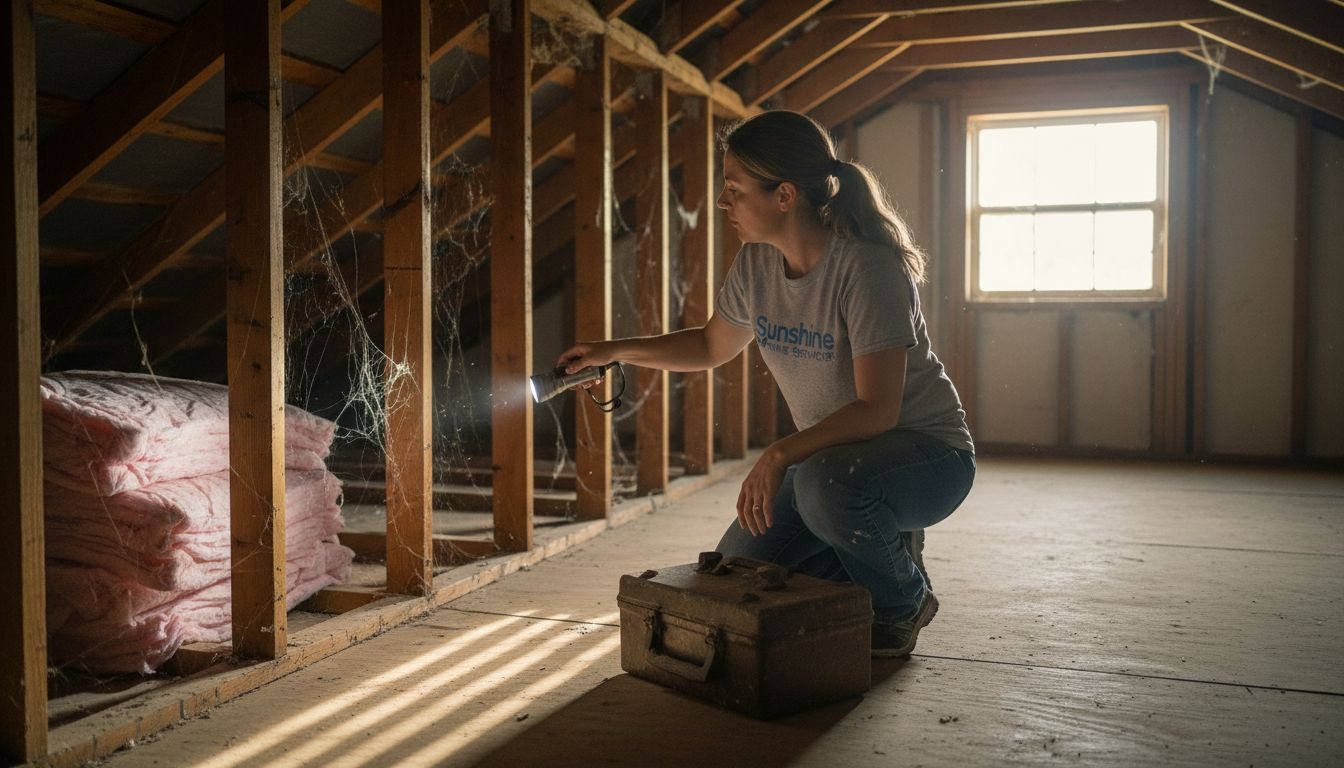
- Inspect attic and attached spaces
- Look for water stains and leak indicators
- Check insulation and ventilation quality
-
Perimeter Assessment
- Examine exterior wall connections
- Identify potential water damage signs
- Check for dry rot or structural weakening
-
Surface Inspection
- Conduct detailed visual examination
- Assess shingle/material condition
- Document specific damage or wear areas
Professional inspectors utilize advanced technologies to detect issues invisible to untrained eyes. These diagnostic tools include:
- Thermal imaging cameras
- Moisture detection meters
- Drone aerial photography
- Advanced structural assessment equipment
Documentation is a critical component of the comprehensive roof inspection. Inspectors meticulously record:
- Roof type and material
- Installation date
- Warranty information
- Previous repair history
- Current condition assessment
- Recommended maintenance or repair actions
Weather exposure in Florida demands an exceptionally thorough inspection approach. Professional evaluations go beyond surface-level checks, providing homeowners with a comprehensive understanding of their roof’s structural integrity.
Pro Tip: Request a detailed written report after each inspection, which serves as a crucial document for insurance purposes and future home maintenance planning.
Special Considerations for Storm and Aging Roofs
Florida homeowners face unique challenges with roof durability, especially when dealing with aging roofing systems exposed to extreme weather conditions. The constant bombardment of hurricanes, intense UV radiation, and fluctuating temperatures create significant stress on residential roofing structures.
The Florida Building Code regulations provide critical guidelines for managing storm and aging roof vulnerabilities. Key considerations for maintaining roof integrity include:
-
Wind Load Resistance
- Meet ASCE 7-16 standards
- Reinforce roof diaphragm connections
- Use enhanced fastening techniques
-
Underlayment Protection
- Install sealed roof deck systems
- Prevent water infiltration
- Use hurricane-resistant materials
-
Vulnerable Point Reinforcement
- Strengthen roof edges
- Upgrade flashing materials
- Improve attachment methods
Professional assessments recommend focusing on critical areas that typically deteriorate first in aging roofs:
- Examine shingle attachment points
- Check for granule loss on asphalt surfaces
- Inspect metal flashing for corrosion
- Evaluate sealant degradation
- Assess overall material structural integrity
The Insurance Institute for Business & Home Safety highlights that roof damage often originates at seemingly minor weak points. Routine inspections become increasingly critical as roofing systems age, particularly before hurricane season.
Weather exposure in Central Florida demands proactive maintenance strategies. Older roofs require more frequent professional evaluations to identify potential vulnerabilities before they transform into expensive repair projects.
Pro Tip: Schedule comprehensive roof assessments at least twice yearly, with additional inspections immediately following significant storm events to catch potential damage early.
Florida Laws, Insurance, and Inspection Costs
Florida’s unique environmental challenges have created a complex regulatory landscape for roof inspections, with specific legal requirements designed to protect homeowners and maintain structural safety. Insurance compliance and state regulations play a critical role in how roof inspections are conducted and documented.
The My Safe Florida Home program provides significant opportunities for homeowners to understand and improve their property’s structural integrity. Key aspects of Florida’s roof inspection regulations include:
-
Mandatory Inspection Types
- Four-Point Insurance Inspections
- Wind mitigation assessments
- Compliance with Florida Building Codes
- Insurance eligibility verifications
-
Inspection Cost Ranges
- Basic roof inspection: $100-$300
- Comprehensive wind mitigation assessment: $75-$250
- Specialized forensic evaluations: $300-$600
Professional Four-Point Insurance Inspections represent a critical component of Florida’s home insurance landscape. These assessments focus on four key areas:
- Roof condition and age
- Electrical system status
- Plumbing system integrity
- HVAC system performance
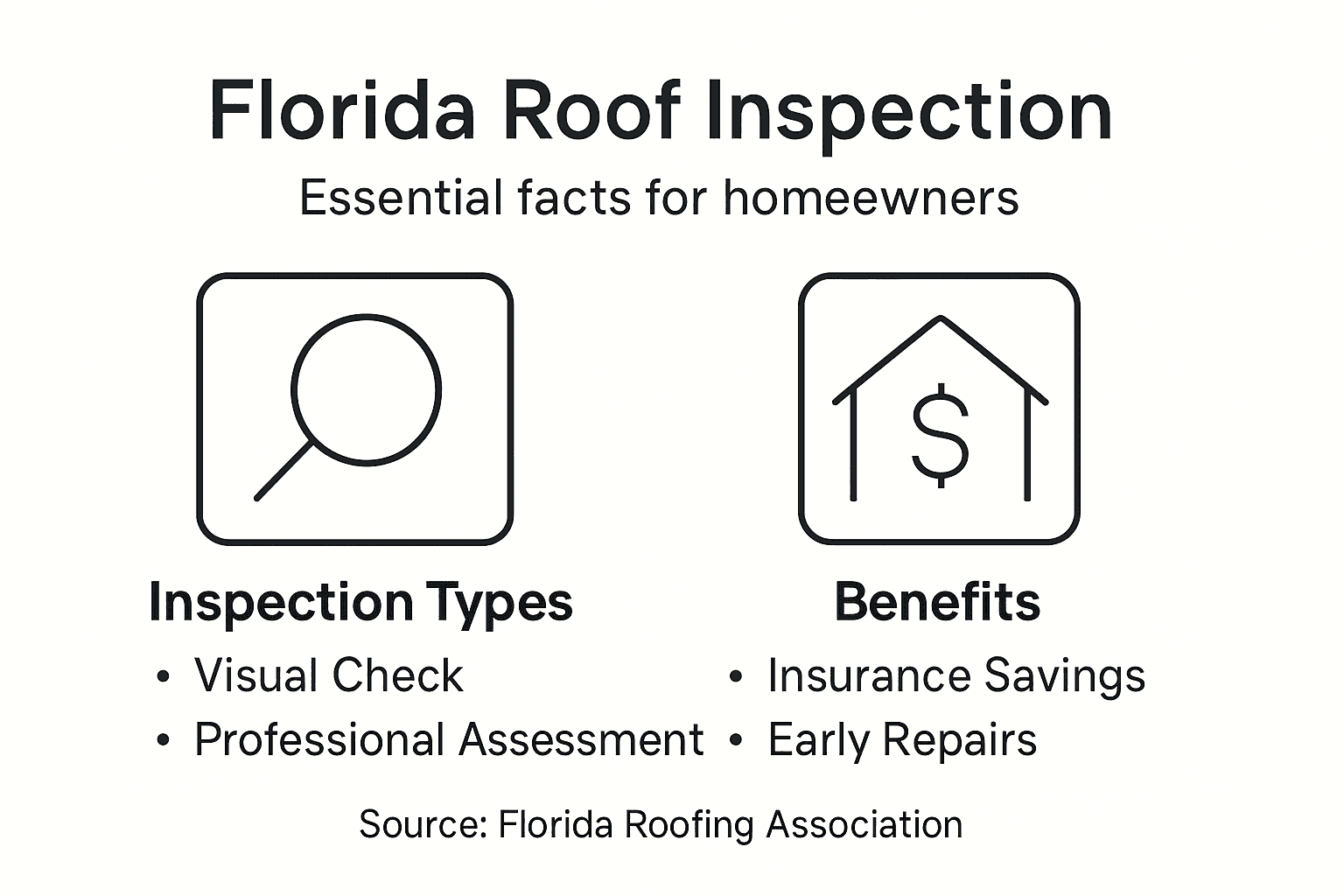
The financial implications of these inspections are significant. Proper documentation can directly impact insurance premiums, with well-maintained roofs potentially qualifying for substantial discounts. Homeowners can save between 10-40% on insurance costs by demonstrating proactive maintenance and meeting state-mandated standards.
Insurance requirements create a complex ecosystem where professional roof inspections serve multiple purposes beyond simple maintenance. They protect homeowners, insurers, and community infrastructure against potential catastrophic damage.
For quick reference, here are typical roof inspection costs and their benefits:
| Inspection Type | Typical Cost Range | Main Benefit | Who Needs It |
|---|---|---|---|
| Basic Roof Inspection | $100-$300 | Identifies early damage | All homeowners |
| Wind Mitigation Assessment | $75-$250 | Potential insurance savings | Florida residents |
| Forensic Evaluation | $300-$600 | Helps claims after storms | Storm victims |
| Four-Point Inspection | $100-$200 | Insurance eligibility | Home buyers/sellers |
Pro Tip: Request a detailed written inspection report that specifically highlights wind mitigation features, as these can directly translate into meaningful insurance premium reductions.
Risks, Mistakes, and When to Schedule Inspection
Florida homeowners face unique challenges in maintaining roof integrity, with environmental factors dramatically increasing the potential for undetected damage. Understanding the critical timing and potential risks associated with roof inspections can prevent costly structural problems and insurance complications.
The National Roofing Contractors Research Institute recommends strategic inspection scheduling based on several key factors:
-
Ideal Inspection Timing
- Annually before wet season
- After major storm events
- Prior to property purchase
- When insurance claims are anticipated
-
High-Risk Scenarios
- Homes over 10 years old
- Properties with previous water damage
- Areas experiencing frequent severe weather
- Homes with visible exterior roof damage
Common mistakes homeowners make with roof inspections include:
- Relying on free or non-professional assessments
- Skipping comprehensive perimeter checks
- Ignoring minor damage signs
- Delaying inspections until significant problems emerge
- Performing visual checks without professional equipment
The potential risks of delayed inspections can be substantial. Undetected issues can rapidly escalate, leading to:
- Structural wood rot
- Internal water damage
- Mold growth
- Compromised roof integrity
- Significant financial repair costs
Weather exposure in Central Florida creates unique challenges that demand proactive and frequent roof assessments. Professional inspections provide a critical defense against progressive structural damage.
Pro Tip: Maintain a digital photo log of your roof’s condition during each inspection to track changes and provide valuable documentation for future insurance or repair needs.
Protect Your Florida Home with Expert Roof Inspections from Thomas Roofing and Repair
Understanding the critical importance of professional roof inspections in Florida can save you from costly repairs and insurance headaches. The article highlights key challenges like storm damage, weather exposure, and aging roofs that require advanced diagnostic tools and thorough assessments. Don’t let myths or incomplete DIY checks put your home at risk. With Thomas Roofing and Repair, you gain access to comprehensive roof inspection services tailored for homeowners in Central Florida, including Brevard, Volusia, and Orange counties.
Our team uses the latest technology such as thermal imaging and moisture meters to detect hidden problems early and provide detailed reports that meet insurance requirements. Whether you need a routine inspection, wind mitigation assessment, or storm damage evaluation, we bring dependability and craftsmanship that protect your investment and give you peace of mind.

Act now to shield your home from Florida’s harsh weather conditions. Schedule a professional roof inspection with Thomas Roofing and Repair and ensure your roof meets the Florida Building Code standards. Discover our trusted roof inspection services designed specifically to identify early damage and improve insurance eligibility. Don’t wait for minor issues to turn into costly repairs. Visit us today at Thomas Roofing and Repair and request your free estimate with confidence.
Frequently Asked Questions
What is a roof inspection?
A roof inspection is a professional assessment of a home’s roofing system that evaluates its condition, identifies potential damage, and recommends necessary repairs or maintenance.
How often should I schedule a roof inspection?
It is advisable to schedule a professional roof inspection every 2-3 years or immediately after significant storm events to catch potential issues early.
What are the common myths about roof inspections?
Common myths include the beliefs that only old roofs need inspections, visual checks from the ground are sufficient, inspections are unnecessary expenses, and that DIY inspections are as effective as professional assessments.
What types of roof inspections are recommended for homes in Florida?
In Florida, common types of roof inspections include routine maintenance inspections, escrow inspections, forensic damage inspections, and certification inspections, each tailored to specific needs and vulnerabilities.