Confusion often arises when contractors use specialized terms to describe your roof’s condition. For Central Florida homeowners with aging roofs, clear communication is essential—especially during inspections and repairs. Learning the most common roof inspection terminology empowers you to understand every detail professionals share about your roof’s health, supporting informed decisions and improving conversations with contractors. Roof inspection terminology can turn a tricky negotiation into a straightforward, stress-free maintenance experience.
Table of Contents
- Defining Roof Inspection Terminology
- Types of Roof Inspections in Central Florida
- Essential Terms for Roof Condition Reports
- Insurance Requirements and Legal Standards
- Risks of Misunderstanding Inspection Language
Key Takeaways
| Point | Details |
|---|---|
| Understanding Terminology is Essential | Homeowners must familiarize themselves with roof inspection terms to avoid miscommunication and potential maintenance oversights. |
| Regular Inspections are Crucial | Schedule professional roof inspections annually, especially before hurricane season, to catch potential issues early. |
| Know Your Inspection Types | Different types of inspections serve unique purposes, including routine checks, real estate assessments, and insurance claims. |
| Misunderstanding Can be Costly | Failing to understand inspection terminology can lead to overlooked damages and higher repair costs in the future. |
Defining Roof Inspection Terminology
Understanding roof inspection terminology is crucial for Central Florida homeowners navigating potential maintenance or repair scenarios. Roof inspections involve a systematic assessment of your home’s protective covering, examining multiple components and potential issues that could compromise structural integrity. Professionals utilize specific technical terms to communicate precise observations about roof condition, which can often seem like a foreign language to the average homeowner.
The roof inspection process encompasses several critical evaluation zones, including interior spaces, attic structures, perimeter regions, and the rooftop itself. Each zone requires distinct assessment techniques and reveals different potential problems. Interior inspections might uncover water damage or structural stress, while attic examinations can expose ventilation issues, insulation problems, or early signs of moisture penetration.
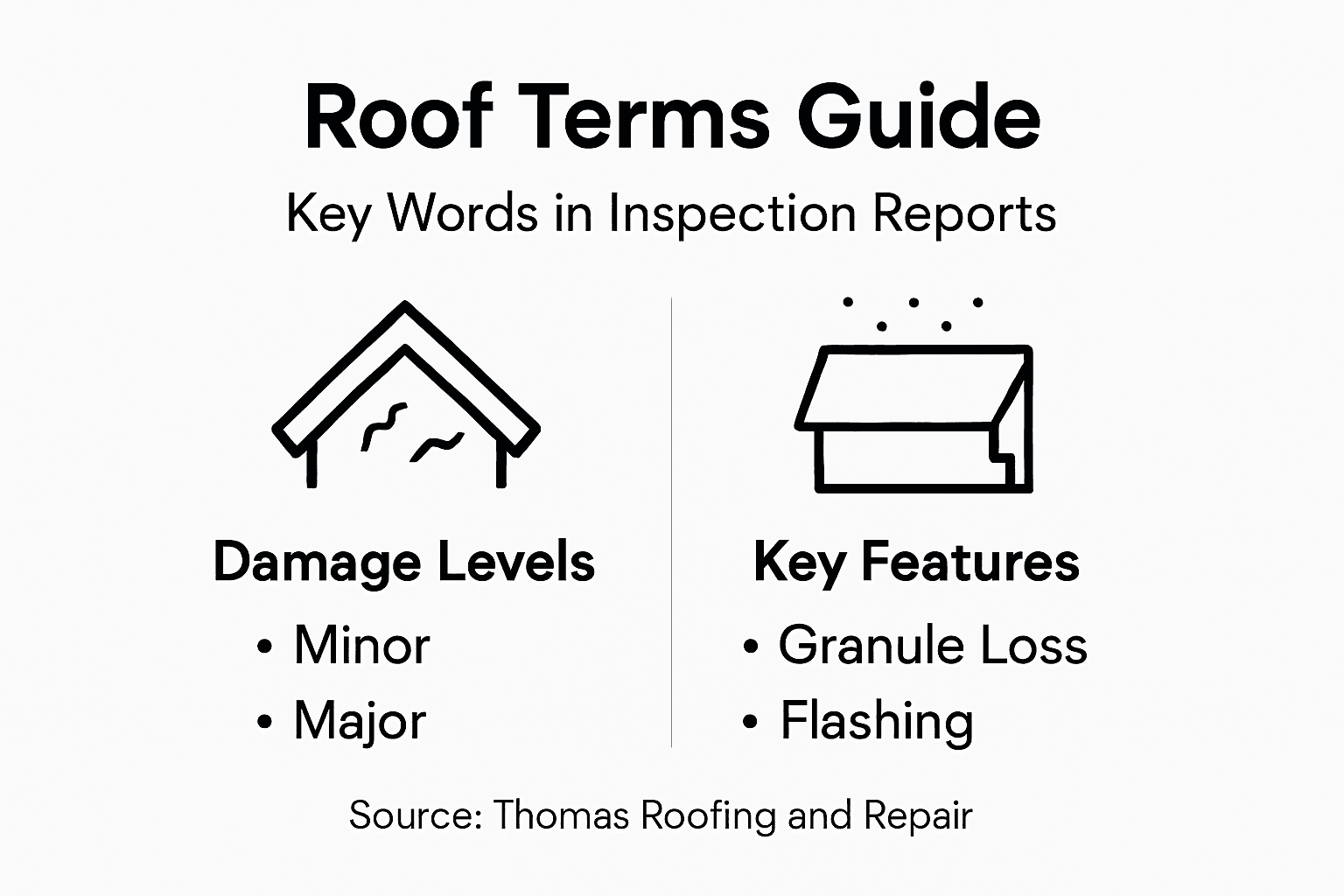
Key terminology homeowners should understand includes concepts like roof pitch, which measures the steepness of a roof’s slope, and flashing, the metal strips used to seal joints and prevent water infiltration. Decking refers to the wooden substrate underneath roofing materials, while underlayment provides an additional water-resistant barrier. Professional inspectors also evaluate granule loss on asphalt shingles, which indicates potential wear and aging of roofing materials.
Pro tip: Always request a detailed written report from your roof inspector that clearly explains the specific terminology and conditions found during the assessment.
Types of Roof Inspections in Central Florida
Central Florida homeowners face unique roofing challenges due to the region’s intense sunlight, frequent storms, and high humidity. Understanding the different types of roof inspections becomes crucial for maintaining structural integrity and protecting property investments. Professional inspections go far beyond a simple visual assessment, providing comprehensive evaluations tailored to specific needs and circumstances.
The primary types of roof inspections in Central Florida include routine annual maintenance checks, real estate transaction assessments, insurance claim evaluations, and mandated milestone inspections. Routine inspections help identify potential issues before they become significant problems, focusing on detecting early signs of wear, damage from storm impacts, and potential water penetration. Real estate transaction inspections are typically more detailed, providing a comprehensive assessment of roof condition to support property sales and purchases.
Florida building regulations now mandate specific structural milestone inspections for aging buildings, particularly condominiums and multi-unit structures. These inspections, required at 25 and 30-year intervals, focus on critical structural components including roofing systems. Insurance claim inspections represent another crucial category, involving detailed forensic assessments to document storm damage, wind impact, or other environmental threats specific to Central Florida’s challenging climate.
Pro tip: Schedule professional roof inspections at least annually, preferably before hurricane season, to catch and address potential vulnerabilities early in the year.
Below is a summary comparing inspection types and their primary focus for Central Florida homeowners:
| Inspection Type | Main Purpose | Key Features |
|---|---|---|
| Routine Annual | Catch early issues | Focus on wear, storm damage |
| Real Estate Transaction | Assess condition for sale | Supports property value, negotiations |
| Insurance Claim | Document storm damage | Needed for claims, payout support |
| Milestone (Regulatory) | Check aging structures | Mandated for compliance, condos |
Essential Terms for Roof Condition Reports
Roof condition reports are comprehensive documents that provide homeowners with critical insights into their roof’s health and potential vulnerabilities. Roof damage assessment reports serve as essential tools for understanding the specific condition of your roofing system, translating complex technical observations into actionable information. These professional documents use specialized terminology that can initially seem overwhelming but ultimately help homeowners make informed decisions about maintenance and repairs.
Key terms in roof condition reports typically include detailed descriptions of damage levels and specific types of defects. Severity ratings range from minor wear to critical structural issues, with inspectors using standardized scales to communicate the urgency of potential problems. Common terminology includes granule loss, which indicates shingle deterioration, bruising describing impact damage from storms, and thermal splitting referring to damage caused by extreme temperature fluctuations typical in Central Florida’s climate.

Inspection reports also document roof covering types and warranty status, providing crucial information about material composition and remaining protective coverage. Professionals will note specific roofing materials like EPDM, TPO, or built-up roofing (BUR), along with their current condition and estimated remaining lifespan. Additional technical terms such as deflection, cupping, and blistering help describe specific types of structural and material degradation that might compromise roof integrity.
Pro tip: Request that your roof inspector explain each technical term in the condition report, ensuring you fully understand the assessment and recommended actions.
Here is a quick reference for common roof inspection terms and what they reveal:
| Term | What It Means | Why It Matters |
|---|---|---|
| Granule Loss | Shingle surface erosion | Indicates material aging |
| Bruising | Impact indentation | May cause leaks after storms |
| Blistering | Bubbled shingle surface | Weakens waterproof barrier |
| Deflection | Deformed decking | Signals possible structural stress |
Insurance Requirements and Legal Standards
Central Florida homeowners must navigate a complex landscape of insurance requirements and legal standards specific to roofing systems. Building codes and insurance regulations play a critical role in determining roof inspection standards, insurance eligibility, and potential coverage limitations. Understanding these requirements is essential for protecting your property and ensuring comprehensive insurance protection.
The International Building Code (IBC) and International Residential Code (IRC) establish minimum standards for roof assemblies, directly influencing insurance underwriting processes. Fire resistance classifications and structural integrity requirements are key factors insurers evaluate when assessing roof condition. These standards mandate specific installation techniques, material quality, and maintenance protocols that directly impact homeowners’ ability to secure and maintain insurance coverage.
Roof certifications from professional inspectors can significantly impact insurance premiums and coverage options. Insurers often require detailed documentation proving the roof’s condition, age, and maintenance history. Wind mitigation reports and professional inspection certificates can help homeowners qualify for insurance discounts, potentially reducing annual premiums by demonstrating proactive maintenance and compliance with regional building standards specific to Central Florida’s challenging weather conditions.
Pro tip: Request a comprehensive roof certification report annually, as this documentation can help negotiate better insurance rates and provide critical evidence of your roof’s condition.
Risks of Misunderstanding Inspection Language
Misinterpreting roof inspection terminology can lead to significant financial and structural risks for Central Florida homeowners. Inspection communication challenges highlight the critical importance of understanding technical language used in professional roof assessments. When homeowners fail to comprehend specific terms and findings, they may inadvertently overlook critical damage, delay necessary repairs, or make costly misjudgments about their roof’s condition.
Technical terms like marginal condition, moderate deterioration, or advanced wear carry specific implications that directly impact insurance coverage, property value, and potential repair costs. For instance, a term like superficial damage might sound minor to an untrained ear, but could actually indicate significant underlying structural problems. Without proper interpretation, homeowners might dismiss serious issues, leading to exponentially more expensive repairs or complete roof failure during Central Florida’s intense storm seasons.
Audit inspection reports demonstrate that miscommunication can create substantial confusion among stakeholders. In roofing contexts, this means potential misunderstandings between homeowners, insurance providers, and roofing professionals. Technical phrases such as progressive deterioration, non-standard installation, or substrate compromise require precise understanding to make informed maintenance and replacement decisions. Misinterpreting these terms could result in denied insurance claims, reduced property value, or unexpected out-of-pocket expenses for critical roof repairs.
Pro tip: Always ask your roof inspector to explain each technical term in plain language, ensuring you fully comprehend the assessment and potential implications for your home.
Understand Your Roof Inspection and Protect Your Home with Expert Help
Navigating roof inspection terminology like granule loss, flashing, or deflection can feel overwhelming. These terms reveal critical clues about your roof’s condition and its ability to withstand Central Florida’s tough weather. Ignoring or misunderstanding these details might lead to costly repairs or insurance claim issues. Whether you face storm damage or routine wear, knowing exactly what your roof’s inspection report means is the first step toward making the right decisions.
At Thomas Roofing and Repair, we specialize in turning technical roof inspections into clear, manageable solutions. Serving Brevard, Volusia, Orange counties, and beyond, our team combines trusted expertise with honest communication to help you protect your home. From inspections and repairs to full replacements, we tailor our services to your specific needs with craftsmanship you can rely on.

Don’t let confusing inspector jargon put your home at risk. Visit Thomas Roofing and Repair today to schedule a thorough roof inspection or repair service designed to meet Central Florida standards. Learn more about how we address storm damage and roof replacement with integrity and quality workmanship by exploring roof inspection services and request your free estimate now. Take control of your roof’s future with the trusted experts who speak your language.
Frequently Asked Questions
What is roof inspection terminology?
Roof inspection terminology refers to the specific technical language used by professionals to describe the condition and components of a roof during an assessment. It includes terms that help communicate potential issues homeowners should be aware of.
Why is understanding roof inspection terminology important for homeowners?
Understanding roof inspection terminology is crucial for homeowners to make informed decisions about maintenance and repairs. It helps them grasp the severity of issues, comprehend reports, and avoid costly misinterpretations of their roof’s condition.
What are the main types of roof inspections?
The main types of roof inspections include routine annual maintenance checks, real estate transaction assessments, insurance claim evaluations, and mandated milestone inspections. Each type focuses on different aspects of roof condition and is tailored to specific needs.
How can misinterpreting roof inspection terms affect a homeowner’s decision?
Misinterpreting roof inspection terms can lead to overlooking critical issues, delaying necessary repairs, and making costly decisions about roof maintenance or replacements. Technical terminology carries specific implications that impact insurance coverage and property value.