
 407-408-0577
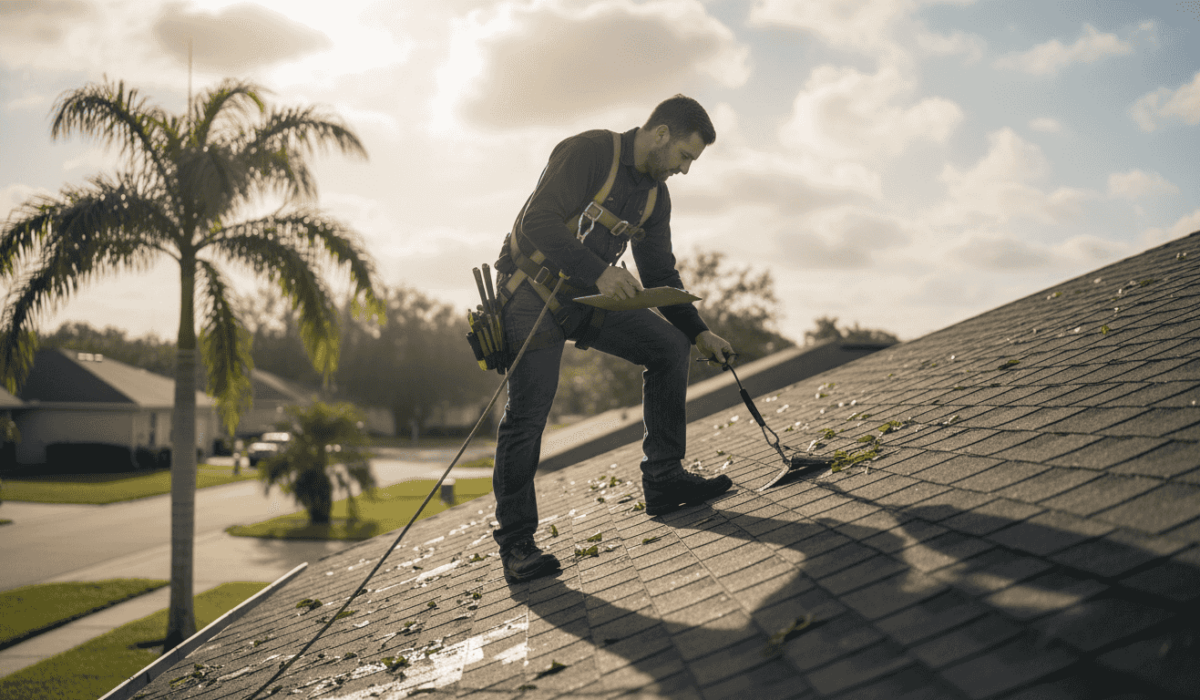
Every Central Florida homeowner knows how quickly a roof can go from sturdy to vulnerable when storms hit or summers drag on. Aging roofs need more than quick patch jobs, yet misconceptions about roof repairs and who to trust often lead to costly mistakes. Choosing a licensed professional roofer means you benefit from expert inspections, insurance protection, and repairs that actually last, helping your home stay safe and retain its value through storm season and beyond.
Table of Contents
- Defining Professional Roofers And Common Misconceptions
- Key Qualifications: Insurance, Licensing, And Training
- The Role Of Roofers In Storm Protection
- Financial Risks Of Unlicensed Or Diy Roofing
- How Experts Ensure Long-Term Home Value
Key Takeaways
| Point | Details |
|---|---|
| Understanding Professional Roofers | Professional roofers possess technical knowledge, licensing, and experience, distinguishing them from handymen. |
| Insurance and Licensing Importance | Licensed professionals provide insurance and follow state regulations, protecting homeowners from potential liabilities. |
| Storm Preparedness and Response | Roofers assess vulnerabilities before storms and execute prompt repairs to minimize damage and costs after an event. |
| Long-Term Value Maintenance | Routine inspections and professional repairs enhance your roof’s lifespan and maintain property value over time. |
Defining Professional Roofers and Common Misconceptions
A professional roofer isn’t just someone who can climb a ladder and hammer down shingles. These skilled tradespeople combine technical expertise, industry certifications, and hands-on experience to diagnose problems, recommend solutions, and execute repairs or replacements that last.
Central Florida homeowners often confuse handymen with licensed professionals. A handyman might patch a hole, but a professional roofer understands structural integrity, ventilation, drainage systems, and local building codes.
Three key distinctions define professionals:
- Proper licensing and insurance that protects both you and them
- Technical knowledge of roofing systems, not just materials
- Track record of completed work and verifiable references
Misconceptions about roofing are surprisingly common, and they can cost you thousands in preventable damage. Many homeowners believe problems only matter when leaks appear, but roofing systems gradually deteriorate with multiple components contributing to overall protection.
Here are the most dangerous myths professionals encounter:
-
“Shingles are all that matters” – Underlayment, flashing, and ventilation do the real work. Shingles are just the visible layer.
-
“I’ll fix it when there’s a leak” – By then, water has likely infiltrated insulation, wood framing, and interior spaces. Prevention saves money.
-
“All roofers charge the same” – Price varies dramatically based on experience, materials, warranties, and insurance. Cheap often means corners cut.
-
“My roof looks fine, so it’s fine” – Damage happens beneath the surface. Only professional inspections reveal hidden issues.
Central Florida’s humidity, salt air, and hurricane season accelerate deterioration that homeowners can’t spot from the ground. A professional identifies micro-cracks, compromised flashing, and moisture intrusion before they become expensive problems.
Professional roofers catch problems at the early stages when repairs cost $500 instead of $5,000.
Understanding the difference between professional expertise and DIY fixes means the difference between a roof that lasts 20 years and one that fails at 10. Licensed professionals follow building codes, use proper safety equipment, and back their work with warranties.
Pro tip: When evaluating roofers, ask for their license number, proof of insurance, and at least three recent references from Central Florida homes—not commercial properties, which require different expertise.
Key Qualifications: Insurance, Licensing, and Training
Not every person with a toolbelt can legally call themselves a roofing contractor in Florida. The state has strict requirements designed to protect homeowners from unqualified or uninsured workers.
Florida’s Department of Business and Professional Regulation oversees roofing contractor licensing. To work legally, roofers must meet specific education, experience, and background standards.
Licensing Requirements
Becoming a certified roofing contractor requires four years of combined experience and education. This means classroom hours plus hands-on work under supervision, not just field experience alone.
Applicants must also pass a state certification exam covering business and trade knowledge. A background check verifies financial stability and criminal history. This isn’t a rubber-stamp process—Florida takes it seriously.
Two license types exist in Florida:
- Certified Roofing Contractor – Handles all roofing work, largest scope of responsibility
- Registered Roofing Contractor – Limited to specific work types, fewer qualifications required
Most homeowners want Certified contractors. They’ve proven deeper expertise and must renew credentials regularly.
Insurance That Actually Protects You
Licensed roofers carry multiple insurance types. Commercial General Liability and Workers’ Compensation insurance are mandatory by state law. These protect you if someone gets injured on your property or property damage occurs.
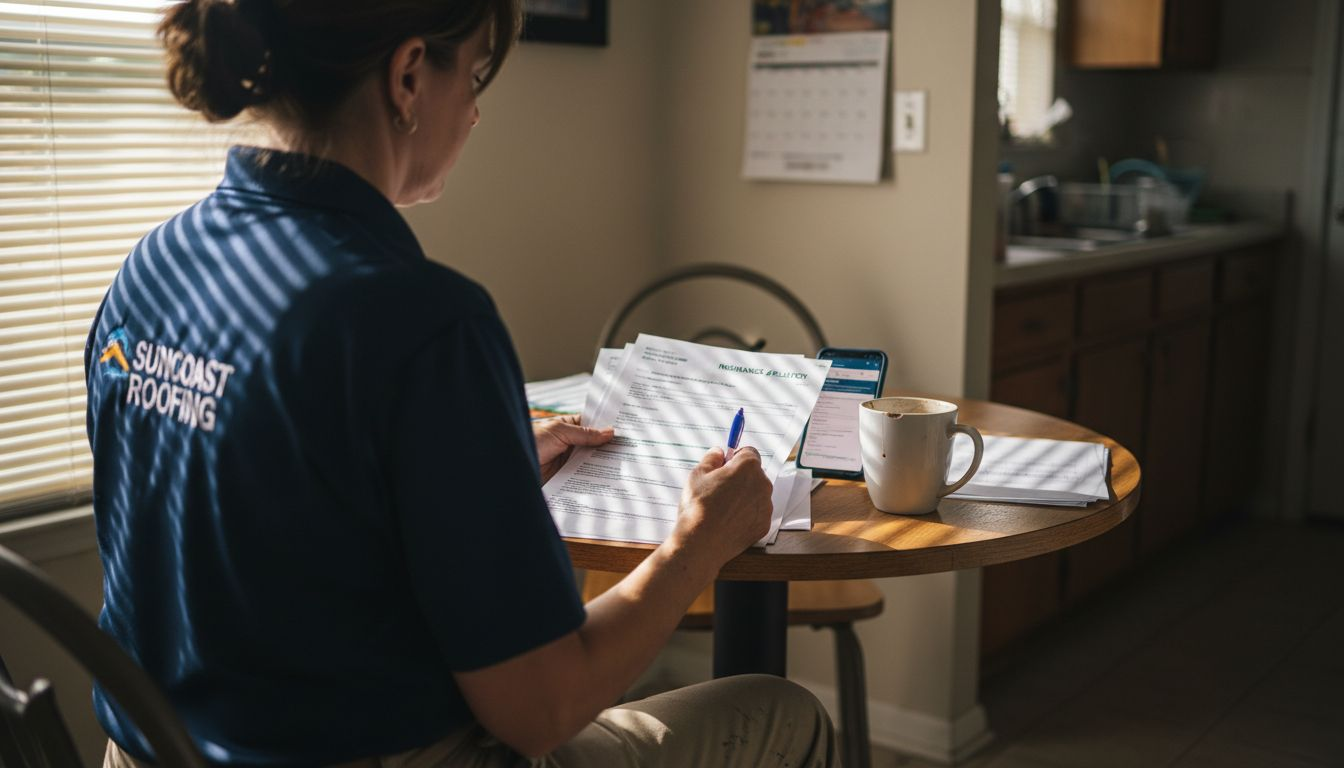
When a roofer lacks insurance, you become liable. If a worker falls and claims injury, you might be sued personally. This is why verification matters.
Insurance requirements include:
- Public liability coverage (protects against injury claims)
- Property damage insurance (covers damage to your home or neighboring properties)
- Workers’ compensation (covers employee injuries)
An uninsured roofer saves you a few hundred dollars upfront but costs you thousands if something goes wrong.
Ask contractors for proof of current insurance before signing anything. Reputable companies provide certificates without hesitation. If they dodge the question, walk away.
Why Training Matters
Roofing codes change. New materials emerge. Weather patterns shift. Professional roofers maintain continuing education to stay current with Florida-specific requirements and best practices.
Self-taught handymen can’t match this knowledge. They might complete a job, but they won’t catch code violations or recommend materials suited to Central Florida’s salt air and humidity.
Pro tip: Before hiring, verify a roofer’s license directly through Florida’s Department of Business and Professional Regulation website—search their name and confirm active, current status with no disciplinary actions.
The Role of Roofers in Storm Protection
Central Florida’s hurricane season runs June through November, but storms can strike any month. When a tropical system approaches, your roof becomes your home’s first line of defense.
Professional roofers do far more than repair damage after the fact. They strengthen roofs before storms hit, assess vulnerabilities, and execute emergency repairs when weather strikes.
Pre-Storm Preparation
A professional roofer inspects your roof months ahead of storm season. They identify weak points that wind can exploit: loose flashing, deteriorating seals, missing fasteners, and compromised shingles.
These small issues become catastrophic during 100+ mph winds. What costs $200 to fix now becomes $5,000 in water damage and structural repair after a direct hit.
Pre-storm protection includes:
- Reinforcing roof-to-wall connections that resist uplift forces
- Securing or replacing aging flashing around vents and chimneys
- Installing hurricane straps or clips to prevent decking separation
- Sealing gaps where wind-driven rain penetrates
A professional knows which upgrades matter most for your specific roof type and age.
Storm Response and Damage Assessment
When a storm damages your roof, time matters. Water penetrates quickly, spreading to insulation, drywall, and framing. Professional roofers provide emergency roof repair workflow solutions that protect your home immediately.
They document damage for insurance claims, using photos and reports that insurers actually accept. A homeowner’s smartphone pictures often lack the detail adjusters need to approve full coverage.
Roofers can also identify hidden damage that homeowners miss—missing shingles on the far side of the roof, small tears in underlayment, or compromised flashing that will leak later.
Insurance Coordination and Claims
Professionals know how insurance works. They understand deductibles, coverage limits, and what documentation insurers require. They communicate directly with adjusters, answer technical questions, and prevent claim denials due to incomplete information.
Homeowners often underestimate damage or provide insufficient documentation, resulting in lower payouts. A professional’s assessment ensures you receive fair compensation.
Professional roofers turn storm chaos into structured response, protecting both your home and your financial recovery.
Building Back Better
After storm damage, roofers don’t just replace what was destroyed. They upgrade to stronger materials, improved fastening methods, and enhanced protection against future storms.
This means your next roof is more resilient than the previous one—better prepared for Central Florida’s unpredictable weather.
Pro tip: Schedule a pre-storm inspection in April or May before hurricane season peaks, and ask your roofer which specific upgrades provide the best protection for your home’s age and design.
Financial Risks of Unlicensed or DIY Roofing
Choosing an unlicensed roofer feels like saving money. A contractor quotes $8,000 instead of $12,000, and you sign immediately. Six months later, you’re paying $15,000 in repairs plus fighting insurance claims. The “savings” vanished.
Unlicensed work creates hidden financial disasters that compound over time. Let’s break down what actually happens when you skip the licensing requirement.
Poor Workmanship and Hidden Costs
Unlicensed roofers lack accountability. If the job fails, you have almost no legal recourse. They can disappear, ignore callbacks, or deny responsibility entirely.
Bad installation leads to water intrusion, mold growth, structural damage, and insulation failure. What started as a $200 repair becomes a $20,000 reconstruction.
Common unlicensed mistakes include:
- Improper fastening that fails during storms
- Inadequate underlayment that allows moisture penetration
- Poor flashing installation causing slow leaks
- Incorrect ventilation creating heat and moisture buildup
These problems hide for months or years before obvious damage surfaces.
Insurance Nightmare
Your homeowner’s insurance has a significant clause: coverage may be denied if work wasn’t completed by a licensed contractor. Hiring unlicensed contractors exposes you to voided insurance claims and out-of-pocket liability.
Imagine a water leak damages your living room after unlicensed roofing work. You call insurance expecting coverage. They investigate, discover the roofer lacked a license, and deny the claim entirely.
Now you’re paying $50,000 in damage costs that insurance would have covered.
Legal and Financial Consequences
Florida takes unlicensed contracting seriously. Operating without licensing results in significant fines, criminal charges, and legal liability, but you also face consequences as the hiring party.
You can be held responsible for worker injuries. If someone gets hurt on your roof, you may face lawsuits and medical bills that unlicensed contractors won’t cover.
Additional risks include:
- Liens placed on your property for unpaid supplier bills
- Building code violations requiring costly remediation
- Difficulty selling your home (disclosure requirements)
- Personal liability if someone is injured
DIY Roofing is Equally Dangerous
Doing it yourself eliminates contractor costs but multiplies risk. Falls are the leading cause of home injuries. Even experienced homeowners underestimate the complexity of modern roofing systems.
An unlicensed roofer saves you $4,000 upfront but costs you $25,000 in repairs, insurance denials, and legal trouble.
You also void any warranty or recourse if something goes wrong. Professional roofers guarantee their work. You cannot sue yourself for poor installation.
The financial math is clear: licensed professionals protect your investment, your insurance coverage, and your liability exposure. Licensed roofers provide the reliability and accountability that actually saves money long-term.
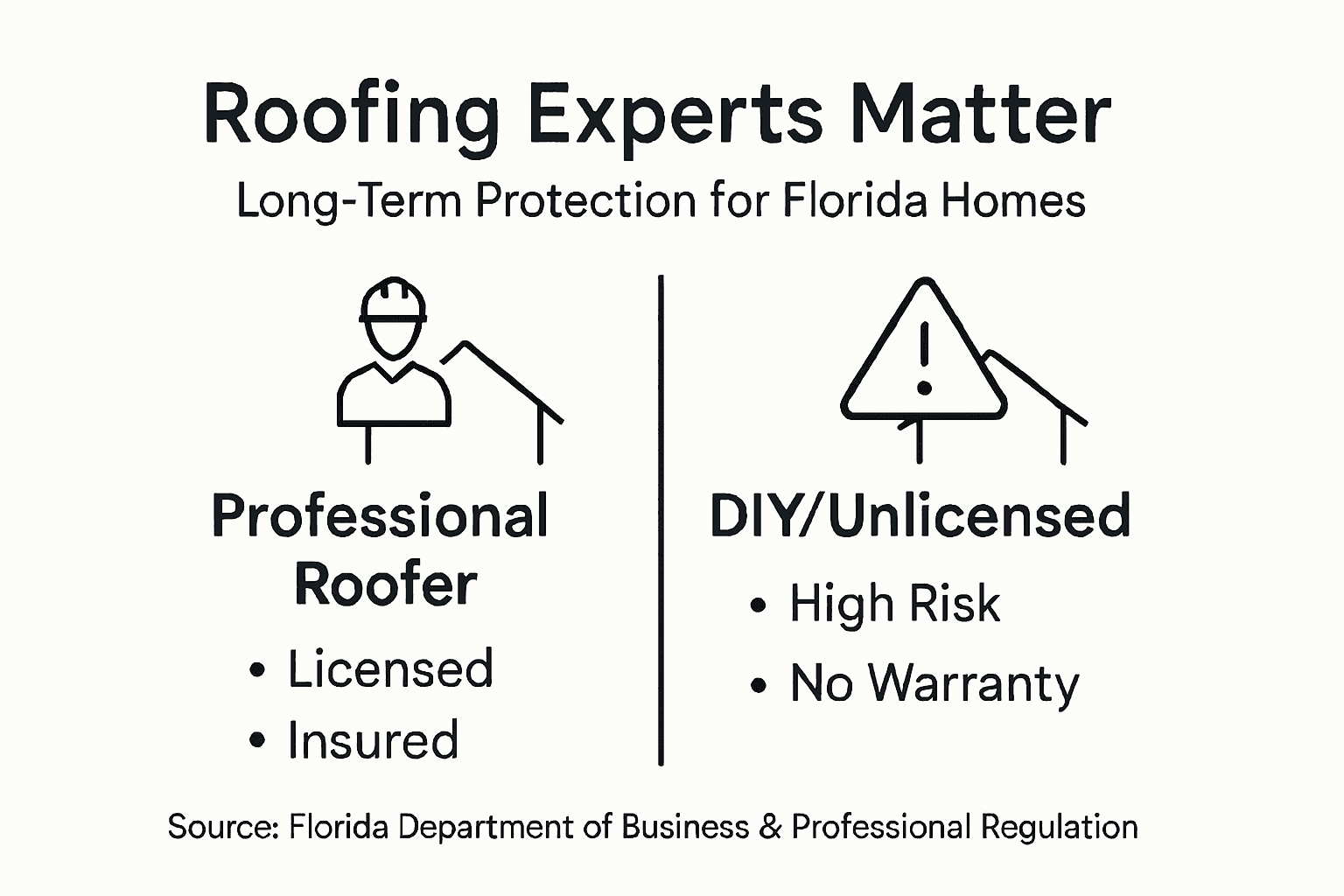
Here’s a side-by-side look at professionals versus unlicensed roofers for Central Florida homeowners:
| Aspect | Licensed Professional Roofer | Unlicensed or DIY Roofer |
|---|---|---|
| Legal Compliance | Follows Florida state mandates | Ignores state requirements |
| Insurance Protection | Includes liability and workers’ comp | Homeowner assumes full risk |
| Inspection Accuracy | Identifies hidden and future issues | Misses underlying problems |
| Warranty Availability | Offers extended warranties | No warranty or legal recourse |
| Resale Impact | Increases home sale value | Decreases appraised value |
| Insurance Claims | Supports full coverage approval | Claims often denied |
Pro tip: Get written estimates from at least three licensed roofers, verify their licenses through Florida’s Department of Business and Professional Regulation, and compare warranties—not just price.
How Experts Ensure Long-Term Home Value
Your home is likely your largest investment. A roof deteriorates silently, and most homeowners don’t notice until water appears in the attic. By then, value has already declined.
Professional roofers protect home value through systematic maintenance, quality installation, and documentation that proves work was completed correctly. This matters when you eventually sell.
Quality Installation and Materials
A professional roofer uses materials rated for Central Florida’s climate: UV resistance for intense sun, wind resistance for hurricanes, and moisture tolerance for humidity. Budget materials fail faster and cost more to replace repeatedly.
Proper installation means correct fastening patterns, adequate overlap, appropriate ventilation, and sealed penetrations. These details don’t show from the ground, but they determine whether your roof lasts 15 years or 25 years.
Quality installation protects value by:
- Preventing water intrusion that damages structure
- Maintaining manufacturer warranties (only valid with professional installation)
- Meeting building codes required for home sales or refinancing
- Reducing insurance claims and premiums
Routine Maintenance Prevents Expensive Failures
Professional roofers recommend inspections every 2-3 years, or after major storms. Small repairs now cost hundreds. Ignored problems cost tens of thousands.
Regular maintenance identifies issues before they compound. Loose flashing gets sealed. Minor shingle damage gets addressed. Debris clears gutters. Ventilation stays clear.
This proactive approach extends roof lifespan significantly and maintains property value throughout ownership.
Documentation and Warranty
When you sell your home, buyers want proof the roof was professionally maintained. Inspectors check for code compliance and workmanship. Professional roofing services for Florida homes provide detailed documentation of all work completed.
A roof with documented professional maintenance commands higher resale value. Buyers trust it. Lenders feel confident financing the purchase.
Without documentation, buyers assume the worst. Inspectors note “unknown condition of roof,” and appraisers reduce value to account for potential replacement costs.
Storm Resilience and Insurance Appeal
A professionally maintained and upgraded roof withstands storms better. This reduces insurance claims, which keeps premiums lower and demonstrates to insurers that your property is well-maintained.
Insurance companies offer discounts for roofs upgraded to hurricane-resistant standards. This directly reduces your annual costs and increases home value to potential buyers.
A well-maintained professional roof adds 15-20% to resale value while reducing annual insurance costs.
Long-Term Financial Planning
Professional roofers help you plan roof replacement timing, material upgrades, and maintenance schedules. They provide realistic timelines and budgets, allowing you to make informed decisions before emergencies force rushed, expensive replacements.
This planning protects your financial position and ensures your home stays in top condition for resale or long-term enjoyment.
See how maintenance intervals affect roof longevity and value:
| Inspection Frequency | Expected Roof Lifespan | Resale Value Impact |
|---|---|---|
| Every 2-3 years | 20-25 years | Higher buyer confidence |
| After major storms | 20-25 years | Protects insurance discounts |
| No regular inspection | 10-15 years | Increased future repair costs |
Pro tip: Keep all roofing inspection reports, maintenance records, and warranty documentation in a dedicated folder—provide these to home inspectors when selling to demonstrate responsible ownership and justify higher asking price.
Protect Your Central Florida Home with Trusted Professional Roofing
The article highlights key challenges Central Florida homeowners face like unlicensed roofing work, hidden damage, storm vulnerability, and costly repairs from improper maintenance. You deserve a partner who understands these risks and provides solutions backed by licensing, insurance, and proven expertise. At Thomas Roofing and Repair, we specialize in roof installation, inspection, and storm damage repair tailored specifically for Florida’s unique climate and building codes. We prioritize your safety and investment by catching problems early and restoring your roof with quality craftsmanship.
Why trust us:
- Licensed and insured to protect your home and family
- Expert storm preparedness and emergency repairs
- Transparent diagnostics and insurance claim assistance
- Trusted by homeowners across Brevard, Volusia, and Orange counties
Our team’s dedication to integrity and community reputation means your roofing needs are handled with skill and respect. Learn more about our commitment to quality on the Thomas Roofing and Repair website.
Ready to safeguard your home? Experience the difference a professional roof can make now.

Don’t wait for leaks or storm damage to escalate into expensive repairs. Contact Thomas Roofing and Repair to request your free roof inspection and estimate today. Protect your investment with trusted licensed roofers who deliver real value and peace of mind. Visit our service page to get started.
Frequently Asked Questions
What qualifications should I look for in a professional roofer?
Look for roofers with proper licensing, insurance, and a track record of completed work. Certified roofing contractors in Florida require extensive training and must pass state certification exams.
How can a professional roofer help prevent storm damage?
Professional roofers conduct pre-storm inspections to identify vulnerabilities, reinforce roof connections, and make necessary repairs, significantly reducing the risk of severe damage during storms.
Why is hiring a licensed roofer important?
Hiring a licensed roofer protects you from potential liabilities and ensures quality workmanship. Insurance claims may be denied if work isn’t performed by a licensed contractor, leading to significant unexpected costs.
How often should I have my roof inspected by a professional?
It’s recommended to have your roof inspected every 2-3 years or after major storms. Regular inspections can catch small issues before they escalate into costly repairs.