Over one third of American homes in Central Florida experience roof damage each year from storms and harsh weather. For homeowners with aging roofs, every rainy season brings new worries about leaks, mold, and structural threats. Proper roof maintenance not only safeguards your property from Central Florida’s challenging climate but can also reduce costly insurance claims and extend your roof’s lifespan.
Table of Contents
- Defining Roof Maintenance and Core Functions
- Types of Roof Maintenance Services Available
- How Central Florida Climate Impacts Roofs
- Steps for Effective Roof Maintenance Practices
- Costs, Risks, and Insurance Requirements
- Common Mistakes Homeowners Should Avoid
Key Takeaways
| Point | Details |
|---|---|
| Roof Maintenance is Essential | Regular inspections and timely repairs can save homeowners from costly damages and extend the roof’s lifespan. |
| Climate Considerations in Central Florida | Understanding local weather impacts is vital for effective maintenance, such as addressing high humidity and storm risks. |
| Proactive Maintenance Strategies | Simple actions like cleaning gutters and monitoring for damage can prevent significant issues over time. |
| Documentation Matters | Keeping written records of inspections and repairs can aid in managing insurance claims and track roof condition. |
Defining Roof Maintenance and Core Functions
Roof maintenance represents a strategic approach to protecting your Central Florida home from environmental challenges and potential structural damage. At its core, maintaining a roof involves systematic inspection, timely repairs, and proactive preservation of critical roofing components. Roof maintenance standards require homeowners to understand the complex interactions between roofing materials, structural elements, and environmental stressors.
The fundamental functions of roof maintenance encompass several critical objectives. These include preventing water intrusion, managing drainage systems, addressing material degradation, and protecting the home’s structural integrity. By conducting regular visual assessments and professional inspections, homeowners can identify potential vulnerabilities before they escalate into significant problems. The International Residential Code establishes specific guidelines for roof construction and maintenance, emphasizing the importance of proper ventilation, sheathing quality, and structural resilience.
Effective roof maintenance in Central Florida requires understanding unique regional challenges. The area’s intense sunlight, frequent thunderstorms, and high humidity create accelerated wear conditions that demand specialized attention. Homeowners should focus on key maintenance activities such as clearing debris from gutters, inspecting for storm damage, checking flashing integrity, and monitoring potential signs of material breakdown. These proactive steps help prevent costly repairs and extend the overall lifespan of roofing systems.
Pro tip: Schedule professional roof inspections at least twice annually, ideally before and after hurricane season, to catch potential issues early and maintain your home’s protective envelope.
Types of Roof Maintenance Services Available
Roof maintenance in Central Florida requires a comprehensive approach that encompasses multiple specialized services designed to protect and preserve residential roofing systems. Professional roof cleaning represents a fundamental maintenance strategy that addresses organic growth and material preservation, targeting issues like algae, mold, and mildew that can compromise roof integrity. These services utilize specialized soft washing techniques that safely remove contaminants without causing damage to delicate roofing materials.
Professional roof maintenance services typically include several critical components. Comprehensive offerings range from detailed visual inspections to targeted repairs, including gutter cleaning, flashing replacement, and structural assessments. Professional roof inspections play a crucial role in identifying potential vulnerabilities, with specialized techniques like LeakFREE® assessments that detect active moisture problems and emerging structural concerns before they escalate into significant damage.
Central Florida homeowners should understand the range of maintenance services available to protect their investment. Key services include routine cleaning, comprehensive inspections, minor repairs, drainage system maintenance, and storm damage assessment. These services are particularly important in a region characterized by intense sunlight, frequent thunderstorms, and high humidity levels that can accelerate roof material degradation. Proactive maintenance helps extend roof lifespan, prevent costly replacements, and maintain the home’s structural integrity.
Pro tip: Request a detailed written report after each professional roof inspection, documenting current conditions and recommended maintenance actions to track your roof’s long-term health.
Here’s a comparison of common roof maintenance service types and their primary benefits:
| Service Type | Main Focus | Typical Benefit |
|---|---|---|
| Professional Cleaning | Removes algae, moss, mildew | Preserves materials, extends life |
| Visual Inspection | Detects visible signs of damage | Prevents costly repairs |
| Targeted Repairs | Fixes leaks, damaged flashing | Maintains structural integrity |
| Drainage Maintenance | Clears gutters and downspouts | Reduces water damage risk |
How Central Florida Climate Impacts Roofs
Central Florida’s unique subtropical climate presents extraordinary challenges for residential roofing systems, creating a complex environment that accelerates material deterioration and structural stress. Humid subtropical conditions expose roofs to an intense combination of environmental factors including extreme UV radiation, frequent heavy rainfall, and high humidity levels that can dramatically reduce roofing material lifespan.
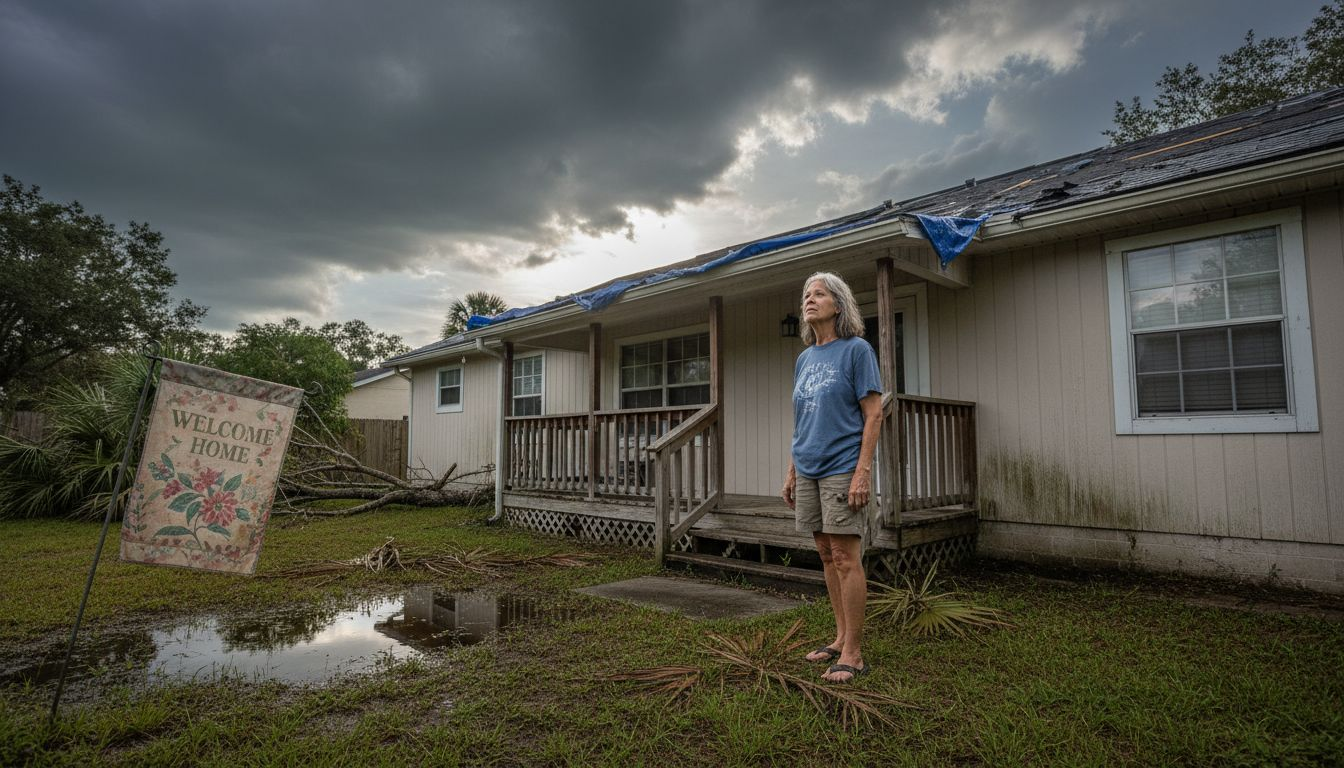
The region’s distinctive weather patterns create multiple stress points for roof structures. Summer thunderstorms and the hurricane season introduce significant wind and moisture risks, while prolonged sun exposure causes thermal expansion and material degradation. Roofing materials must withstand temperatures that can exceed 90 degrees Fahrenheit, combined with humidity levels often reaching 80% or higher, which accelerates potential issues like algae growth, wood rot, and structural weakening.
Florida’s seasonal weather dynamics fundamentally transform roof maintenance from a reactive to a proactive discipline. The rainy season from May to October demands robust drainage systems and exceptional water-resistance, while the dry winter months require protection against UV damage and material fatigue. Homeowners must consider specialized roofing materials and regular maintenance strategies that can effectively counteract these persistent environmental challenges.
Pro tip: Invest in light-colored roofing materials with high reflective properties to minimize heat absorption and reduce potential thermal damage during Central Florida’s intense summer months.
The table below summarizes unique climate risks for Central Florida roofs throughout the year:
| Season | Primary Threat | Roofing Impact |
|---|---|---|
| Summer | Thunderstorms, UV | Accelerated material deterioration |
| Hurricane | High winds, rain | Increased leak and wind damage |
| Winter | Intense sunlight | UV-related material fatigue |
| Rainy (May-Oct) | Prolonged humidity | Enhanced algae/mold growth |
Steps for Effective Roof Maintenance Practices
Effective roof maintenance in Central Florida demands a systematic and comprehensive approach that addresses the region’s unique environmental challenges. Roof inspection best practices recommend a multi-zone assessment strategy that covers critical areas including interior spaces, attic conditions, roof perimeter, and surface integrity. Homeowners should develop a structured inspection routine that allows early detection of potential vulnerabilities before they escalate into costly repairs.
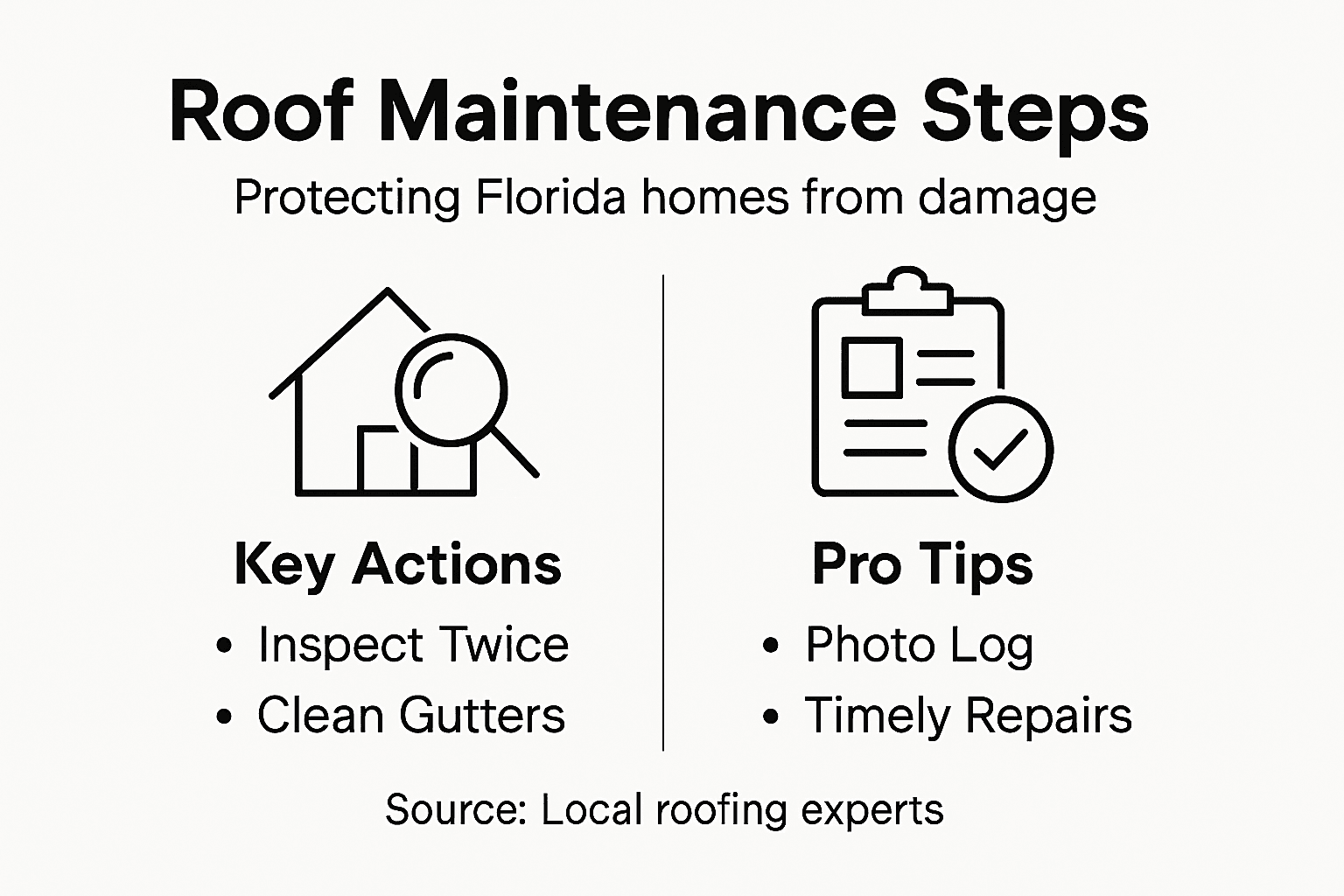
A comprehensive roof maintenance strategy involves several key steps. First, conduct thorough visual inspections twice annually, focusing on identifying signs of material degradation, water intrusion, and structural stress. Check flashings, gutters, and drainage systems for potential blockages or damage. Look for loose or missing shingles, signs of algae or moss growth, and any areas showing potential water penetration. Documenting these observations creates a valuable maintenance history that can help track roof condition over time.
Roof maintenance guidelines emphasize the importance of proactive repair and preventative measures. This includes cleaning gutters regularly, trimming overhanging tree branches that could damage roofing materials, and addressing minor issues immediately. Homeowners should pay special attention to areas around chimneys, vents, and skylights where water intrusion is most likely. Understanding manufacturer recommendations for specific roofing materials can also guide maintenance frequency and techniques unique to your particular roof system.
Pro tip: Create a digital maintenance log with dated photographs and inspection notes to track your roof’s condition and help professional roofers quickly understand its maintenance history.
Costs, Risks, and Insurance Requirements
Homeowners in Central Florida face significant financial implications related to roof maintenance, with proactive strategies directly impacting insurance coverage and repair expenses. Building code compliance plays a critical role in determining insurance eligibility and risk management, as insurers closely evaluate roof condition against established standards for wind resistance, water protection, and structural integrity.
Statistically, roof-related issues represent a substantial portion of homeowners insurance claims, with water damage and leaks accounting for considerable financial risk. Approximately 30% of insurance claims stem from roof-related problems, highlighting the importance of regular maintenance and professional inspections. Insurance providers often require detailed documentation of roof condition, with potential premium increases or coverage limitations for poorly maintained roofing systems. Homeowners who neglect routine maintenance may find themselves facing higher deductibles, reduced coverage, or even policy cancellations.
Roof inspection protocols directly influence insurance requirements and financial risks. Insurers typically mandate professional certifications and periodic inspection reports, especially in hurricane-prone regions like Central Florida. The cost of maintenance becomes a critical investment, with professional inspections ranging from $200 to $600, potentially saving homeowners thousands in potential repair or replacement expenses. Understanding the intricate relationship between maintenance, insurance requirements, and financial risk is crucial for responsible homeownership.
Pro tip: Request a comprehensive insurance-specific roof inspection annually, documenting findings to potentially negotiate better insurance rates and demonstrate proactive property maintenance.
Common Mistakes Homeowners Should Avoid
Central Florida homeowners frequently encounter roof maintenance challenges that can lead to significant long-term damage if not addressed properly. Common roofing mistakes often stem from a lack of understanding about regional climate impacts and proper maintenance techniques. Improper roof slope, inadequate drainage, and selecting inappropriate roofing materials for the local environment can accelerate structural deterioration and compromise the entire roofing system.
One of the most critical errors homeowners make is neglecting regular maintenance and overlooking early warning signs of potential issues. This includes allowing vegetation growth, ignoring minor leaks, and failing to address flashing damage or ventilation problems. Moss growth management requires particular attention in humid regions, as moss can trap moisture and accelerate material decomposition. Homeowners should avoid using pressure washers, which can damage shingle integrity, and instead opt for gentle cleaning methods that preserve roofing materials.
Technical mistakes in roof maintenance often involve improper repair techniques and misunderstanding of material limitations. Attempting DIY repairs without proper knowledge, using incorrect sealants, and failing to address underlying structural issues can create more extensive damage. Homeowners should be cautious about quick fixes and recognize when professional intervention is necessary. Understanding the specific challenges of Central Florida’s climate is crucial in developing an effective, long-term roof maintenance strategy that protects the home’s structural integrity.
Pro tip: Photograph your roof during inspections and maintain a digital maintenance log to track changes and provide valuable documentation for future repairs or insurance claims.
Protect Your Central Florida Home With Expert Roof Maintenance Solutions
Central Florida homeowners face unique roofing challenges from intense sun, frequent storms, and high humidity as highlighted in the article. Ignoring regular roof inspections and maintenance can lead to costly repairs and insurance complications. Key pain points include preventing water intrusion, managing drainage, and addressing material degradation before they worsen. By understanding terms like flashing integrity, LeakFREE® assessments, and following proactive maintenance steps, you can safeguard your home’s structure and extend the lifespan of your roof.
At Thomas Roofing and Repair, we specialize in tailored roofing services designed specifically for Central Florida’s climate. Our expert team provides thorough roof inspections, professional cleaning, targeted repairs, and storm damage restoration. We combine dependable craftsmanship with trusted customer care to help you avoid common maintenance mistakes and keep your roof in optimal condition year-round.

Don’t wait until minor issues turn into major expenses. Schedule a professional roof inspection today and receive a detailed maintenance plan customized for your home’s needs. Visit Thomas Roofing and Repair now to get your free estimate and protect your investment with trusted expertise. Your roof deserves care built around Central Florida’s unique demands.
Frequently Asked Questions
How often should I schedule roof inspections for my home?
It’s recommended to schedule professional roof inspections at least twice a year, ideally before and after hurricane season, to catch potential issues early.
What are the main functions of roof maintenance?
The primary functions of roof maintenance include preventing water intrusion, managing drainage systems, addressing material degradation, and protecting the structural integrity of your home.
How does Central Florida’s climate affect roof maintenance?
The humid subtropical climate in Central Florida accelerates roof material degradation due to extreme UV radiation, heavy rainfall, and high humidity levels, requiring more frequent maintenance and specialized roofing materials.
What are the most common roof maintenance mistakes homeowners should avoid?
Common mistakes include neglecting regular inspections, ignoring early warning signs like leaks or vegetation growth, using pressure washers on shingles, and attempting DIY repairs without proper knowledge.