
Strong storms and Florida’s humid summers put roofs to the test year after year. For Central Florida homeowners, deciding between roof repair and roof replacement can feel overwhelming—especially when water infiltration, wind damage, or missing shingles threaten your home’s safety. Understanding the difference between targeted repairs and full replacement arms you with the clarity needed to protect your wallet and prepare your property for severe weather. This guide untangles the process, revealing what truly matters when weighing your options.
Table of Contents
- Defining Roof Replacement and Roof Repair
- Types of Roof Damage and Common Issues
- Signs Your Roof Needs Repair or Replacement
- Key Factors for Florida Homeowners
- Cost, Insurance, and Warranty Implications
Key Takeaways
| Point | Details |
|---|---|
| Understanding Repair vs. Replacement | Repair addresses specific damages while replacement involves installing a new system; choosing incorrectly can result in significant costs. |
| Insurance Impact and Roof Age | Many insurers drop coverage for older roofs, often requiring a replacement for continued policy eligibility. |
| Long-Term Financial Considerations | Investing in roof replacement usually offers better long-term financial outcomes than repeated repairs on an aging structure. |
| Common Damage Indicators | Visible signs such as missing shingles or interior leaks indicate potential issues; regular inspections can prevent costly repairs. |
Defining Roof Replacement and Roof Repair
When a roofer mentions your roof needs work, understanding the difference between repair and replacement is critical for making an informed decision. These aren’t just different price points or service calls. They represent fundamentally different approaches to addressing roof problems, and choosing the wrong path can cost you thousands of dollars down the road.
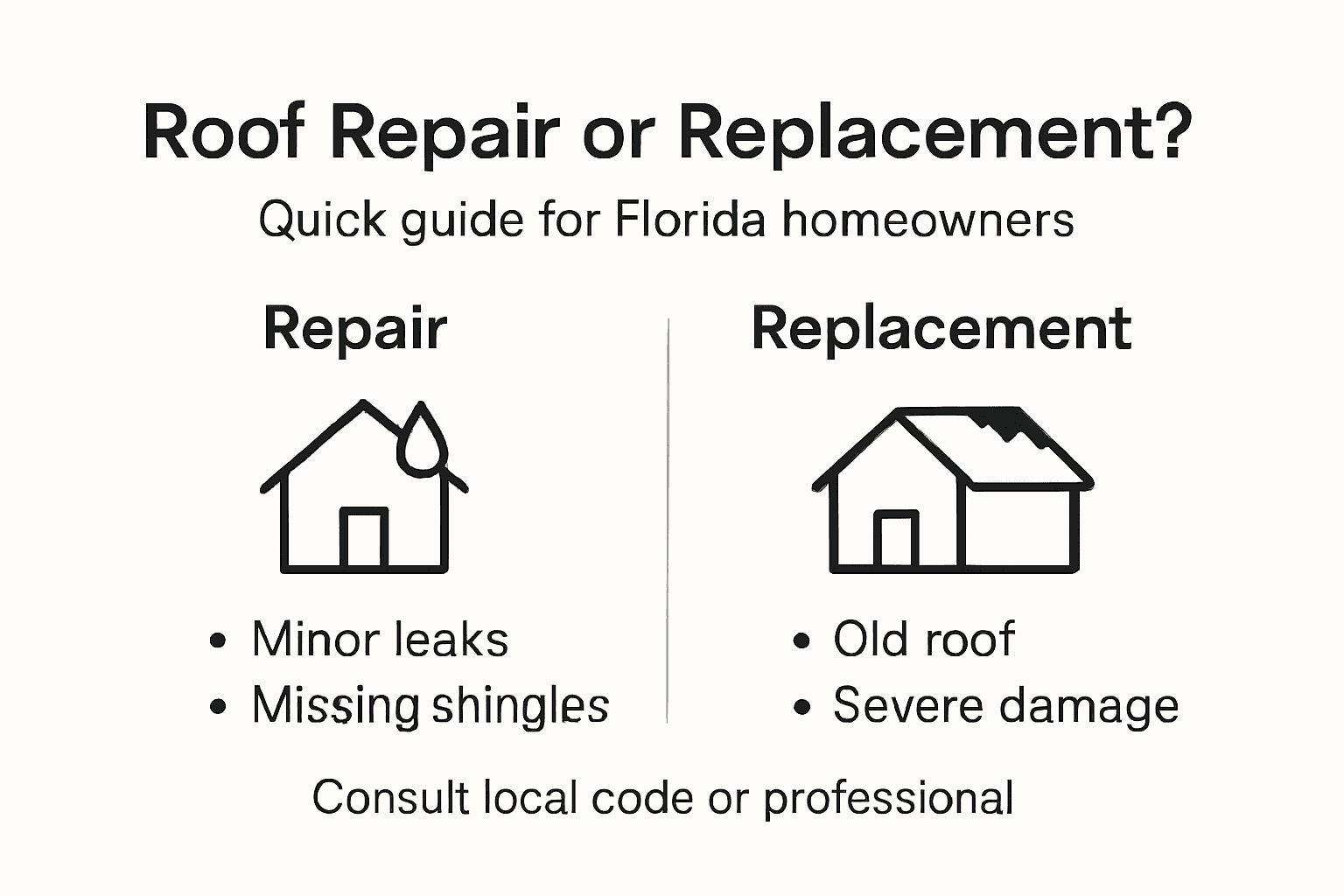
Roof repair addresses specific, isolated damage to your existing roof system. Think of it like fixing a pothole in your driveway rather than repaving the entire street. Whether you’re dealing with missing shingles after a Florida storm, a small leak around a vent pipe, or localized water damage, repairs aim to restore that section of your roof to working condition while keeping the rest of your system intact. This approach is cost-effective for addressing individual problems and preserving the life of a roof that still has years remaining. The cost calculation method known as the 50 percent rule helps homeowners determine when repair costs become excessive enough to warrant replacement instead.
Roof replacement, on the other hand, means removing your entire roof system down to the decking and installing a completely new one. This isn’t a partial fix. Contractors remove all existing shingles, underlayment, and damaged materials, then install fresh roofing materials from the ground up. Replacement becomes necessary when your roof reaches the end of its serviceable life, when damage is widespread across multiple sections, or when repair costs approach or exceed 50% of replacement costs. In Central Florida’s humid climate with regular thunderstorms, replacement becomes the logical choice for roofs that have already required multiple repairs or are showing signs of systemic deterioration.
The key distinction lies in scope and longevity. Repairs extend the life of an aging roof temporarily. Replacements provide a fresh start with a new warranty and protection for another 20 to 30 years, depending on your material selection. Your roofing contractor’s assessment should clarify whether your roof’s condition calls for targeted repairs or a complete system replacement, and that assessment should account for your roof’s current age, the extent of damage present, and what similar repairs have cost you in the past.
Here’s how roof repair and roof replacement differ across crucial criteria:
| Aspect | Roof Repair | Roof Replacement |
|---|---|---|
| Scope | Targets isolated damage | Entire system is renewed |
| Typical Duration | 1-2 days | 3-7 days |
| Life Extension | Adds 1-5 years | Adds 20-30 years |
| Insurance Implications | Often limited coverage | Can restore full coverage |
| Warranty Type | 1-5 years, limited | Manufacturer, 20+ years |
| Building Code Impact | May not meet new codes | Upgrades to current standards |
Pro tip: Request a detailed written inspection that specifies exactly which areas need attention and explains why your contractor recommends repair versus replacement. Get this assessment in writing so you can compare recommendations from multiple contractors before committing to either option.
Types of Roof Damage and Common Issues
Florida roofs face a unique set of challenges that homeowners in other parts of the country rarely encounter. Living in Central Florida means your roof battles intense sun, heavy humidity, frequent afternoon thunderstorms, and the occasional hurricane. Understanding what kinds of damage your roof is vulnerable to helps you recognize problems early and decide whether a repair will solve the issue or if replacement is necessary.
The most common damage Central Florida homeowners deal with includes missing or damaged shingles, typically caused by wind from thunderstorms that can peel back shingles or tear them clean off. Leaks around penetrations like vents, flashing, and skylights are another frequent problem, especially when sealant deteriorates or flashing becomes corroded. Water pooling or ponding on flat sections of your roof happens when drainage becomes inadequate, allowing water to sit stagnant rather than flow off. Over time, this standing water seeps through to the decking below. Deteriorating underlayment and decking represents a more serious condition where the materials beneath your visible roof covering break down from moisture exposure. According to the 2020 Florida Building Code roofing standards, wind uplift, water infiltration, and structural weakening from humidity are primary vulnerabilities in this climate. You might also notice algae or mold growth, which appears as dark streaks across your shingles. While this is primarily a cosmetic issue initially, it can accelerate deterioration if left unchecked.
Severe damage from storms includes structural impairments where entire roof sections lift or buckle, complete membrane or covering failure, and compromised roof-to-wall connections. These conditions warrant immediate attention and typically result in replacement rather than repair. If your roof is 15 to 20 years old and you’re seeing multiple types of damage across different areas, the cost of repeated repairs will quickly approach replacement expenses. Age combined with widespread damage almost always points toward replacement as the smarter financial choice.
The timing of when you notice damage matters significantly. Storm damage needs documentation for insurance claims, while gradual deterioration often goes unnoticed until interior water damage appears. Catching problems early through regular inspections can mean the difference between a targeted repair and a full replacement.
Pro tip: Schedule a professional roof inspection after any significant storm or at least annually before Florida’s hurricane season begins in June; catching damage early prevents it from spreading to the decking and structural framing below.
Signs Your Roof Needs Repair or Replacement
Knowing when your roof is simply asking for a quick fix versus when it’s time for a complete overhaul requires recognizing the warning signs. Some indicators are obvious, like a visible leak dripping into your attic during a rainstorm. Others are subtle enough that they only become apparent during a professional inspection. The key is catching problems before they cascade into expensive structural damage that affects your home’s entire system.
Start by looking for visible shingle damage such as missing, cracked, or curling shingles. After any significant storm, walk around your property and check for shingles scattered in your yard or on the ground. Discolored patches or dark streaks on your roof surface might indicate algae growth or the early stages of deterioration. Sagging sections of your roof are a red flag indicating structural problems with the decking or framing underneath. If water is visibly pooling on flat roof sections after rain, that’s ponding water demanding attention. Inside your home, look for water stains on ceilings or walls, mold or mildew growth in the attic, and peeling paint around roof edges. These interior signs mean water infiltration is already happening. According to Florida roof condition indicators for insurance purposes, insurers pay particular attention to missing shingles, visible leaks, and structural damage when determining coverage eligibility.
The age of your roof also matters significantly. If your shingle roof is approaching 15 to 20 years old, you’re in the replacement window regardless of how it currently looks. Older roofs are more prone to failure, and insurance companies in Florida increasingly require roof inspections or proof of recent replacement. If your roof is 10 years old and you’re already seeing multiple repair issues, it’s time to stop throwing money at temporary fixes and invest in a replacement that will protect your home for the next two decades.
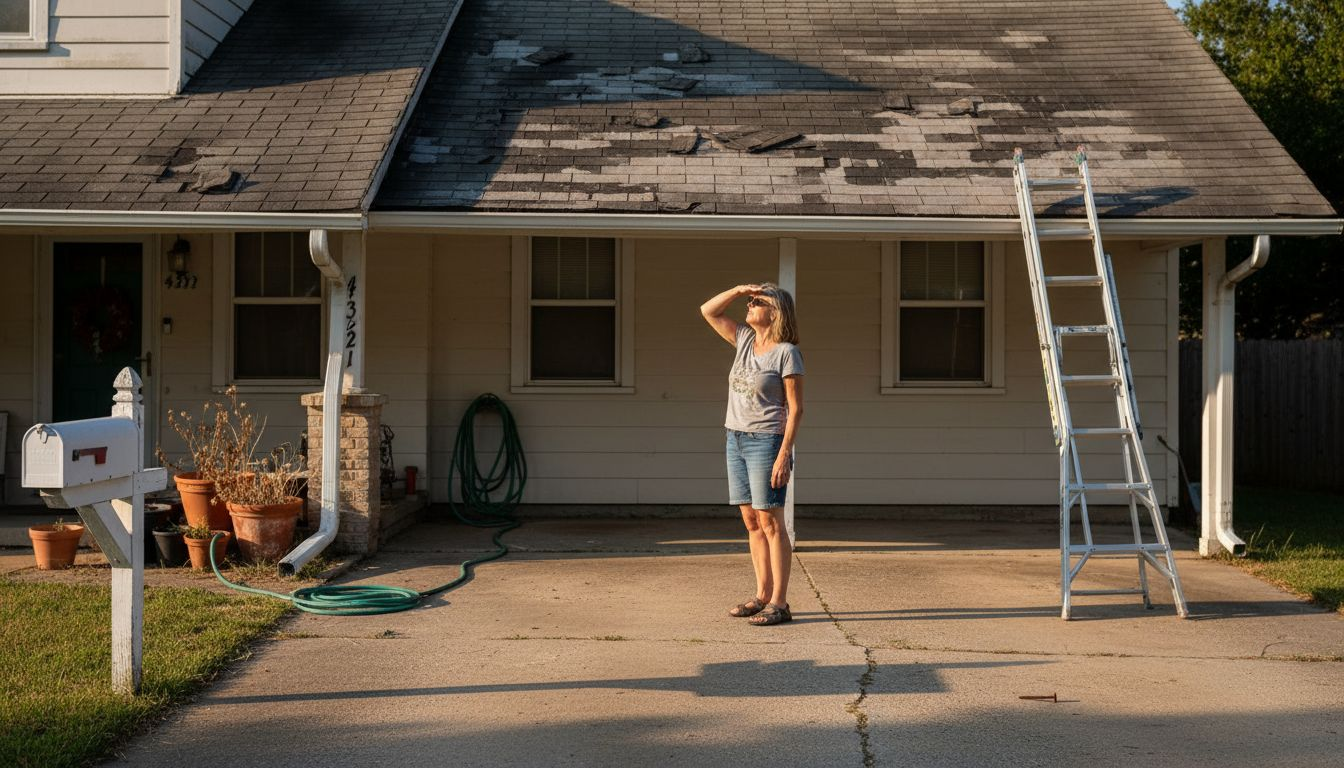
Pro tip: Don’t wait for interior water damage to confirm roof problems; schedule a professional roof inspection in Central Florida at the first sign of exterior damage to determine whether repairs will suffice or replacement is necessary.
Key Factors for Florida Homeowners
Making a repair versus replacement decision isn’t just about what looks cheapest right now. Central Florida homeowners face unique circumstances that shape this choice in ways that homeowners in calmer climates never experience. Your decision should account for hurricane exposure, insurance requirements, building codes specific to Florida, and how these factors interact with your roof’s current condition and age.
Insurance eligibility is perhaps the most critical factor many homeowners overlook. Florida insurers increasingly scrutinize roof age and condition when deciding whether to renew policies or continue coverage. Florida roof age restrictions for insurance vary by carrier but typically affect roofs beyond 10 to 15 years old. Some insurance companies now require recent roof inspections or proof of replacement before they’ll insure your home at all. If you’re facing a lapsed or non-renewed policy, a roof replacement might be the fastest path to regaining coverage rather than spending money on repairs that won’t satisfy insurers. Your agent can clarify your specific policy requirements before you commit to either option.
Florida’s building codes also influence your decision. High-velocity hurricane zone standards require enhanced wind load resistance, sealed roof decks, and stronger attachment methods that older roofs may not meet. If you’re considering repairs to an aging roof, you might still be vulnerable to code compliance issues during inspections for renovation or insurance purposes. A replacement allows you to install a roof that meets current Florida Building Code requirements, providing better protection against the storms that define our region’s weather patterns. Repairs keep aging systems in place, which means keeping code deficiencies in place as well.
Beyond insurance and codes, consider your home’s long-term financial trajectory. If you plan to stay in your home for more than five additional years, replacement typically makes financial sense because you’ll recoup that investment through avoided repair costs and better insurance rates. If you’re selling within three years, a targeted repair might be sufficient unless damage is severe enough to scare away buyers during inspection.
Key factors affecting the decision for Florida homeowners can be summarized below:
| Factor | Why It Matters | Financial Impact |
|---|---|---|
| Roof Age | Insurers may drop old roofs | Replacement may be required |
| Storm Exposure | Leads to faster deterioration | Drives up long-term costs |
| Building Codes | Noncompliance risks insurance loss | Upgrade increases value |
| Future Plans | Staying long-term favors replacing | Repairs help short-term |
Pro tip: Contact your homeowners insurance agent before making any roof decision; they can tell you whether your current policy has roof age restrictions or maintenance requirements that might make replacement necessary for continued coverage eligibility.
Cost, Insurance, and Warranty Implications
When comparing repair versus replacement costs, you cannot ignore what insurance will actually pay for or what warranties cover. This is where many Central Florida homeowners get blindsided. A repair might seem cheaper upfront, but insurance depreciation, deductibles, and coverage gaps can make replacement the smarter financial choice in the long run.
Let’s start with how insurance handles roof claims. Most homeowners policies use Actual Cash Value rather than Replacement Cost Value, which means the insurer calculates what they owe based on your roof’s age and remaining useful life. On a 12-year-old roof, this depreciation is substantial. Depreciation on older roofs significantly reduces insurance claim payouts, sometimes covering only 50 to 70 percent of actual repair costs. Additionally, wind damage claims often carry higher deductibles on aging roofs, sometimes reaching 5 to 10 percent of your home’s insured value. A $5,000 repair might result in a $1,500 insurance payment after depreciation and deductible, leaving you to cover $3,500 yourself. When you factor in labor, materials, and what insurance actually reimburses, that repair becomes less economical than you initially thought.
Replacement costs vary based on roof size, material selection, and whether your new roof must meet current Florida Building Code standards, which often require enhanced wind resistance and sealed roof decks. These upgrades increase upfront costs but can lower your insurance premiums by 10 to 15 percent through wind mitigation discounts. You also receive a new manufacturer’s warranty, typically 20 to 30 years, which provides significant peace of mind and protection against defects. A repair comes with only a limited warranty on the work performed, usually one to five years, offering far less long-term protection.
Consider the total cost of ownership over time. Multiple repairs to an aging roof add up quickly, consuming thousands of dollars while leaving you with an aging system approaching the end of its life anyway. A single replacement investment provides warranty protection, better insurance rates, and the ability to recoup a portion of your investment if you sell your home. Storm preparedness also factors in. A newer roof with modern attachment methods and materials performs significantly better during hurricanes, potentially saving you from catastrophic damage that no insurance deductible could absorb.
Pro tip: Request detailed cost estimates from contractors that separately itemize labor, materials, and potential code upgrade costs, then compare this to your insurance deductible and depreciation; often replacement cost minus your deductible will surprise you.
Protect Your Central Florida Home with Expert Roofing Solutions
Choosing between roof repair and roof replacement is a critical decision for Florida homeowners battling storm damage, high humidity, and aging materials. You want to extend your roof’s life without risking costly hidden damage or losing insurance coverage. Whether your roof shows signs of localized issues or widespread deterioration, understanding the right approach can save you thousands and provide peace of mind during storm season.
Thomas Roofing and Repair specializes in tailored roofing services across Central Florida counties like Brevard, Volusia, and Orange. Our experienced team helps you navigate insurance concerns, building code upgrades, and warranty options while delivering dependable craftsmanship. We offer comprehensive options from targeted roof repair to complete system replacement plus professional inspections to catch problems early. Let us help you protect your home for the long term with quality workmanship and trusted guidance.
Looking for expert advice and reliable service? Explore our Roof Inspection services and learn more about Roof Repair and Replacement options designed specifically for Florida climates.
Ready to safeguard your home now
Protect your investment before the next storm arrives

Contact Thomas Roofing and Repair today for a free estimate and personalized consultation. Visit Thomas Roofing and Repair to schedule your inspection and discover your best path forward.
Frequently Asked Questions
What is the difference between roof repair and roof replacement?
Roof repair addresses specific damage to your existing roof, while roof replacement involves removing the entire roof system and installing a new one. Repairs are often more cost-effective for isolated issues, whereas replacements are necessary for widespread damage or when the roof reaches its end of life.
How can I tell if my roof needs repair or replacement?
Look for signs such as missing or cracked shingles, sagging sections, water stains indoors, or algae growth. If your roof is over 15 years old and shows multiple signs of damage, a replacement may be the better choice.
What factors should I consider when deciding whether to repair or replace my roof?
Consider the age of your roof, the extent of damage, insurance implications, and Florida building codes. Additionally, think about your long-term plans for the home, as replacing an aging roof can lead to better insurance rates and enhanced storm preparedness.
How do insurance claims affect roof repair vs. replacement decisions?
Insurance typically pays based on Actual Cash Value, considering depreciation for older roofs. Repairs might result in lower payouts after deductibles, making a full replacement a more financially sensible option in the long run, especially for aged roofs.