
Asphalt shingles dominate American rooftops for good reason: they cost less upfront, install quickly, and come in enough styles to suit almost any home. But they are not always the best choice, especially if you live somewhere with extreme heat, heavy snow, or a homeowners association with strict aesthetic rules. This roofing materials comparison list covers seven major options, from budget-friendly asphalt to century-lasting slate, so you can weigh real costs and trade-offs before signing any contract.
| Material | Cost per Square (Materials) | Typical Lifespan | Maintenance | Climate Fit | Eco Impact |
|---|---|---|---|---|---|
| Asphalt shingles | $100–$600 | 25–30 years | Low–moderate | Most climates | Moderate (recyclable options exist) |
| Metal roofing | $310–$2,500 | 40–70 years | Low | All climates | High (often recycled content) |
| Composite shingles | $400–$600 | — | Low | Most climates | Moderate |
| Clay tiles | $900–$2,600 installed | — | Low | Hot, dry climates | High (natural material) |
| Slate | $800–$3,500 installed | 100+ years | Low | Most climates | High (natural stone) |
| Wood shingles/shakes | — | — | High | Mild, dry climates | Moderate |
| Concrete tiles | $1,070–$2,750 installed | 40–70 years | Low–moderate | Hot, mild climates | Moderate |
Quick pros and cons at a glance:
- Asphalt shingles: affordable and widely available, but shorter lifespan than most alternatives
- Metal roofing: long-lasting and energy-efficient, higher upfront cost, can be noisy in rain
- Composite shingles: realistic appearance, no structural upgrades needed, may fade over time
- Clay tiles: beautiful and durable, very heavy, not suitable for freeze-thaw climates
- Slate: the gold standard for longevity, expensive and requires specialized installation
- Wood shingles/shakes: natural look, high maintenance, fire risk without treatment
- Concrete tiles: durable and fire-resistant, heavy, requires structural assessment
Detailed roofing materials comparison: what you need to know about each option
Asphalt shingles
Asphalt shingles are the most common residential roof covering in the United States, and the price range reflects their variety. Three-tab shingles sit at the entry level, rated for winds up to 60 mph and suited to lower-budget projects. Architectural (laminated) shingles are thicker, more attractive, and rated for 110–130 mph winds with a typical lifespan of 25–30 years. Multilayered architectural shingles are the premium tier, offering triple the thickness of standard three-tab and the closest visual match to wood shakes.
Pros: Low cost, easy installation, wide color selection, DIY-friendly repairs.
Cons: Shorter lifespan than tile or metal, moderate environmental footprint, less effective in extreme heat.
| Type | Cost per Square (Materials) | Lifespan | Wind Rating |
|---|---|---|---|
| Three-tab | — | — | Up to 60 mph |
| Architectural | — | 25–30 years | 110–130 mph |
| Multilayered architectural | Up to $600 | — | 110+ mph |
Metal roofing
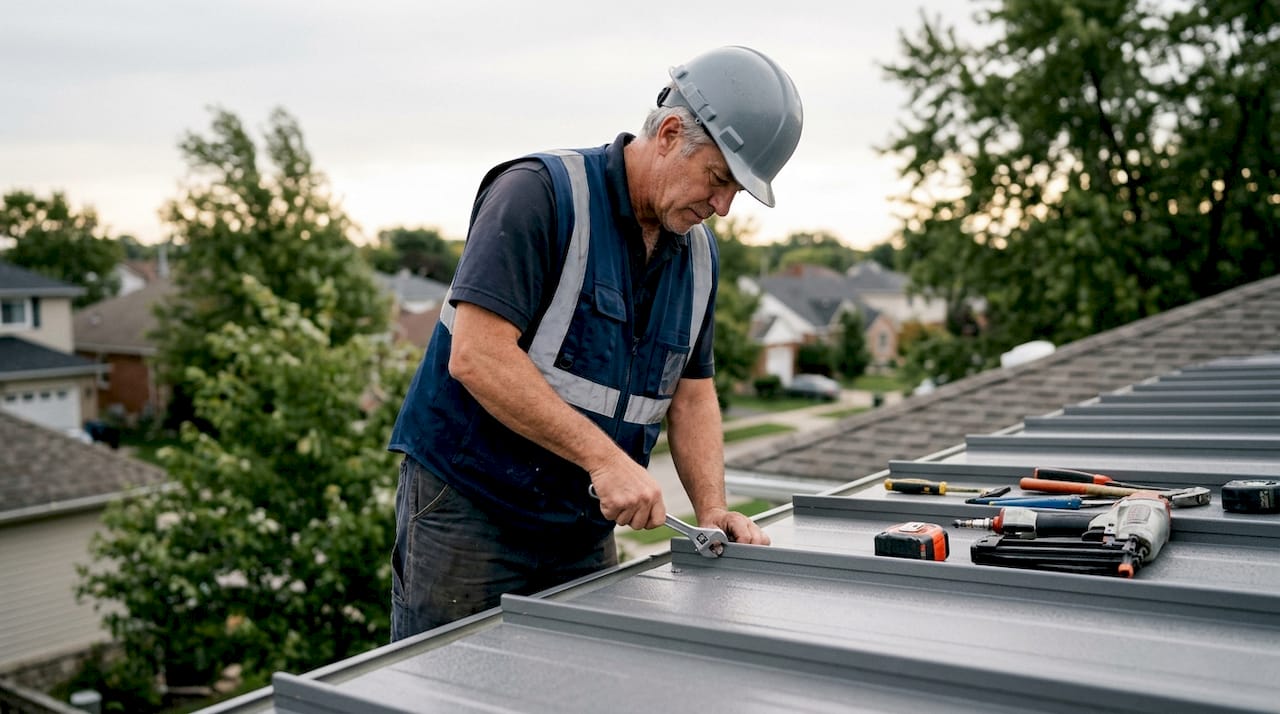
Metal roofing splits into two main types: standing seam panels and metal shingles. Standing seam has a distinctive industrial look with raised seams running vertically. Metal shingles are stamped to mimic asphalt, clay tiles, or cedar shakes, making them a practical choice when an HOA requires a traditional appearance. Metal roofs last 40–70 years, often qualify for insurance discounts due to wind and hail resistance, and deliver real energy savings through solar reflectance. Reflective metal roofs with cool-roof coatings can reflect up to 70% of solar energy and reduce cooling costs by 10–25% compared to traditional dark asphalt.
Pros: Exceptional lifespan, energy-efficient, fire-resistant, recyclable, insurance discounts common.
Cons: Higher upfront cost, can be noisy during heavy rain, copper options are very expensive.
Composite shingles
Composite shingles are made from a blend of plastic polymers, rubber, clay, and asphalt, engineered to look like natural slate or wood even at close range. They weigh roughly the same as asphalt, so no structural reinforcement is needed. Prices run $400–$600 per square for materials. The main caution: some products fade or crack under repeated impact, and composite surfaces can be slippery, so snow guards are worth considering in colder regions.
Pros: Realistic appearance, lightweight, no structural upgrades required, lower cost than natural slate.
Cons: Quality varies widely by manufacturer, potential fading, slippery surface in snow.
Clay tiles
Clay and concrete tiles are long-lasting, fire-resistant, and energy-efficient, but they are expensive and heavy enough to require a structural evaluation before installation. Terra cotta (clay) tiles carry an installed cost of $900–$2,600 per square and can last well over a century in warm, dry climates. Their curved profile creates natural airflow beneath the tile surface, which actively reduces attic heat gain. One firm limitation: clay tiles crack in freeze-thaw cycles, making them a poor fit for northern climates.
Pros: Exceptional longevity, fire-resistant, energy-efficient in heat, low maintenance.
Cons: Very heavy, expensive, unsuitable for freeze-thaw climates, damaged tiles are tricky to replace.
Slate roofing
Natural slate can last over 100 years and carries a visual weight that no synthetic product fully replicates. Installed costs range from $800 to $3,500 per square, with national average total project costs running between $4,389 and $22,377 according to Angi. Slate comes in soft and hard varieties; hard slate is thicker and more durable. You need a roofer with specific slate experience, and your structure must handle the load. For homeowners who plan to stay in a house for decades, the math can work out.
Pros: Century-long lifespan, fire-resistant, natural beauty, low maintenance once installed.
Cons: Highest installed cost, requires specialized labor, very heavy, soft slate is less durable.
Wood shingles and shakes
Cedar is the most common wood roofing material, sold as smooth-faced shingles or thicker, textured shakes. Shingles cost less; a 3,000-square-foot cedar shingle roof runs roughly $18,000–$30,000, while cedar shakes run $24,000–$48,000 for the same area. Wood roofing needs regular treatment against moisture, rot, and insects, and fire resistance requires chemical treatment in most jurisdictions. Without consistent maintenance, lifespan drops sharply.
Pros: Natural, rustic aesthetic, good insulation value, biodegradable.
Cons: High maintenance, fire risk without treatment, susceptible to rot and insects, not ideal for wet climates.
Concrete tiles
Concrete tiles are made from sand, cement, and water, and they share many performance traits with clay tiles at a somewhat lower price point. Installed costs run $1,070–$2,750 per square. They resist rot, insects, and fire, and they deflect solar radiation effectively. Like clay, concrete tiles are heavy and require structural confirmation before installation. They hold up better than clay in mild freeze-thaw conditions but are still not ideal for harsh northern winters.
Pros: Durable, fire-resistant, energy-efficient, lower cost than clay tiles.
Cons: Heavy, requires structural assessment, individual tile replacement can be costly.
What factors should you weigh when choosing roofing materials?
The right material depends on more than budget. These are the factors that actually move the needle on long-term satisfaction.
Climate and weather exposure
Hot, sunny climates favor reflective metal, clay, and concrete tiles. Cold climates with heavy snow loads favor metal (snow slides off easily) and architectural asphalt. Freeze-thaw zones rule out clay tiles entirely. Wind-prone areas, including much of Central Florida, call for materials rated for high wind speeds, where architectural asphalt shingles rated at 110–130 mph offer a strong cost-to-performance ratio.
Roof complexity and shape
A simple gable roof installs faster and cheaper than one with dormers, multiple valleys, and steep pitches. Roof complexity adds labor time for cutting, flashing, and safety rigging, and that cost compounds with premium materials. If your roof is complex, the labor line on your quote will likely surprise you.
Maintenance requirements
Wood shingles and shakes demand the most attention: regular cleaning, sealing, and inspection for rot. Metal, clay, and slate are the lowest-maintenance options over their lifespans. Asphalt sits in the middle, needing periodic inspection and occasional shingle replacement after storms.
Aesthetic and HOA requirements
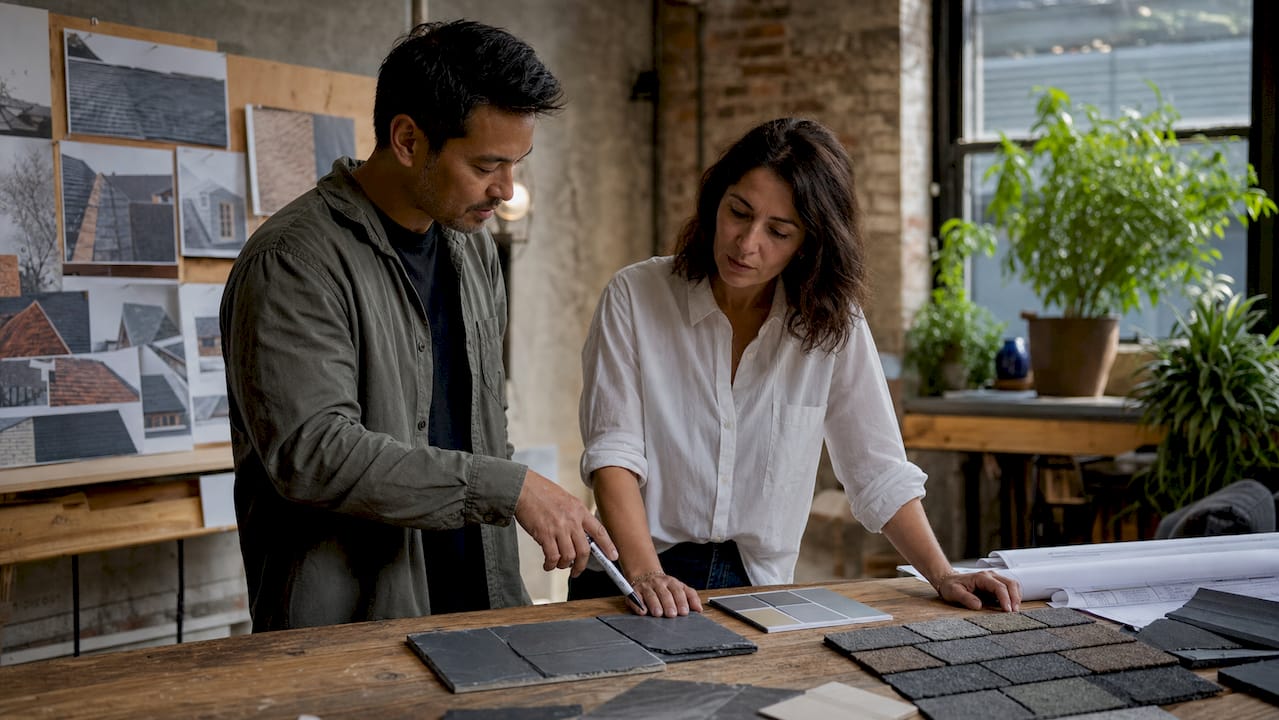
Style matters, especially if your neighborhood has architectural guidelines. Metal shingles and composite shingles exist precisely to deliver the look of slate or cedar without the weight or cost. Check HOA rules before committing to any material.
Environmental sustainability
Metal roofing is often made from recycled content and is fully recyclable at end of life. Clay and slate are natural materials with minimal processing. Asphalt shingles generate significant landfill waste, though recycled-content and recyclable asphalt products are increasingly available. For homeowners focused on energy-efficient roofing, reflective metal and tile options deliver measurable reductions in cooling loads.
Pro Tip: Labor comprises roughly 60% of total replacement costs, so the material you choose is only part of the equation. Get at least three bids from licensed contractors to understand how much labor rates vary in your area before you lock in a decision.
Cost ranges and durability: which materials deliver the best long-term value?
Upfront price and long-term value are two different conversations. A $600-per-square slate roof sounds steep until you calculate cost per year of service.
| Material | Installed Cost per Square (Est.) | Typical Lifespan | Approx. Annual Cost |
|---|---|---|---|
| Three-tab asphalt | — | — | — |
| Architectural asphalt | $310–$500 | 25–30 years | $10–$20 |
| Composite shingles | $500–$800 | — | — |
| Metal shingles | $310–$500 (materials) | 40–70 years | $6–$13 |
| Standing seam metal | $500–$2,500 installed | 40–70 years | — |
| Clay tiles | $900–$2,600 installed | — | — |
| Slate | $800–$3,500 installed | 100+ years | — |
| Concrete tiles | $1,070–$2,750 installed | 40–70 years | — |
Cost-per-year insight: Metal shingles priced at $310–$500 per square can cost as little as $6–$13 per year of service over a 40-year lifespan, making them competitive with entry-level asphalt on a long-term basis.
Geographic location affects every number in that table. Labor rates in Central Florida differ from those in the Northeast or Pacific Northwest. Local building codes often require ice and water shields, updated underlayments, and new drip edges during replacement, adding $400–$1,200 to the total project cost regardless of which material you choose.
Warranty coverage also factors into value. Many metal shingle warranties run for several decades, sometimes outlasting the expected lifespan of an asphalt roof entirely. When comparing bids, ask each contractor to walk you through what the warranty covers and who backs it: the manufacturer, the installer, or both. Smart homeowners treat long-term financial planning as part of every major home investment, and roofing is no exception.
Which roofing materials perform best in hot climates?
Heat is where material choice separates good roofs from great ones. Standard dark asphalt reflects only about 25% of solar energy, meaning the rest converts to heat that drives up cooling costs. Reflective metal roofing with cool-roof coatings can reflect up to 70% of solar energy and reduce cooling costs by 10–25% compared to traditional dark asphalt.
“Cool roofing materials specifically engineered for heat stress last longer and avoid premature failure compared to standard materials that merely tolerate heat conditions.” — Metalcon
Clay and concrete tiles add another layer of benefit through thermal mass and airflow. Their curved profiles create a gap between the tile and the roof deck, allowing hot air to escape rather than accumulate. This passive cooling effect makes them a natural fit for Mediterranean and subtropical climates, including much of Florida.
The distinction between “engineered for heat” and “tolerates heat” is worth taking seriously. A material rated for high temperatures will maintain its structural integrity and reflective properties over decades. One that merely survives heat tends to degrade faster, losing reflectivity and developing cracks that shorten its effective life. For homeowners in Central Florida and similar climates, durable roofing options built for heat stress pay off in both energy savings and reduced replacement frequency.
Metal roofing also qualifies for insurance discounts in many Florida counties due to its wind and hail resistance, which adds another financial incentive beyond energy savings. If you are weighing options for a hot-climate home, reflective metal and clay or concrete tile are the two categories worth the most attention.
Ready to choose the right roof for your home?

Picking the right material is step one. Getting it installed correctly is what actually protects your home. Thomasroofingandrepair serves homeowners across Central Florida, including Brevard, Volusia, and Orange counties, with expert installation, repair, inspection, and storm damage repair. Whether you are leaning toward architectural asphalt, metal, or tile, the team at Thomasroofingandrepair can assess your roof structure, local code requirements, and climate needs to match you with the right solution.
Request a free estimate for roof installation in Palm Bay or professional installation in Horizon West. Financing options are available, and the process starts with a no-pressure conversation about what your home actually needs.
Key Takeaways
Metal roofing and clay or concrete tiles deliver the strongest long-term value in hot climates, while architectural asphalt shingles offer the best balance of cost, wind resistance, and lifespan for most American homeowners.
| Point | Details |
|---|---|
| Labor drives total cost | Labor makes up roughly 60% of replacement costs, so get at least three bids before deciding. |
| Metal roofs last longest | Metal roofing can last 40–70 years and may reduce cooling costs by 10–25% when reflective coatings are used. |
| Slate outlasts everything | Natural slate can last over 100 years but requires specialized installation and structural support. |
| Code upgrades add cost | Local building codes often require ice and water shields during replacement, adding $400–$1,200. |
| Clay tiles suit hot climates | Clay tiles provide thermal mass and natural airflow cooling, ideal for warm, dry climates. |