
Every Central Florida homeowner knows the stress that comes when storms roll in and an aging roof stands between your family and the elements. Protecting your investment requires understanding the difference between sheer strength and true roofing integrity, which involves toughness, durability, and smart system design. This guide clears up common misconceptions and explores the key features, roof types, and local standards that impact how well your roof defends against severe weather. Get clear, actionable solutions to keep your home safe and avoid costly damage.
Table of Contents
- Defining Roofing Integrity And Common Misconceptions
- Types Of Roofs And Their Integrity Factors
- Key Features Of An Integrity-Focused Roof
- Impact Of Local Climate And Building Codes
- Risks, Costs, And Maintenance Responsibilities
Key Takeaways
| Point | Details |
|---|---|
| Understanding Roofing Integrity | Roofing integrity is not only about strong materials but involves comprehensive design considerations to prevent failures. Regular inspections can proactively identify issues before costly repairs are needed. |
| Local Climate Considerations | Central Florida’s unique weather conditions necessitate roofs designed for extreme wind and heavy rainfall, requiring adherence to stringent building codes. Proper design can significantly enhance a roof’s resilience against environmental challenges. |
| Types of Roofs and Their Challenges | Different roof types have unique structural performance characteristics and vulnerabilities that homeowners must understand for effective protection. Selecting the appropriate roof style is crucial to address specific regional challenges. |
| Maintenance for Longevity | Regular maintenance tasks, such as inspections and gutter cleaning, are essential to maintaining roofing integrity and preventing costly repairs. Establishing a maintenance fund can aid in managing unexpected roofing expenses. |
Defining Roofing Integrity and Common Misconceptions
Roofing integrity represents far more than simply having a solid roof overhead. At its core, roofing integrity involves ensuring a home’s protective barrier can consistently withstand environmental challenges while maintaining structural performance. Understanding this concept goes beyond basic assumptions about roof strength.
Structural integrity in roofing encompasses multiple critical elements. A truly robust roof requires comprehensive design considerations that prevent potential failure points. According to established structural integrity standards, this means evaluating not just raw strength, but also toughness, durability, and potential redundancy mechanisms that prevent catastrophic collapse. Central Florida homeowners must recognize that roofing isn’t just about materials, but about intelligent system design that accounts for regional weather challenges.
Common misconceptions about roofing integrity often lead homeowners into dangerous territory. Many people erroneously believe that a roof’s appearance or age alone indicates its protective capabilities. However, roofing standards specify complex testing requirements that evaluate mechanical performance, dimensional accuracy, and comprehensive system functionality. A roof involves intricate components beyond just surface coverings – including underlayment, flashing, ventilation systems, and structural attachments that collectively determine true integrity.
Pro Tip: Schedule professional roof inspections at least twice annually to proactively identify potential integrity issues before they become expensive emergency repairs.
Types of Roofs and Their Integrity Factors
Central Florida homes face unique architectural challenges, with roof design playing a critical role in protecting against intense sunlight, hurricane winds, and frequent rainfall. Residential roof styles vary widely, each presenting distinct structural integrity considerations that homeowners must understand to ensure long-term protection.
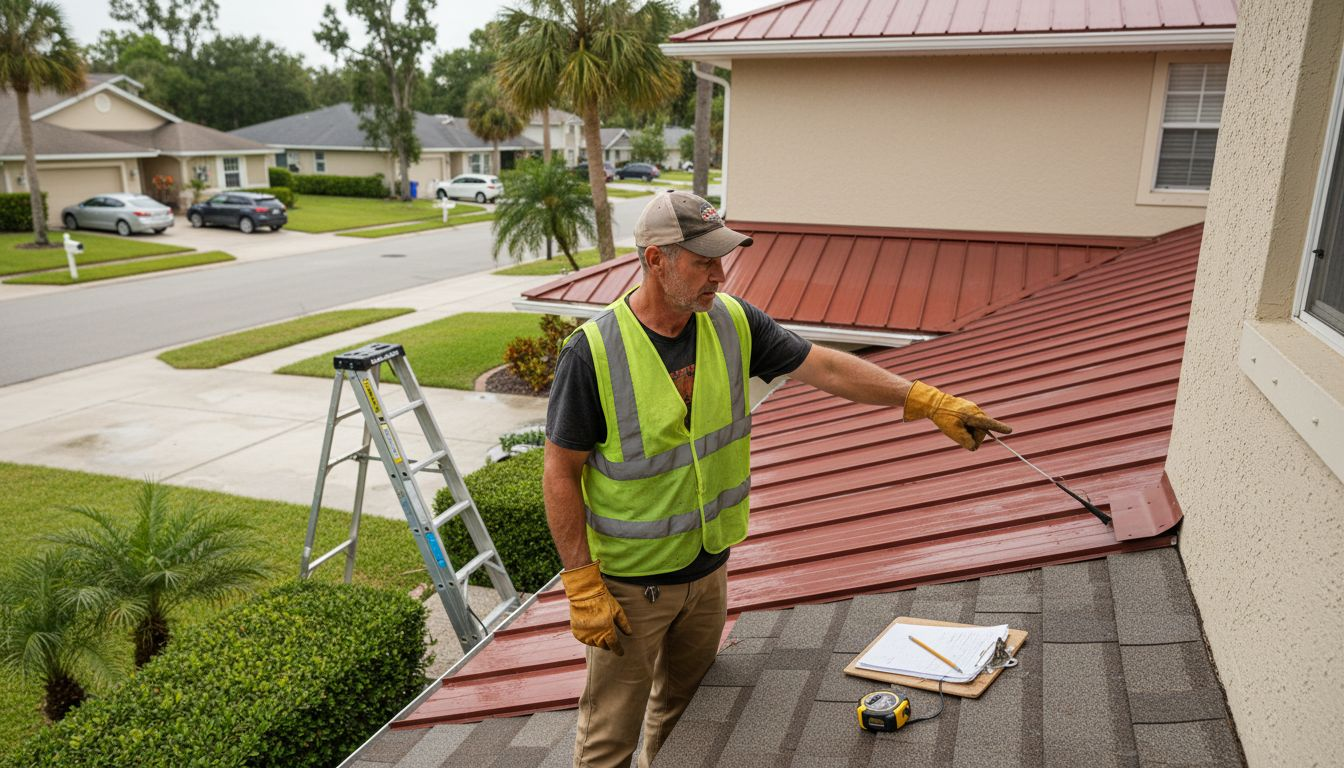
Traditional roof types in the region include gable, hip, and flat configurations, each with specific performance characteristics. Gable roofs, characterized by their triangular shape, offer simple construction but can be vulnerable during high wind events. Hip roofs, which slope down on all four sides, provide superior wind resistance and are often recommended for areas prone to severe weather. Metal, asphalt shingle, and tile roofing materials further influence a roof’s ability to withstand environmental stressors, with each material offering unique durability and performance metrics.
Here’s a summary of common roof types found in Central Florida and their main integrity considerations:
| Roof Type | Main Strength | Primary Vulnerability |
|---|---|---|
| Gable | Simple construction | Wind uplift at ends |
| Hip | Excellent wind resistance | Cost and installation complexity |
| Flat | Efficient drainage system needed | Susceptible to water pooling |
Building codes provide essential guidelines for maintaining roofing integrity. Roof assembly standards mandate specific requirements for drainage, flashing, attachment methods, and structural compliance. These regulations ensure roofs can effectively manage water runoff, prevent potential leaks, and resist wind uplift – critical considerations for Central Florida’s challenging climate. Proper installation and adherence to these standards directly impact a roof’s long-term performance and ability to protect a home’s structural integrity.
Pro Tip: Consult a professional roofing inspector who understands local building codes and can assess your specific roof type’s unique integrity challenges.
Key Features of an Integrity-Focused Roof
Central Florida’s challenging weather demands a comprehensive approach to roofing that goes beyond traditional construction methods. Fortified roof standards represent a critical evolution in protecting homes against extreme environmental conditions, offering homeowners advanced protective strategies that significantly enhance structural resilience.
Key integrity features for roofing in this region include advanced attachment techniques and strategic material selection. Stronger roof edges with fully adhered starter strips, sealed roof decks, and superior attachment methods using ring-shank nails provide critical defense against wind uplift and potential water intrusion. Different roofing materials must undergo rigorous testing for wind and hail resistance, ensuring they can withstand the intense meteorological challenges unique to Central Florida’s climate.
Building code requirements mandate specific design elements that transform a basic roof into a robust protective system. These standards emphasize secure fastening of roof coverings, comprehensive flashing to prevent water penetration, and integrated drainage systems including secondary emergency overflow mechanisms. Proper implementation of these features transforms a roof from a simple shelter into a sophisticated defense mechanism against environmental stressors.
Pro Tip: Invest in a professional roof assessment that specifically evaluates your home’s unique structural characteristics and potential vulnerability to local weather patterns.
Impact of Local Climate and Building Codes
Central Florida’s unique environmental conditions demand an intricate approach to roofing that goes far beyond standard construction practices. Building code requirements serve as critical guardians, establishing precise specifications that account for the region’s extreme weather challenges, including hurricane-force winds, intense solar radiation, and frequent thunderstorms.
The local building codes meticulously outline performance standards that address multiple environmental stressors. These regulations specify detailed requirements for roof drainage systems, wind resistance capabilities, and structural integrity parameters tailored specifically to Central Florida’s challenging climate. Roofing materials must demonstrate exceptional durability, with testing protocols that evaluate performance under rapid temperature changes, high humidity, and potential severe weather events. Contractors must comply with these stringent guidelines, ensuring that each roofing system can withstand the region’s unpredictable meteorological conditions.
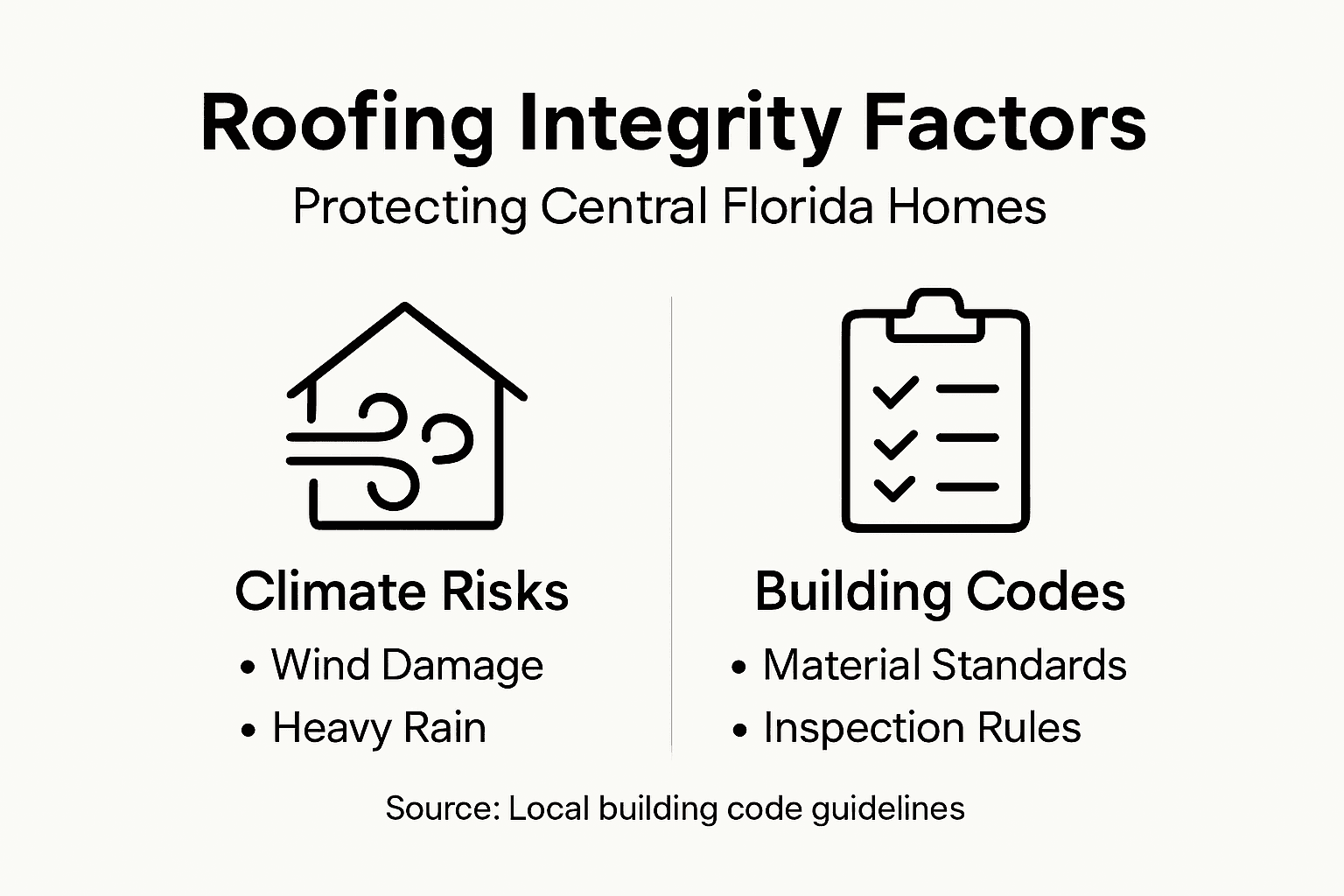
Understanding the interplay between local climate and building codes reveals a complex landscape of protective strategies. Roof designs must incorporate advanced features like enhanced wind uplift resistance, secondary water barriers, and strategic ventilation systems that mitigate heat buildup and moisture retention. These requirements reflect a comprehensive approach to protecting homes, transforming roofing from a simple overhead cover to a sophisticated defensive system engineered to preserve structural integrity against Central Florida’s most demanding environmental challenges.
Pro Tip: Request a detailed code compliance assessment from your roofing professional to understand how your specific home meets local building standards.
Risks, Costs, and Maintenance Responsibilities
Roofing in Central Florida presents a complex landscape of financial and structural challenges that require strategic planning and proactive management. Roofing industry statistics reveal that homeowners face substantial risks from environmental factors, with potential damage from severe weather events potentially costing thousands of dollars in repairs or complete replacement.
The financial implications of roof maintenance are significant and multifaceted. Average roof replacement costs in the United States hover around $9,117, with variations depending on material selection, roof complexity, and regional labor rates. Central Florida homeowners must factor in additional expenses related to hurricane preparedness, UV damage mitigation, and frequent maintenance requirements unique to the subtropical climate. Critical maintenance responsibilities include routine inspections, prompt repair of minor damages, comprehensive gutter cleaning, and ensuring compliance with local building codes and insurance requirements.
This table highlights critical maintenance actions and their impact on roofing integrity:
| Maintenance Task | Key Benefit | Risk if Ignored |
|---|---|---|
| Semiannual Inspection | Detects minor issues early | Costly emergency repairs |
| Gutter Cleaning | Prevents water accumulation | Leaks and structural damage |
| Prompt Damage Repair | Maintains overall structural integrity | Escalating repair expenses |
Understanding the intricate balance between preventative maintenance and potential replacement is crucial for responsible homeownership. Risks range from structural degradation caused by prolonged exposure to intense sunlight and humidity to catastrophic damage during hurricane seasons. These potential challenges underscore the importance of investing in high-quality roofing materials, professional installation, and consistent maintenance practices that can significantly extend a roof’s functional lifespan and protect the home’s overall structural integrity.
Pro Tip: Create a dedicated maintenance fund that allocates at least 1% of your home’s value annually for potential roofing repairs and unexpected structural challenges.
Protect Your Central Florida Home with Trusted Roofing Experts
Maintaining roofing integrity in Central Florida is a serious challenge requiring precise installation, proactive inspections, and expert repairs to withstand hurricane winds, intense sunlight, and heavy rainfall. If you worry about wind uplift, water damage, or aging materials compromising your roof’s protection, you are not alone. Thomas Roofing and Repair understands these unique climate risks and delivers tailored solutions that prioritize durability, compliance with local building codes, and advanced attachment methods mentioned in this article.
Whether you need a thorough roof inspection to identify hidden vulnerabilities or professional roof replacement to meet the highest standards of structural integrity, our team is here to help. We specialize in residential and commercial roofing across Brevard, Volusia, and Orange counties, emphasizing dependable craftsmanship and storm preparedness. Don’t wait until minor issues turn into costly repairs. Start protecting your home today with a trusted partner who values roofing integrity as much as you do.

Ready to secure your home against Central Florida’s toughest weather? Visit Thomas Roofing and Repair for a free estimate and expert advice. Learn more about our services or schedule your roof inspection now to keep your investment safe and compliant. Discover how our professional installation, repair, and storm damage services provide the peace of mind every homeowner deserves.
Frequently Asked Questions
What is roofing integrity?
Roofing integrity refers to the ability of a roof to provide consistent protection against environmental challenges while maintaining structural performance. It involves comprehensive design, material quality, and installation techniques that prevent failure points.
How often should I schedule a roof inspection?
It is recommended to schedule professional roof inspections at least twice a year to proactively identify any potential integrity issues before they escalate into costly repairs.
What are the common types of roofs in Central Florida and their vulnerabilities?
Common roof types include gable, hip, and flat roofs. Gable roofs are simple but can be vulnerable to wind uplift; hip roofs offer better wind resistance, while flat roofs may be susceptible to water pooling, requiring efficient drainage systems.
How do local building codes impact roofing integrity?
Local building codes establish specific requirements for drainage, wind resistance, and structural compliance tailored to the region’s weather challenges. Adhering to these codes ensures that roofs can effectively manage potential environmental stressors and maintain their integrity.