
Financing a roof repair or replacement in Central Florida can feel overwhelming, especially after unexpected storm damage or when dealing with an aging roof. Many homeowners struggle to navigate the maze of grants, loans, and payment plans available to them. Understanding your financing options is essential to making a smart decision that protects your home without breaking your budget. This guide walks you through the most practical financing solutions tailored specifically for Central Florida residents, helping you compare costs, eligibility requirements, and benefits so you can move forward with confidence.
Table of Contents
- Key takeaways
- How to evaluate roofing financing options
- List of roofing financing options available to Central Florida homeowners
- Comparing roofing financing features: costs, eligibility, and benefits
- Choosing the right roofing financing option for your situation
- Explore professional roofing services and financing assistance in Central Florida
- Frequently asked questions
Key Takeaways
| Point | Details |
|---|---|
| Financing options variety | Grants, loans, and payment plans provide multiple ways to fund roof repairs or replacement. |
| My Safe Florida Home Grant | The program offers matching grants up to $10,000 for roof hardening, with income and property value criteria. |
| Compare rates and terms | Compare interest rates, repayment terms, and eligibility to avoid paying more in total. |
| Obtain a detailed estimate | Request a detailed estimate from your roofing contractor before financing to borrow only what you need. |
| Act quickly after storm | Acting quickly after storm damage can lower repair costs and improve financing eligibility. |
How to evaluate roofing financing options
Before committing to any financing method, you need a clear framework for comparison. Start by examining interest rates and repayment terms. A low rate with a long repayment period might look attractive, but you could pay more in total interest. Shorter terms mean higher monthly payments but less interest overall. Check eligibility requirements carefully. Some programs require specific credit scores, income levels, or home values.
Local grant programs deserve special attention. The My Safe Florida Home Program offers substantial support for homeowners willing to invest in roof hardening. Emergency financing differs from planned replacement funding. After a hurricane, you might qualify for disaster relief loans with favorable terms that aren’t available during routine maintenance. Professional roofing companies can guide you through these options, often partnering with lenders who understand the local market.
Consider how financing interacts with insurance claims. If you’re filing for storm damage, some financing options work better alongside insurance payouts than others. Grant programs may require you to exhaust insurance benefits first. Credit impact matters too. Hard credit inquiries can temporarily lower your score, so apply strategically rather than scattering applications across multiple lenders.
Pro Tip: Request a detailed estimate from your roofing contractor before exploring financing. Knowing your exact project cost helps you avoid borrowing more than necessary and makes it easier to compare loan amounts across different programs.
List of roofing financing options available to Central Florida homeowners
Central Florida homeowners have access to several distinct financing paths. The My Safe Florida Home Program offers free wind mitigation inspections and matching grants up to $10,000 for roof hardening projects. This state initiative helps residents strengthen their homes against hurricane damage. You’ll need to meet income and property value requirements, and most homeowners must contribute matching funds.
Home improvement loans come in several forms. FHA 203(k) loans let you finance both the home purchase and renovation costs in a single mortgage, ideal if you’re buying a property that needs immediate roof work. Personal loans offer quick access to funds without using your home as collateral, though interest rates run higher for borrowers with average credit. Home equity lines of credit (HELOC) tap into your existing home equity, providing flexible borrowing with typically lower rates than personal loans.
Credit cards and manufacturer financing provide immediate solutions. Some roofing material manufacturers partner with contractors to offer promotional financing, sometimes with zero interest for 12 to 24 months if you pay off the balance in time. Credit cards work for smaller repairs but carry high interest rates if you can’t pay quickly. Understanding the role of roof financing helps you match the right tool to your situation.
Government disaster relief loans become available after federally declared emergencies. The Small Business Administration offers low interest disaster loans to homeowners in affected areas. These loans can cover uninsured losses and require proof that you cannot obtain credit elsewhere. Eligibility depends on the specific disaster declaration and damage assessment.
Contractor payment plans represent another option. Many roofing companies offer in-house financing or work with third-party lenders to create customized payment schedules. These arrangements might not require perfect credit and can be tailored to your cash flow. Always read the fine print to understand the true cost.
Comparing roofing financing features: costs, eligibility, and benefits
Each financing method carries distinct advantages and limitations. Grants like those from the My Safe Florida Home Program deliver non-repayable funds, making them the most cost effective option when you qualify. However, matching grants require a 2:1 funding match and a $15,000 roofing spend except for qualifying low-income homes. You must complete approved wind mitigation improvements and work with certified contractors.
| Financing Type | Typical Interest Rate | Repayment Term | Eligibility Requirements | Key Benefit | Main Drawback |
|---|---|---|---|---|---|
| My Safe Florida Home Grant | 0% (grant) | N/A | Income limits, property value caps, matching funds | Up to $10,000 free money | Application process, project restrictions |
| FHA 203(k) Loan | 3.5% to 7% | 15 to 30 years | Credit score 580+, debt-to-income ratio | Combines purchase and renovation | Complex process, property must qualify |
| Personal Loan | 6% to 36% | 2 to 7 years | Credit score varies by lender | No collateral required | Higher rates for fair credit |
| HELOC | 4% to 10% | 10 to 20 years | Sufficient home equity, good credit | Lower rates, flexible borrowing | Home is collateral |
| Credit Card | 15% to 25% | Revolving | Credit approval | Immediate access | Very high interest if carried |
| Disaster Relief Loan | 2% to 4% | Up to 30 years | Federal disaster declaration, uninsured loss | Low rates, large amounts | Only after specific disasters |
Loans provide flexibility for larger projects but require repayment with interest. Personal loans fund projects quickly without risking your home, but rates climb steeply if your credit score falls below 700. HELOCs offer the lowest rates among loan options because your home secures the debt. You can draw funds as needed rather than taking a lump sum, useful for phased roofing projects.
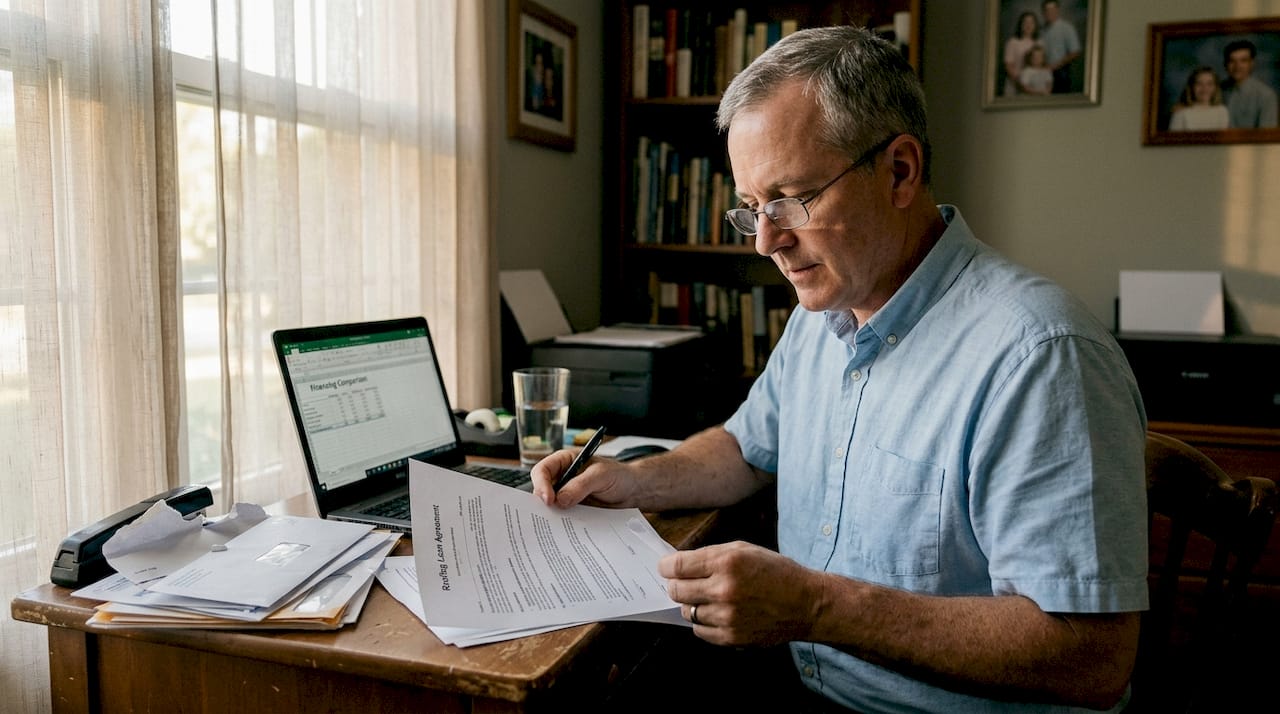
Credit cards shine for small repairs under $5,000 when you can pay off the balance within a promotional period. Miss that window and you’ll face retroactive interest charges on the entire original balance. Emergency disaster loans provide substantial funding at favorable rates but only open after specific storm events and require extensive documentation.
Pro Tip: Calculate the total cost of each financing option, not just monthly payments. A $15,000 roof financed at 8% over five years costs $3,300 in interest, while the same amount at 18% costs $7,600. Comparing roof financing options side by side reveals the true expense.
Choosing the right roofing financing option for your situation
Your specific circumstances should drive your financing choice. Assess urgency first. Emergency repairs after storm damage demand rapid funding, making personal loans or credit cards more practical than grant programs with lengthy application periods. Planned replacements for aging roofs give you time to apply for grants or shop for the best loan terms.
Evaluate your creditworthiness honestly. Pull your credit report and score before applying. Scores above 740 qualify for the best rates on loans and HELOCs. Scores between 640 and 740 still access most financing but at higher costs. Below 640, you might need to focus on grant programs, contractor payment plans, or work on improving your credit before financing major roofing work.
Balance total financing cost against monthly payment capacity. A 30-year HELOC keeps payments low but extends your debt for decades. A five-year personal loan costs more monthly but frees you from debt faster. Run the numbers based on your actual budget, not what a lender says you can afford.
Consult certified roofing contractors early in your decision process. Experienced professionals understand which financing options work best for different project types and can connect you with preferred lenders. They also help you navigate insurance claims and grant applications, potentially uncovering funding sources you didn’t know existed. Storm damage repair guidance often includes financing recommendations tailored to emergency situations.
Follow these steps to select and apply for financing:
- Schedule a professional roof inspection to document damage and determine the scope of work needed.
- Obtain detailed estimates from at least three licensed roofing contractors, including material specifications and labor costs.
- Research grant eligibility and apply to programs like My Safe Florida Home if you qualify.
- Request loan quotes from multiple lenders, comparing interest rates, terms, fees, and prepayment penalties.
- Review your insurance policy and file claims for covered damage before finalizing financing.
- Select the financing option that minimizes total cost while fitting your monthly budget and timeline.
- Secure funding approval before signing a roofing contract to avoid delays or payment issues.
Explore professional roofing services and financing assistance in Central Florida
Navigating roofing financing becomes simpler when you work with experienced local professionals who understand Central Florida’s unique challenges. Thomas Roofing and Repair serves homeowners throughout Brevard, Volusia, and Orange counties with comprehensive roofing solutions designed for the region’s weather patterns. Whether you need roof installation in Horizon West or emergency repairs after a hurricane, their team guides you through both the technical and financial aspects of your project.

Their expertise extends beyond installation and repair to helping homeowners identify the most practical financing options for their situations. From connecting you with lender partners to assisting with grant applications, they streamline the process so you can focus on protecting your home. The company’s experience with storm damage repairs means they understand the urgency of post-hurricane work and can expedite both repairs and financing arrangements. Partnering with a certified local roofer ensures quality workmanship backed by warranties while accessing financing options that make your project affordable.
Frequently asked questions
What is the My Safe Florida Home Program and how can it help with roofing costs?
The My Safe Florida Home Program provides free inspections and matching grants up to $10,000 for eligible homeowners who want to strengthen their roofs against hurricane damage. You’ll need to meet income and property value requirements, contribute matching funds for most projects, and work with approved contractors. The program focuses on wind mitigation improvements that reduce insurance premiums while protecting your home. Low-income homeowners may qualify for grants without matching requirements, making this an excellent option if you meet the criteria. Check the program’s website for current eligibility standards and application procedures, and consider how this funding might work alongside roofing guarantees offered by your contractor.
How can I finance emergency roof repairs after a storm in Central Florida?
Emergency repairs demand fast funding, so focus on options with quick approval processes. Personal loans can fund within 24 to 48 hours if you have decent credit, while credit cards provide immediate access for smaller repairs. Many roofing contractors offer payment plans specifically designed for storm damage, sometimes with deferred payment periods while you work through insurance claims. If a federal disaster declaration covers your area, apply for SBA disaster relief loans that offer low rates and substantial funding. Acting quickly reduces secondary damage that inflates repair costs, and prompt action often improves your financing terms by demonstrating responsible homeownership. Review the emergency roof repair workflow to understand how financing fits into the broader recovery process.
What factors should I consider when choosing a roofing loan or financing option?
Prioritize interest rates and repayment terms since these determine your total cost. A loan at 6% over five years costs far less than one at 18% over the same period. Evaluate upfront costs like origination fees, appraisal charges, or application expenses that add to your out-of-pocket spending. Check eligibility requirements against your credit score, income, and home equity to avoid wasting time on applications you won’t qualify for. Monthly affordability matters more than total loan amount since you need to comfortably make payments without straining your budget. Match the financing type to your roofing needs. Emergency repairs might justify higher-cost quick funding, while planned replacements benefit from patient shopping for the best terms. Detailed guidance on roof financing helps you weigh these factors systematically.
Are there financing options available specifically for low-income Central Florida homeowners?
Yes, the My Safe Florida Home Program waives matching fund requirements for qualifying low-income homeowners, providing up to $10,000 grants with no matching required for approved wind mitigation and roof hardening projects. Eligibility depends on household income relative to area median income and property value limits. Some nonprofit organizations and local government programs also offer assistance for essential home repairs, though availability varies by county. Community development financial institutions sometimes provide loans with more flexible credit requirements and lower rates than traditional lenders. Contact your county housing authority or community development office to learn about programs serving your area. These specialized options recognize that roof repairs are essential for home safety and property value, making them accessible even when conventional financing proves difficult.