
 407-408-0577

Storms can leave your roof battered overnight, turning comfort into urgent concern for families across Brevard, Volusia, and Orange counties in Central Florida. When winds tear shingles away or hail creates punctures, waiting is not an option because water intrusion can cause expensive interior damage almost immediately. Emergency roof repair is about protecting your home quickly and effectively, helping you avoid further risks and costly repairs by acting fast with proven solutions.
Table of Contents
- Defining Emergency Roof Repair And Common Misconceptions
- Types Of Urgent Roof Damage In Central Florida
- The Emergency Roof Repair Process Explained
- Safety Precautions And Legal Guidelines For Homeowners
- Costs, Insurance, And Mistakes To Avoid
Key Takeaways
| Point | Details |
|---|---|
| Emergency repairs should not be delayed. | Water damage can escalate quickly; call professionals immediately after a storm to prevent costly repairs. |
| DIY emergency repairs are risky. | Attempting to fix roof damage without professional help can lead to further complications and safety hazards. |
| Document damage promptly. | Take photos and videos immediately after damage occurs to support insurance claims and prevent denial. |
| Understand your insurance coverage. | Different policies have varying coverage; ensure you know your deductible and whether you have replacement cost or actual cash value protection. |
Defining Emergency Roof Repair and Common Misconceptions
Emergency roof repair means getting your roof fixed fast when a storm, leak, or structural damage threatens your home. In Central Florida, where hurricane season brings serious weather annually, this isn’t just about fixing shingles. It’s about stopping water intrusion, preventing interior damage, and keeping your family safe. The work happens quickly and often under challenging conditions, which is why understanding what qualifies as an emergency matters.
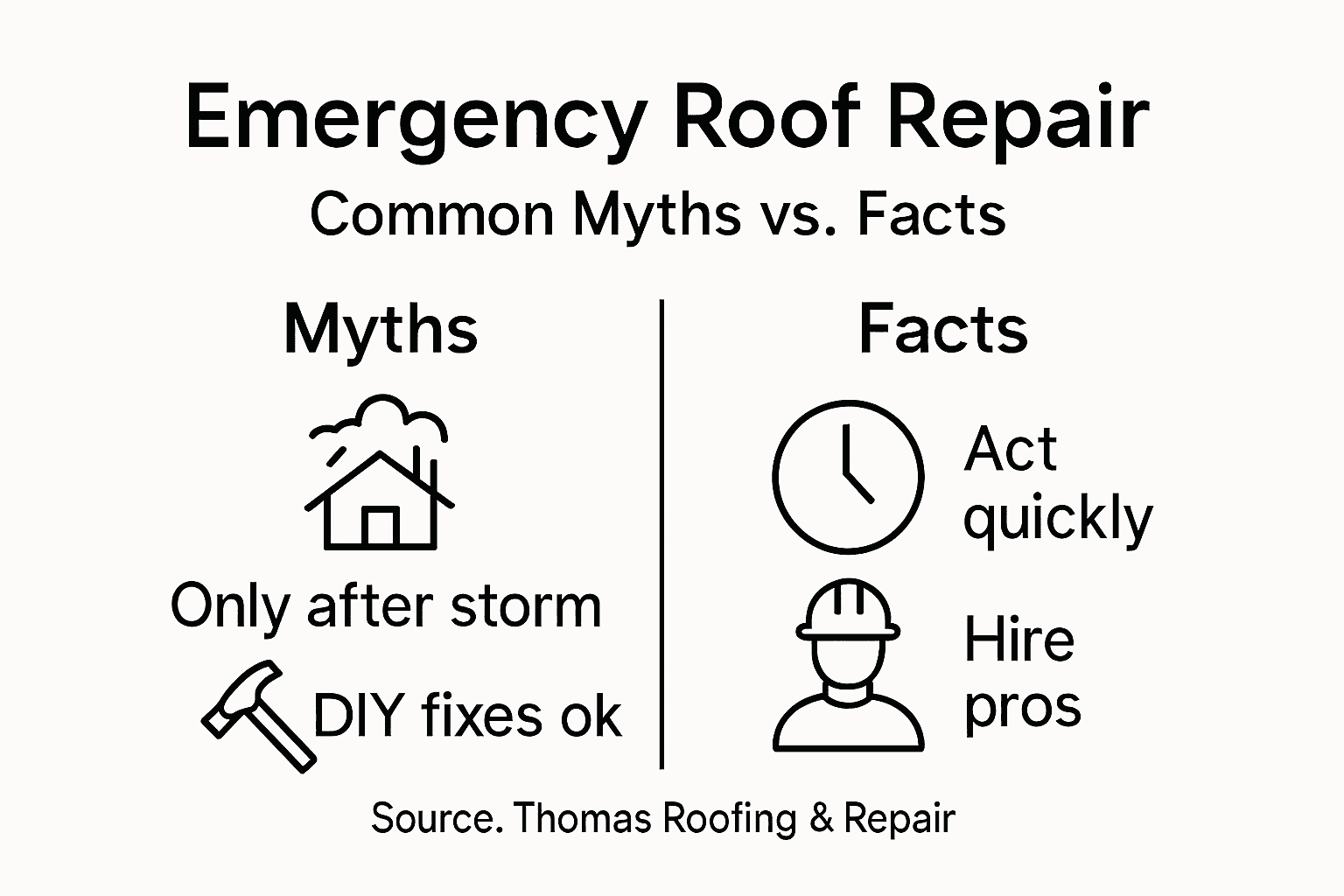
Many homeowners think emergency repairs only happen after visible catastrophic failure. That’s not how it works in reality. A roof missing shingles from a passing storm, a punctured vent, or storm damage that creates interior leaks all qualify as emergencies. The key difference is that emergency repairs prevent cascading damage. Water inside your home spreads fast, damaging insulation, drywall, electrical systems, and structural framing within days.
A common misconception is that you can safely DIY emergency repairs or wait days for a contractor. In Brevard, Volusia, and Orange counties, hundreds of homeowners delay calling professionals after storms, thinking they’re saving money. What actually happens is the damage spreads exponentially. Water damage compounds, mold begins growing within 24 to 48 hours, and what started as a $2,000 repair becomes a $15,000 restoration project.
Another misunderstanding involves fall protection standards during emergency repairs. People assume emergency situations exempt workers from safety protocols, but that’s incorrect. Roof conditions after storms are often unstable with debris, soft spots, and compromised surfaces. Professional contractors follow strict safety procedures because the urgency doesn’t eliminate the hazards.
Some homeowners also believe that emergency repairs are temporary patches, not lasting solutions. Quality emergency repairs stabilize your roof immediately and often serve as permanent fixes when done properly. The difference comes down to choosing experienced contractors who address root causes rather than just covering holes.
Pro tip: Document all visible damage with photos and video immediately after a storm, then contact your insurance company and a local contractor within 24 hours to prevent denial of claims and avoid secondary damage expansion.
Types of Urgent Roof Damage in Central Florida
Central Florida’s weather creates specific roof damage patterns that demand fast attention. Hurricanes, tropical storms, and sudden severe weather hit Brevard, Volusia, and Orange counties regularly, leaving homeowners with damage that can’t wait. Understanding what types of damage qualify as urgent helps you know when to call immediately versus scheduling routine maintenance.
Wind damage tops the list of emergency roof problems in our region. Severe winds from tropical storms tear shingles away, lift roof sections, and drive debris through your roof surface. When shingles go missing, your roof’s underlayment sits exposed to rain. This isn’t cosmetic damage. Water gets inside within hours, soaking your attic insulation and framing. One strong storm can strip an entire section of your roof.
Punctured and lifted roofing membranes create similar urgency. Storm debris, fallen branches, or simply the force of high winds can puncture flat or low-slope roofs common in commercial properties. A single puncture allows water to pool underneath and eventually leak into your building. Lifted sections where the roof edge peels up expose the entire structure to water intrusion.
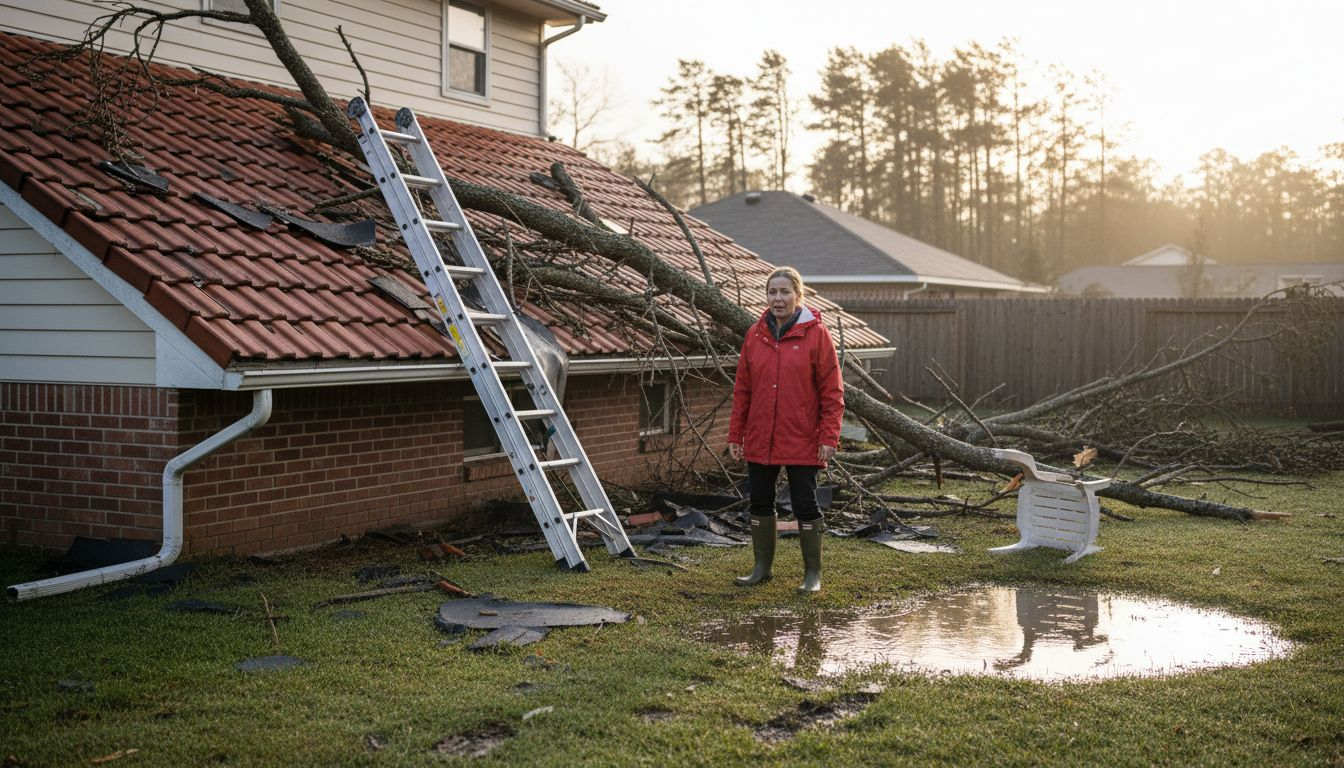
Hail damage presents another urgent scenario many Central Florida homeowners face. Hail creates punctures and bruises on asphalt shingles, compromising their protective layer. While small dents might not seem serious, they expose the underlying material. Once that granule coating is gone, water penetration accelerates. What looks minor today becomes a leak next week.
Flashing failures and vent damage also demand immediate repair. Your roof has multiple penetration points where chimneys, vents, and skylights meet the shingles. These areas use flashing to seal gaps. Storm damage can bend or separate flashing, creating direct pathways for water inside. A damaged vent boot leaks steadily, especially during Florida’s heavy rain months.
Here’s a comparison of urgent roof damage types and their potential risks in Central Florida:
| Damage Type | Typical Cause | Immediate Risk | Long-Term Consequence |
|---|---|---|---|
| Wind Damage | Hurricanes, storms | Exposed underlayment leaks | Structural rot, insulation loss |
| Punctures/Membrane | Storm debris, branches | Direct water intrusion | Mold, ceiling collapse |
| Hail Damage | Severe hailstorms | Compromised shingle layer | Early shingle failure |
| Flashing/Vent Damage | Bent flashing, broken vents | Water enters through gaps | Electrical hazards, mold growth |
Pro tip: After any storm, inspect your roof from the ground using binoculars to spot missing shingles, visible gaps, or lifted edges, then contact a contractor before rain arrives to prevent interior water damage.
The Emergency Roof Repair Process Explained
When a storm damages your roof, the repair process happens in distinct stages. Each step matters because rushing through or skipping phases can result in incomplete repairs, safety hazards, or damage that spreads inside your home. Understanding what contractors do helps you know what to expect and why the work takes the time it does.
The process starts with a hazard assessment and safety evaluation. Before anyone climbs onto your roof, professionals must determine if the structure is stable enough to work on. Debris, soft spots, and compromised sections create serious dangers. Hazard assessment and planning ensure worker safety while also revealing the full extent of damage. This isn’t a quick glance. Contractors inspect the underlayment, framing, and attic to catch hidden damage water has already started.
Next comes temporary stabilization. This might mean tarping damaged sections to stop water intrusion or removing hanging debris that could fall. Temporary measures buy you time while waiting for permanent repairs, especially if weather forecasts show more rain coming. The goal is preventing secondary damage while you arrange permanent solutions.
The repair or replacement phase follows once conditions allow. Damaged shingles get removed and replaced, flashing gets sealed or replaced, and underlayment gets patched or reinstalled. The specific work depends entirely on damage severity. Minor wind damage might need shingle replacement. Structural damage requires more extensive work including decking replacement and potential framing repairs.
Throughout the process, contractors follow building codes and use quality materials. Storm repairs in Florida must meet current code requirements, not just restore what was there before. This protects your home’s long-term durability and ensures insurance compliance for future claims.
Pro tip: Have a contractor perform a detailed written inspection within 48 hours of storm damage, documenting everything with photos, so your insurance company can assess the claim accurately and authorize full repairs without delays.
Safety Precautions and Legal Guidelines for Homeowners
During emergency roof repairs, safety isn’t optional. Both homeowners and contractors have legal responsibilities to follow specific guidelines. Understanding these requirements protects your family, your workers, and your legal standing if something goes wrong.
The first rule is simple: don’t attempt roof repairs yourself. Roofing is dangerous work. Falls from height account for serious injuries and deaths annually. Even experienced homeowners lack the proper equipment, training, and fall protection systems that professional contractors use. Fall protection and hazard recognition are legal requirements under occupational safety standards. If you hire someone to repair your roof, they must follow these standards or you could face liability issues if they’re injured.
When hiring contractors, verify they carry proper insurance and workers compensation coverage. This protects you legally. If a worker gets hurt on your property without insurance, you could be responsible for medical bills and lost wages. Ask for proof of insurance before work begins. Licensed contractors in Florida carry these protections as a matter of business operation.
For homes built before 1978, additional legal guidelines apply. Lead hazard prevention requires specific work practices when disturbing old paint or materials. Contractors must follow EPA guidelines to prevent lead exposure to your family. This isn’t just a safety issue, it’s a federal legal requirement. Violating lead safety standards can result in significant fines.
Document everything about your repair. Keep photos, contractor estimates, work orders, and invoices. Your insurance company will need these records. If disputes arise later about work quality or completeness, documentation protects you legally.
Do not pressure contractors to skip safety steps or rush work. Cutting corners creates liability. If someone gets hurt because safety was ignored, you could face legal consequences even though you hired professionals.
Pro tip: Request proof of current licensing, insurance, and workers compensation from any contractor before they start work, and get all repair terms in writing to establish clear expectations and legal protection.
Costs, Insurance, and Mistakes to Avoid
Emergency roof repairs cost money, and understanding your coverage prevents financial surprises. In Central Florida, repair costs range from $1,500 for minor shingle replacement to $25,000 or more for structural damage. Knowing what your insurance covers and what mistakes to avoid makes the difference between manageable expenses and devastating bills.
Your homeowners insurance policy determines what gets covered. Most policies cover storm damage to your roof, but they exclude wear and tear, lack of maintenance, or pre-existing damage. The critical detail is your deductible. If your policy has a $1,000 deductible and repairs cost $8,000, you pay the first $1,000 and insurance covers the rest. Some policies use percentage deductibles for wind or hail damage, meaning you pay a percentage of your home’s value rather than a flat amount.
Understanding the difference between replacement cost value and actual cash value matters significantly. Replacement cost coverage pays what it actually costs to repair or replace your roof today. Actual cash value subtracts depreciation, meaning older roofs get paid less even if repairs are identical. Replacement cost is better but costs more upfront. Check your policy language to know which you have.
To help you understand insurance terms for roof repairs, here’s a summary table:
| Insurance Term | What It Means | Impact on Your Coverage |
|---|---|---|
| Deductible | Amount you pay before insurance | Determines out-of-pocket cost |
| Replacement Cost Value | Pays current repair/replacement | Maximizes payout for new materials |
| Actual Cash Value | Pays depreciated roof value | Lower payout for older roofs |
The biggest mistake homeowners make is not documenting damage immediately. Take photos and video of all visible damage before any cleanup or temporary repairs. Insurance coverage requires proper documentation before repairs begin. Without photos, insurance adjusters can’t verify the extent of damage. Your claim gets denied or reduced even though damage was real.
Another costly mistake is starting repairs before getting insurance approval. If you begin work without an adjuster inspecting the damage, your claim may be denied. Insurance needs to verify damage occurred and assess what’s covered before contractors start.
Wait times matter too. Don’t delay calling your insurance company. Storm seasons in Florida create adjustment backlogs. The faster you report damage, the faster your claim gets processed. Waiting weeks means water damage spreads, creating additional problems.
Pro tip: File your insurance claim within 24 to 48 hours of discovering damage, submit all photos and documentation simultaneously, and wait for the adjuster’s approval before signing any contractor agreements to ensure full coverage and avoid claim denials.
Fast Emergency Roof Repair You Can Trust in Central Florida
When your roof faces sudden damage from storms, wind, or hail in Brevard, Volusia, or Orange counties, quick action is not just important it is critical to protect your home and family. The challenges of exposed underlayment, punctures, or damaged flashing require expert repair to stop water intrusion before costly interior damage and mold can develop. At Thomas Roofing and Repair, we understand the urgency and complexity of emergency roof repair and are ready to respond with dependable service and high-quality craftsmanship.

Don’t let delays turn a small repair into an expensive restoration. Contact us today at Thomas Roofing and Repair for a professional roof inspection and fast emergency repair. Our team follows all safety standards and legal guidelines to ensure lasting solutions that protect your investment. Act now to schedule your free estimate and safeguard your home before water damage worsens.
Frequently Asked Questions
What qualifies as an emergency roof repair?
An emergency roof repair is needed when there is storm damage, a leak, or structural issues that threaten your home. This includes missing shingles, punctured vents, or any situation exhibiting water intrusion.
Why is fast action important for roof repairs?
Fast action is crucial because delays can lead to more severe damage, such as moisture buildup, mold growth, and increased repair costs. Water can quickly spread and compromise the integrity of your home.
Can I perform emergency roof repairs myself?
It’s not recommended to DIY emergency roof repairs. Roofing work is dangerous, and without proper training and safety equipment, you could risk injury and worsening the damage.
How can I ensure that my emergency repairs are done correctly and safely?
To ensure correct and safe repairs, hire experienced contractors who follow safety protocols. Verify they have proper insurance and provide a detailed written inspection to document the damage before work begins.
Recommended
- Emergency Roof Repair Workflow for Fast Storm Solutions
- Reliable Roof Repair in Edgewater, Florida | Thomas Roofing and Repair
- Roof Repair in Central Florida | Thomas Roofing & Repair
- Reliable Roof Repair in Horizon West, FL | Thomas Roofing and Repair
- Roofing Company Orlando FL
- Roofing Company Titusville FL
- Roofing Company DeLand FL