
After a storm sweeps through Central Florida, homeowners are often left facing difficult decisions about their aging roofs and how best to protect their property from future damage. When insurance claims and local building codes come into play, understanding the real meaning of roof replacement—not just adding another layer—matters more than ever. This guide breaks down common myths, explains essential steps, and highlights reliable solutions with financing options to help you choose a roof replacement strategy that protects your home and your investment.
Table of Contents
- Defining Roof Replacement And Common Myths
- Key Roof Replacement Types In Florida
- Essential Steps In The Replacement Process
- How Storm Damage Affects Roof Decisions
- Costs, Financing, And Choosing The Right Pro
Key Takeaways
| Point | Details |
|---|---|
| Roof Replacement Process | Roof replacement involves inspection, damage assessment, and strategic material removal, ensuring structural integrity. |
| Florida-Specific Roofing | In Florida, roofing types must withstand extreme weather, with metal roofing offering superior durability and wind resistance. |
| Storm Damage Considerations | Post-storm assessments require thorough evaluations for hidden damage, ensuring proper repair or replacement strategies are applied. |
| Cost Management and Financing | Homeowners should explore various financing options and prioritize licensed professionals for effective cost management and quality installation. |
Defining Roof Replacement and Common Myths
Roof replacement represents a critical home maintenance procedure that goes far beyond simply swapping out old shingles. Building codes define roof replacement as a comprehensive process involving removing existing roof coverings, repairing substrate damage, and installing new protective layers.
Understanding roof replacement requires dispelling several common misconceptions. Many homeowners mistakenly believe that:
- Roof replacement always means total removal of existing materials
- Any damage requires complete roof reconstruction
- All roofing layers can be added indefinitely
- Recovering a roof is equivalent to full replacement
In reality, roof replacement involves strategic assessment and targeted intervention. Local building regulations often restrict the number of roofing layers that can be legally installed, which means homeowners cannot simply add new materials without professional evaluation.
The process typically involves three critical stages:
- Comprehensive roof inspection
- Substrate damage assessment
- Strategic material removal and replacement
Professional roof replacement ensures structural integrity, weather protection, and long-term home safety.
Wind resistance and fire protection represent key considerations during replacement, with modern building standards mandating specific performance criteria for roofing systems.
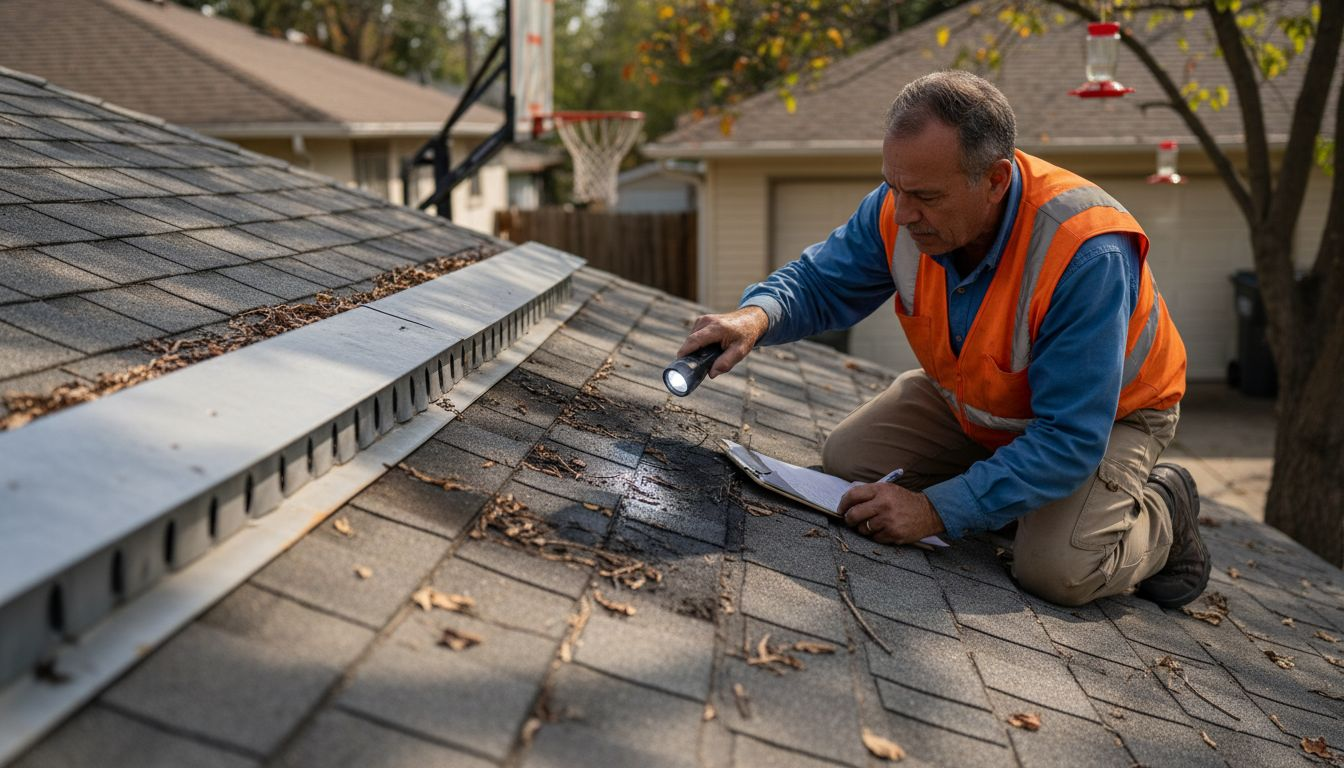
Pro tip: Always consult a certified roofing professional who understands local building codes and can provide a comprehensive replacement strategy tailored to your specific home requirements.
Key Roof Replacement Types in Florida
Florida’s unique climate demands specialized roofing solutions that can withstand extreme weather conditions. Florida Building Code specifies reinforced roofing assemblies designed to protect homes against hurricanes and high-wind environments.
The primary roof replacement types for Florida homes include:
- Asphalt Shingle Roofs: Most common and cost-effective
- Metal Roofing: Superior wind resistance and durability
- Tile Roofing: Traditional Florida aesthetic with robust protection
- Synthetic Roofing Materials: Advanced weather-resistant options
Each roofing type requires specific installation techniques to meet rigorous building standards. Wind uplift resistance becomes a critical factor, with precise fastening methods mandated to ensure structural integrity during tropical storms.
Metal roofing stands out as particularly advantageous in Florida, offering:
- Exceptional wind resistance
- Longer lifespan compared to traditional materials
- Enhanced energy efficiency
- Minimal maintenance requirements
Proper roof selection can significantly reduce potential storm damage and improve home resilience.
Installation techniques vary dramatically between roofing materials, with metal and tile roofs demanding more specialized approaches compared to traditional asphalt shingle systems.
Here’s a side-by-side look at Florida’s main roof replacement materials:
| Roofing Material | Longevity | Wind/Storm Protection | Typical Maintenance |
|---|---|---|---|
| Asphalt Shingles | 15-20 years | Moderate, not hurricane-rated | Occasional inspections |
| Metal Roofing | 40-70 years | Exceptional, hurricane-ready | Minimal upkeep required |
| Tile Roofing | 25-50 years | High, heavy and robust | Occasional tile replacement |
| Synthetic Materials | 20-30 years | Engineered for severe weather | Low, resistant to rot |
Pro tip: Consult a certified Florida roofing professional who understands local building codes and can recommend the most appropriate roof replacement strategy for your specific home and location.
Essential Steps in the Replacement Process
Roof replacement requires a systematic approach that goes beyond simple material swapping. Comprehensive roof replacement involves multiple critical stages designed to ensure structural integrity and long-term home protection.
The essential steps in roof replacement include:
- Initial Roof Inspection: Detailed assessment of existing roof condition
- Permit Acquisition: Securing necessary legal documentation
- Old Roof Removal: Careful dismantling of existing roofing materials
- Substrate Evaluation: Comprehensive deck and structural check
- Underlayment Installation: Critical water-barrier preparation
- New Roof Application: Precise installation of selected roofing system
Structural preparation forms the foundation of successful roof replacement. This involves a meticulous evaluation of the roof deck, identifying and repairing any underlying damage that could compromise the new roofing system.
The replacement process typically follows these key phases:
- Conduct thorough roof condition assessment
- Remove existing roofing materials
- Inspect and repair roof deck
- Install protective underlayment
- Apply new roofing materials
- Perform final quality inspection
Proper preparation and systematic installation are crucial for a durable, long-lasting roof replacement.
Wind resistance and water protection remain paramount considerations throughout the entire replacement process. Each step requires precision and adherence to local building standards to ensure optimal performance.
Pro tip: Always document each stage of the roof replacement process and request detailed documentation from your roofing professional to track the work completed and materials used.
How Storm Damage Affects Roof Decisions
Storm damage significantly transforms roof replacement strategies for Florida homeowners, turning what might have been a routine maintenance decision into a critical structural protection plan.
Storm damage introduces several complex considerations for roof replacement:
- Structural Integrity Assessment: Identifying hidden damage beyond surface-level issues
- Wind Resistance Evaluation: Determining vulnerability to future storm impacts
- Water Infiltration Risk: Checking for potential long-term moisture damage
- Material Durability: Selecting roofing systems engineered for extreme weather
- Insurance Implications: Understanding coverage for storm-related roof replacement
Hidden damage represents the most significant challenge in post-storm roof assessments. What appears to be minor surface damage can often mask more extensive structural compromises that threaten the entire roofing system.
The critical phases of storm damage roof evaluation include:
- Comprehensive initial damage inspection
- Detailed structural integrity assessment
- Moisture and water infiltration testing
- Evaluation of attachment point vulnerabilities
- Recommendation for repair or full replacement
Storm damage rarely presents a simple repair scenario – comprehensive evaluation is crucial for long-term home protection.
Wind load resistance becomes a paramount consideration, with each storm potentially weakening existing roofing attachments and creating future vulnerability.
Pro tip: Document all storm damage immediately with comprehensive photographs and professional assessments to support potential insurance claims and track progressive roof deterioration.
Costs, Financing, and Choosing the Right Pro
Government programs offer financial assistance for homeowners facing significant roof replacement expenses, providing critical support for maintaining residential infrastructure across Central Florida.
Roof replacement costs can vary dramatically, influenced by several key factors:
- Material Selection: Impact on overall project expense
- Roof Size and Complexity: Determining labor and material requirements
- Structural Repair Needs: Additional work beyond basic replacement
- Local Building Code Compliance: Potential additional retrofitting costs
- Geographic Location: Regional pricing variations
Financing strategies play a crucial role in making roof replacement manageable for homeowners. Multiple options exist to distribute the financial burden:
- Home equity loans
- Personal property improvement loans
- Insurance claim processes
- Manufacturer and contractor financing programs
- Government assistance grants
Comprehensive research and professional consultation can significantly reduce overall roof replacement expenses.
Professional selection becomes equally critical in managing both costs and long-term roof performance. Homeowners should prioritize contractors with:
- Verified local licensing
- Comprehensive insurance coverage
- Proven track record in storm-prone regions
- Transparent pricing models
- Strong customer references
Contractor credentials represent a crucial investment in your home’s future protection, far beyond simple price comparisons.
Below is a summary of roof replacement cost factors and financing choices:
| Factor/Strategy | Impact on Cost | Typical Considerations |
|---|---|---|
| Material Choice | Major | Premium options raise total price |
| Roof Size/Complexity | High | Unique shapes require more labor |
| Code Compliance | Moderate to high | Upgrading for stricter codes |
| Home Equity Loan | Spreads over years | Lower interest, long-term debt |
| Insurance Claim | Reduces upfront costs | Coverage depends on policy details |
| Contractor Financing | Flexible repayment | May include higher interest rates |
| Government Grants | Direct assistance | Eligibility required, limited funds |
Pro tip: Request detailed written estimates from multiple licensed professionals, comparing not just total cost but warranty coverage, material quality, and installation expertise.
Protect Your Home with Expert Roof Replacement Solutions
Experiencing roof damage or planning a roof replacement can feel overwhelming. The article highlights critical challenges like assessing substrate damage, meeting wind resistance standards, and navigating complex building codes especially in Florida’s storm-prone environment. At Thomas Roofing and Repair, we understand these pain points and specialize in delivering tailored roof replacement services that ensure your home is protected against harsh weather while complying with local regulations. Our team focuses on quality craftsmanship and thorough inspections to address hidden damage and enhance your roof’s durability.
Choosing the right roofing material and professional installation can make all the difference in safeguarding your property. Discover how our experts guide you through every step from initial assessment to final replacement, backed by dependable service and financing options customized for Central Florida homeowners. Don’t wait until a small problem becomes an expensive disaster.
Ready to secure your home with trusted roof replacement expert help?

Explore our comprehensive roofing services at Thomas Roofing and Repair. Take the first step now by requesting a free estimate or consultation so you can enjoy peace of mind knowing your roof will stand strong through any storm. Visit Roof Installation and Replacement Services today and protect what matters most.
Frequently Asked Questions
What is roof replacement?
Roof replacement is the process of removing existing roof coverings, repairing any substrate damage, and installing new protective layers to ensure structural integrity and weather protection.
Why is proper roof replacement important?
Proper roof replacement is crucial for maintaining home safety, ensuring weather protection, and enhancing the overall performance of your roofing system.
How do I know if my roof needs to be replaced?
Signs that your roof may need replacement include significant leaks, visible sagging, extensive granule loss, or damage from storms that compromises structural integrity.
What types of roofing materials are commonly used for replacement?
Common roofing materials for replacement include asphalt shingles, metal roofing, tile roofing, and synthetic materials, each offering different benefits in terms of durability, longevity, and weather resistance.