
 407-408-0577
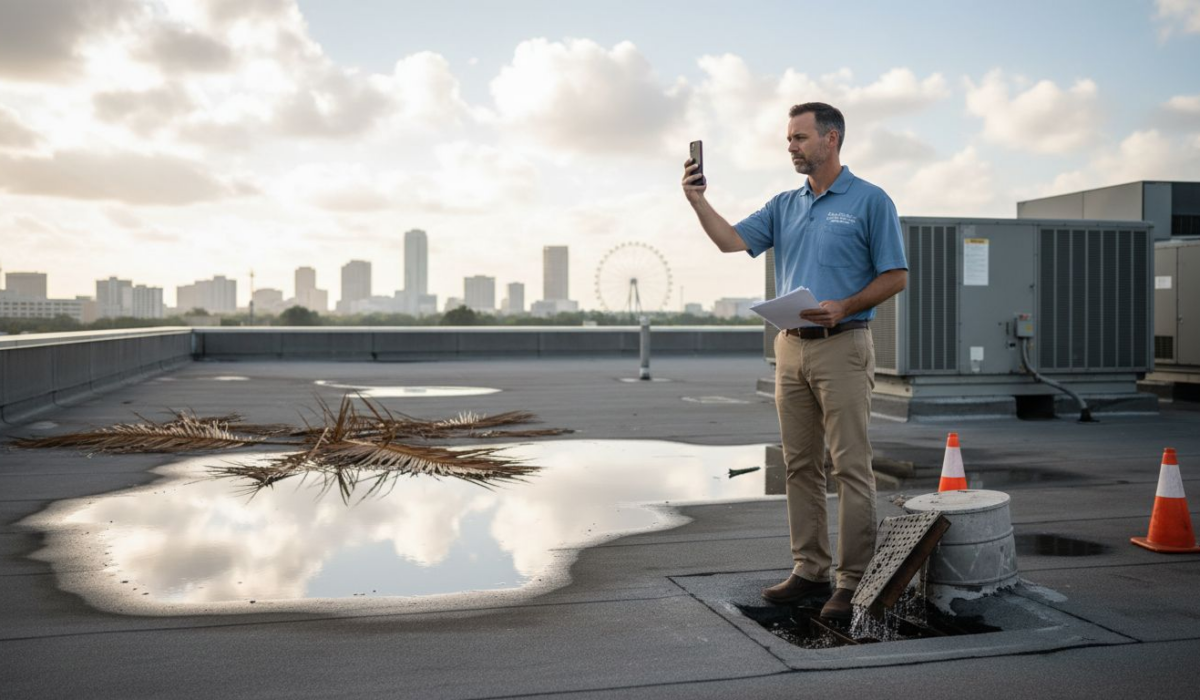
When storms sweep through Central Florida, even the toughest commercial roofs can suffer hidden dangers. Overlooking storm damage or wear can lead to leaks, costly repairs, or unexpected insurance headaches for your business. The right inspection steps help you catch trouble before it escalates.
This list reveals exactly what to check after severe weather and how to spot the most common problem areas—such as damaged flashing, worn materials, and drainage issues—using practical tips trusted by building professionals. You will discover how to protect your investment, document damage for insurance, and decide when expert help is crucial. Stay prepared and find out what matters most for your commercial roof’s long-term durability.
Table of Contents
- 1. Visual Roof Inspection For Storm Damage
- 2. Check Roofing Materials For Wear And Tear
- 3. Inspect Flashings And Seals For Leaks
- 4. Evaluate Drainage And Gutter Condition
- 5. Review Roof Structure And Support
- 6. Schedule Professional Roofing Assessment
Quick Summary
| Key Insight | Explanation |
|---|---|
| 1. Perform Regular Visual Inspections | Assess your roof for damage immediately after storms to prevent costly repairs and document damage for insurance claims. |
| 2. Prioritize Flashing Maintenance | Inspect and maintain flashing around roof penetrations to prevent leaks and water damage that can escalate quickly. |
| 3. Monitor Roofing Material Condition | Regularly check for wear like granule loss and cracks to determine when repairs or replacements are needed, preventing further deterioration. |
| 4. Ensure Effective Drainage Systems | Keep gutters clear to direct water away from your building’s foundation and prevent potentially severe water damage. |
| 5. Schedule Professional Assessments | Engage roofing professionals for thorough evaluations after severe weather to identify hidden issues and inform repair strategies. |
1. Visual Roof Inspection for Storm Damage
After a storm passes through Central Florida, your roof tells a story. A visual inspection reveals whether your building weathered the impact or sustained damage that needs immediate attention.
Visual roof inspections are your first line of defense after severe weather. They identify vulnerabilities and damage that could lead to costly water intrusion and structural problems if left unaddressed.
What You’re Looking For
During a visual inspection, focus on these critical areas:
- Damaged or missing shingles that expose the underlying structure
- Flashing condition around penetrations like vents, chimneys, and edges
- Debris accumulation that could trap moisture or cause additional damage
- Visible leaks or water stains on interior ceilings and walls
- Loose or corroded metal components that compromise weather resistance
Storm damage often hides in plain sight. Missing shingles and damaged flashing are common entry points for water that can cause extensive interior damage within weeks.
Flashing deserves your special attention. These metal transitions around roof penetrations are common failure points after storms. Look for damaged or corroded flashings that show signs of separation, rust, or improper installation, as these create pathways for moisture infiltration.
Why This Matters for Florida Properties
Florida’s storm season brings wind, hail, and heavy rain that exploit weak points in your roof system. A visual inspection after weather events helps you catch damage before it becomes a liability issue.
Your insurance company may require documentation of storm damage. A thorough visual inspection with photographs creates a clear record for your claim. This protects your business and ensures you recover costs for necessary repairs.
The Inspection Process
Start from the ground and work your way up using binoculars to examine the roof surface safely. Check the entire roof systematically, not just obvious problem areas. Storm damage can occur in unexpected locations.
Document everything you observe with photos and notes. Include the date, time, and weather conditions. This documentation supports insurance claims and helps contractors prioritize repairs.
When to Call a Professional
While visual inspections from below catch obvious damage, a professional roofing contractor can access your roof safely and identify hidden damage you might miss. They understand roof inspection best practices specific to Florida’s weather challenges.
Professional inspectors use their experience to spot subtle signs of damage that affect long-term roof performance. This expertise prevents expensive surprises down the road.
Pro tip: Document all visible damage within 24 hours of a storm while details are fresh, then contact your insurance company and a qualified roofing contractor to schedule a professional assessment before temporary damage worsens.
2. Check Roofing Materials for Wear and Tear
Your commercial roof is under constant assault from Florida’s sun, humidity, and weather extremes. Understanding what normal wear looks like versus what signals trouble helps you stay ahead of costly failures.
Roofing materials degrade over time. Age, UV exposure, thermal cycling, and weather all accelerate this process. Regular checks catch deterioration early, before it compromises your building’s protection.
Signs of Material Deterioration
Know what to look for during your inspection:
- Granule loss from asphalt shingles indicating advanced aging
- Cracks or splits in shingles, tiles, or membranes
- Blistering or bubbling on flat roof surfaces
- Curling or lifted edges on shingles that expose substrate
- Discoloration or fading suggesting UV damage
- Moss or algae growth trapping moisture against materials
Missing granules and visible cracks are red flags that your roof is approaching the end of its service life. Act quickly to prevent leaks.
Materials respond differently to Florida’s climate. Asphalt-based products deteriorate faster under intense sun. Metal components develop corrosion in humid environments. Membrane systems can develop seams that separate over time. Your inspection should account for the specific material type on your roof.
Understanding Material Lifespan
Not all wear and tear means replacement is necessary. Some degradation is normal and expected. Understanding your roof’s expected lifespan helps you distinguish between acceptable aging and unacceptable deterioration.
Standard asphalt shingles typically last 15 to 20 years in Florida’s climate. Metal roofing extends to 40 to 50 years. Membrane systems fall somewhere in between. Your roof’s age combined with visible wear tells you whether repairs or replacement makes financial sense.
Documenting Material Condition
Take close-up photographs of any damaged areas. Note the location, severity, and pattern of wear. This documentation helps you track degradation over time and supports maintenance planning decisions.
If wear appears accelerated or concentrated in specific areas, weather conditions like wind damage or improper installation may be contributing factors. This insight guides your repair priorities.
When Wear Becomes a Liability
Punctured membranes, missing shingles, and corroded flashing all allow water penetration. Even small openings escalate into structural damage, mold growth, and equipment failure inside your building. Address material damage before it spreads.
Insurance companies expect property managers to maintain roofs in good condition. Documented neglect of obvious wear and tear can affect coverage and claims.
Pro tip: Create a maintenance log that photographs and dates specific wear patterns every quarter, so you have clear evidence of whether damage is progressing slowly or rapidly, helping you decide between repair and replacement budgets.
3. Inspect Flashings and Seals for Leaks
Flashings are the unsung heroes of your roof system. These metal transitions around penetrations and edges prevent water from sneaking into your building where it causes the most damage.
Flashing failures rank among the most common causes of roof leaks. A small gap or corroded seam that looks insignificant can direct gallons of water into your building annually. Regular flashing inspections catch these problems before water reaches your interior.
Where Flashings Live on Your Roof
Flashings appear in specific locations around your building:
- Roof penetrations like vents, pipes, and chimneys
- Roof edges and transitions where different roof planes meet
- Skylights and roof-mounted equipment connections
- Parapet walls where the roof meets vertical structures
- Interior drains and scuppers that channel water off the roof
Flashing deficiencies are among the leading causes of roof leaks. Addressing them immediately prevents water intrusion that costs far more to repair than the flashing replacement itself.
Signs of Flashing Problems
During your inspection, look for these red flags:
- Rust or corrosion on metal flashings indicating deterioration
- Loose or separated flashing that no longer fits snugly against the roof
- Missing sealant around flashing edges where water can enter
- Cracks or splits in the metal material
- Water stains or active leaks visible below flashing locations inside your building
Understanding Flashing Installation
Proper flashing installation means the metal extends far enough to overlap adjacent materials and slope downward to direct water away from vulnerable areas. Flashing installed incorrectly or using non-corrosion-resistant materials creates persistent leak problems that repairs cannot fix permanently.
Florida’s salty humidity accelerates corrosion of standard metal flashings. Using corrosion-resistant materials during replacement prevents premature failure and extends the time between maintenance cycles.
Sealant and Caulking Assessment
Sealants around flashings degrade from UV exposure and thermal cycling. Cracks in these sealants allow water entry even when the flashing itself remains intact. Check sealant condition closely and plan replacements when you notice deterioration.
Expect to replace sealants every 3 to 5 years in Florida’s climate. This regular maintenance prevents costlier flashing replacement and water damage repairs.
Taking Action on Flashing Issues
Minor sealant cracks may only need recaulking. However, corroded flashings, loose installations, or active water entry requires professional repair solutions to ensure the job is done correctly and the warranty is valid.
Pro tip: After any storm or heavy rain, check the areas directly below roof penetrations and edges for water stains or dripping, as these pin-point exactly which flashings need immediate attention.
4. Evaluate Drainage and Gutter Condition
Water off your roof needs somewhere to go. If gutters are clogged, damaged, or undersized, that water pools on your roof or floods around your building’s foundation, causing damage that spreads far beyond the roof itself.
Drainage systems are critical infrastructure that directly affect roof lifespan and building integrity. A neglected gutter system can turn a minor roof issue into a major structural problem within months.
What to Check in Your Gutters
During your inspection, examine these specific elements:
- Debris accumulation like leaves, branches, and dirt blocking water flow
- Rust or corrosion indicating material deterioration
- Sagging sections where gutters have pulled away from fascia boards
- Leaks or holes allowing water to escape before reaching downspouts
- Improper slope that prevents water from flowing toward downspouts
- Missing or damaged downspout extensions that direct water too close to the foundation
Clogged gutters stop water from flowing away from your roof and foundation. Even properly installed gutters fail to protect your building if debris prevents drainage.
Why Gutter Sizing Matters
Gutters must be sized appropriately for your roof’s area and Florida’s intense rainfall rates. Undersized gutters cannot handle peak runoff during heavy storms, causing water to overflow and damage fascia boards, siding, and foundation areas.
If your building has experienced recurring foundation moisture or fascia damage, your gutter system may be undersized for your roof’s drainage needs. This is especially common in older properties built before current rainfall intensity standards.
Distance and Discharge Location
Downspouts must discharge water at least 4 to 6 feet away from your building’s foundation. Water pooling immediately below downspouts saturates soil and creates hydrostatic pressure that forces moisture into basements and crawl spaces.
Check that downspout extensions remain in place and haven’t been damaged or removed. Many property managers don’t realize how critical this simple distance requirement is to preventing foundation problems.
Maintenance and Replacement Decisions
Clogged gutters need cleaning, typically twice yearly in Florida. Gutters with rust, holes, or significant damage should be replaced rather than repaired. Professional gutter sizing guidance helps ensure replacements properly handle your building’s drainage needs.
After storms, inspect gutters for debris and damage. This catches problems early before backup and overflow cause interior water damage.
Pro tip: Install gutter guards or screens to reduce debris accumulation between cleanings, but still schedule twice-yearly inspections because guards don’t eliminate all maintenance needs.
5. Review Roof Structure and Support
Beneath every roof surface lies a structural system designed to handle wind, rain, and loads specific to your building type. Understanding this hidden infrastructure helps you make informed decisions about repairs and replacements.
Roof structure problems are invisible until they cause catastrophic failure. Regular assessment of framing, decking, and support systems catches deterioration early, preventing costly emergency repairs or safety hazards.
Understanding Roof Structure Components
Commercial roof systems include multiple layers working together:
- Framing and trusses that support the entire roof weight and distribute loads
- Decking material that provides the base for roofing materials
- Support columns and bearing walls that transfer loads to the foundation
- Insulation layers that also contribute to structural integrity
- Membrane or covering systems attached to the decking
Each component must work in harmony. If one fails, it creates stress on surrounding elements that can cascade into larger problems.
Structural damage compounds rapidly. A sagging beam that goes unnoticed for months can crack and fail suddenly, putting your building and occupants at risk.
Signs of Structural Problems
During your inspection, look for these warning indicators:
- Sagging or uneven roof lines visible from the ground or interior
- Water stains on interior ceilings suggesting structural moisture damage
- Cracked or rotting decking where accessible
- Bent or damaged support members from impact or age
- Visible gaps between components that should be connected
These signs mean your roof structure is compromised and needs professional evaluation.
Why Proper Design Matters
Roof structural design must account for wind loads, rain accumulation, and the weight of roofing materials themselves. Florida’s hurricane-force winds demand stronger structural systems than flat interior states require.
Older buildings may not meet current structural standards. If you’re considering major repairs or replacement, a structural engineer can assess whether your current system is adequate for modern requirements.
When to Call a Professional
Structural assessment requires professional expertise. You cannot judge load capacity or material integrity by looking alone. Professional roof replacement evaluations include structural review to ensure your building’s system can support new materials and handle Florida’s weather demands.
If you’ve noticed sagging, water damage patterns, or suspect structural issues, don’t delay. Structural failure happens suddenly and can be catastrophic.
Pro tip: If your building is over 20 years old or has experienced multiple leak repairs in the same area, have a structural engineer evaluate whether underlying support deterioration is causing recurring failures.
6. Schedule Professional Roofing Assessment
Your visual inspection reveals obvious damage, but professionals see what untrained eyes miss. A comprehensive professional assessment identifies hidden problems, quantifies remaining roof life, and guides smart investment decisions.
Professional roofing assessments transform guesswork into actionable strategy. They document conditions for insurance purposes, inform budget planning, and prevent costly surprises.
What a Professional Assessment Includes
Comprehensive roofing evaluations cover far more than your checklist alone:
- Detailed material analysis to determine remaining lifespan
- Structural evaluation checking supports and decking integrity
- Photographic documentation of existing conditions and damage
- Written recommendations prioritizing repairs by urgency
- Cost estimates for repairs, maintenance, or replacement
- Code compliance review ensuring your roof meets current standards
Professionals bring equipment, expertise, and perspective that benefit your long-term planning.
A professional assessment costs a few hundred dollars but prevents tens of thousands in emergency repairs. The investment pays for itself immediately through informed decision-making.
Finding the Right Professional
Not all roofing contractors perform thorough assessments. Look for professionals with credentials and experience in commercial properties. Registered Roof Consultants (RRCs) provide expert guidance specifically in roof system design, investigation, and management tailored to commercial applications.
RRCs understand building codes, material specifications, and industry standards. They provide unbiased evaluations not tied to selling you a particular repair or replacement.
Timing Your Professional Assessment
Schedule assessments after major storms, before warranty periods expire, or every 5 years for older roofs. If your self-inspection revealed significant damage, schedule an assessment immediately rather than waiting.
Post-storm assessments support insurance claims by documenting damage professionally. This documentation strengthens your position and ensures you receive fair compensation.
Preparing for the Assessment
Provide your professional with historical records, previous inspection reports, and details about past repairs or maintenance. This context helps them understand patterns and make informed recommendations.
Clear access to your roof and interior spaces affected by moisture ensures a thorough evaluation. The more information you provide, the more valuable the assessment becomes.
Documentation for Compliance
Professional assessments meet local building code requirements in Orlando and Central Florida. When planning major repairs or replacements, professional documentation ensures your project passes inspection and meets all regulatory standards.
This compliance protects your business from liability and ensures work quality meets legal standards.
Pro tip: Request a detailed written assessment that identifies specific locations of damage with photographs, not just general observations, so you can track which areas worsen over time and plan repairs strategically.
Below is a comprehensive table summarizing the key strategies and considerations for conducting roof inspections and maintaining roof integrity as discussed in the article.
| Inspection Aspect | Key Actions and Guidelines | Benefits and Importance |
|---|---|---|
| Visual Roof Inspection | Check for missing or damaged shingles, faulty flashing, debris retention, interior leaks or water stains, and metal corrosion. | Prevents costly damages and helps identify immediate repair needs. Provides documentation for insurance claims post-storm. |
| Roofing Materials Assessment | Inspect for granule loss, cracks, blisters, curling, discoloration, and moss growth. | Allows identification of degradation and aging components for timely repairs or replacement. |
| Flashing and Seals | Examine flashings around penetrations, edges, and transitions. Inspect for rust, separation, sealant cracks, and water intrusion signs. | Identifying and repairing flashing issues prevents water leaks, structural damage, and higher repair costs. |
| Gutter and Drainage Condition | Check for debris, rust, sagging, leaks, improper slope, and damaged downspouts, ensuring effective water drainage from the roof. | Ensures water is properly directed away from the roof and foundation, thus preventing leaks and structural foundation problems. |
| Roof Structure Evaluation | Observe framing, trusses, decking, and insulation. Look for sagging, stains, cracks, and gaps among structural components. | Detects potential structural compromises early, increasing safety and reducing repair or replacement costs. |
| Professional Assessments | Engage qualified roofing contractors for comprehensive evaluations, securing reports and documentation for repairs and insurance purposes. | Access to professional expertise ensures hidden or critical issues are identified, securing insurance claims and compliance. |
This table organizes the important points from the article regarding maintenance, inspections, and professional evaluations of your roof, tailored for properties in areas prone to severe weather like Florida.
Protect Your Florida Commercial Property With Expert Roofing Solutions
Managing roof issues like storm damage, flashing leaks, and material wear can feel overwhelming when Florida weather tests your building’s durability. This 6-step commercial roofing checklist highlights the importance of early detection and preventative care to avoid costly repairs and structural risks that impact your property’s safety and value.
Thomas Roofing and Repair specializes in navigating Central Florida’s unique roofing challenges with dependable service in roof inspection, repair, and replacement. Our experienced team understands critical pain points like storm damage documentation, flashing integrity, and drainage problems. We provide detailed professional assessments and high-quality craftsmanship designed to extend the life of your commercial roof while safeguarding your investment.
Act now to prevent hidden damage from threatening your building’s stability.

Ready to take the next step? Schedule your comprehensive roofing inspection and storm damage evaluation today with Thomas Roofing and Repair. Learn more about our expert roof inspection services and how we ensure your commercial roof stands strong against Florida’s toughest weather. Protect your property with trusted professionals committed to integrity and quality workmanship.
Frequently Asked Questions
What are the key areas to inspect during a visual roof inspection for storm damage?
Visual roof inspections should focus on damaged or missing shingles, the condition of flashing, debris accumulation, visible leaks, and corroded metal components. Begin your inspection from the ground and document all findings with photographs to support insurance claims and prioritize repairs.
How often should I check roofing materials for wear and tear?
Inspect roofing materials at least twice a year, focusing on signs of deterioration such as granule loss, cracks, and discoloration. Catching these issues early can help you decide whether to repair or replace materials before they lead to costly water damage.
When should I call a professional for a roofing assessment?
Schedule a professional assessment after major storms or if your visual inspection reveals significant damage. Professionals can identify hidden issues that may compromise your roof’s integrity, helping you avoid emergency repairs in the future.
How can I evaluate the condition of my drainage and gutter system?
Inspect your gutters for clogs, rust, sagging sections, and leaks. Make sure downspouts discharge water at least 4 to 6 feet away from the foundation to prevent structural issues; clean gutters twice a year to ensure they function effectively.
What signs indicate that my roof structure may have problems?
Look for sagging roof lines, water stains on ceilings, or cracked decking during your inspection. If you notice any of these indicators, contact a professional immediately, as structural issues can escalate quickly and pose safety risks.
How can I prepare for a professional roofing assessment?
Prepare for the assessment by gathering historical records, previous inspection reports, and noting any past repairs. Clear access to the roof and affected interior spaces will ensure that the professional can conduct a thorough evaluation.