Managing a commercial property in Central Florida means grappling with aging roofs and unpredictable storms that can put your building at risk. When leaks appear or severe weather leaves visible damage, prompt action is critical to prevent costly interruptions or safety hazards. This guide offers step-by-step insights into the roof replacement process, helping property managers understand each phase—from assessment to final inspection—for reliable results and lasting protection.
Table of Contents
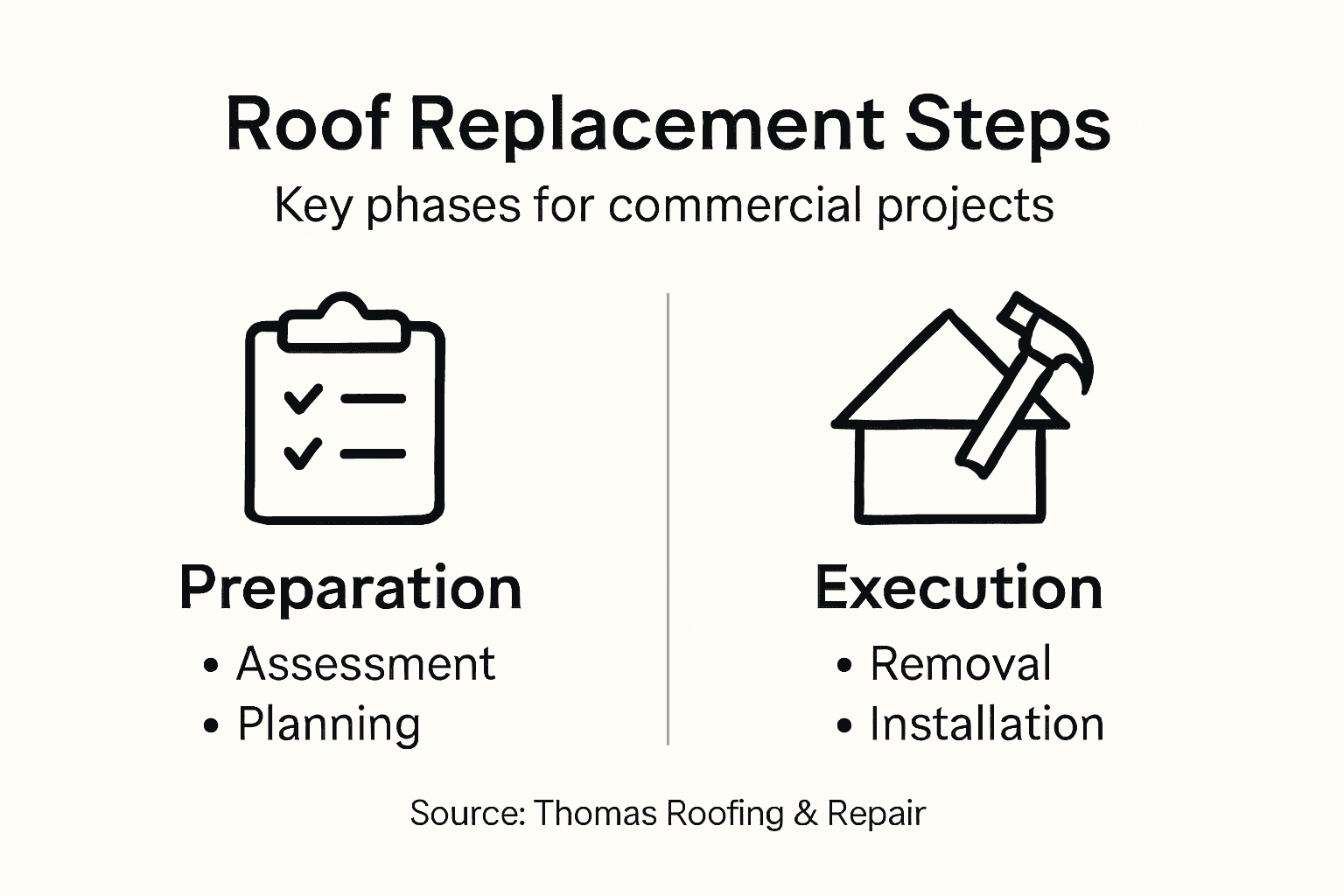
- Step 1: Assess Existing Roof And Identify Needs
- Step 2: Develop A Detailed Project Plan
- Step 3: Coordinate Permits And Material Delivery
- Step 4: Execute Safe Roof Removal And Installation
- Step 5: Inspect Work And Finalize The Replacement
Quick Summary
| Key Takeaway | Explanation |
|---|---|
| 1. Assess Roof Thoroughly | Conduct a visual inspection to identify signs of damage, such as cracks and water stains, to determine repair or replacement needs. |
| 2. Develop a Comprehensive Project Plan | Outline project scope, budget, timeline, and resource needs early to streamline the roof replacement process. |
| 3. Coordinate Permits and Material Delivery | Ensure all necessary permits are obtained and that material schedules align with project timelines to prevent delays. |
| 4. Prioritize Safety During Execution | Implement strict safety protocols during roof removal and installation to protect workers and maintain building integrity. |
| 5. Conduct a Thorough Final Inspection | Verify compliance with manufacturer specifications and local codes to protect your investment and ensure long-term performance. |
Step 1: Assess Existing Roof and Identify Needs
Assessing your commercial roof is the critical first step in determining whether replacement is necessary. By conducting a comprehensive evaluation, you’ll gain insights into the roof’s current condition, potential vulnerabilities, and immediate repair requirements.
Starting with a thorough visual inspection, look for telltale signs of roof deterioration such as water stains, membrane cracks, or surface degradation. These indicators help identify potential structural issues that might compromise your building’s integrity. Comprehensive roof assessment techniques recommend examining several key areas:
- Membrane integrity
- Drainage system functionality
- Structural support conditions
- Evidence of previous repair attempts
- Extent of weather-related damage
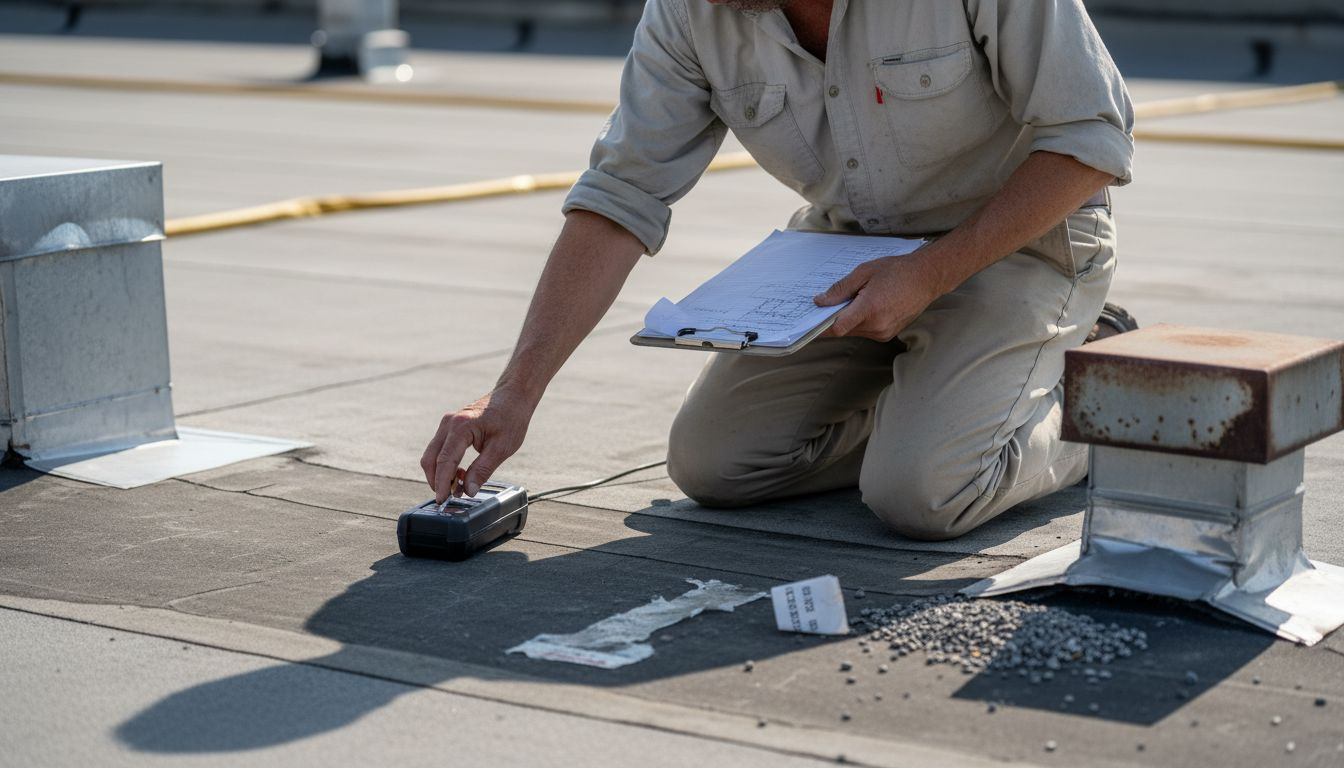
Professional roof inspectors use specialized tools and techniques to evaluate your roof’s overall health. They’ll document existing conditions, measure material deterioration, and assess potential risks specific to Central Florida’s challenging weather environment. This detailed approach helps property managers make informed decisions about whether repair or full replacement is the most cost-effective solution.
Compare roof assessments done internally versus with professional inspectors:
| Assessment Type | Advantages | Limitations |
|---|---|---|
| Internal | Low cost, immediate feedback | Misses technical or hidden issues |
| Professional | Expert evaluation, risk identification | Higher upfront expense |
Identifying roof needs early can prevent extensive damage and significantly reduce long-term maintenance expenses.
Pro tip: Schedule professional inspections during dry seasons to ensure accurate assessments and minimize potential disruptions to your business operations.
Step 2: Develop a Detailed Project Plan
A comprehensive project plan serves as the roadmap for your commercial roof replacement, transforming complex logistics into a clear, executable strategy. By meticulously outlining every aspect of the project, you’ll create a framework that minimizes unexpected challenges and ensures smooth progression from start to finish.
Begin by developing a structured project management approach that addresses key strategic components:
- Project scope and objectives
- Budget and financial allocations
- Detailed timeline with critical milestones
- Resource requirements and allocation
- Risk assessment and mitigation strategies
- Stakeholder communication protocols
Your project plan should comprehensively document all technical specifications, including roof measurements, material requirements, potential structural modifications, and compliance considerations. Engage with roofing professionals who can provide precise insights into the specific demands of your Central Florida commercial property.
A well-developed project plan is the difference between a chaotic renovation and a seamlessly executed roof replacement.
Pro tip: Create digital backup copies of your project plan and store them in multiple secure locations to ensure accessibility and prevent potential information loss.
Step 3: Coordinate Permits and Material Delivery
Coordinating permits and material delivery is a critical phase that requires precision and strategic planning for your commercial roof replacement project. This step bridges the administrative requirements with the practical logistics of your roof renovation, ensuring legal compliance and seamless execution.
Efficient construction permit management involves navigating complex regulatory landscapes specific to commercial roofing in Central Florida. You’ll need to prepare and submit comprehensive documentation that demonstrates your project’s compliance with local building codes and zoning regulations:
- Detailed roof replacement plans
- Structural engineering assessments
- Material specification documents
- Contractor licensing information
- Insurance and liability coverage proof
- Environmental impact statements
Simultaneously, coordinate material delivery schedules to align with permit approvals and project timelines. Work closely with your roofing contractor to ensure materials arrive precisely when needed, minimizing storage requirements and potential weather-related damage. Synchronizing permit approvals with material procurement prevents unnecessary project delays and reduces potential cost overruns.
Successful permit coordination and material delivery can significantly reduce project complexity and minimize unexpected interruptions.
Pro tip: Create a digital tracking system for all permit documents and material delivery schedules to maintain real-time visibility and quick reference during your roof replacement project.
Step 4: Execute Safe Roof Removal and Installation
Executing a safe roof removal and installation demands precision, expertise, and unwavering commitment to safety protocols. This critical phase transforms your commercial roof replacement from planning to tangible action, requiring meticulous coordination and professional execution.
Construction safety standards mandate comprehensive preparation before initiating roof removal. Your roofing team must implement rigorous safety measures that protect workers and minimize potential risks:
- Establish comprehensive fall protection systems
- Verify all personal protective equipment (PPE)
- Secure the work area with appropriate perimeter barriers
- Conduct pre-work safety briefings
- Implement equipment inspection protocols
- Ensure proper waste management and debris removal
During the roof removal process, carefully strip existing roofing materials while maintaining structural integrity. Work systematically, managing debris and protecting surrounding building surfaces. Installation requires precision placement of new roofing materials, ensuring complete weather sealing and adherence to manufacturer specifications.
Professional roof replacement demands absolute attention to safety and technical excellence.
Pro tip: Schedule roof removal during optimal weather conditions to minimize risks and ensure clean, efficient material removal and installation.
Step 5: Inspect Work and Finalize the Replacement
The final stage of your commercial roof replacement involves a comprehensive inspection and meticulous documentation to ensure the project meets all performance and quality standards. This critical phase validates the extensive planning and execution that preceded it.
Commercial property inspection standards require a systematic approach to evaluating the new roofing system. Your professional roofing team will conduct a detailed review focusing on several key aspects:
- Verify full manufacturer specification compliance
- Check membrane seam integrity
- Assess drainage system functionality
- Confirm proper flashing and edge detail installation
- Evaluate overall surface uniformity
- Test for potential water infiltration points
Documentation plays a crucial role in finalizing the roof replacement. Comprehensive inspection reports should include photographic evidence, detailed measurements, material certifications, and performance guarantees. This documentation protects your investment and provides a baseline for future maintenance efforts.
A thorough final inspection separates professional roof replacement from a mediocre installation.
Pro tip: Request and retain a complete digital and physical copy of all inspection documentation for your long-term building maintenance records.
Here’s a summary of key business impacts for each commercial roof replacement step:
| Step | Main Objective | Business Impact |
|---|---|---|
| Assess Roof | Evaluate condition and needs | Reduces risk of hidden damage |
| Project Plan | Outline logistics and details | Streamlines renovation and budgeting |
| Permits & Delivery | Admin setup and material flow | Minimizes delays and legal issues |
| Removal & Installation | Execute roof replacement | Ensures safety and structural integrity |
| Final Inspection | Validate quality and compliance | Protects long-term investment and warranty |
Ensure Your Commercial Roof Replacement Is Smooth and Secure with Trusted Local Experts
Replacing a commercial roof can be overwhelming with complex steps like thorough roof assessment, permit coordination, and safe installation. You want to avoid hidden damages that raise costs or delays that disrupt your business. From detailed project planning to final inspections, every phase requires skilled execution and attention to safety and compliance—especially in Central Florida’s unique weather conditions.
At Thomas Roofing and Repair, we understand these challenges firsthand. Our experienced team specializes in commercial roofing services tailored to your specific needs. We deliver clear communication, expert inspections, and dependable craftsmanship to help you achieve a seamless roof replacement that protects your investment long term. Whether you need inspection support, permit handling, or expert installation, we are here to guide you through every essential step detailed in this commercial roof replacement process.
Ready to take control of your commercial roof replacement with trusted professionals?

Contact us today for a free estimate and personalized plan that puts your business first. Visit Thomas Roofing and Repair to learn how our experienced team can deliver safe, efficient, and code-compliant roof replacements designed for Central Florida properties.
Frequently Asked Questions
What are the main steps in the commercial roof replacement process?
The main steps include assessing the existing roof, developing a detailed project plan, coordinating permits and material delivery, executing safe roof removal and installation, and inspecting the completed work. Follow these steps to ensure a smooth and effective roof replacement.
How can I assess if my commercial roof needs replacement?
Conduct a thorough visual inspection for signs of deterioration such as water stains or membrane cracks. Document these findings and consult with a professional roofing inspector to confirm the extent of any damage.
What should I include in my project plan for roof replacement?
Your project plan should include the project scope, budget, timeline, resource allocation, risk assessment, and communication protocols. Make sure to detail technical specifications such as roof measurements and material requirements to guide the process.
How do I handle permits required for a commercial roof replacement?
Prepare and submit detailed documentation for your project that complies with local building codes and zoning regulations. Organize your applications efficiently to minimize delays in permit approvals and ensure a smooth project timeline.
What safety measures should be taken during roof removal and installation?
Implement comprehensive safety protocols, such as establishing fall protection systems and conducting pre-work safety briefings. Prioritize worker safety by ensuring that all personal protective equipment (PPE) is in place and that the work area is secured.
How do I conduct a final inspection of my newly replaced roof?
Conduct a systematic review to verify compliance with manufacturer specifications, assess membrane seam integrity, and evaluate drainage functionality. Document your findings, including photographic evidence and performance guarantees, to protect your investment and support future maintenance.
Recommended