Storms in Central Florida can expose weaknesses in commercial roofing, leaving property managers worried about escalating repairs and budget strain. The right roofing system is much more than a simple cover—it offers durable, insulated protection and compliance with Florida codes while maintaining the building’s design and function. Discover how high-quality roofing solutions tailored for local challenges combine expert installation, proven materials, and flexible financing to preserve your investment and restore peace of mind.
Table of Contents
- Defining Commercial Roofing Systems And Purpose
- Major Types Of Commercial Roofs Explained
- Materials, Installation, And Maintenance Essentials
- Florida Codes, Safety, And Compliance Factors
- Cost, Durability, And Storm Preparedness
Key Takeaways
| Point | Details |
|---|---|
| Commercial Roofing Functions | Commercial roofing systems provide protection, insulation, and durability while enhancing the aesthetic value of buildings. |
| Roof Type Selection | Choosing the right roof type is essential; consider local climates and building needs to maximize performance. |
| Importance of Maintenance | Regular inspections and maintenance are crucial to extend the lifespan of roofs and prevent costly repairs. |
| Florida Compliance Standards | Strict compliance with Florida’s roofing regulations ensures structural integrity and protection from environmental challenges. |
Defining Commercial Roofing Systems and Purpose
Commercial roofing systems represent the critical protective layer atop business structures, engineered to shield buildings from environmental challenges. Roofing assemblies defined by industry standards serve multiple essential functions beyond simple shelter, encompassing insulation, durability, and structural integrity.
These sophisticated systems involve complex combinations of materials and technologies designed to withstand diverse environmental conditions. Key characteristics of commercial roofing include:
- Weather resistance against rain, wind, and extreme temperatures
- Thermal insulation capabilities
- Structural support for additional building equipment
- Long-term performance and minimal maintenance requirements
- Aesthetic contributions to overall building design
The primary purpose of commercial roofing extends far beyond basic coverage. Comprehensive roofing solutions protect critical business infrastructure, manage energy efficiency, and contribute significant economic value by preventing potential damage and reducing long-term maintenance costs.
Modern commercial roofing systems integrate advanced materials like modified bitumen, single-ply membranes, metal panels, and specialized coatings. These technologies ensure robust protection tailored to specific regional weather patterns, building types, and performance requirements.
Pro tip: Conduct annual professional roof inspections to identify potential issues before they become expensive repairs.
Major Types of Commercial Roofs Explained
Commercial roofing encompasses diverse architectural designs tailored to specific building requirements and environmental conditions. Commercial roof classifications reveal a complex landscape of structural solutions designed to protect and enhance business infrastructure.
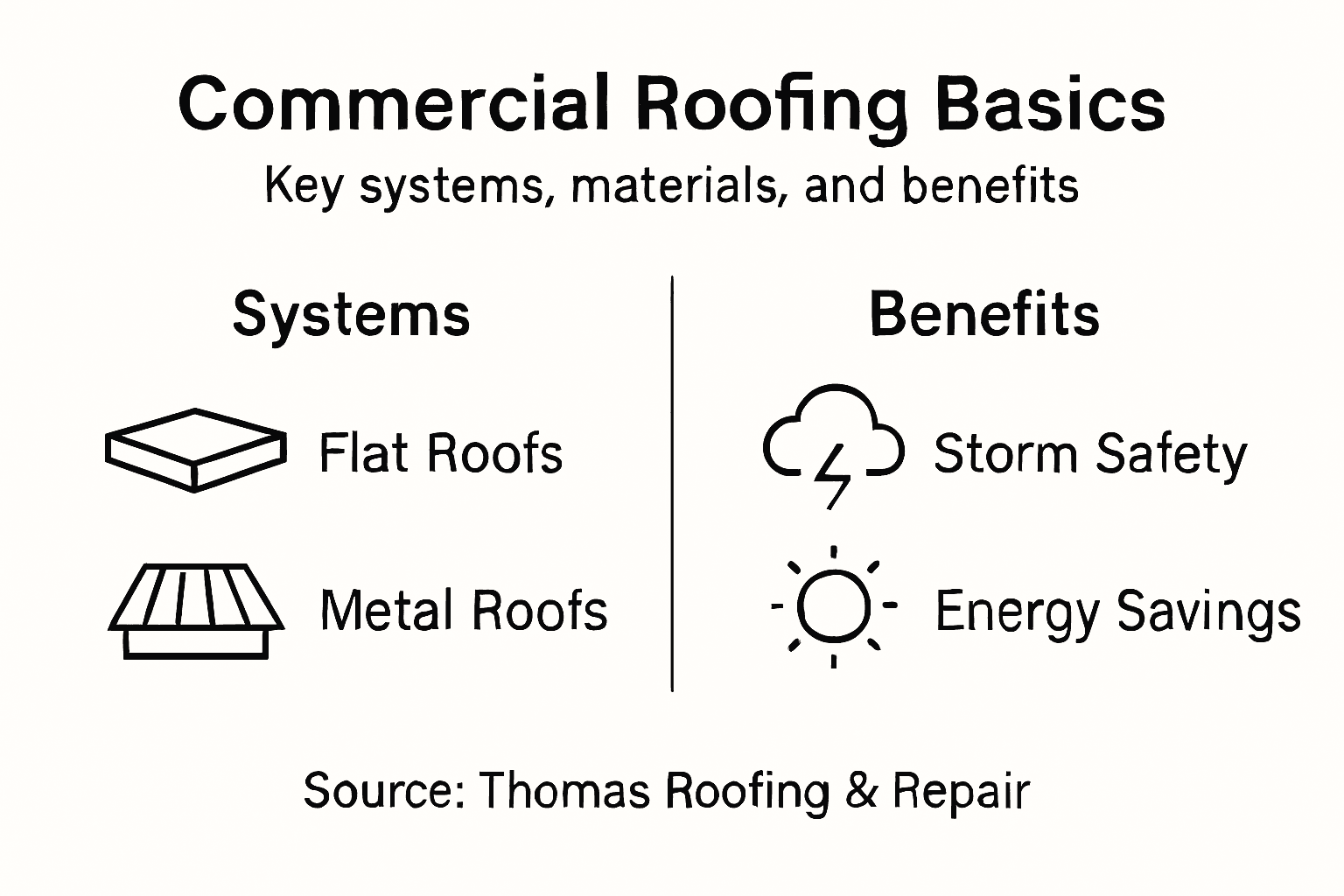
The primary categories of commercial roofs include:
- Flat Roofs: Most common in commercial settings
- Pitched Roofs: Provide natural water drainage
- Low-Slope Roofs: Ideal for larger commercial structures
- Metal Roofing Systems: Durable and long-lasting options
- Modified Bitumen Roofs: Offering enhanced weather resistance
Roof design standards emphasize the importance of selecting roofing types based on specific performance requirements. Flat roofs, for instance, are prevalent in urban commercial buildings, offering maximized usable space and easier installation of mechanical equipment like HVAC systems.
Each roof type presents unique advantages depending on regional weather patterns, building architecture, and functional needs. Metal roofing systems provide exceptional durability in areas with extreme temperatures, while modified bitumen membranes offer superior waterproofing capabilities for regions experiencing frequent rainfall.
Here’s a comparison of major commercial roof types and their best-use scenarios:
| Roof Type | Typical Use Case | Strengths |
|---|---|---|
| Flat Roof | Urban commercial buildings | Maximizes equipment space |
| Pitched Roof | Warehouses, distribution centers | Excellent drainage capability |
| Low-Slope Roof | Large office or retail complexes | Cost-effective for large areas |
| Metal Roofing System | Manufacturing, coastal areas | High durability, lasts decades |
| Modified Bitumen | Facilities in wet climates | Superior waterproof protection |
Pro tip: Consult with professional roofing experts to determine the most suitable roof type for your specific building and local environmental conditions.
Materials, Installation, and Maintenance Essentials
Low-slope commercial roofing systems require meticulous planning and expertise to ensure long-term performance and durability. The selection of appropriate materials, precise installation techniques, and comprehensive maintenance strategies are critical components in protecting commercial building investments.
Key materials used in commercial roofing include:
- Bituminous Membranes: Offering excellent waterproofing
- Single-Ply Membranes: Lightweight and flexible solutions
- Liquid-Applied Membranes: Seamless protection
- Metal Roofing Materials: Durable and long-lasting
- Insulation Systems: Critical for thermal performance
Comprehensive maintenance programs play a crucial role in extending roof life and preventing costly repairs. Regular inspections help identify potential issues before they escalate, focusing on:
- Checking membrane integrity
- Clearing drainage systems
- Inspecting for water damage
- Assessing structural connections
- Evaluating overall roof performance
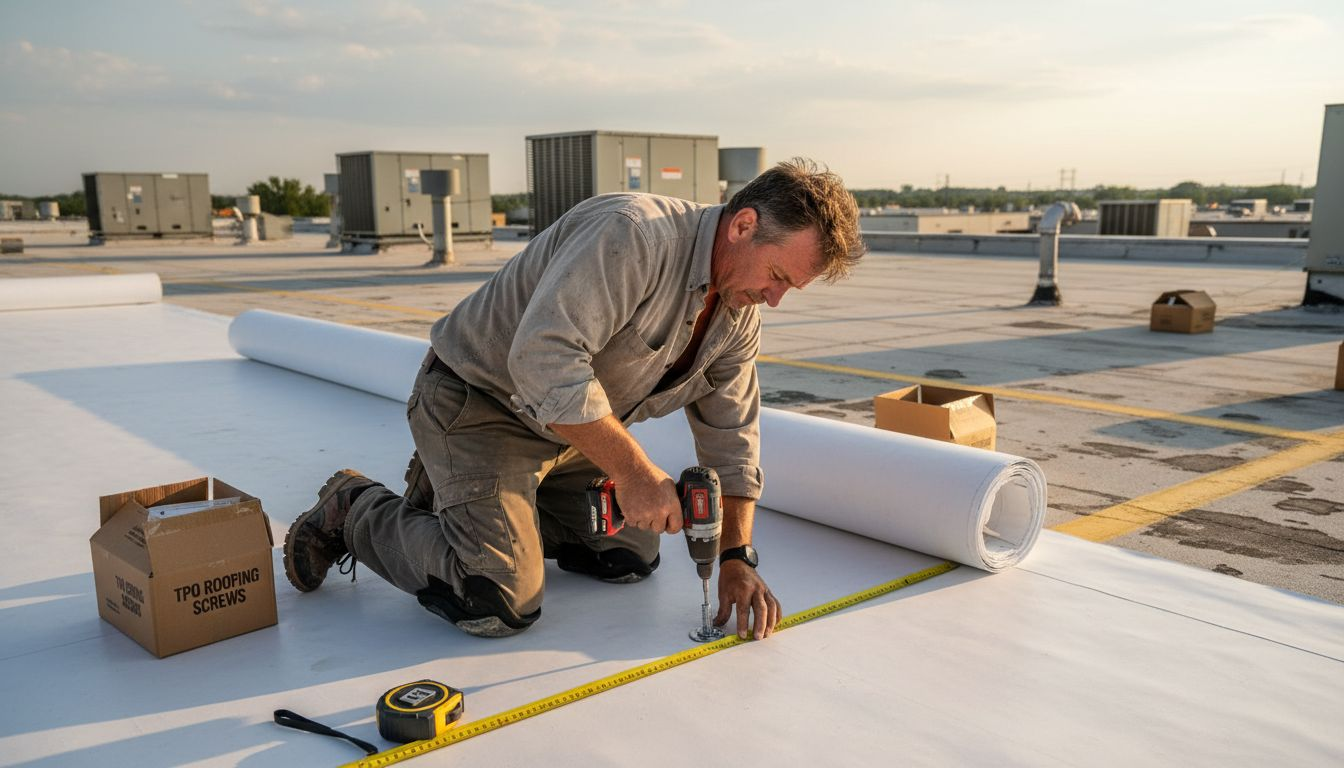
Proper installation is equally important, requiring skilled professionals who understand building codes, material specifications, and local environmental challenges. Each roofing material demands specific installation techniques, from precise membrane application to secure fastening methods that withstand wind and weather conditions.
Pro tip: Schedule professional roof inspections twice annually to catch and address potential issues before they become major problems.
Florida Codes, Safety, and Compliance Factors
Roofing safety regulations in Florida represent a comprehensive framework designed to protect commercial property owners and ensure structural integrity. These stringent guidelines address critical aspects of roofing installation, maintenance, and renovation specific to the state’s unique environmental challenges.
Key compliance requirements for commercial roofing in Florida include:
- Wind Resistance Standards: Specific ratings for hurricane-prone regions
- Moisture Barrier Specifications: Detailed waterproofing requirements
- Thermal Performance Regulations: Energy efficiency mandates
- Structural Load Calculations: Precise engineering specifications
- Material Durability Testing: Rigorous quality control protocols
The Florida Building Code establishes strict parameters for commercial roofing projects, focusing on:
- Mandatory permitting processes
- Professional certification requirements
- Comprehensive safety inspections
- Performance testing protocols
- Documentation and compliance verification
Understanding these regulations is crucial for commercial property managers, as non-compliance can result in significant legal and financial consequences. Proper adherence ensures not just regulatory compliance, but also protects the long-term investment in building infrastructure.
This reference table highlights essential Florida commercial roofing compliance priorities:
| Compliance Factor | Florida-Specific Focus | Business Impact |
|---|---|---|
| Wind Resistance | Hurricane-rated materials required | Prevents storm damage |
| Moisture Barrier | Strict waterproofing specifications | Avoids costly leaks |
| Thermal Performance | State-mandated efficiency standards | Reduces long-term energy costs |
| Structural Load Calculation | Must meet rigorous engineering codes | Supports heavy rooftop units |
| Material Durability | Tested under local climate extremes | Extends roof system lifespan |
Pro tip: Always work with licensed roofing professionals who are thoroughly familiar with current Florida building codes and safety regulations.
Cost, Durability, and Storm Preparedness
Commercial roofing investments require strategic planning to balance immediate costs with long-term performance and resilience. In Florida’s challenging climate, property managers must consider multiple factors beyond initial installation expenses to protect their critical building infrastructure.
Key cost and durability considerations include:
- Material Quality: Impact-resistant roofing materials
- Installation Expertise: Professional, code-compliant techniques
- Maintenance Frequency: Proactive repair and inspection strategies
- Weather Resistance: Hurricane and storm-specific design features
- Energy Efficiency: Thermal performance and insulation capabilities
Storm resilience strategies demonstrate significant economic benefits for commercial properties. Federal recommendations highlight the importance of investing in robust roofing systems that can withstand extreme weather conditions, potentially reducing long-term repair and replacement costs by up to 40%.
Comprehensive storm preparedness involves selecting materials and design approaches that exceed minimum building code requirements. This includes using wind-rated materials, implementing additional fastening techniques, and choosing roofing systems specifically engineered for Florida’s unique environmental challenges.
Pro tip: Invest in a comprehensive roofing assessment that evaluates your specific building’s vulnerabilities and develops a tailored storm preparedness strategy.
Protect Your Commercial Roof with Trusted Experts in Central Florida
Understanding the importance of commercial roofing means recognizing the challenges your business faces from Florida’s harsh weather and demanding building codes. From wind resistance requirements to moisture barriers and energy efficiency standards, your commercial roof must perform perfectly to safeguard your investment and keep operations running smoothly. Don’t risk costly damages or downtime caused by subpar materials or rushed installations.
At Thomas Roofing and Repair, we specialize in comprehensive commercial roofing solutions tailored to your unique needs across Brevard, Volusia, and Orange counties. Our expert team supports you through every step of roof installation, thorough inspections, dependable repairs, or storm damage restoration — all while ensuring full compliance with Florida’s strict codes. We understand the value of high-quality craftsmanship and proactive maintenance in extending roof life and enhancing storm preparedness.
Explore our full range of commercial roofing services and experience the difference that trusted professionals bring to your business protection.

Secure your commercial property today with expert roofing solutions designed for Florida’s climate. Contact us now at Thomas Roofing and Repair to schedule a free estimate and safeguard your business against future storms and costly repairs.
Frequently Asked Questions
What are the main types of commercial roofing systems?
The primary types of commercial roofing systems include flat roofs, pitched roofs, low-slope roofs, metal roofing systems, and modified bitumen roofs, each suited for different building requirements and environmental conditions.
Why is regular maintenance important for commercial roofs?
Regular maintenance is crucial for commercial roofs as it helps identify potential issues early, prevents costly repairs, and extends the lifespan of the roofing system.
What materials are commonly used in commercial roofing?
Common materials include bituminous membranes, single-ply membranes, liquid-applied membranes, metal roofing materials, and insulation systems, each offering specific benefits like waterproofing and thermal performance.
What factors should be considered when choosing a commercial roofing system?
Factors to consider include the building’s architectural design, local weather conditions, required durability, energy efficiency, and compliance with safety regulations.
Recommended
- Commercial Metal Roofing in Central Florida | Thomas Roofing
- 7 Types of Commercial Roofing Every Property Manager Should Know
- Roofing Materials for Businesses: Florida Solutions
- Commercial Roofing – Thomas Roofing & Repair Inc.
- Roofing Company Orlando FL
- Roofing Company Titusville FL
- Roofing Company DeLand FL