
 407-408-0577
TL;DR:
- Florida roofing standards are essential due to the state’s hurricane-prone climate, ensuring roofs withstand extreme winds and rain. They require approved materials, proper installation, secondary water barriers, permits, and inspections to protect homes and reduce insurance costs. Adhering to these standards enhances safety, durability, and property value for Central Florida homeowners.
Roofing is not the same everywhere, and if you own property in Central Florida, that distinction is not minor. Understanding why Florida roofing standards exist is the difference between a roof that holds up through a Category 3 hurricane and one that fails at 80 mph. These standards are not bureaucratic red tape. They are the product of decades of storm data, material research, and hard lessons learned after disasters like Hurricane Andrew and Hurricane Irma. This article breaks down what these standards require, why they exist, and what they mean for your roof, your insurance, and your peace of mind.
Table of Contents
- What are Florida roofing standards and why do they exist?
- How roofing standards protect your home from Florida’s unique weather hazards
- Comparing roofing materials and installation requirements under Florida standards
- Navigating Florida building codes and compliance for roof installation and repairs
- How adhering to roofing standards benefits homeowners and property managers
- The overlooked truths about Florida roofing standards every homeowner should know
- How Thomas Roofing & Repair helps Central Florida homeowners meet roofing standards
- Frequently asked questions
Key Takeaways
| Point | Details |
|---|---|
| Florida roofing standards ensure safety | They connect ethical installation with code compliance to protect your home from severe weather. |
| Materials must meet strict approval | Florida Product Approval or Miami-Dade NOA certified roofing components are required for durability and compliance. |
| Installation details matter | Proper fastening, spacing, and a secondary water barrier underlay are critical for roof resilience. |
| Compliance can reduce insurance costs | Wind-rated roofs installed per code can save homeowners up to $2,000 annually on premiums. |
| Regular inspections protect your investment | Certified roofers can identify early wear and ensure your roof stays up to Florida standards. |
What are Florida roofing standards and why do they exist?
Florida roofing standards are a set of rules that govern how roofs must be designed, installed, and inspected across the state. They exist because Florida’s climate, specifically its exposure to hurricanes, high humidity, salt air, and intense rainfall, makes it one of the most demanding roofing environments in the country.
These rules are not left up to individual contractors or counties to invent. They draw from the Florida Building Code, which sets minimum performance requirements for roofing systems statewide. The Florida Roofing and Sheet Metal Contractors Association (FRSA) plays a major role in promoting these standards. The FRSA’s position is clear: standards connect competent installation with regulatory compliance, helping keep every project safer and aligned with code expectations.
Here is what Florida roofing standards actually cover:
- Wind resistance thresholds tied to geographic wind zones
- Approved materials and fastening systems that carry Florida Product Approval (FL#) or Miami-Dade NOA certification
- Secondary water barriers underneath primary roofing material to stop interior flooding
- Mandatory permits and inspections before any roof project is considered complete
- Contractor licensing requirements to ensure only qualified professionals handle installations
“Standards connect competent and ethical installation practices with regulatory compliance, helping keep projects safer and aligned with code expectations.” — FRSA
Working with certified roofers is the most direct way to ensure these standards are followed from day one. If you want specifics on how they apply locally, the Central Florida roofing code requirements for 2026 lay out exactly what the 130 mph wind standard means for your property.
How roofing standards protect your home from Florida’s unique weather hazards
Knowing why standards exist leads directly to understanding what they actually prevent. Florida homeowners face a specific set of threats that homeowners in Ohio or Colorado simply do not. Standards translate climate science into construction requirements.
The Insurance Institute for Business and Home Safety (IBHS) makes this explicit: codes and mitigation standards translate hazard research into actions that strengthen homes against natural hazards, reducing avoidable losses. That research covers wind uplift, water intrusion, and long-term material degradation from UV exposure and salt.
Florida’s most common roofing threats include:
- Hurricane-force winds that create uplift pressure capable of peeling a roof from its deck
- Wind-driven rain that exploits every gap in an improperly installed shingle or tile
- Salt air corrosion that breaks down metal fasteners, flashing, and certain shingle coatings faster than inland climates
- Humidity and heat cycling that causes expansion and contraction, loosening fasteners over time
- Intense rainfall rates that overwhelm gutters and drainage unless underlayments and slope requirements are met
Standards address each of these by mandating specific fastener types, minimum wind resistance ratings for materials, proper drainage slopes, and the secondary water barrier that keeps interior spaces dry even when surface materials are compromised.
Choosing the right roofing materials for Florida’s climate is a major part of meeting these requirements. But materials alone are not enough. Installation quality matters equally.
Pro Tip: Schedule a professional roof inspection at least once a year in Central Florida. The combination of heat, humidity, and storm stress accelerates wear in ways that are not visible from the ground until damage is already serious.
Comparing roofing materials and installation requirements under Florida standards
Not every material performs the same under Florida’s building code. Choosing the wrong product or skipping certified installation methods can result in a roof that looks fine but fails the moment wind speeds climb above 90 mph.
| Roofing material | Wind resistance | Lifespan | Florida standard notes |
|---|---|---|---|
| Asphalt shingles | 60-130 mph (varies by grade) | 15-25 years | Require FL# approval; higher-grade shingles needed for coastal zones |
| Metal roofing | 140+ mph | 40-70 years | Must be installed per HVHZ code; superior performance in hurricane zones |
| Stone-coated steel | 120-150 mph | 40-50 years | Certified installation required; excellent for Central Florida |
| Clay and concrete tile | 100-130 mph | 50+ years | Adds structural load; engineered support and proper fastening mandatory |
| Modified bitumen (flat) | Varies | 15-20 years | Common for commercial; secondary water barrier always required |
A few points worth knowing before you decide:
- Asphalt shingles are the most affordable option but need significant upgrades (thicker mats, ring-shank nails, proper spacing) to hit the 130 mph standard now required across much of Central Florida.
- Metal roofing leads in wind resistance with 140+ mph ratings but must be properly installed per High-Velocity Hurricane Zone (HVHZ) code, or that rating means nothing.
- Clay and concrete tiles are beautiful and durable but they are heavy. If your home’s framing was not originally designed for that load, you need an engineer to sign off before installation.
Pro Tip: Before you purchase any roofing material, ask your contractor to confirm the Florida Product Approval number (FL#) or Miami-Dade Notice of Acceptance (NOA) for that specific product. If they cannot produce it, keep looking.
Navigating Florida building codes and compliance for roof installation and repairs
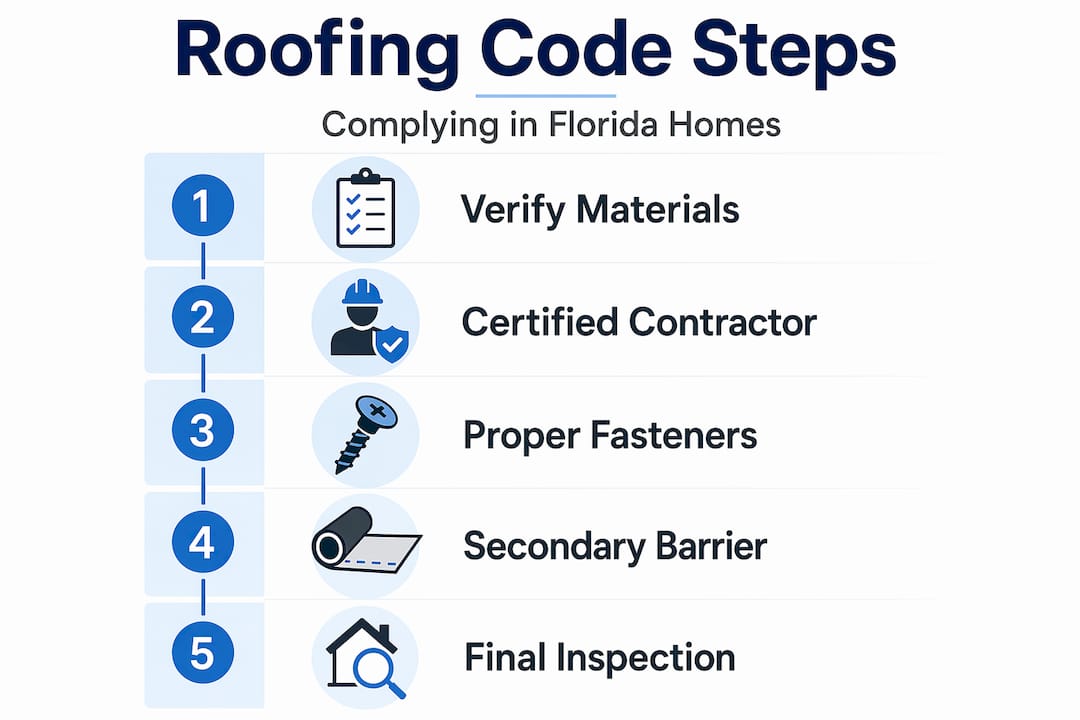
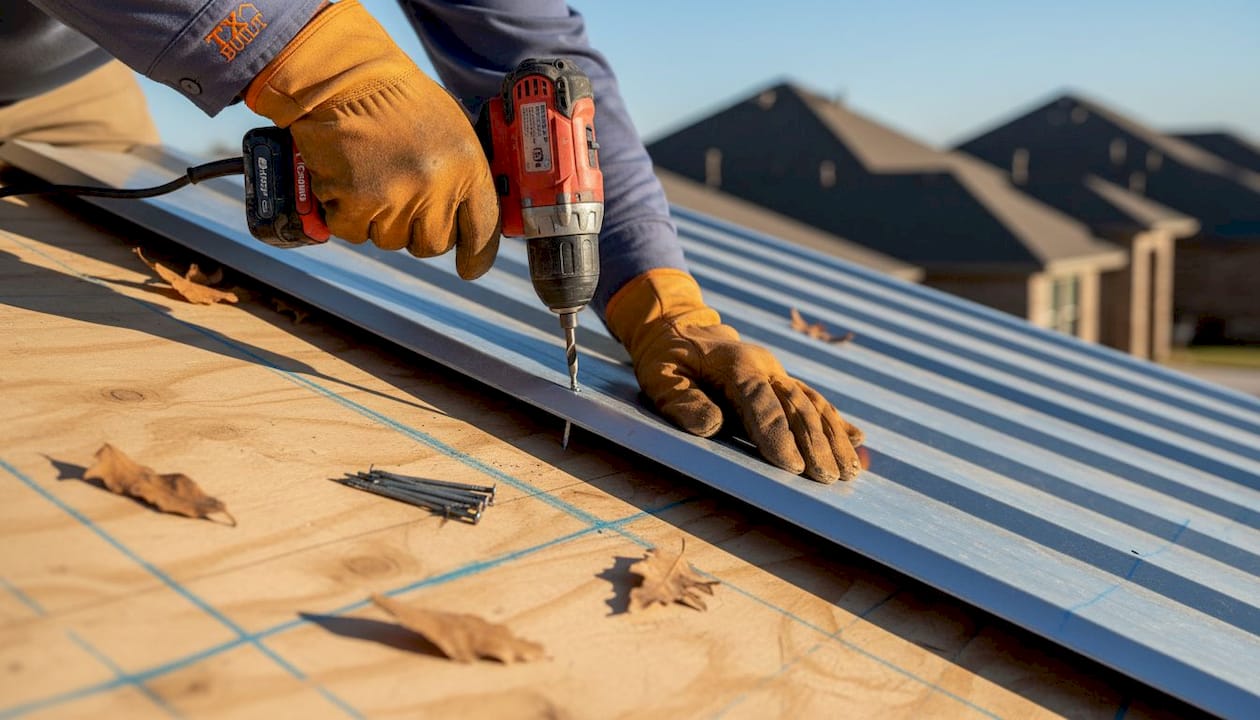
Florida’s building codes are not suggestions. The Florida Building Code requires ring-shank nails at 6-inch spacing for roof decking along with a waterproof secondary water barrier underneath the primary roofing material. Missing either requirement is a code violation that can void insurance claims and complicate property sales.
Here is how the compliance process actually works for homeowners:
- Obtain permits before any work begins. Unpermitted roofing work is a serious liability in Florida and can result in required tear-offs at your expense.
- Use only approved materials and fastening methods matched to your wind zone. Central Florida generally requires products rated for at least 130 mph.
- Install a secondary water barrier beneath all primary roofing material. This step is mandatory under Florida Building Code and is frequently missed by low-bid contractors.
- Schedule a county inspection once installation is complete. The inspector verifies fastening, materials, and barrier compliance before the project receives final approval.
- Maintain documentation of permits, material certifications, and inspection results. Your insurance company and future buyers will want this paperwork.
The most common pitfalls homeowners encounter include contractors using smooth-shank nails instead of ring-shank, skipping the secondary barrier entirely, and using materials that lack proper Florida product approval. Each of these is a violation that can show up during claims processing at the worst possible moment.
For a full breakdown of what applies to your area, the Central Florida roofing code requirements page covers the 2026 specifics. The roof maintenance and compliance guide is also worth bookmarking to track ongoing requirements after installation.
How adhering to roofing standards benefits homeowners and property managers
Following Florida roofing standards is not just about staying legal. The financial and practical returns are real, and they add up faster than most homeowners expect.
A wind-rated roof upgrade can save Florida homeowners $500 to $2,000+ annually on insurance premiums by demonstrating reduced storm damage risk.
Insurance companies in Florida use wind mitigation inspections to determine how much risk your roof represents. A compliant roof with proper fastening, approved materials, and a secondary water barrier scores well on these inspections, and that translates directly to lower premiums.
The full picture of benefits includes:
- Safety assurance. A code-compliant roof is engineered to stay in place during the storms most likely to hit your area.
- Lower insurance costs. Wind mitigation credits can cut hundreds to thousands of dollars off your annual premium.
- Higher resale value. Buyers and their lenders pay attention to roof compliance. A certified, properly installed roof is a documented asset.
- Longer roof lifespan. Code-compliant installation reduces premature wear, meaning fewer repairs and a longer cycle before replacement.
- Peace of mind. Knowing your roof meets Florida’s storm standards is not nothing, especially when a named storm is 48 hours away.
If your roof has already been tested by a Florida storm, the storm damage repair guide walks through what comes next and how to navigate the claims and repair process without leaving money on the table.
The overlooked truths about Florida roofing standards every homeowner should know
Here is what most articles on this topic will not tell you: the code is a floor, not a ceiling. Passing inspection means your roof met the minimum. It does not mean it will perform at the top end of what Florida storms can throw at it.
We see this constantly in Central Florida. A homeowner gets a new roof, passes inspection, and feels covered. Then a storm with sustained 100 mph winds hits and the roof loses shingles because the contractor used the minimum nail schedule and minimum-grade materials. Everything was technically legal. Nothing was resilient.
Codes and mitigation standards reduce avoidable losses by improving performance under natural hazard stress, but that only works when contractors apply them with craftsmanship, not just compliance theater. The IBHS research on roofing performance consistently shows that installation quality is as important as material selection when storm survival is the goal.
The other truth homeowners miss is the value of small upgrades between full replacements. Adding hurricane clips where they were never installed, renailing decking to ring-shank standards, or replacing a deteriorated secondary barrier can improve your roof’s wind resistance by 20 to 30 percent without tearing everything off. These upgrades cost a fraction of a full replacement and make a measurable difference.
“Americans must demand more out of roofs to protect us from severe weather.” — IBHS
The importance of roof inspections cannot be overstated here. An inspection by a knowledgeable, certified roofer can catch fastener drift, deteriorating underlayments, and flashing failures before they turn into a five-figure repair after the next storm.
Pro Tip: Do not rely solely on a material’s wind rating label. Ask your contractor to walk you through their specific installation method, fastener type, spacing schedule, and how they handle the secondary barrier. That conversation tells you more about actual performance than any product brochure.
How Thomas Roofing & Repair helps Central Florida homeowners meet roofing standards
Protecting your home starts with a team that knows Florida’s standards from the ground up and applies them on every job.

At Thomas Roofing & Repair, we specialize in installations and repairs built to exceed Florida’s roofing codes across Brevard, Volusia, and Orange counties. Every project uses materials with Florida Product Approval or Miami-Dade NOA certification, proper ring-shank fastening, and code-mandated secondary water barriers. Our storm-ready roof craftsmanship goes beyond passing inspection; it is built to perform when conditions get serious. Whether you need a full roof replacement in Maitland or a targeted repair after storm damage, our team handles permits, inspections, and documentation so you have a complete compliance record. Get in touch for a free estimate and make sure your roof is ready before hurricane season arrives.
Frequently asked questions
Why are Florida roofing standards stricter than in other states?
Florida roofing standards are stricter because the state faces a combination of hurricane-force winds, heavy rain, intense UV exposure, and salt air corrosion that most states do not. These conditions demand materials and installation methods that strengthen homes against natural hazards far beyond what a standard national building code requires.
How do roofing standards affect insurance premiums in Florida?
Roofs that meet Florida’s wind mitigation standards qualify for significant insurance discounts because they present lower risk to insurers. A compliant roof upgrade can translate to savings of $500 to $2,000+ annually on your homeowners insurance premium.
What are the common materials approved under Florida roofing standards?
Approved materials include asphalt shingles, metal panels, stone-coated steel, and clay or concrete tiles, all of which must carry a Florida Product Approval (FL#) or Miami-Dade NOA certification and be installed with code-compliant fastening and underlayments.
Why is a secondary water barrier required in Florida roofing?
The secondary water barrier is required because surface roofing materials can be stripped away during a hurricane, leaving the structure exposed. The barrier is a waterproof underlayment layer mandated by the Florida Building Code’s HVHZ standards to prevent interior water damage when that happens.
How can homeowners verify if their roofer complies with Florida standards?
Ask your contractor to provide the FL# or Miami-Dade NOA for every material they plan to use, confirm they will pull the required permits, and request inspection documentation when the job is complete. The FRSA recommends working exclusively with Florida-certified, licensed, and insured roofing professionals to ensure compliance and quality from start to finish.