Central Florida homeowners face unique roofing challenges due to hurricane threats. Did you know Florida Building Code requires roofs to withstand winds up to 130 mph? Meeting these stringent codes protects your home investment while ensuring legal compliance. This guide explains code requirements, permit processes, approved materials, contractor selection, and compliance strategies. You’ll gain clarity on navigating Central Florida’s roofing regulations confidently.
Table of Contents
- Introduction To Roofing Codes In Central Florida
- Key Roofing Building Code Requirements In Central Florida
- Permitting And Inspection Process For Roofing Projects
- Common Misconceptions About Roofing Codes In Central Florida
- Choosing A Code-Compliant Roofing Contractor
- Consequences Of Non-Compliance And How To Avoid Them
- Summary And Practical Steps For Homeowners
- Protect Your Home With Expert Roof Installation And Repair
- Frequently Asked Questions
Key takeaways
| Point | Details |
|---|---|
| Wind resistance | Florida roofing codes require roofs to withstand winds up to 130 mph. |
| Permit requirements | Permits are mandatory for repairs over $2,500 with required inspections. |
| Material standards | Only roofing materials meeting ASTM D7158 Class H standard comply. |
| Certified contractors | Hiring certified contractors knowledgeable in local codes is crucial. |
| Non-compliance risks | Non-compliance risks include fines, insurance issues, and structural failures. |
Introduction to roofing codes in Central Florida
Building codes exist to ensure safety and structural durability for all residential construction. These regulations protect homeowners by mandating minimum standards that withstand local environmental challenges. Without codes, homes would face unnecessary risks during severe weather events.
Central Florida’s location makes it particularly vulnerable to hurricanes and high winds. The region experiences frequent tropical storms that test roofing systems beyond typical wear. This climate reality demands stricter roofing standards than many other U.S. regions.
The Florida Building Code addresses roofing comprehensively in its residential provisions. This framework focuses on wind resistance and material performance under extreme conditions. The code updates regularly to incorporate new research and lessons from past storm damage.
Key aspects of Central Florida roofing codes include:
- Wind load calculations based on geographic location and exposure
- Material testing standards ensuring hurricane-level durability
- Installation techniques that maintain roof integrity during storms
- Inspection protocols verifying compliance at critical construction phases
Understanding these fundamentals helps you make informed decisions about roofing projects. Compliance isn’t just about avoiding penalties. It’s about protecting your family and property investment through proven engineering standards.
Key roofing building code requirements in Central Florida
Central Florida falls within a 130 mph wind load zone under Florida Building Code. This means roofing materials must meet specific standards such as ASTM D7158 Class H to be compliant with Florida Building Code, ensuring durability against high wind pressures. Every roof component must demonstrate resistance to these forces through testing.
Approved materials carry specific certifications you should verify before purchase. The ASTM D7158 Class H rating indicates a material survived impact testing simulating hurricane debris. Products without this certification cannot legally be installed on Central Florida homes.
Roofing materials for Florida homes vary in wind resistance capabilities. Asphalt shingles, metal panels, and tile systems all require proper ratings. Here’s a comparison of compliant versus non-compliant options:
| Material Type | Compliant Option | Non-Compliant Option |
|---|---|---|
| Asphalt Shingles | Class H rated architectural shingles | Standard 3-tab shingles without testing |
| Metal Roofing | Standing seam with engineering approval | Corrugated panels without wind testing |
| Tile Systems | Concrete or clay with approved fastening | Generic tile without installation specs |
| Underlayment | Self-adhering polymer modified | Basic felt paper |
Structural fastening determines whether your roof stays attached during storms. Nails or screws must penetrate sheathing adequately and meet spacing requirements. Ring shank nails provide superior holding power compared to smooth shank alternatives.
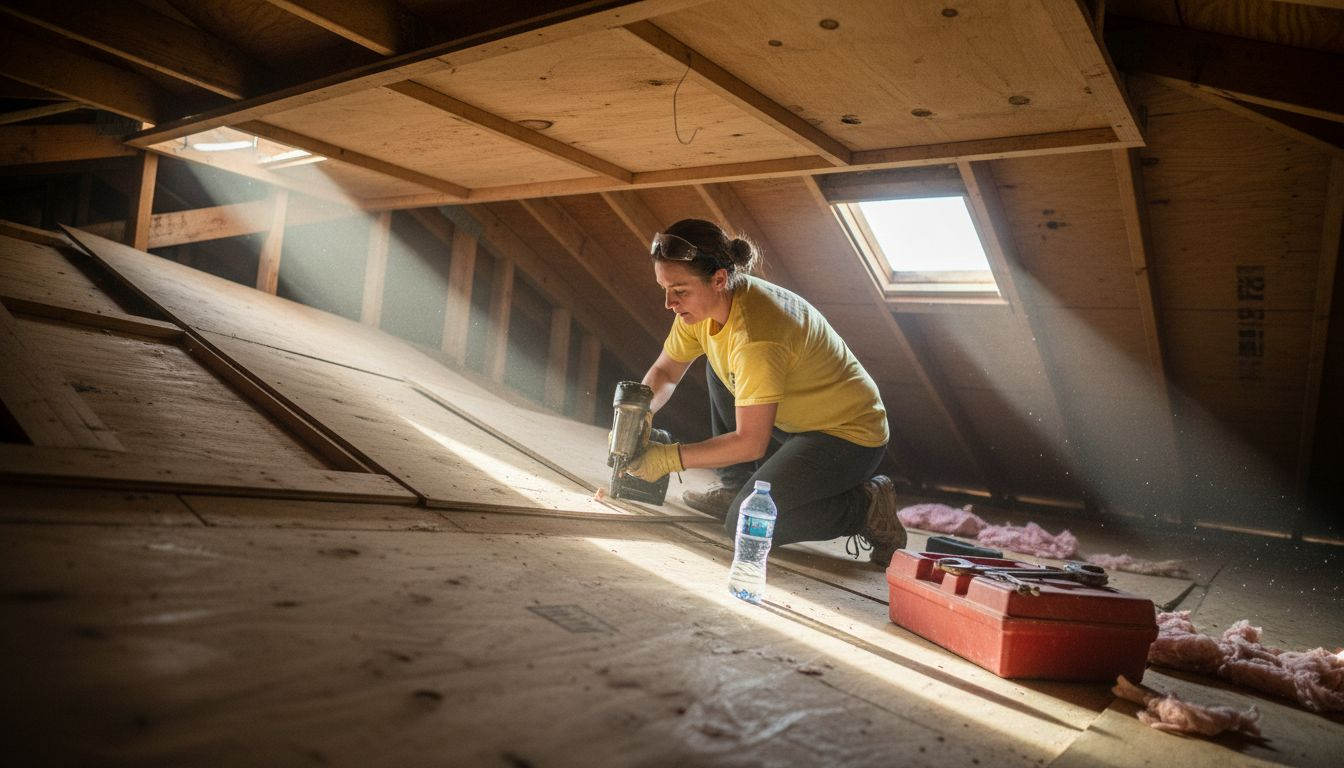
Installation criteria extend beyond fasteners to include flashing, ventilation, and edge details. Each element contributes to overall system performance. Cutting corners on any component compromises the entire roof’s wind resistance.
Pro Tip: Always request product approval documentation from your contractor before materials arrive. Check the Florida Building Code roofing standards database directly to confirm approvals are current and valid for your specific county.
Exploring examples of roofing materials in Central Florida helps visualize compliant options. When planning roof replacement code requirements, understanding these standards ensures your project meets all legal mandates from the start.
Permitting and inspection process for roofing projects
Permits are mandatory for roof replacements and repairs exceeding $2,500 in Florida, with inspections required to verify compliance before project closure. This threshold captures most substantial roofing work requiring professional oversight. Minor repairs like replacing a few shingles typically fall below this limit.
The permit application process involves several steps:
- Submit detailed project plans including material specifications to your local building department.
- Pay permit fees based on project scope and valuation.
- Schedule the initial inspection before work begins to verify existing conditions.
- Complete roofing work according to approved plans and code requirements.
- Request interim inspections at critical phases like deck installation or underlayment.
- Pass final inspection confirming all work meets Florida Building Code standards.
- Receive certificate of completion allowing legal occupancy and insurance coverage.
Timing matters significantly in the permitting process. Building departments require several business days to review applications. During peak storm seasons, wait times extend due to high demand. Planning ahead prevents project delays.
Inspectors verify specific elements during site visits. They check material certifications, fastening patterns, flashing installation, and ventilation adequacy. Failed inspections require corrections before work proceeds. Understanding expectations helps contractors pass on the first attempt.
Pro Tip: Apply for permits at least two weeks before your planned start date. This buffer accommodates review time and potential plan revisions without delaying your contractor’s schedule or exposing your home to weather during permitting delays.
The roof replacement permit process streamlines when you work with experienced contractors. A thorough roofing inspection checklist ensures nothing gets overlooked. Proper documentation of mandatory roofing permits and inspections protects your investment.
Common misconceptions about roofing codes in Central Florida
Many homeowners believe all roofing materials sold locally automatically comply with Florida codes. This assumption proves costly when non-approved products fail inspections. Retailers stock various products serving different markets and applications.
Some think minor repairs never require permits regardless of cost. The $2,500 threshold applies to total project value, not individual repair types. Even patching work can exceed this limit when materials and labor combine.
Another misconception assumes all licensed contractors fully understand local roofing codes. Licensing proves basic competency but doesn’t guarantee current knowledge of code updates. Contractors working across multiple counties may lack specific local expertise.
Top misconceptions homeowners should avoid:
- Believing cheaper materials labeled “Florida approved” meet all code requirements without verification
- Assuming verbal contractor assurances replace official permit documentation
- Thinking homeowner’s insurance automatically covers non-compliant roof repairs
These false beliefs lead to rejected permits, failed inspections, and costly rework. Education prevents these expensive mistakes. Always verify claims independently through official channels.
Code requirements change periodically as engineering knowledge advances. What complied five years ago may not meet current standards. Staying informed protects you from outdated advice even from well-meaning sources.
Choosing a code-compliant roofing contractor
Selecting qualified contractors starts with verifying Florida state roofing certification. Licensed contractors carry either certified or registered designations depending on business structure. Both require passing examinations demonstrating code knowledge.
Insurance coverage protects you from liability during roofing work. Verify both general liability and workers’ compensation policies remain current. Request certificates of insurance directly from the carrier, not just contractor copies.
Ask specific questions revealing code expertise. How do contractors handle wind uplift calculations for your roof design? What fastening schedules do they follow for your chosen material? Detailed answers demonstrate real knowledge versus generic responses.
Signs of reputable contractors include:
- Willingness to pull permits and schedule inspections without hesitation
- Detailed written contracts specifying code-compliant materials and methods
- References from recent projects in your county with similar scope
- Manufacturer certifications for installing specific roofing systems
- Clear communication about timeline, costs, and compliance requirements
Pro Tip: Verify contractor licenses on the Florida Department of Business and Professional Regulation website before signing contracts. This official database shows license status, disciplinary actions, and complaint history that reveal contractor reliability and code compliance track record.
Researching top roof replacement companies helps identify qualified candidates. Local Florida roofing contractors often provide superior code knowledge due to regional focus. Review qualified roofing contractor profiles to assess experience levels.
Consequences of non-compliance and how to avoid them
Building departments impose fines for unpermitted work or code violations discovered during inspections. Penalties range from hundreds to thousands of dollars depending on violation severity. Repeat offenses carry escalating consequences including stop-work orders.
Insurance companies deny claims when damage involves non-compliant roofing. Your policy requires code-compliant construction as a coverage condition. Storm damage to an unpermitted roof may leave you fully liable for repairs.
Structural risks multiply with non-compliant roofing during hurricanes. Roofs installed without proper wind resistance fail catastrophically in high winds. This failure exposes your home’s interior to devastating water damage and potential collapse.
Homes with code-compliant roofs experience 60% less storm damage compared to non-compliant installations during Category 3 hurricanes.
Steps to avoid non-compliance penalties:
- Research code requirements before planning any roofing project.
- Obtain permits for all work exceeding the $2,500 threshold.
- Hire only licensed, insured contractors with verified code expertise.
- Request copies of all inspection reports and approval documentation.
- Verify material certifications match Florida Building Code approved products.
- Maintain complete project records including permits, inspections, and warranties.
Documentation proves compliance if questions arise during insurance claims or home sales. Future buyers and insurers demand evidence of code-compliant construction. Missing documentation creates obstacles that reduce property value.
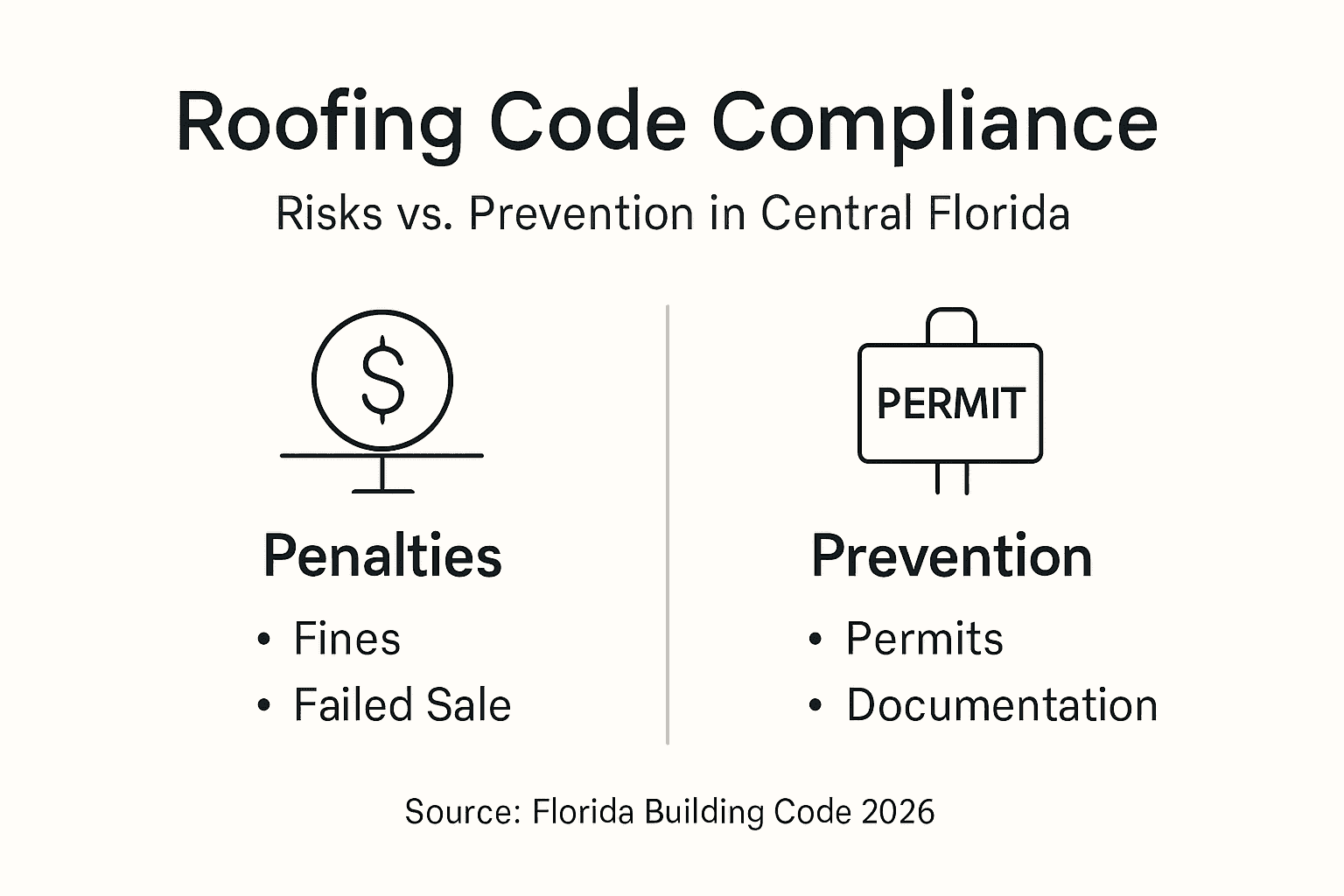
Prevention costs far less than correction after violations occur. Budgeting for proper permits and quality materials protects your investment long term. Shortcuts compromise safety and create expensive legal complications.
Summary and practical steps for homeowners
Central Florida roofing codes center on wind resistance, approved materials, mandatory permits, and inspection compliance. Roofs must withstand 130 mph winds using ASTM D7158 Class H rated materials. Projects over $2,500 require permits and pass inspections before completion.
Before starting any roofing project:
- Verify your chosen materials carry current Florida Building Code approvals
- Confirm your contractor holds valid state certification and insurance
- Apply for permits at least two weeks before planned work begins
- Review contract terms ensuring code compliance specifications
- Schedule inspections at required project phases
This table outlines the complete compliance process:
| Phase | Action Required | Timeline |
|---|---|---|
| Planning | Research code requirements and approved materials | 2-3 weeks before project |
| Contractor Selection | Verify licenses, insurance, and code expertise | 1-2 weeks before project |
| Permitting | Submit application with material specs | 10-14 days before start |
| Installation | Complete work per approved plans | Varies by scope |
| Inspection | Pass required inspections at each phase | Throughout project |
| Completion | Receive certificate of completion | Final project day |
Helpful resources for ongoing research:
- Florida Building Code official website for current standards and updates
- County building department websites for local permit procedures
- Florida Department of Business and Professional Regulation for contractor verification
- Product manufacturer websites for certification documentation
- Local roofing associations offering homeowner education programs
Staying informed protects your investment and ensures compliance. Codes exist to safeguard homes against Central Florida’s challenging climate. Following these requirements isn’t just legal obligation but smart risk management.
Protect your home with expert roof installation and repair
Navigating Florida Building Code requirements demands expertise and attention to detail. Thomas Roofing and Repair specializes in code-compliant installations that withstand Central Florida’s toughest storms. Our licensed contractors understand every nuance of local requirements.

We handle complete permit processing and inspection coordination, removing complexity from your project. Our team stays current on code updates ensuring your roof meets the latest standards. From material selection through final inspection, we manage every compliance detail.
Service coverage spans Horizon West, Titusville, Orlando, and surrounding Central Florida communities. We bring the same code expertise to every project regardless of size. Our reputation depends on delivering compliant, durable roofing that protects homes for decades.
Benefits of choosing Thomas Roofing and Repair:
- Full Florida Building Code compliance on every installation
- Licensed, insured workforce with extensive local experience
- Complete permit and inspection management
- Only approved materials meeting ASTM D7158 Class H standards
Whether you need roof installation in Horizon West, FL, roof installation in Titusville, FL, or residential roofing services in Orlando, our team delivers code-compliant quality. Contact us today for a free estimate and experience the peace of mind that comes from properly permitted, expertly installed roofing.
Frequently asked questions
What roofing materials comply with Central Florida building codes?
Only roofing materials meeting ASTM D7158 Class H or approved Florida Building Code product standards are compliant. This ensures durability against 130 mph winds common in Central Florida. Verify product approvals through the official Florida Building Code database before purchase.
When is a roofing permit required in Central Florida?
Permits are required for roof repairs or replacements over $2,500 in cost. Inspections must be scheduled to verify work complies with local codes. Even substantial repair work falls under this threshold and requires official approval.
How can I verify my roofing contractor is code compliant?
Check Florida state roofing certification and insurance validity online through the Department of Business and Professional Regulation. Ask contractors specific questions about Central Florida roofing code experience. Request references from recent local projects with similar scope.
What are the risks of ignoring roofing codes?
Risks include costly fines, insurance claim denials, and increased damage during storms. Non-compliant roofs may fail under hurricane-level winds, exposing your home to catastrophic damage. Documentation gaps also complicate future home sales.