
Roof inspection benefits for Central Florida properties
Choosing the right roof inspection service in Central Florida shouldn’t feel overwhelming. Professional inspections protect your investment from costly storm damage and extend roof life in Florida’s harsh climate. This guide breaks down critical benefits and shows you how to select inspection services that truly safeguard your property value.
Table of Contents
- How To Choose The Right Roof Inspection Service
- Preventive Maintenance Benefits Of Roof Inspections
- Compliance And Building Code Requirements In Florida
- Weather And Storm Damage Considerations For Central Florida Roofs
- Professional Vs Diy Roof Inspections: Risks And Benefits
- Reporting And Follow-Up After A Roof Inspection
- Situational Recommendations Based On Property Needs
- Protect Your Roof With Trusted Central Florida Inspection And Repair Services
- Frequently Asked Questions About Roof Inspections In Central Florida
Key takeaways
| Point | Details |
|---|---|
| Early detection saves money | Professional inspections identify roof issues before they escalate into expensive repairs. |
| Compliance matters | Regular inspections help meet Florida building codes and maintain insurance eligibility. |
| Storm readiness | Central Florida’s severe weather makes timely inspections crucial for preventing major damage. |
| Certified expertise | Trained inspectors use advanced tools and methods for thorough evaluations. |
| Long-term value | Strategic inspection investments extend roof lifespan and protect resale value. |
How to choose the right roof inspection service
Selecting a reliable roof inspection service requires understanding what separates thorough professionals from surface-level checks. Central Florida’s unique climate demands inspectors who know how humidity, storms, and intense UV exposure affect different roofing materials.
Start by verifying Florida licensing and certification. Licensed inspectors understand state building codes and insurance requirements specific to our region. They know what storm damage looks like and how to document it properly for claims.
Inspection frequency matters significantly in Central Florida. The roof maintenance checklist approach suggests annual or biannual inspections depending on roof age and recent weather events. Frequent inspections reduce major repairs by catching problems early, before minor issues become structural nightmares.
Your chosen service should provide comprehensive scope coverage:
- Storm damage assessment including wind uplift and water intrusion
- Structural evaluation of decking, trusses, and support systems
- Material condition analysis for shingles, tiles, or metal panels
- Flashing and sealant integrity checks
- Drainage system functionality review
Pricing transparency separates professional services from questionable operators. Request detailed quotes that itemize inspection components. Some companies offer virtual inspection options using drone technology, which works well for quick post-storm assessments when physical access is limited.
Pro Tip: Ask potential inspectors about their storm damage experience specific to Central Florida. Inspectors familiar with hurricane-force winds and flash flooding provide more accurate assessments than those without regional expertise.
Preventive maintenance benefits of roof inspections
Regular professional inspections transform roof maintenance from reactive emergencies into proactive protection. Early detection prevents small problems from multiplying into expensive disasters that threaten your entire property.
Central Florida’s weather accelerates roof deterioration. Intense UV radiation, torrential rain, and high humidity create perfect conditions for material breakdown. Professional inspectors spot subtle warning signs you’d miss during casual visual checks:
- Granule loss on asphalt shingles indicating UV damage
- Microscopic cracks in sealants before they allow water intrusion
- Beginning stages of algae or moss growth that trap moisture
- Loose or missing fasteners from wind stress
- Early flashing separation around chimneys and vents
The financial impact of prevention versus reaction is substantial. Homeowners who schedule inspections every 2 years spend 20-30% less on roofing repairs over a decade compared to those who wait for visible problems. That translates to thousands of dollars saved through strategic maintenance timing.
Biannual inspections significantly reduce emergency repairs. When you catch loose shingles before the next storm, you avoid interior water damage, mold remediation, and drywall replacement. Understanding your roof maintenance role helps you schedule inspections strategically around weather patterns.
Regular professional assessments can extend average roof life by up to 25%. A roof designed to last 20 years might reach 25 years with consistent preventive care. That extra lifespan delays the need for complete replacement, protecting your budget from major unexpected expenses.
Compliance and building code requirements in Florida
Florida’s building regulations treat roof inspections as critical safety measures, not optional maintenance. Understanding these legal requirements protects you from penalties while ensuring your property meets insurance and resale standards.
Florida Senate Bill 4D mandates milestone inspections every 10 years for condominiums and certain buildings three stories or higher. These comprehensive structural assessments include roof system evaluation to identify safety hazards before they become catastrophic failures.
Code compliance extends beyond milestone requirements:
- Roof replacements require permits and inspections to verify proper installation
- Repair projects exceeding specific cost thresholds trigger inspection requirements
- In-progress inspections ensure critical elements like underlayment and flashing meet standards
- Final inspections confirm completed work matches approved plans and code specifications
The compliance benefit extends to your insurance coverage. Many Florida insurers require proof of recent roof inspections to maintain or renew policies. Properties with documented regular inspections often qualify for premium discounts because they demonstrate lower risk.
In-progress roof inspections reduce leak issues by 25% by catching installation errors before they’re covered up. When inspectors verify proper flashing installation and underlayment overlap during construction, you avoid hidden defects that only reveal themselves during the next major storm.
| Inspection Type | Requirement | Purpose |
|---|---|---|
| Milestone | Every 10 years for qualifying buildings | Structural safety verification |
| Replacement | During permitted roof replacement | Code compliance confirmation |
| In-progress | During installation phases | Quality assurance and defect prevention |
| Pre-sale | Often required for property transfers | Buyer protection and disclosure |
Compliance inspections improve resale value by providing documented proof of proper maintenance. Buyers pay premium prices for properties with clear inspection histories showing proactive care. The roof replacement guide helps you understand when inspections transition into replacement decisions.
Weather and storm damage considerations for Central Florida roofs
Central Florida’s position in the hurricane corridor creates unique inspection priorities that differ dramatically from other regions. Professional storm damage assessments identify problems that seem minor but indicate serious structural compromise.
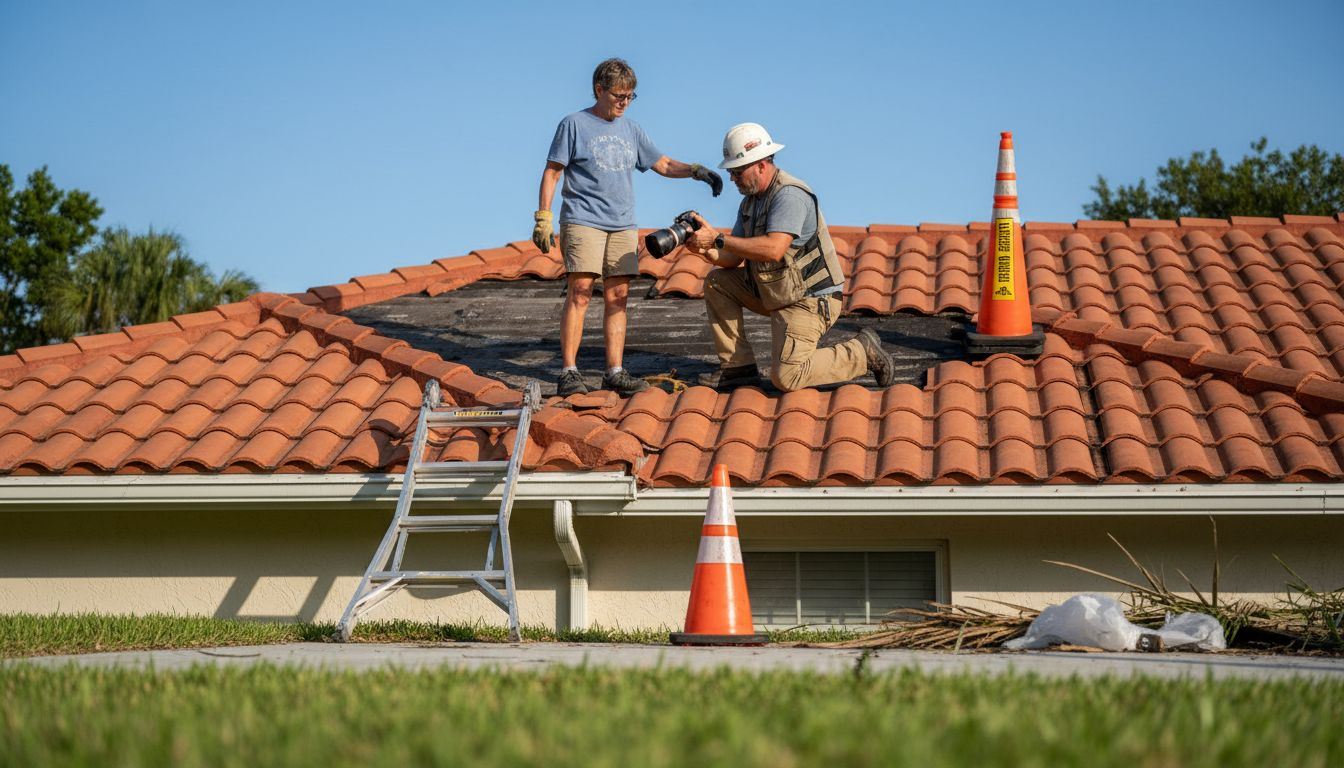
Our climate delivers relentless challenges. Hurricane-force winds test every fastener and seal. Torrential rainfall finds any weakness in waterproofing. Intense heat and UV radiation age materials faster than manufacturers’ standard projections account for.
Storm-related claims account for over 40% of roofing insurance claims in Florida. That statistic reflects how even moderate storms cause damage requiring professional repair. Timely inspections after weather events catch problems before they multiply.
Typical storm damage inspectors identify:
- Shingle loss or damage from wind uplift
- Flashing separation allowing water intrusion
- Debris impact creating punctures or cracks
- Drainage system blockages causing pooling water
- Structural movement affecting roof integrity
Inspection timing matters critically after storms. Schedule assessments within days of major weather events, even if you don’t see obvious damage. Hidden problems like loosened fasteners or microscopic cracks worsen rapidly when exposed to subsequent rain.
Seasonal patterns should guide your inspection schedule. Post-hurricane season inspections in November or December assess cumulative damage from summer and fall storms. Spring inspections prepare your roof for the upcoming severe weather months.
Understanding roof replacement signs helps you recognize when storm damage crosses the threshold from repair to replacement. Some damage patterns indicate your roof has reached the end of its serviceable life regardless of its chronological age.
Professional storm assessments document damage properly for insurance claims. Inspectors photograph problems, measure affected areas, and provide detailed reports that substantiate your claim. This documentation proves invaluable when negotiating with adjusters who might otherwise minimize storm impact.
Professional vs DIY roof inspections: risks and benefits
The temptation to climb up and check your own roof seems reasonable until you understand what professional training reveals. DIY inspections miss subtle indicators that signal serious problems developing beneath the surface.
Professional inspectors bring certified expertise that transforms inspection quality. They recognize material-specific failure patterns, understand structural load requirements, and know which problems demand immediate attention versus scheduled monitoring. Their detailed reports provide actionable information rather than vague observations.
Professional inspections uncover twice as many hidden roof issues as DIY checks according to industry comparisons. That difference stems from training, experience, and specialized tools like moisture meters and thermal imaging cameras.
| Factor | Professional Inspection | DIY Inspection |
|---|---|---|
| Expertise | Certified training and regional experience | Limited knowledge of failure patterns |
| Safety | Proper equipment and insurance coverage | Significant fall risk and liability |
| Thoroughness | Systematic checklist covers all components | Easily miss hidden or subtle problems |
| Documentation | Detailed reports with photos and priorities | Informal notes without supporting evidence |
| Cost | Higher upfront but prevents expensive mistakes | Free but risks missing costly issues |
Safety risks make DIY inspections particularly dangerous in Florida. Our steep-pitched roofs combined with slippery tile or metal surfaces create serious fall hazards. Heat exhaustion adds another risk during summer months when roof surface temperatures exceed 150 degrees.
The cost comparison favors professional services despite higher initial expense. Missing a $200 repair during DIY inspection can lead to $5,000 in water damage by next rainy season. Professional inspection fees represent insurance against those catastrophic oversights.
Pro Tip: If you want to perform visual checks between professional inspections, use binoculars from the ground. Look for obvious issues like missing shingles or sagging areas, but schedule professional assessment for anything concerning you notice.
Understanding professional roofing benefits clarifies why expertise matters for protecting your investment. Professionals carry liability insurance covering any damage during inspection, while DIY efforts leave you fully responsible for accidents or mistakes.
Reporting and follow-up after a roof inspection
A thorough inspection report transforms raw observations into actionable maintenance strategy. Professional documentation provides the foundation for repair planning, contractor negotiations, and insurance claim support.
Comprehensive reports include itemized findings with severity ratings. Inspectors categorize problems as immediate safety concerns, repairs needed within months, or items to monitor during future inspections. This prioritization helps you budget appropriately and sequence repairs logically.
Photographic documentation proves essential for multiple purposes:
- Visual evidence supporting repair necessity when discussing with family or partners
- Baseline comparison for future inspections tracking problem progression
- Insurance claim substantiation showing damage extent and location
- Contractor communication eliminating ambiguity about problem areas
Detailed inspection reports improve contractor agreement clarity in over 70% of cases by establishing shared understanding of work scope. When contractors bid on repairs using professional inspection reports, their quotes reflect accurate assessment rather than guesswork.
Reports facilitate insurance claims by providing third-party verification of damage. Adjusters respect documentation from licensed inspectors more than homeowner descriptions. Detailed findings with measurements and photos strengthen your claim position during negotiations.
Follow-up inspections verify repair completion and quality. After contractors finish work, having the original inspector return ensures repairs addressed all identified problems correctly. This verification protects you from substandard workmanship that might not reveal problems until the next storm.
The 2026 roof maintenance guide explains how to use inspection findings for long-term planning. Understanding roof inspection key facts helps you interpret report terminology and prioritize recommended actions appropriately.
Situational recommendations based on property needs
Different properties demand customized inspection approaches based on roof type, usage patterns, and exposure risks. Tailoring inspection frequency and methods to your specific situation optimizes protection while managing costs.
Residential properties benefit most from professional inspections every two years under normal conditions. This frequency catches developing problems early while avoiding unnecessary expense from over-inspection. Increase frequency to annual inspections for roofs over 15 years old or after major storm seasons.
Commercial properties require different considerations. Larger roof areas, flat or low-slope configurations, and HVAC equipment create unique vulnerability points. Commercial inspections should occur:
- Annually as baseline maintenance for properties under 10 years old
- Biannually for older commercial roofs or those with previous repair history
- After any construction work or equipment installation on the roof
- Following major weather events regardless of visible damage
- Before lease renewals or property sales to document condition
The commercial roofing checklist provides detailed guidance for property managers balancing thoroughness with budget constraints.
Virtual inspections using drone technology suit specific scenarios. They work well for quick post-storm assessments when you need rapid damage evaluation before adjusters arrive. Virtual methods also help when physical roof access is temporarily impossible due to safety concerns or ongoing construction.
Storm-prone locations demand aggressive inspection timing. Properties near the coast or in areas with documented tornado activity should schedule inspections immediately after any significant weather event. Don’t wait for visible interior problems to appear, as damage often remains hidden until it worsens.
Protect your roof with trusted Central Florida inspection and repair services
Understanding roof inspection benefits only helps when you connect with professionals who deliver thorough, honest assessments. Thomas Roofing & Repair brings decades of Central Florida experience to every inspection, identifying problems before they threaten your property value.

Our certified inspectors know exactly how local weather patterns damage different roofing materials. We provide detailed reports with clear photos and prioritized repair recommendations you can actually use for planning. Whether you need reliable roof repair in Titusville or comprehensive roof installation services in Horizon West, our team responds quickly to protect your investment.
Storm damage requires immediate professional attention. Our storm damage repair services minimize long-term impact by addressing problems before they multiply. Schedule your inspection today and gain peace of mind knowing your roof receives expert care from trusted local professionals.
Frequently asked questions about roof inspections in Central Florida
How often should I schedule a roof inspection in Central Florida?
Schedule professional inspections every two years for residential properties under normal conditions. Increase frequency to annual inspections for roofs over 15 years old or after major storm seasons.
What does a professional roof inspection include in Florida?
Comprehensive inspections evaluate shingle or tile condition, flashing integrity, structural components, drainage systems, and storm damage indicators. Inspectors document findings with photos and provide prioritized repair recommendations specific to Florida’s climate challenges.
Can I do a roof inspection myself instead of hiring a professional?
DIY inspections miss hidden problems and create serious safety risks from falls or heat exhaustion. Professional inspectors uncover twice as many issues using specialized training, tools, and systematic evaluation methods that justify their cost through prevented damage.
Are roof inspections mandatory for insurance or resale in Florida?
Many Florida insurers require recent inspection proof for policy renewal or discounts. Milestone inspections are legally mandated every 10 years for certain buildings, and pre-sale inspections often become purchase contract requirements providing buyer protection.
What are the typical costs associated with professional roof inspections?
Basic residential inspections range from $150 to $400 depending on roof size and complexity. Commercial inspections cost more due to larger areas and specialized equipment requirements, but investment prevents far costlier emergency repairs from undetected damage.