
TL;DR:
- TPO roofing is a popular single-ply membrane used on low-slope commercial roofs, offering durability and energy efficiency. Proper installation and regular maintenance are essential for maximizing its lifespan, which ranges from 20 to 30 years. Most failures are linked to flashing and seam issues, not the membrane material itself.
TPO roofing is defined as a single-ply thermoplastic polyolefin membrane used primarily on flat and low-slope commercial roofs, known for its heat-welded seams, white reflective surface, and strong UV resistance. If you are researching roofing materials for a warehouse, retail center, or office building, TPO is likely the first membrane you will encounter. It has become the most popular single-ply commercial roofing material in North America, capturing over 40% of the market share by 2025. That dominance reflects real performance advantages, not just marketing. This article breaks down exactly how TPO works, what it costs, how long it lasts, and when it is the right call for your building.
What is TPO roofing and how is it constructed?
TPO roofing is a thermoplastic membrane built in three distinct layers. The three-layer construction consists of a thermoplastic base layer, a polyester reinforcement scrim in the middle, and a thermoplastic top layer engineered for UV resistance. Each layer serves a specific purpose: the base provides flexibility, the scrim adds puncture resistance, and the top layer protects against sun degradation. This layered design is why TPO outperforms simpler single-material membranes in long-term field conditions.
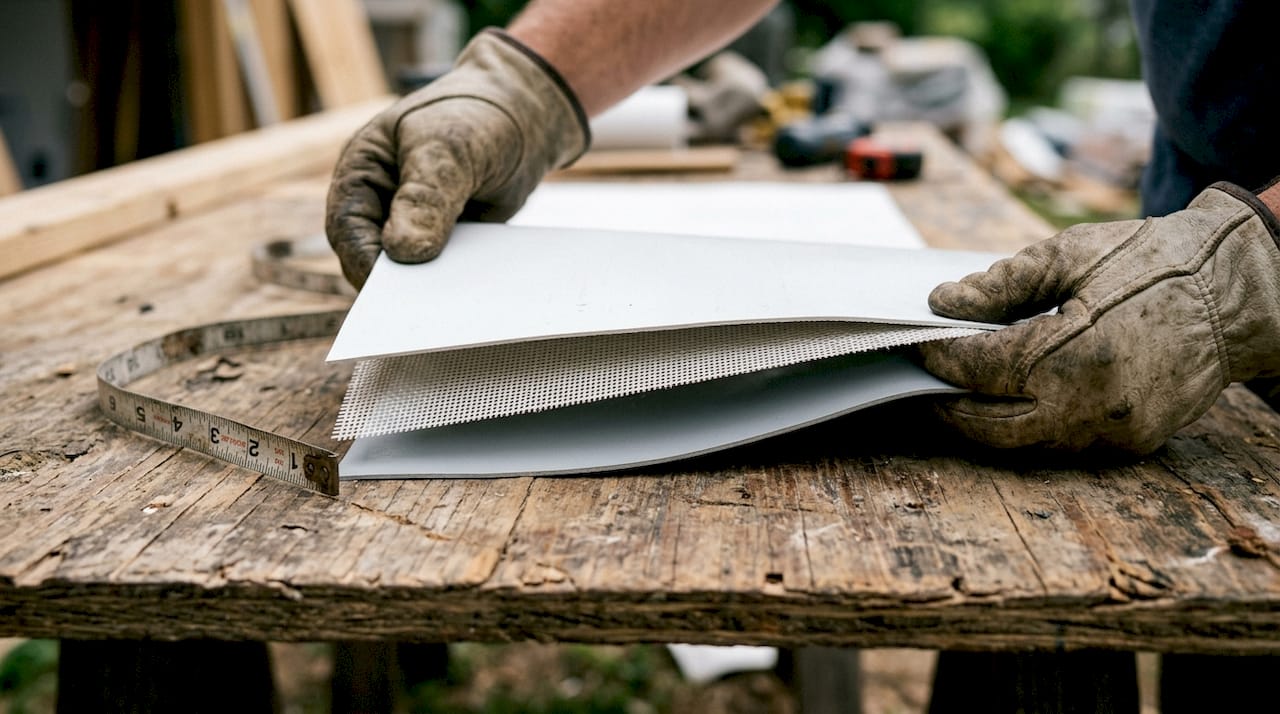
Sheets typically come in widths of 10, 12, and 20 feet, which reduces the number of seams on a roof. Fewer seams mean fewer potential leak points. Installers join sheets using a hot-air welding process that operates at temperatures between 900°F and 1,100°F. Those heat-welded seams create bonds stronger than the membrane itself, which is a measurable advantage over adhesive-based systems used with EPDM rubber membranes.
Fully adhered vs. mechanically attached systems
TPO installs in two primary ways. A fully adhered system bonds the membrane directly to the insulation below using a bonding adhesive. A mechanically attached system uses fasteners and plates driven through the membrane and insulation into the roof deck. Fully adhered systems resist wind uplift better and are preferred in high-wind regions like Central Florida. Mechanically attached systems install faster and cost less upfront, making them common on large commercial projects with tight budgets.
Pro Tip: Cold welds are the leading cause of TPO seam failure. A qualified installer checks weld quality by probing seams with a rounded tool immediately after welding. Never accept a roof where seam testing is skipped.
Professional installation is non-negotiable with TPO. The most common failure points in TPO roofs are at flashings and edge details, not the membrane sheets themselves. Improper flashing at wall penetrations, drains, and parapets accounts for the majority of leak callbacks. Hiring a certified installer with documented TPO experience is the single most effective way to avoid those failures.
What are the benefits and limitations of TPO roofing?
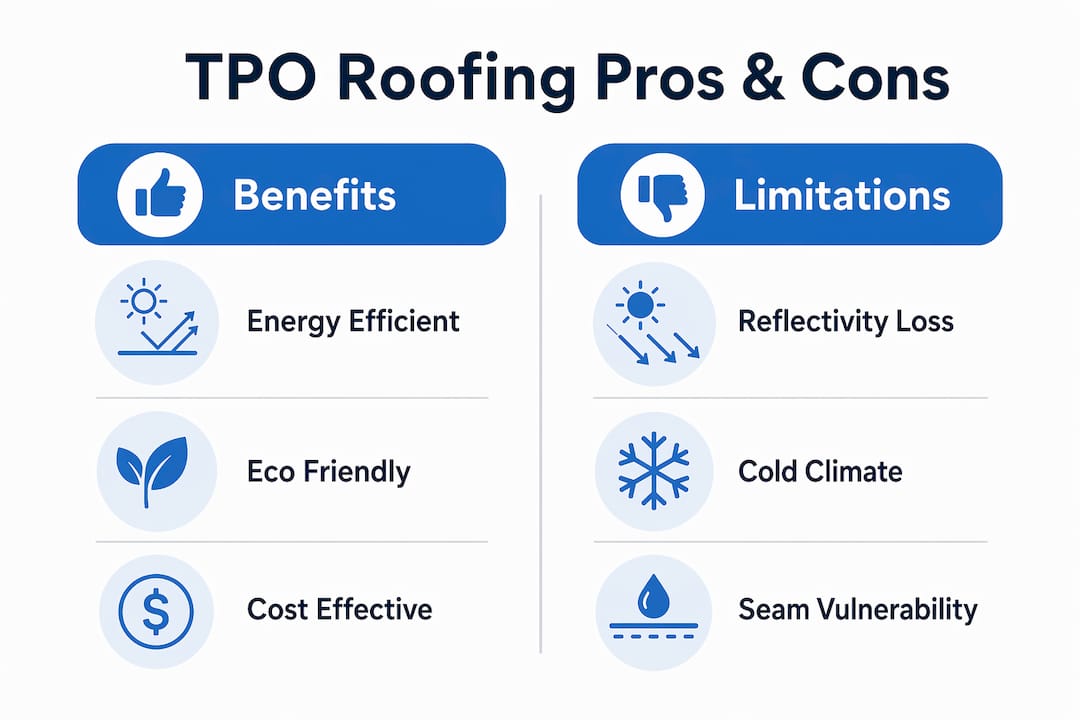
TPO’s biggest selling point is energy efficiency. White TPO membranes carry an initial solar reflectance of 80–85%, with Solar Reflectance Index values commonly ranging between 95 and 110. That reflectivity reduces cooling costs by 10–30% compared to traditional black EPDM membranes. For a building in a warm, sunny state like Florida, that translates to real dollar savings on electricity every month.
TPO also holds a strong environmental profile. It contains no chlorine, unlike PVC membranes, and is fully recyclable at end of life. Those characteristics help building owners earn LEED credits under green building certification programs. For property managers pursuing sustainability goals, TPO is a straightforward material choice that supports both performance and certification targets.
Where TPO has limitations
TPO is not without drawbacks. Reflectivity degrades over time if the membrane surface collects dust and debris, which reduces the cool roof benefit. Formulation quality has varied across manufacturers over the years, meaning not all TPO products perform equally. Thinner membranes (45 mil) are more vulnerable to puncture than thicker options (60 mil or 80 mil), so high-traffic roofs need the heavier gauge.
TPO also performs better in warm, sunny climates than in cold regions with frequent freeze-thaw cycles. In northern states, EPDM or modified bitumen may hold up better under repeated thermal stress. For flat and low-slope roofs on warehouses, retail centers, and office buildings in the Sun Belt, TPO delivers the best return on investment of any single-ply membrane available.
| Feature | TPO | PVC | EPDM |
|---|---|---|---|
| Solar reflectance | 80–85% | 80–85% | Low (black) |
| Contains chlorine | No | Yes | No |
| Recyclable | Yes | Limited | Limited |
| Seam method | Heat-welded | Heat-welded | Adhesive |
| Best climate | Warm, sunny | Warm, chemical exposure | Cold climates |
| Typical lifespan | 20–30 years | 20–30 years | 15–25 years |
When professionally installed and maintained, TPO systems last 20 to 30 years. Lifespan varies based on membrane thickness, UV exposure, and maintenance frequency. A 60 mil membrane on a well-maintained Central Florida building routinely reaches the upper end of that range. You can also explore durable roofing options for a broader comparison of long-lasting materials.
How should TPO roofing be maintained to maximize lifespan?
Regular maintenance is what separates a 15-year TPO roof from a 30-year one. Dust and debris accumulation reduces solar reflectance over time, cutting into the energy savings that justified the material choice in the first place. A simple annual cleaning with low-pressure water restores reflectivity and extends the membrane’s effective life. This is one of the lowest-cost, highest-return maintenance tasks available to any building owner.
Inspection priorities for TPO roofs include:
- Seams and welds: Check for lifting edges, bubbling, or gaps that indicate a cold weld or adhesion failure.
- Flashings and edge terminations: These are the most common failure points and should be inspected after every major storm.
- Drains and penetrations: Debris buildup around drains causes ponding water, which accelerates membrane degradation.
- Punctures and surface damage: HVAC technicians and other roof traffic are a leading cause of puncture damage on TPO membranes.
- Membrane discoloration: Unusual staining or chalking can signal UV degradation or chemical exposure.
Repairs to TPO are straightforward when caught early. A qualified technician can heat-weld a patch over a puncture or re-weld a failed seam in under an hour. Delaying repairs allows water infiltration to damage the insulation below, which turns a minor repair into a full section replacement. For guidance on roof flashing maintenance, Thomasroofingandrepair provides a detailed homeowner resource covering exactly what to watch for.
Pro Tip: Schedule TPO inspections twice a year: once in spring before hurricane season and once in fall after it ends. Central Florida’s storm season creates the highest risk of flashing damage and debris punctures.
Professional inspections every one to two years catch problems that a building manager’s walkthrough will miss. An experienced roofer uses a probe tool to test seam integrity and a moisture meter to detect wet insulation before it becomes visible from inside the building. Catching wet insulation early prevents mold growth and structural deck damage.
What should building owners consider before choosing TPO roofing?
TPO is a system, not just a membrane. Vapor barriers and insulation beneath the membrane are critical to prevent condensation and maintain roof system integrity, especially in humid climates like Central Florida. Choosing the wrong insulation type or skipping a vapor retarder can cause moisture to accumulate beneath the membrane, leading to deck rot and mold without any visible surface damage. A complete TPO roofing system requires the right deck, the right insulation, and the right membrane working together.
Key factors to evaluate before committing to TPO:
- Roof slope: TPO works on flat and low-slope roofs, typically defined as 2:12 pitch or less. Steeper slopes require a different membrane category.
- Building use: High foot traffic from HVAC maintenance requires a thicker membrane (60 mil or 80 mil) to resist puncture.
- Climate: TPO delivers the best energy savings in warm climates where cooling loads dominate. In cold climates, the reflectivity benefit shrinks.
- Budget: TPO costs less than PVC and more than EPDM in most markets. The energy savings typically offset the price difference within a few years in southern states.
- Installer credentials: Membrane manufacturers tie warranty terms to certified installer requirements. A non-certified installer voids most manufacturer warranties.
- Warranty structure: Most manufacturers offer 10 to 20-year warranties tied to membrane thickness and installer certification. Read the exclusions carefully before signing.
For building owners in Central Florida, choosing the right roofing material for the local climate is a decision that affects energy bills, storm performance, and long-term maintenance costs. TPO’s high wind-uplift resistance and reflective surface make it well-suited to the region’s heat and hurricane exposure. The cool roofing benefits of a white TPO membrane are particularly pronounced in Florida, where air conditioning runs nearly year-round.
Key Takeaways
TPO roofing is the most cost-effective single-ply membrane for flat commercial roofs in warm climates, delivering 20–30 years of service when professionally installed and regularly maintained.
| Point | Details |
|---|---|
| TPO market position | TPO holds over 40% of the North American single-ply commercial roofing market as of 2025. |
| Energy efficiency | White TPO reflects 80–85% of solar energy, cutting cooling costs by 10–30% versus black membranes. |
| Lifespan | Professionally installed and maintained TPO systems last 20–30 years depending on thickness and climate. |
| Primary failure points | Flashings and edge details fail most often. Skilled installation and regular inspection prevent most leaks. |
| System requirements | TPO performance depends on correct insulation, vapor barriers, and deck selection beneath the membrane. |
TPO roofing: what 15 years of field observation actually shows
Most articles on TPO roofing read like manufacturer brochures. They list the benefits, mention the lifespan, and move on. What they skip is the uncomfortable truth that TPO’s reputation has been uneven, and the reason is almost never the material itself.
The formulation wars of the early 2000s produced some genuinely poor TPO products that cracked and degraded well before their rated lifespan. Those failures left a generation of building owners skeptical of the membrane. The formulations available today are substantially better, and the ASTM D6878 standard has tightened quality requirements across the industry. The material is not the same product it was 15 years ago.
What has not changed is the installation problem. Every TPO roof failure I have seen in the field traces back to a flashing detail, a cold weld, or an improperly terminated edge. The membrane sheets almost never fail on their own. This means your choice of installer matters more than your choice of membrane brand. A 45 mil TPO installed by a certified crew with proper quality control will outlast a 60 mil membrane installed by the lowest bidder every single time.
The other thing worth saying plainly: TPO is not magic. It needs cleaning. It needs inspection. Building owners who treat it as a set-and-forget system are the ones who call for emergency repairs in year 12. The ones who schedule annual maintenance and biannual inspections routinely hit 25 to 30 years without a full replacement. That gap in outcomes comes entirely from maintenance discipline, not material quality.
For anyone in Central Florida weighing TPO against other flat roof options, the reflectivity advantage is real and measurable. The roofing lifespan factors that apply universally, including cleaning frequency and inspection quality, determine whether you reach the top or bottom of that 20–30 year range.
— Results
Thomasroofingandrepair: professional TPO roofing in Central Florida
Thomasroofingandrepair installs and repairs TPO roofing systems across Brevard, Volusia, and Orange counties, with a focus on the craftsmanship details that determine long-term performance.

Every TPO project starts with a full assessment of the existing deck, insulation, and vapor barrier to confirm the system is built correctly from the ground up. Thomasroofingandrepair’s crews are trained on proper hot-air welding technique, flashing termination, and seam testing, the three areas where most TPO roofs fail. For building owners who want a roof that performs for 25 years, not 12, the difference is in those details. Learn more about durable, storm-ready roofing or contact Thomasroofingandrepair directly for a free estimate on your next TPO project.
FAQ
What is TPO material made of?
TPO stands for Thermoplastic Polyolefin, a blend of polypropylene and ethylene-propylene rubber. The membrane is manufactured in three layers: a thermoplastic base, a polyester reinforcement scrim, and a UV-resistant thermoplastic top layer.
How long does a TPO roof last?
A professionally installed TPO roof lasts 20–30 years. Lifespan depends on membrane thickness, climate exposure, and how consistently the roof is cleaned and inspected.
Is TPO roofing energy efficient?
White TPO membranes reflect 80–85% of solar energy, reducing cooling costs by 10–30% compared to black EPDM membranes. The energy savings are most significant in warm, sunny climates like Central Florida.
What is the cost of TPO roofing compared to other membranes?
TPO typically costs less than PVC and more than EPDM in most markets. The energy savings in warm climates generally offset the price difference within a few years of installation.
What are the most common TPO roofing problems?
The most common failures occur at flashings, edge terminations, and cold-welded seams rather than in the membrane sheets themselves. Regular inspection of these areas and professional installation are the most effective ways to prevent leaks.