by Matthew Thomas | Oct 19, 2026 | Roofing Insights
TL;DR: Florida roofs last longer when they get checked at least twice a year and after high winds. Gutters and valleys need to stay clear, shingles should never be pressure washed, and small seal problems should be fixed fast. In Central Florida, do a fall check after... by Matthew Thomas | Oct 18, 2026 | Roofing Insights
TL;DR: The biggest signs you need a new roof are a shingle roof 20 or more years old, curled or cracked shingles, bald spots, a sagging roofline, and leaks that keep coming back. Tile and metal roofs show it through slipped tiles, leaks under tile that looks fine, and... by Matthew Thomas | Oct 17, 2026 | Roofing Insights
TL;DR: Summer roof heat damage in Orlando builds up slowly. Midday surface temperatures of 150 degrees F or more, followed by afternoon storms, dry out shingles, break seals and overheat the deck from below. Yearly inspections, good attic ventilation, lighter roof...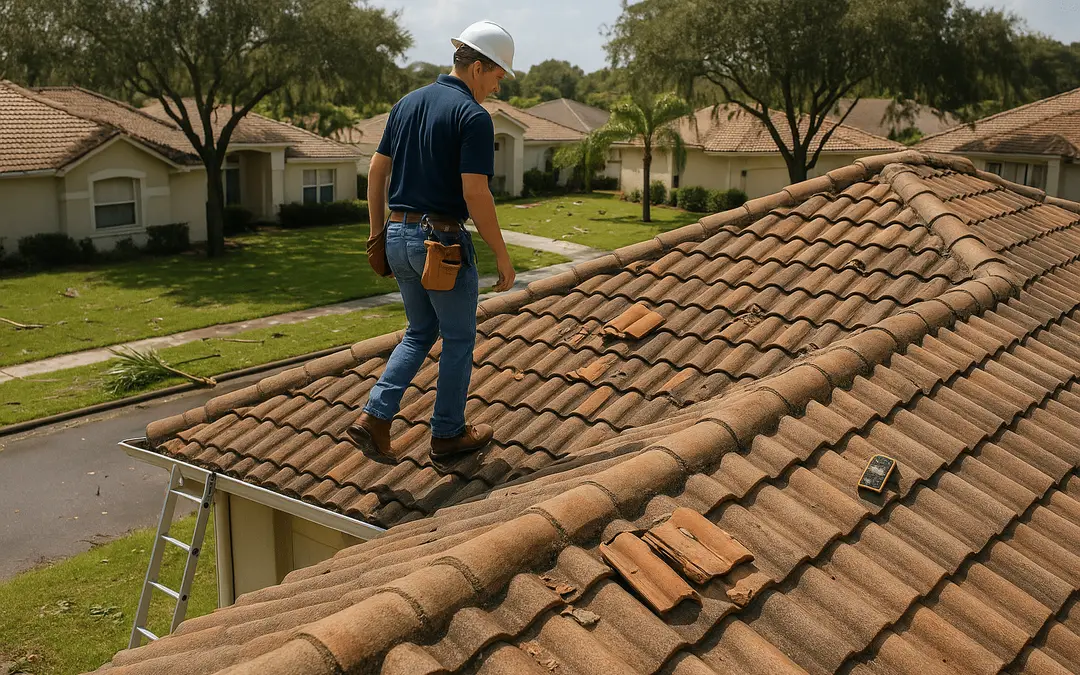
by Matthew Thomas | Oct 15, 2026 | Roofing Insights
TL;DR: After a storm, stay off the roof. Check it from the yard, the gutters, and the attic, and take dated photos before you clean up. Then report damage to your insurer and have a licensed roofer inspect it up close. Florida law generally gives you 1 year from the...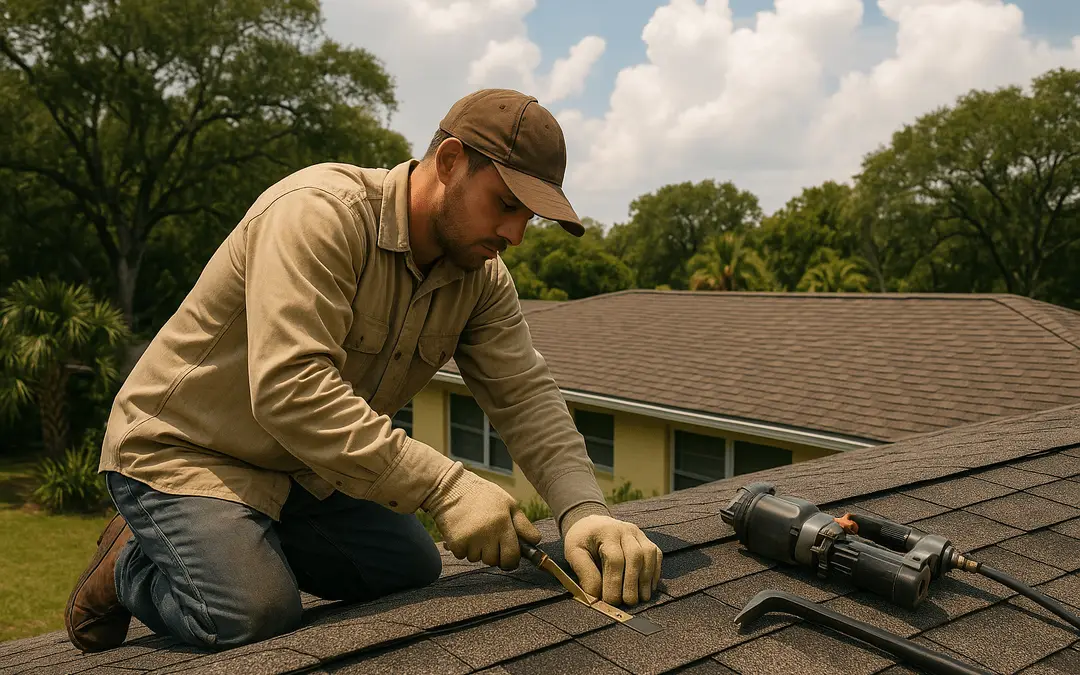
by Matthew Thomas | Oct 14, 2026 | Roofing Insights
TL;DR: Hurricane season roof prep comes down to four jobs: get a professional inspection, fix loose or worn parts, clear gutters and trees, and photograph your roof’s condition. Orlando homeowners should start before June 1, but the season runs through November...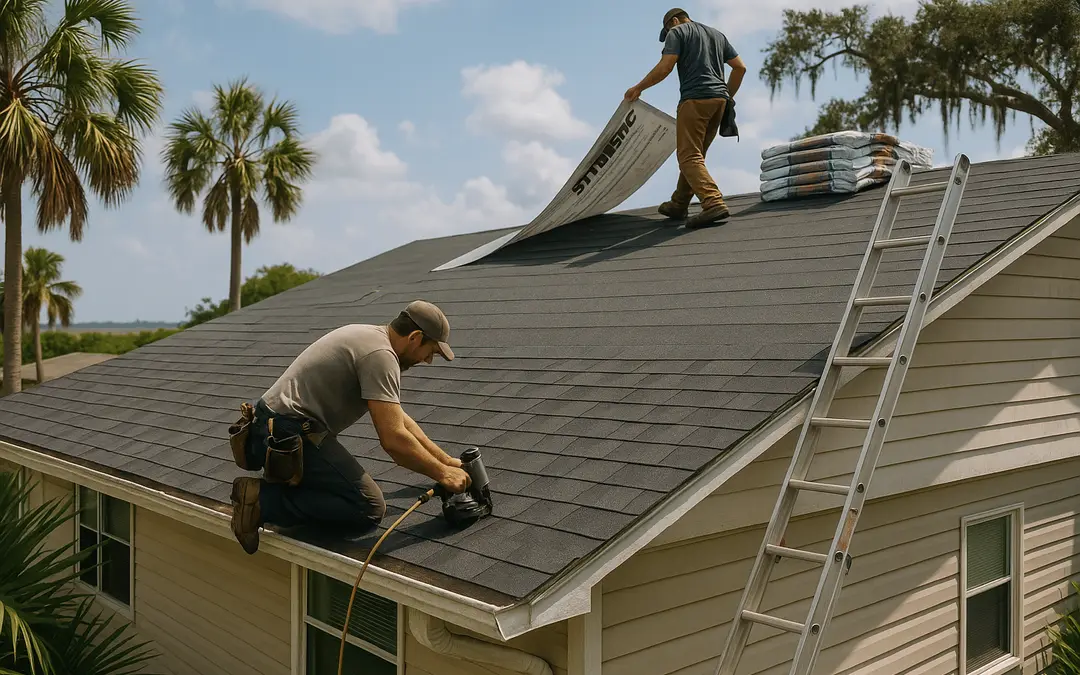
by Matthew Thomas | Oct 13, 2026 | Roofing Insights
TL;DR: Coastal roofs in Volusia County and Brevard County face three things inland Orlando roofs mostly don’t: salt air that rusts metal parts, wind-borne debris rules within one mile of the ocean, and a state permit line on beachfront lots. Those factors change...