by Matthew Thomas | Oct 9, 2026 | Roofing Insights
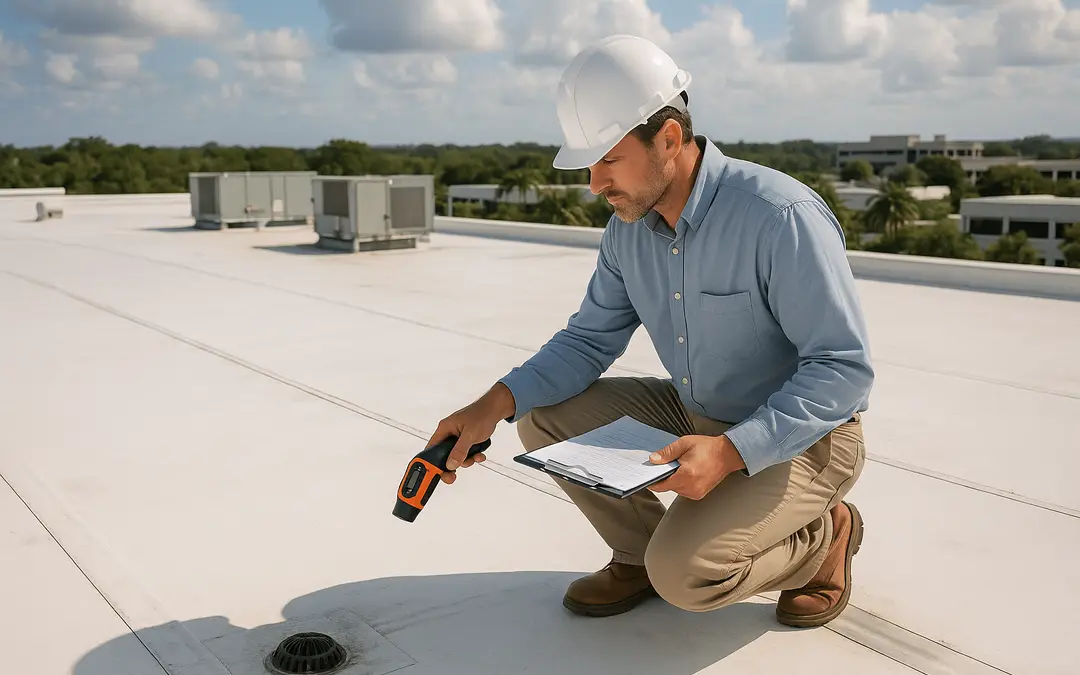
TL;DR: A commercial roof maintenance plan is a scheduled program of inspections, drainage upkeep, and minor repairs that extends roof life, protects manufacturer warranties, and prevents costly emergency repairs. For Orlando-area property managers facing intense UV,...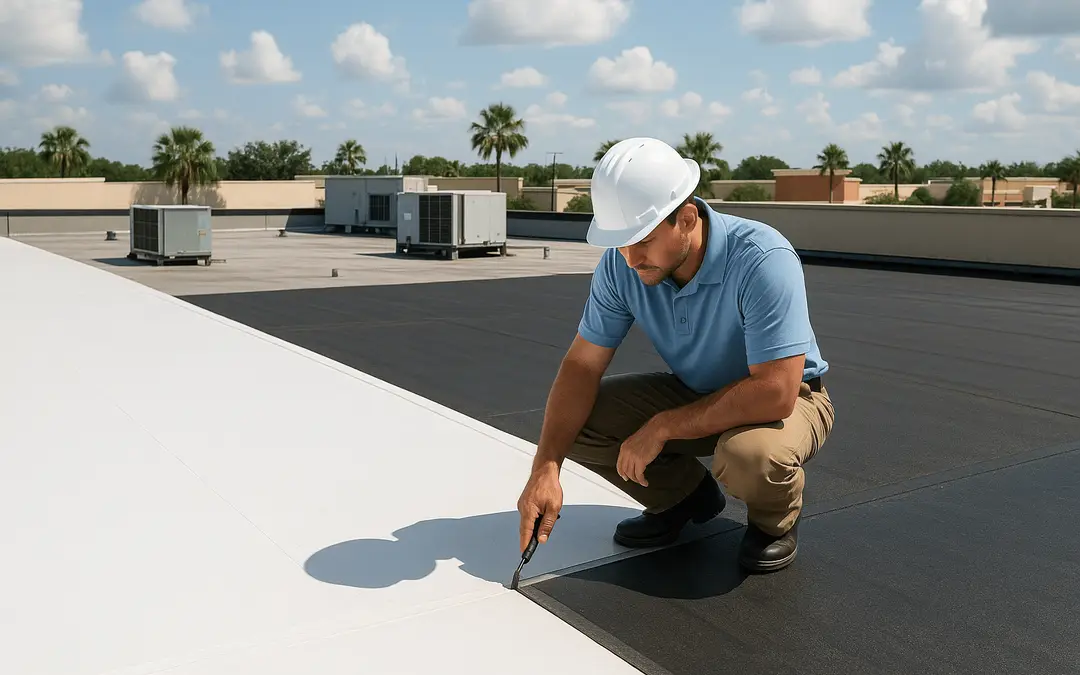
by Matthew Thomas | Oct 8, 2026 | Roofing Insights
TL;DR: TPO, EPDM, and modified bitumen are the three most common flat roof membranes used on Central Florida homes and commercial buildings, and each performs differently under Florida’s heat, UV exposure, and wind-uplift requirements. This guide breaks down how... by Matthew Thomas | Oct 7, 2026 | Roofing Insights
TL;DR: Impact-resistant (Class 4) shingles are rated under UL 2218 testing to withstand hail and wind-driven debris better than standard shingles, and many Florida insurers offer wind-mitigation or roof-covering credits for them. For Orlando, Azalea Park, Conway, Pine...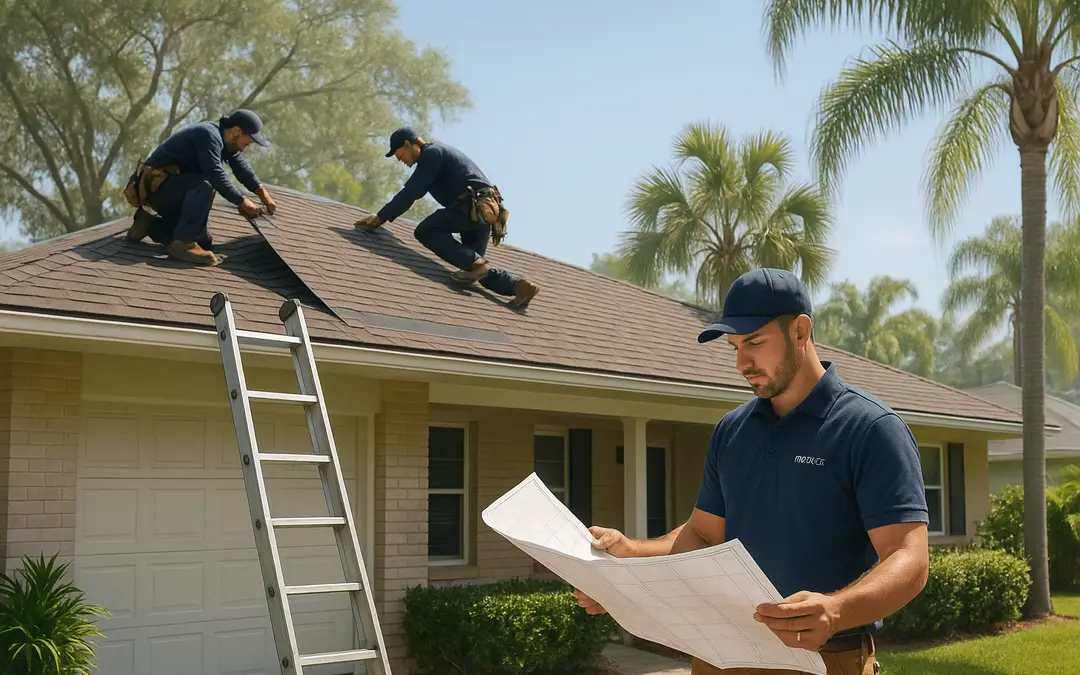
by Matthew Thomas | Oct 6, 2026 | Roofing Insights
TL;DR: Florida Building Code sets strict wind, water-barrier, and permitting rules for every roof replacement in Orange, Seminole, Osceola, Polk, Lake, Volusia, and Brevard counties. This guide explains the 25% reroofing rule, sealed roof deck and nailing...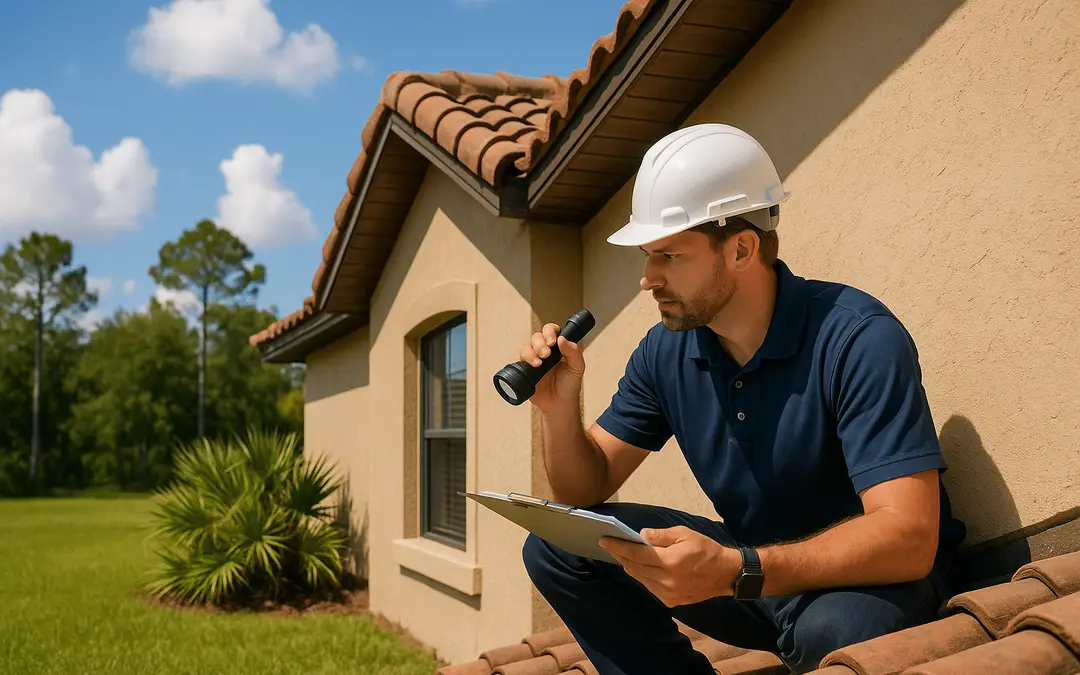
by Matthew Thomas | Oct 5, 2026 | Roofing Insights
TL;DR: A wind mitigation inspection documents hurricane-resistant features of your home, like roof shape, roof-to-wall connections, and opening protection, on Florida’s official OIR-B1-1802 form. Insurers are legally required to apply discounts for verified...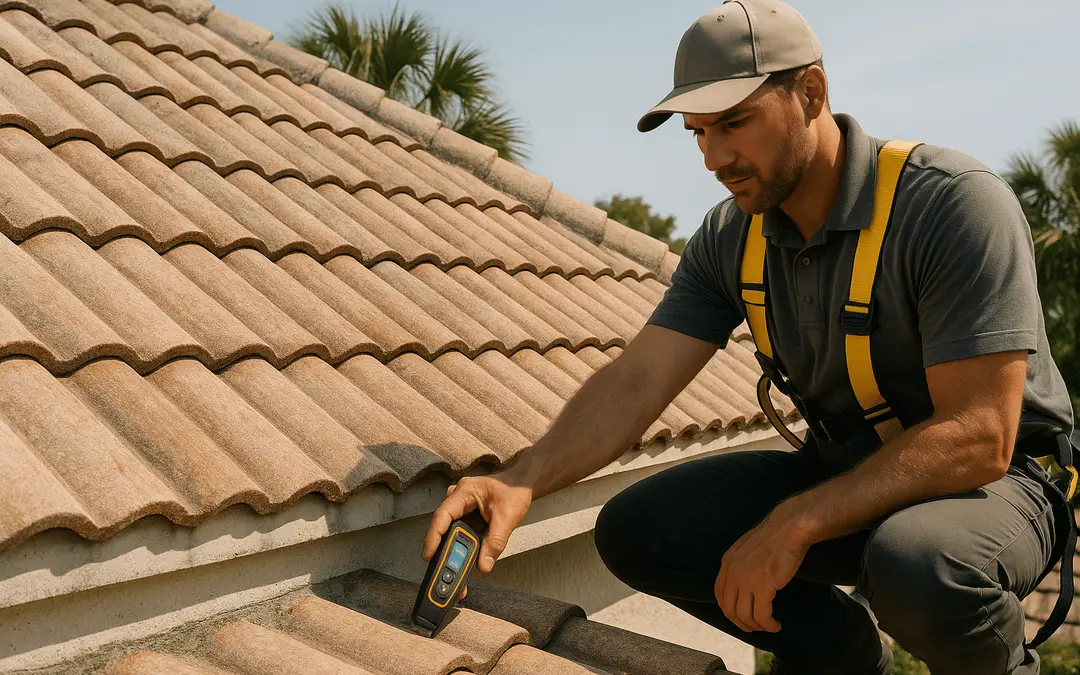
by Matthew Thomas | Oct 4, 2026 | Roofing Insights
TL;DR: Central Florida’s UV index regularly hits 10-12 in summer, and that constant radiation breaks down the chemical bonds in asphalt shingles and metal coatings year after year. This guide explains how UV degradation happens, the warning signs in Orlando-area...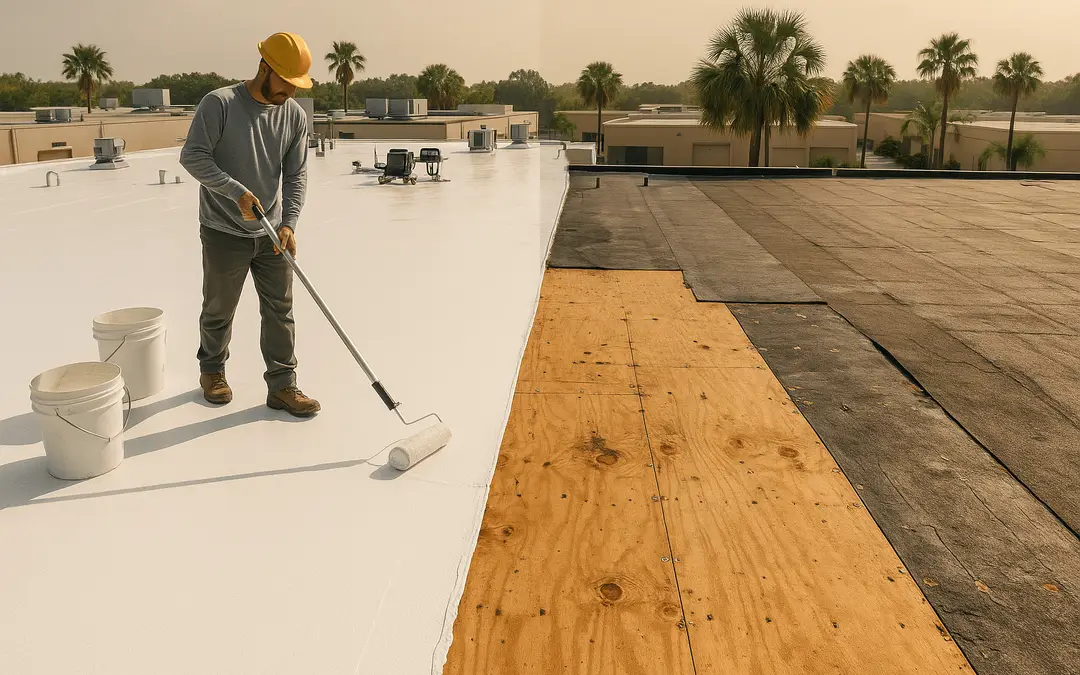
by Matthew Thomas | Oct 3, 2026 | Roofing Insights
TL;DR: Silicone roof coating restores a structurally sound flat or low-slope commercial roof by sealing seams and adding a waterproof, UV-reflective membrane without tearing off the existing system, while full replacement is required once the deck or substrate has...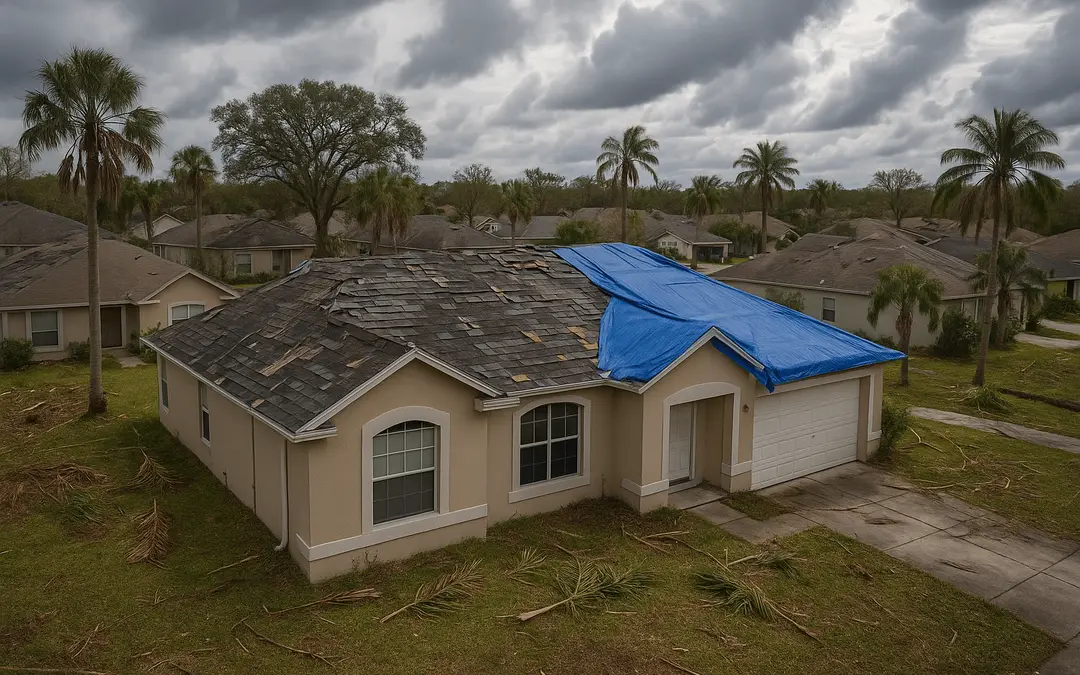
by Matthew Thomas | Oct 2, 2026 | Roofing Insights
TL;DR: Wind uplift is the negative pressure that hurricanes and strong storms create over a roof, pulling shingles, tiles, or panels away from the deck rather than pushing them down. Most hurricane roof failures in Central Florida start at predictable weak points —...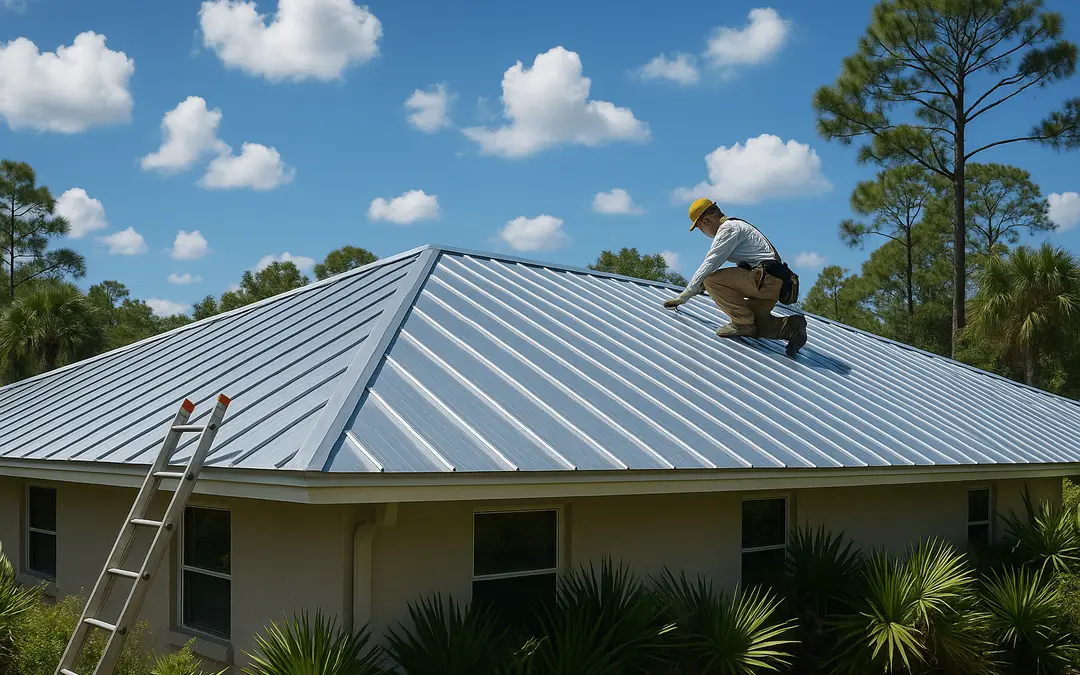
by Matthew Thomas | Oct 1, 2026 | Roofing Insights
TL;DR: Metal roofing costs more upfront than shingles but can last 40-70+ years, handle hurricane-force winds, and may qualify for insurance credits under Florida’s wind mitigation program. Whether it’s worth it in Central Florida depends on how long you...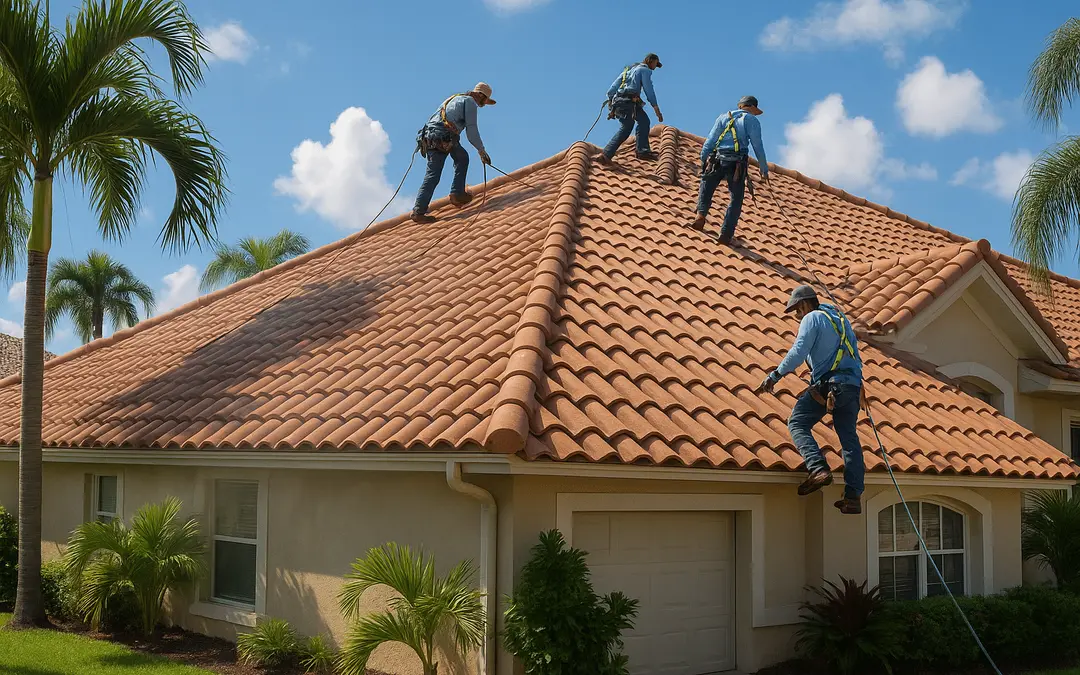
by Matthew Thomas | Sep 30, 2026 | Roofing Insights
TL;DR: Concrete and clay tile roofs are popular across Orlando, Azalea Park, Conway, Pine Castle, Lockhart, and Union Park because they hold up well against Florida’s heat, UV exposure, and hurricane winds, often lasting 30-50 years or more. Tile costs more...