
Finding cracked shingles or lingering leaks after a Florida storm can leave any homeowner worried about their next steps. In Central Florida, understanding roof replacement goes beyond curb appeal—it means safeguarding your home against hurricanes, intense heat, and costly water damage. This guide breaks down essential roof components, the best materials for Southern weather, and how following Florida Building Codes protects both your property value and family. Get answers to make confident decisions about your roof’s future.
Table of Contents
- Roof Replacement Basics For Homeowners
- Roofing Material Options And Durability
- Florida Building Codes And Storm Preparedness
- Insurance, Permits, And Warranty Coverage
- Cost, Financing, And Common Mistakes
Key Takeaways
| Point | Details |
|---|---|
| Understand Roof Components | Familiarize yourself with essential roof components such as roof decks and underlayment to ensure durability and weather resistance. |
| Choose Appropriate Materials | Select roofing materials based on Central Florida’s climate, focusing on wind resistance and UV protection for longevity. |
| Adhere to Building Codes | Compliance with Florida’s building codes is vital for safety and may affect insurance coverage; always check the latest requirements. |
| Avoid Common Mistakes | Prevent costly errors by obtaining multiple estimates, verifying contractor credentials, and ensuring proper permit applications are in place. |
Roof Replacement Basics for Homeowners
Understanding roof replacement is critical for Central Florida homeowners dealing with intense weather conditions. Roof systems are complex structures designed to protect your home from environmental challenges, especially in a region prone to hurricanes and severe storms. Comprehensive roof replacement guides emphasize the importance of professional assessment and timely intervention.
Every roof replacement involves several key components that work together to create a durable, weather-resistant system:
- Roof Deck: The foundational wooden structure providing structural support
- Underlayment: A waterproof barrier protecting against moisture infiltration
- Flashing: Metal strips that seal critical joints and prevent water penetration
- Roofing Material: The visible outer layer (shingles, tiles, metal)
- Ventilation Systems: Critical for regulating attic temperature and preventing moisture buildup
Choosing the right roofing materials requires careful consideration of Central Florida’s unique climate. Durability, wind resistance, and heat reflection are paramount. Professional roofing resources recommend materials that can withstand high wind speeds and intense UV exposure.
Roof Replacement Warning Signs:
- Visible shingle damage or curling edges
- Persistent leaks or water stains
- Granule loss in asphalt shingles
- Age of current roof (typically 15-25 years)
- Sagging or uneven roof surfaces
Pro tip: Schedule a professional roof inspection every two years to catch potential issues before they become expensive repairs.
Roofing Material Options and Durability
Central Florida homeowners face unique challenges when selecting roofing materials due to the region’s extreme weather conditions. Residential roofing material evaluations highlight critical factors like durability, wind resistance, and heat reflection that are essential for long-lasting protection.
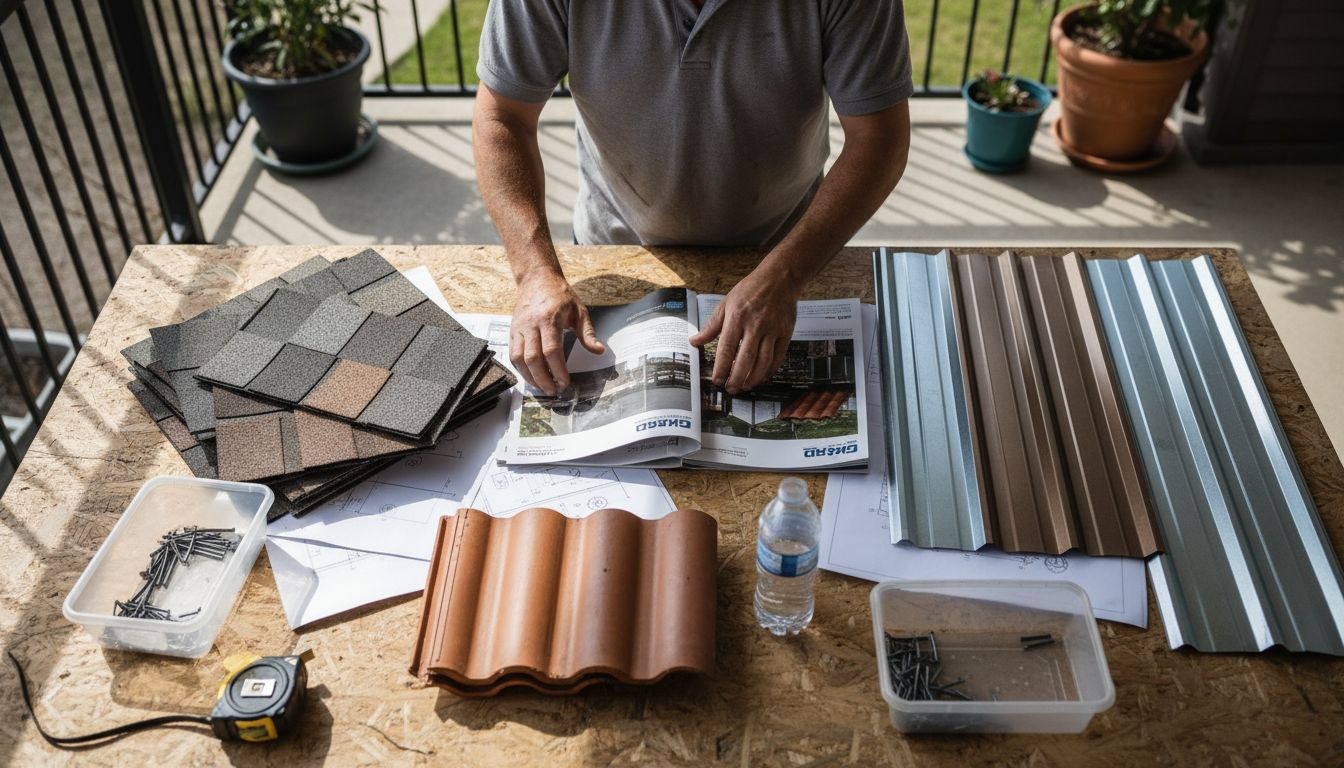
The most common roofing materials for Central Florida homes include:
- Asphalt Shingles:
- Most affordable option
- Lifespan of 15-25 years
- Widely available in multiple styles
- Moderate wind resistance
- Metal Roofing:
- Exceptional durability
- Reflects solar heat
- Potential lifespan of 40-70 years
- Excellent wind resistance
- Tile Roofing:
- Clay or concrete options
- Superior wind and impact resistance
- Lifespan of 50-100 years
- Higher initial installation cost
Durability Considerations for Central Florida:
Here’s a comparison of major roofing material options used in Central Florida:
| Roofing Material | Cost Range (per sq ft) | Typical Lifespan | Best For |
|---|---|---|---|
| Asphalt Shingles | $1.00 – $4.00 | 15-25 years | Budget and quick installation |
| Metal Roofing | $5.00 – $12.00 | 40-70 years | High durability, energy saving |
| Tile Roofing | $8.00 – $20.00 | 50-100 years | Superior storm resistance |
- Wind speed ratings
- UV radiation exposure
- Impact resistance
- Thermal expansion tolerance
- Moisture resistance
Choosing the right roofing material can significantly reduce long-term maintenance costs and improve home protection.
Pro tip: Consult with a local roofing professional who understands Central Florida’s specific environmental challenges to select the most appropriate material for your home.
Florida Building Codes and Storm Preparedness
Florida’s building codes are specifically designed to protect homeowners from the devastating impacts of hurricanes and severe storms. Comprehensive roofing requirements have been implemented to ensure roofing systems can withstand extreme weather conditions unique to the region.
Key Building Code Requirements for Roofing:
- Sealed roof decks to prevent water infiltration
- Enhanced underlayment installation specifications
- Stricter fastening method regulations
- Wind resistance testing standards
- Specific material performance requirements
Insurance companies and building regulations now closely scrutinize roof conditions, making compliance critical for homeowners. Hurricane safety standards highlight how different roofing materials meet specific wind resistance ratings essential for storm preparedness.
Wind Resistance Classification Levels:
- Basic wind speed zones (120-150 mph)
- Enhanced wind protection areas
- High-velocity hurricane zone requirements
- Roof attachment methods
- Material-specific wind load tolerances
Compliance with Florida Building Codes is not just a legal requirement, but a crucial investment in your home’s long-term safety and structural integrity.
Pro tip: Request a detailed roof inspection that specifically checks compliance with the latest Florida Building Code requirements to ensure maximum storm protection.
Insurance, Permits, and Warranty Coverage
Navigating the complex landscape of roof replacement in Florida requires a thorough understanding of insurance requirements and legal regulations. Roof insurance guidelines provide critical insights into protecting your home and maintaining coverage.
Key Insurance Considerations for Roof Replacement:
- Roofs less than 15 years old have stronger protection
- Professional inspections are crucial for older roofs
- Hurricane deductibles may apply
- Coverage types vary between replacement cost and actual cash value
- Maintaining roof condition prevents claim denials
Permit application processes are essential for ensuring legal compliance and warranty eligibility. Homeowners must follow specific steps to obtain proper documentation and meet local building code requirements.
Permit Application Steps:
- Contact local building department
- Submit detailed roof replacement plans
- Schedule required inspections
- Obtain final approval certificate
- Keep documentation for insurance purposes
Proper permits and documentation are not just bureaucratic requirements, but crucial protections for homeowners and proof of professional installation.
Warranty Coverage Fundamentals:
- Manufacturer material warranties
- Contractor workmanship guarantees
- Extended coverage options
- Maintenance requirement compliance
- Transferability of warranty
Pro tip: Request a comprehensive documentation package from your roofing contractor that includes all permits, inspection reports, and warranty information to protect your investment.
Below is a summary of key insurance, permit, and warranty elements to consider:
| Aspect | Why It Matters | Typical Requirement |
|---|---|---|
| Insurance | Maintains home protection | Roof age, inspection documentation |
| Permits | Ensures legal, safe installation | Local approval before replacement |
| Warranty | Safeguards against defects/failures | Written material and labor terms |
Cost, Financing, and Common Mistakes
Roof replacement represents a significant investment for Central Florida homeowners, with costs typically ranging from $5,000 to $25,000 depending on materials and home size. Home repair financing programs offer multiple options to help manage these substantial expenses.
Financing Options for Roof Replacement:
- Home equity loans
- Personal home improvement loans
- FHA 203(k) rehabilitation mortgages
- Senior homeowner reverse mortgage options
- Manufacturer and contractor financing plans
Central Florida homeowners can also access financial incentives for resilient roofing that potentially reduce overall project costs. These incentives might include:
- Insurance premium discounts
- Tax credit opportunities
- State and local grant programs
- Energy efficiency rebates
- Wind mitigation credits
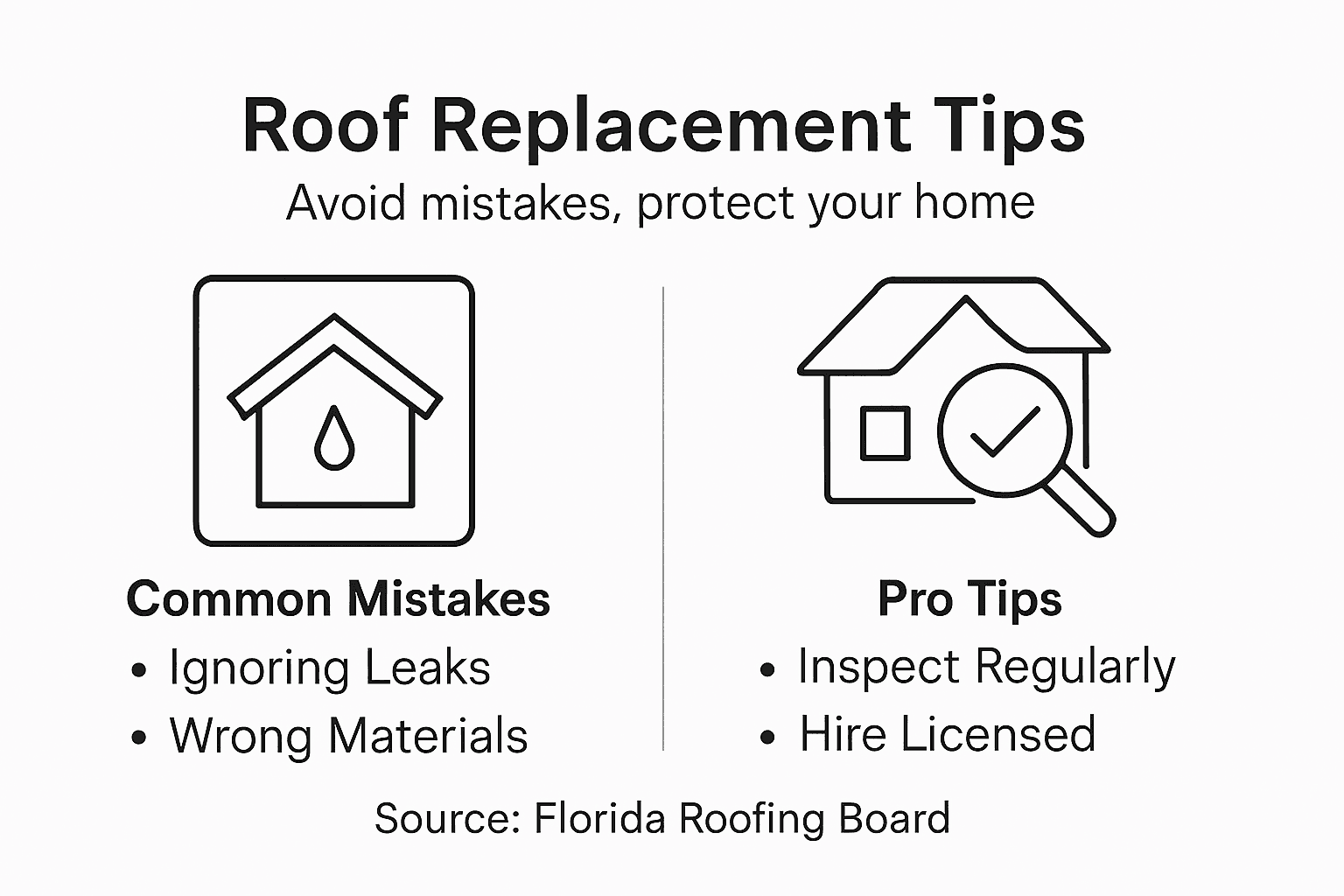
Common Roof Replacement Mistakes:
- Choosing the lowest bid without checking credentials
- Neglecting proper permit requirements
- Skipping professional roof inspections
- Overlooking material compatibility
- Ignoring manufacturer warranty details
Smart homeowners view roof replacement as a long-term investment in their property’s protection and value, not just an immediate expense.
Pro tip: Always request detailed written estimates from multiple licensed contractors, comparing not just price but also material quality, warranty coverage, and professional credentials.
Protect Your Central Florida Home With Expert Roof Replacement Services
Navigating the challenges of roof replacement in Central Florida means understanding the risks of severe storms, wind damage, and aging materials. You need a roofing partner who not only knows the local building codes and storm preparedness standards but also offers durable solutions tailored to these specific demands. Whether you are noticing shingles curling, leaks, or just need a thorough inspection, our team at Thomas Roofing and Repair delivers trustworthy craftsmanship backed by professional warranties and permits compliance.
Key benefits of working with us include:
- Experienced roof replacement aligned with Florida Building Codes
- Assistance with insurance documentation and permit applications
- Expert advice on optimal roofing materials for longevity and wind resistance

Don’t wait until small roof issues turn into costly repairs. Contact Thomas Roofing and Repair today for a free roof inspection or estimate. Discover how our dependable team can safeguard your home against Central Florida’s toughest weather. Visit Thomas Roofing and Repair now to secure your home’s future.
Explore trusted solutions and schedule your service here Roof Replacement Services. You can also learn more about our comprehensive roof inspection process at Roof Inspections. Act now to protect your investment and enjoy peace of mind.
Frequently Asked Questions
What are the main warning signs that indicate it’s time for a roof replacement?
Visible shingle damage, persistent leaks, granule loss in asphalt shingles, the age of the roof (typically 15-25 years), and sagging surfaces are all key indicators that roof replacement may be necessary.
How do I choose the best roofing material for my home?
Choosing roofing materials involves considering factors such as durability, wind resistance, and heat reflection. Evaluate options like asphalt shingles, metal roofing, and tile roofing based on your budget and specific needs for weather protection.
What are the key building code requirements for roofing in Florida?
Key requirements include sealed roof decks, enhanced underlayment specifications, stricter fastening regulations, wind resistance testing standards, and specific material performance requirements for safety against severe weather.
What financing options are available for roof replacement?
Homeowners can explore financing options including home equity loans, personal home improvement loans, FHA 203(k) rehabilitation mortgages, and contractor financing plans. Additionally, financial incentives for resilient roofing may also be available.
Recommended