
Aging roofs in Central Florida’s humid climate create significant risks for homeowners uncertain about replacement timing and process. Confusion around permits, materials, and workflow steps leads to inflated costs, extended timelines, and potential property damage. This guide provides a streamlined 2026 roof replacement workflow tailored to Central Florida’s unique regulations and weather patterns, helping you protect your investment while avoiding common pitfalls that cost homeowners thousands.
Table of Contents
- Introduction To Roof Replacement In Central Florida
- Preparation And Prerequisites Before Starting
- Step-By-Step Roof Replacement Process
- Common Mistakes And Troubleshooting Tips
- Expected Results And Outcomes
- Streamline Your Central Florida Roof Replacement With Thomas Roofing & Repair
- Frequently Asked Questions
Key Takeaways
| Point | Details |
|---|---|
| Climate-specific workflow | Tailored processes for Florida’s humidity and permit requirements deliver better outcomes. |
| Project scope | Typical replacements take 3–7 days and cost $7,000–$12,000. |
| Common pitfalls | Skipping permits or deck prep causes delays and reduces roof lifespan. |
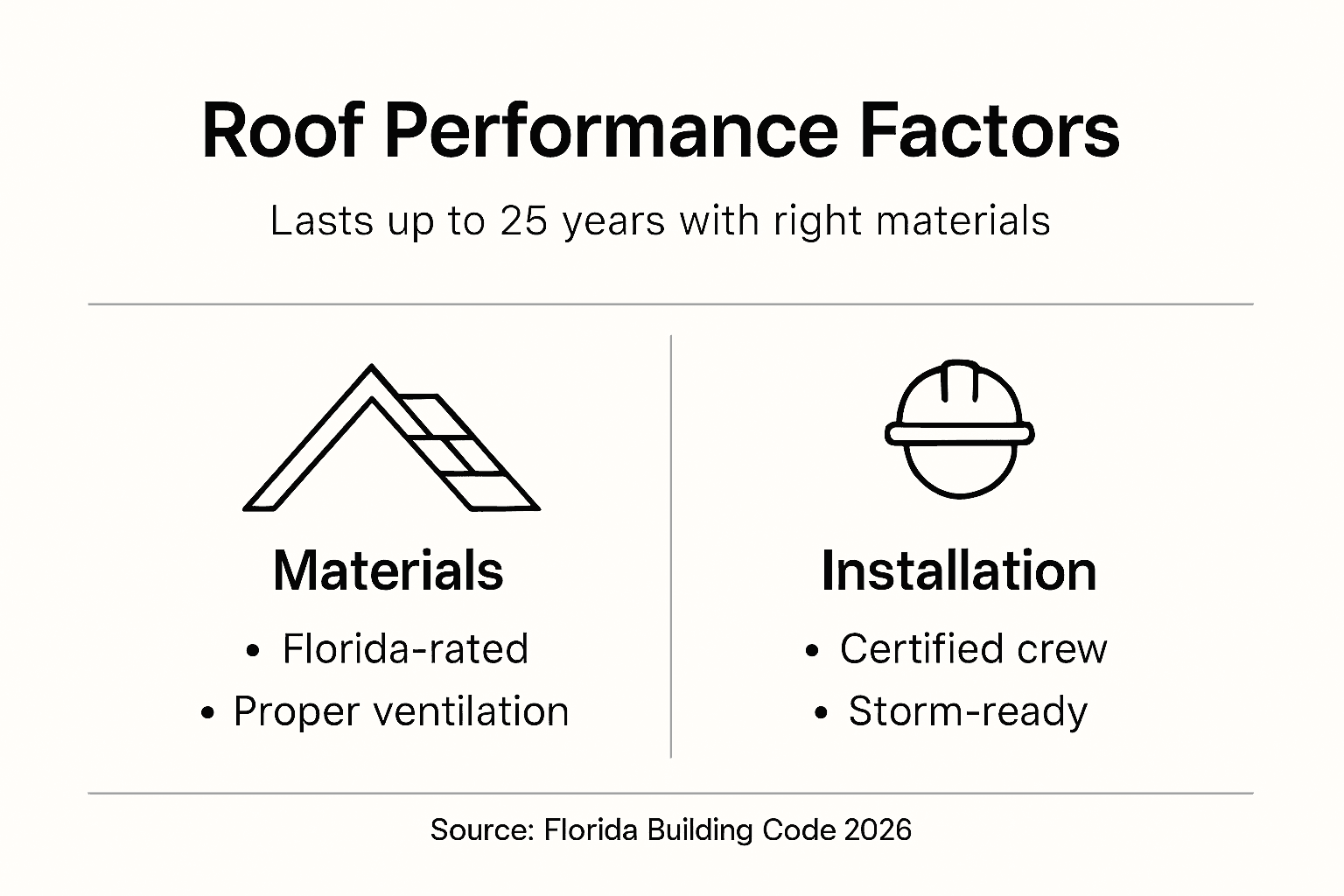
| Material selection | Florida-rated products extend longevity up to 25 years. |
| Final steps matter | Proper safety protocols and cleanup ensure durability and protection. |
Introduction to Roof Replacement in Central Florida
Central Florida’s humid subtropical climate creates challenging conditions for residential roofing systems. High moisture levels, intense UV radiation, and frequent storm activity accelerate wear on traditional roofing materials. Most asphalt shingle roofs in the region last 15–25 years before requiring replacement, with replacement typically triggered by persistent leaks, visible age-related deterioration, or storm damage.
Homeowners frequently encounter specific climate-related issues:
- Moss and algae growth from constant humidity exposure
- Shingle curling and granule loss from prolonged UV bombardment
- Water intrusion following tropical storms and hurricanes
- Wind damage from seasonal weather events
- Accelerated material breakdown in high-temperature conditions
Recognizing these factors helps you anticipate when your roof needs attention. Delaying replacement once these warning signs appear often leads to interior water damage, mold growth, and structural issues that multiply repair costs. Understanding how Central Florida’s environment affects your roof creates urgency for proactive replacement planning rather than reactive emergency repairs.
Preparation and Prerequisites Before Starting
Proper preparation prevents costly surprises and legal complications during your roof replacement project. Starting with a comprehensive inspection reveals hidden damage that affects project scope and budget. A qualified inspector examines decking integrity, identifies water damage, and assesses whether a full replacement or targeted repairs make financial sense.
Obtaining all required permits before starting roofing ensures legal compliance and avoids fines. Central Florida counties maintain specific permit requirements for roof replacements. Contact your local building department early in the planning process to understand documentation needs, inspection schedules, and approval timelines. Permit processing typically takes 5–10 business days, so factor this into your project calendar.
Before crews arrive, prepare your property:
- Remove vehicles, outdoor furniture, and grills from work areas
- Relocate fragile items and valuables from attic spaces
- Trim overhanging tree branches that could interfere with installation
- Protect landscaping with tarps or temporary barriers
- Notify neighbors about temporary noise and activity
Budget planning requires realistic cost expectations. Research roof replacement preparations in Central Florida to understand regional pricing. Many contractors offer financing options specifically designed for homeowners, allowing you to spread costs over manageable monthly payments without depleting emergency savings.
Pro Tip: Schedule your inspection and permit applications during Florida’s dry season (November through April) to avoid weather-related delays and the permit backlog that occurs during peak storm preparation months.
Step-by-Step Roof Replacement Process
A methodical approach ensures quality results and prevents expensive mistakes. Following this sequence protects your home while maintaining compliance with local building codes.
- Conduct detailed inspection to identify structural damage, rot, or moisture issues that require attention beyond simple material replacement
- Secure all required permits from your county building department to maintain legal compliance and avoid work stoppages
- Protect your property by covering landscaping, moving valuables, and establishing debris zones away from high-traffic areas
- Remove existing roofing materials systematically, preserving underlying deck structure whenever possible
- Inspect and repair decking to ensure firm foundation, as inadequate deck prep causes premature failures in 35% of projects
- Install underlayment and barriers rated for Central Florida’s moisture levels, creating a waterproof seal before shingles go down
- Apply Florida-rated roofing materials certified to withstand hurricane-force winds, UV exposure, and humidity
- Complete final inspection and cleanup, ensuring all debris removal and proper disposal according to local regulations
This step-by-step roof replacement process typically spans 3–7 days depending on roof size, complexity, and weather conditions. Larger homes or those requiring extensive deck repairs may extend beyond this timeframe.
| Step | Duration | Safety Consideration |
|---|---|---|
| Inspection & Permits | 5–10 days | Verify contractor licensing and insurance |
| Material Removal | 1 day | Establish fall protection and debris zones |
| Deck Repair | 1–2 days | Check for hidden structural damage |
| Underlayment Install | 1 day | Ensure weather-appropriate scheduling |
| Shingle Application | 2–3 days | Follow manufacturer installation specs |
| Final Inspection | 1 day | Document completion for warranty activation |
Selecting Florida-rated roofing materials makes a measurable difference in longevity. Products engineered for tropical climates include enhanced adhesives, impact-resistant construction, and UV-protective coatings. While these materials carry higher upfront costs, they reduce long-term maintenance expenses and extend replacement intervals.
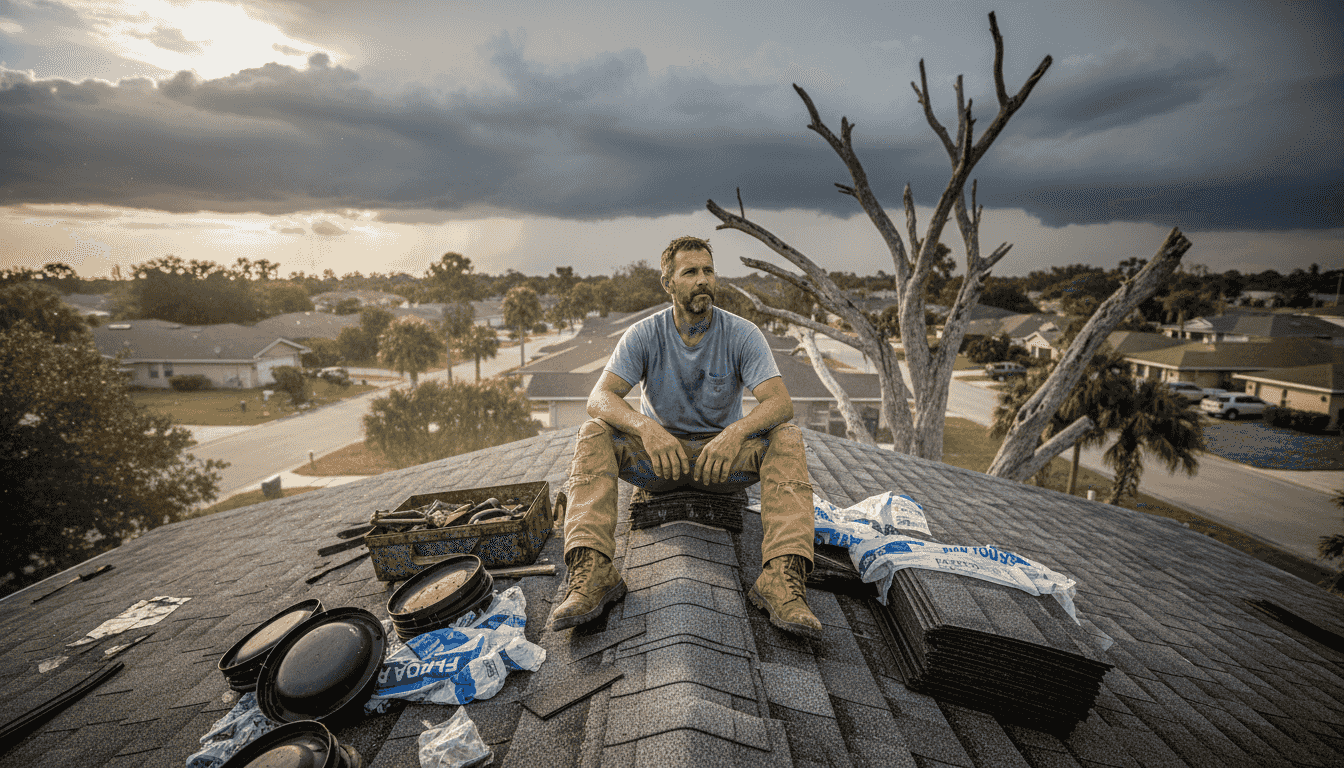
Pro Tip: Hire installers with Florida Building Code certification and local experience. They understand regional wind load requirements, proper flashing techniques for frequent rain, and roof inspection and coverage standards that generic contractors might miss.
Common Mistakes and Troubleshooting Tips
Avoiding frequent errors saves money and prevents project delays. Many homeowners and contractors make preventable mistakes that compromise roof performance and create legal headaches.
Inadequate decking preparation ranks among the most damaging oversights. Installers sometimes apply new roofing over compromised deck boards to save time and labor costs. This shortcut creates weak points where moisture penetrates, causing the new roof to fail prematurely. Always insist on thorough deck inspection and replacement of any damaged sections before new materials go down.
Skipping permits can add 7-10 day delays and substantial fines when building inspectors discover unpermitted work. Some contractors suggest avoiding permits to reduce costs, but this creates serious problems. You may face stop-work orders, forced removal of completed work, and difficulties selling your home when unpermitted construction appears in property records.
Material selection errors prove costly in Florida’s climate:
- Using standard shingles instead of Florida-rated products shortens lifespan by 5–10 years
- Choosing inadequate underlayment allows moisture penetration during heavy rains
- Installing improper flashing around chimneys and vents creates persistent leak points
- Selecting wrong nail types or spacing violates wind resistance requirements
Safety protocol violations put workers at risk and expose you to liability. Verify that your contractor follows OSHA fall protection requirements, provides proper safety equipment, and maintains current workers’ compensation coverage. These protections prevent injuries and shield you from lawsuits if accidents occur on your property.
Maintaining clear communication with your contractor prevents misunderstandings about project scope, timeline, and costs. Establish regular check-ins to review progress, address concerns immediately, and document any changes to the original agreement in writing. This proactive approach catches common roof replacement mistakes before they become expensive problems.
Expected Results and Outcomes
Understanding realistic expectations helps you evaluate contractor proposals and plan accordingly. When following proper workflow procedures, most Central Florida roof replacements deliver predictable results within established parameters.
Timeline expectations align with project complexity. Standard residential roofs without extensive damage complete within 3–7 days from material removal through final inspection. Complex projects involving multiple roof planes, significant deck repairs, or custom architectural elements may extend to 10–14 days. Weather delays during summer rainy season can add 2–3 days to any project.
Typical roof replacement in Central Florida costs $7,000 to $12,000 and lasts up to 25 years with quality materials suited to local climate. This range reflects standard asphalt shingle installations on average-sized homes. Premium materials like architectural shingles, metal roofing, or tile increase costs but extend lifespan and enhance property value.
Permit compliance delivers multiple benefits beyond legal protection. Properly permitted work includes required inspections that verify installation quality, ensure code compliance, and activate manufacturer warranties. These safeguards protect your investment and provide documentation that supports property value during future sales.
| Factor | With Permits | Without Permits |
|---|---|---|
| Project Cost | $7,000–$12,000 | $6,500–$11,000 (initial) |
| Legal Risk | None | Fines, removal orders |
| Timeline | 5–7 days | 3–5 days (until discovered) |
| Warranty Coverage | Full manufacturer protection | Potentially voided |
| Resale Impact | Clean property records | Disclosure requirements |
Storm preparedness integrated throughout the installation process reduces future repair needs significantly. Contractors familiar with Florida building codes install enhanced fastening systems, reinforced flashing, and impact-resistant materials that withstand hurricane conditions. These measures cut repair callbacks by up to 50% compared to standard installations.
Long-term performance depends on material selection and installation quality. Florida-rated shingles with proper ventilation systems maintain their protective properties for 20–25 years in Central Florida’s climate. Budget-grade materials or improper installation techniques reduce this lifespan to 12–15 years, forcing earlier replacement and higher lifetime costs. Exploring roof replacement financing options helps you afford quality materials that deliver better long-term value.
Streamline Your Central Florida Roof Replacement with Thomas Roofing & Repair
Applying these workflow insights becomes easier when you partner with experienced local professionals. Thomas Roofing & Repair brings specialized knowledge of Central Florida’s unique roofing challenges, ensuring your project meets all permit requirements while using climate-appropriate materials designed for long-term performance.

You gain access to transparent budgeting tools and flexible financing solutions tailored to your financial situation. Their safety-first approach protects your property throughout the installation process, from initial preparation through final cleanup. Licensed crews familiar with Brevard, Volusia, and Orange County regulations complete projects efficiently while maintaining the highest quality standards.
Visit their roof replacement services in Maitland page or explore comprehensive expert roof replacement guidance to schedule your free consultation and receive a detailed project estimate.
Frequently Asked Questions
What permits do I need for roof replacement in Central Florida?
You need a building permit from your county’s building department before starting any roof replacement work. The permit application requires proof of contractor licensing, insurance certificates, and project specifications. Most counties also mandate inspections at specific project milestones to verify code compliance.
How long does roof replacement usually take in Central Florida?
Most residential roof replacements complete within 3–7 days from material removal through final inspection. Project duration depends on roof size, complexity, weather conditions, and extent of deck repairs needed. Larger homes or those requiring structural work may extend to 10 days.
Are Florida-rated shingles really worth the extra cost?
Yes, Florida-rated shingles provide substantial value despite higher upfront costs. They withstand hurricane-force winds, resist UV degradation better, and last 5–10 years longer than standard products in Central Florida’s harsh climate. The extended lifespan and reduced repair needs offset the initial price difference.
Can I finance my roof replacement, and what are typical options?
Many roofing contractors offer financing programs specifically for homeowners. Options include contractor-arranged payment plans, home equity lines of credit, personal loans, and FHA Title I loans for property improvements. Monthly payments typically range from $150–$300 depending on project cost and loan terms.
How do I protect my landscaping and home valuables during replacement?
Move outdoor furniture, grills, and vehicles at least 15 feet from your home’s perimeter. Cover sensitive plants and shrubs with tarps or plywood shields. Remove wall hangings and fragile items from rooms directly below the roof. Relocate attic-stored valuables to interior spaces away from construction activity.
Recommended
- 6 Key Advantages of Roof Replacement for Florida Homes
- 7 Essential Roof Replacement Tips for Florida Homeowners
- Roof Replacement in Lake Mary, FL | Thomas Roofing & Repair
- Roof Replacement in Central Florida – What Homeowners Need to Know
- Roofing Company Orlando FL
- Roofing Company Titusville FL
- Roofing Company DeLand FL