Over 85% of Florida insurance policies recommend or require certified roofing contractors when processing storm damage claims. That number should matter to every homeowner and property manager in Central Florida. Certifications represent more than credentials on a wall. They directly impact your insurance approvals, roofing quality, and long-term property protection. This article breaks down which certifications matter most, how they protect your investment, and how to verify contractor credentials before signing contracts.
Table of Contents
- Understanding Roofing Certifications: Definitions And Importance
- Key Roofing Certifications In Central Florida And Their Relevance
- How Roofing Certifications Ensure Workmanship Quality And Compliance
- Common Misconceptions About Roofing Certifications Among Homeowners
- Benefits Of Hiring Certified Roofing Contractors: Insurance And Storm Protection Impacts
- How To Verify And Choose Certified Roofing Contractors In Central Florida
- Summary And Next Steps For Homeowners And Property Managers
- Trust Thomas Roofing And Repair For Certified Roofing Services In Central Florida
Key takeaways
| Point | Details |
|---|---|
| Certifications exceed licensing | They verify specialized expertise and quality standards beyond basic legal requirements. |
| Florida-specific credentials matter | Local certifications address hurricane codes and wind resistance unique to Central Florida. |
| Quality improvements are measurable | Certified contractors reduce roofing installation defects by approximately 30%. |
| Insurance depends on certification | Most Florida insurers prioritize or mandate certified contractors for storm claim approvals. |
| Verification prevents fraud | Always confirm certifications through official registries before hiring contractors. |
Understanding roofing certifications: definitions and importance
Roofing certifications are specialized credentials that verify a contractor has completed rigorous training, passed examinations, and demonstrated competency in specific roofing systems or techniques. Unlike basic licensing that allows legal operation, certifications validate advanced skills and adherence to quality benchmarks. These credentials ensure your contractor understands and follows building codes, manufacturer specifications, and industry best practices.
Certifications fall into three main categories worth understanding:
- Manufacturer certifications validate expertise with specific roofing products and installation methods
- Association certifications confirm adherence to industry standards and ongoing professional development
- Government-issued certifications verify compliance with state or local building codes and safety regulations
Central Florida’s strict building codes and hurricane exposure make certifications especially critical. Certain roofing certifications require compliance with Florida’s building codes including wind mitigation standards that protect homes during severe weather. Standard licensing simply cannot guarantee this specialized knowledge. When you hire certified roofers in Florida, you secure contractors trained to handle regional environmental challenges that ordinary licensing does not address.
The Florida Roofing and Sheet Metal Contractors Association administers programs focusing on local codes and climate-specific installation techniques. This regional focus separates certified professionals from contractors operating on licensing alone. Certifications represent a commitment to continuous learning and quality that directly benefits your roofing project outcomes.
Key roofing certifications in Central Florida and their relevance
Several certifications stand out as particularly valuable for Central Florida roofing projects. Understanding which credentials matter helps you evaluate contractors effectively and select professionals equipped for local conditions.
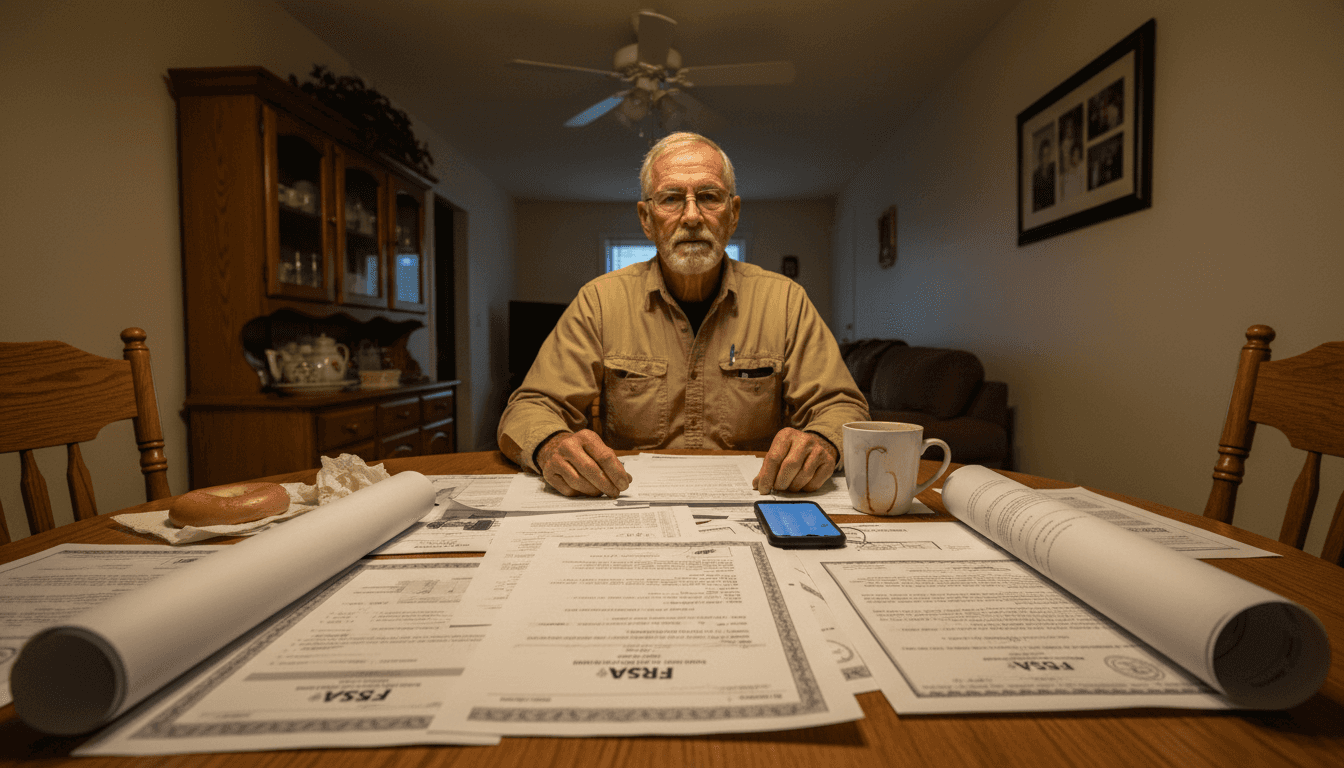
The Florida Roofing and Sheet Metal Contractors Association (FRSA) certification is foundational. FRSA certification requires mastery of all state building code provisions affecting roofing including wind speeds up to 170 mph. This training directly addresses hurricane resistance and storm preparedness essential in Brevard, Volusia, and Orange counties.
Miami-Dade County Notice of Acceptance (NOA) certification holds special importance despite the geographic name. High wind zones throughout Central Florida benefit from this rigorous standard. Products and installation methods meeting Miami-Dade NOA requirements undergo extreme testing for wind resistance, making them ideal for hurricane-prone regions.
CertainTeed ShingleMaster certification represents manufacturer-specific training that improves installation quality. CertainTeed ShingleMaster certification reduces installation errors by about 30% compared to non-certified installers. This credential ensures contractors understand proper shingle application, ventilation requirements, and warranty compliance for CertainTeed products.
National Roofing Contractors Association (NRCA) programs provide nationally recognized credentials through comprehensive training and testing. While not Florida-specific, NRCA certification demonstrates commitment to professional standards and ongoing education that benefits all roofing projects.
Comparing these certifications helps clarify their distinct value:
| Certification | Primary Focus | Geographic Scope | Local Importance |
|---|---|---|---|
| FRSA | Florida building codes and wind resistance | State-specific | Critical for compliance |
| Miami-Dade NOA | Extreme wind and impact testing | Regional standard | Essential for storm zones |
| CertainTeed ShingleMaster | Product-specific installation quality | National | Reduces defects significantly |
| NRCA Programs | Industry standards and safety | National | Validates professional commitment |
When evaluating contractors, prioritize those holding multiple relevant certifications. Florida certified roofers with FRSA and manufacturer credentials demonstrate both local code expertise and product-specific skills. Always verify that licensed roofers also maintain current certifications through FRSA certifications or equivalent programs. The combination ensures comprehensive quality and compliance.
How roofing certifications ensure workmanship quality and compliance
Certifications translate into superior roofing outcomes through structured requirements that separate qualified professionals from basic contractors. Understanding these processes helps you appreciate why certified contractors deliver better results.
The certification journey typically involves these components:
- Formal training programs covering installation techniques, material science, and code compliance
- Written examinations testing knowledge of roofing systems, safety protocols, and local regulations
- Practical assessments verifying hands-on skills through supervised installations or portfolio reviews
- On-site inspections ensuring work quality meets certification standards
- Continuing education requirements maintaining current knowledge as codes and materials evolve
Manufacturer certifications enforce product-specific standards tailored for Florida’s climate challenges. These programs address issues like thermal expansion in extreme heat, moisture management during rainy season, and wind uplift resistance during hurricanes. Generic training cannot replicate this specialized focus.
Certified contractors consistently produce fewer defects and failures. The structured training reduces common mistakes like improper flashing, inadequate ventilation, and incorrect fastener placement. These errors often appear months or years after installation, creating expensive repairs and insurance complications.
Continuing education separates current certifications from outdated credentials. Building codes update regularly, new materials enter the market, and installation best practices evolve based on field performance data. Certified contractors must complete ongoing training to maintain their credentials, ensuring they apply the latest knowledge to your project.
Pro Tip: Always ask contractors when they last renewed their certifications and what continuing education they completed recently. Current knowledge matters more than credentials earned years ago. Contractors actively maintaining multiple certifications demonstrate commitment to quality that benefits your roofing investment.
The certification structure creates accountability beyond standard licensing requirements. Certified roofer quality benefits include manufacturer warranty support, insurance company recognition, and code compliance assurance that protect your property value. The CertainTeed ShingleMaster program exemplifies how rigorous certification processes translate directly into measurable quality improvements on residential and commercial projects.
Common misconceptions about roofing certifications among homeowners
Many homeowners misunderstand the role and value of roofing certifications, leading to poor contractor selection and avoidable problems. Clearing up these misconceptions helps you make informed decisions.
The most damaging myth equates licensing with certification. Licensing permits legal business operation and meets minimum regulatory standards. Certification validates specialized skills, ongoing training, and quality commitments far beyond licensing requirements. Surveys show 60% of homeowners think licensing suffices, but certification correlates with 25% fewer post-installation issues according to industry research.
Other common misconceptions include:
- All certifications are equally valuable when regional and manufacturer-specific credentials vary dramatically in rigor and relevance
- Certification only increases costs without recognizing long-term savings from fewer repairs and better insurance outcomes
- Any contractor can claim certification despite official verification being readily available through issuing organizations
- Certifications never expire when most require renewal and continuing education every few years
- Certification guarantees perfect work rather than significantly reducing defect probability through better training
The cost concern deserves special attention. Certified contractors may charge 10 to 15 percent more than uncertified competitors initially. However, proper installation prevents premature failures, maintains manufacturer warranties, and satisfies insurance requirements that save substantially more over your roof’s lifespan. Choosing the cheapest bid often means paying for poor workmanship multiple times.
Certification rigor varies widely between programs. Some credentials require hundreds of training hours, difficult examinations, and regular renewals. Others involve minimal requirements and lax oversight. Understanding the difference between roofing license vs certification helps you evaluate contractors accurately.
The homeowner certification survey reveals that property owners who verify certifications before hiring experience significantly better outcomes. Verification takes minutes but prevents costly mistakes. Never assume certification claims are accurate without independent confirmation through official channels.
Benefits of hiring certified roofing contractors: insurance and storm protection impacts
Certified contractors deliver practical advantages that directly affect your wallet, insurance coverage, and property resilience during Florida’s severe weather events. These benefits justify prioritizing certification when selecting roofing professionals.
Insurance companies recognize certified contractors because their training reduces claim disputes and improves work quality. Around 85% of Florida insurance policies recommend or require certified roofing contractors for storm damage claims. When hurricanes strike, having used a certified contractor streamlines claim approval and documentation. Insurers trust certified professionals to meet code requirements and installation standards that uncertified contractors may miss.
Key benefits include:
- Faster insurance claim processing because insurers recognize certified contractor credentials and documentation
- Better storm damage coverage when work meets code requirements that certified contractors reliably understand
- Extended manufacturer warranties available only through certified installer programs
- Reduced premium costs on some policies when certified contractors perform installations or major repairs
- Compliance assurance with Florida building codes focused on wind resistance and structural integrity
Certified contractors understand Florida’s aggressive building codes addressing hurricane threats. Their training covers proper installation of hurricane straps, impact-resistant materials, and wind-rated systems that protect your property when storms arrive. Generic contractors lacking this specialized knowledge may complete installations that look acceptable but fail during severe weather.
The roofing integrity for storm resilience depends on techniques that certified professionals master through formal training. Proper deck attachment, adequate fastener patterns, and correct flashing installations make the difference between roofs that survive hurricanes and those requiring emergency repairs.
85% of Florida insurers recommend certified contractors for storm claims, ensuring faster approvals and better coverage when you need it most.
Post-storm performance data consistently shows certified contractor installations withstand severe weather better than work by uncertified competitors. This resilience protects your property value, reduces displacement during repairs, and minimizes out-of-pocket expenses when insurance coverage has limits or deductibles.
The relationship between insurance and roofing certifications continues strengthening as insurers analyze claim patterns. Choosing certified contractors now positions you for better coverage and easier claims in future weather events that inevitably affect Central Florida properties.
How to verify and choose certified roofing contractors in Central Florida
Verifying certifications protects you from fraudulent claims and ensures you hire genuinely qualified professionals. Follow these steps to authenticate contractor credentials effectively.
- Request certification documentation including certificate numbers and issuing organization details before signing contracts
- Verify through official sources by visiting association websites or calling issuing organizations directly with certificate information
- Check expiration dates because certifications require regular renewal through continuing education
- Confirm relevant credentials ensuring certifications match your project needs and local requirements
- Research contractor experience with specific certifications through references and completed project examples
- Compare multiple contractors evaluating both certification breadth and relevant local experience
Certification involves verifying through official registries and manufacturer websites, checking relevance and currency according to industry verification protocols. This process takes minimal time but prevents hiring contractors making false certification claims.
Evaluate certification relevance carefully. A contractor holding certifications for flat commercial roofing may lack credentials for residential shingle installation. Match contractor certifications to your specific project type, roofing materials, and local code requirements.
Pro Tip: Create a simple spreadsheet comparing contractors by certification type, issue date, renewal status, and verification confirmation. This organized approach helps you spot contractors with current, relevant credentials versus those relying on outdated or irrelevant certifications. Always cross-reference certification claims with issuer websites before making hiring decisions.
Red flags include contractors refusing to provide certification details, claiming certifications without documentation, or pressuring immediate decisions without allowing verification time. Legitimate certified contractors expect verification and provide information readily.
The verify certified roofers process should confirm current credentials from recognized organizations like FRSA, major manufacturers, or national associations. Generic or unfamiliar certification names warrant additional scrutiny through independent research.
Official certification verification process resources provide step-by-step guidance for authenticating credentials. Most certification bodies maintain online verification tools or phone verification services specifically for homeowners checking contractor claims. Use these resources before committing to any roofing project.
Summary and next steps for homeowners and property managers
Roofing certifications significantly impact project quality, insurance outcomes, and long-term property protection. Certified contractors bring specialized training, code compliance expertise, and quality commitments that basic licensing cannot guarantee. The measurable benefits include fewer defects, better storm performance, and smoother insurance claims when weather events occur.
Use this checklist when hiring roofing contractors:
- Verify all claimed certifications through official issuing organization websites or phone verification
- Prioritize contractors with multiple relevant certifications addressing local codes and your roofing materials
- Confirm certifications are current with recent renewal dates and continuing education completion
- Compare certified contractors based on relevant experience, not just credential quantity
- Request references from recent projects using similar certifications and roofing systems
- Document verification results before signing contracts or making deposits
Taking action now protects your roofing investment and positions you for better insurance outcomes. Hiring certified roofers requires slightly more initial research but delivers substantial long-term value through superior workmanship, code compliance, and storm resilience. Central Florida’s challenging climate demands contractors with specialized training that certifications verify and licensing alone cannot guarantee.
Trust Thomas Roofing and Repair for certified roofing services in Central Florida
When you need certified roofing professionals who understand Central Florida’s unique challenges, Thomas Roofing and Repair brings the credentials and experience this article emphasizes. Our team maintains current certifications in Florida building codes, manufacturer programs, and industry standards that protect your property investment. We serve residential and commercial clients throughout Brevard, Volusia, and Orange counties with expertise in storm-resilient installations and insurance-compliant repairs.

Our certifications ensure every project meets strict Florida wind resistance requirements and manufacturer specifications. We handle insurance documentation, code compliance verification, and warranty activation that certified contractors provide. Whether you need trusted roof installation in Horizon West or expert storm damage repair services throughout Central Florida, our certified team delivers quality workmanship backed by recognized credentials. Contact us today for a free estimate and experience the difference certified roofing professionals make.
FAQ
What is the difference between roofing certification and licensing?
Licensing permits legal business operation and meets minimum state regulatory requirements. Certification validates specialized training, advanced skills, and quality standards beyond basic licensing. Certified contractors demonstrate expertise in specific roofing systems, local codes, and manufacturer specifications that licensing alone does not verify.
How do I verify if a roofing contractor’s certification is valid?
Check certifications through official association or manufacturer websites using certificate numbers contractors provide. Request written documentation including issue dates and renewal status. Cross-reference claims with issuing organization verification tools or phone services designed for homeowner confirmation.
Are certified roofing contractors more expensive?
Certified contractors may charge 10 to 15 percent more initially compared to uncertified competitors. However, proper installation reduces defects, maintains warranties, and satisfies insurance requirements that save substantially more long-term. The upfront cost difference typically pays for itself through fewer repairs and better coverage.
Why are certain certifications more important in Central Florida?
Florida certifications focus on hurricane resistance and wind mitigation required by strict local building codes. Regional credentials address thermal expansion, moisture management, and storm preparedness specific to Central Florida’s climate. Choosing locally relevant certifications ensures your roof withstands environmental challenges that generic training does not adequately prepare contractors to handle.