After a storm tears through Central Florida, many homeowners feel lost when contractors throw around unfamiliar roofing terms during inspections. Understanding these terms isn’t just about following conversations; it directly impacts repair costs, insurance claims, and the lifespan of your roof. This guide breaks down essential roofing vocabulary you need to protect your investment and make confident decisions.
Table of Contents
- Introduction To Roofing Terms For Homeowners
- Basic Roofing Terms Explained
- Common Roofing Materials Used In Central Florida
- Storm Damage Roofing Terminology
- Roof Inspection And Assessment Terms
- Repair, Replacement, And Warranty Terminology
- Common Misconceptions And Hidden Damage In Roofing
- Applying Roofing Terminology To Make Informed Decisions
- Trusted Roofing Solutions For Central Florida Homeowners
- Frequently Asked Questions
Key Takeaways
| Point | Details |
|---|---|
| Terminology prevents costly mistakes | Clear understanding of damage and repair terms saves thousands in unnecessary work and helps secure proper insurance coverage. |
| Storm damage vocabulary matters | Knowing terms like granule loss and wind uplift ensures accurate damage assessment and claim documentation after Florida storms. |
| Material and warranty language guides choices | Understanding roofing material properties and warranty types helps select solutions suited for Central Florida’s harsh weather. |
| Inspection terms decode professional reports | Familiarity with assessment language clarifies the difference between inspections and certifications for insurance purposes. |
| Repair versus replacement knowledge enables planning | Understanding scope distinctions helps budget appropriately and develop long term roofing strategies for your home. |
Introduction to Roofing Terms for Homeowners
Central Florida’s weather puts unique stress on roofing systems. Between hurricane season, intense UV exposure, and high humidity, your roof faces challenges that demand specific solutions. When you understand roofing terminology, you can communicate precisely with contractors and insurers about what your roof needs.
Misunderstandings about roofing terms lead to three common problems. First, homeowners accept repairs they don’t need because they can’t distinguish between minor fixes and major work. Second, insurance claims get denied when damage descriptions use incorrect terminology. Third, warranty coverage becomes confusing when technical language hides important limitations.
Knowing the right terms transforms these conversations. You’ll recognize when a contractor explains a legitimate concern versus overselling services. You’ll document storm damage accurately for insurance adjusters. You’ll ask informed questions about material choices and warranty coverage.
Key terms every Central Florida homeowner should know:
- Deck or decking: The wooden base layer beneath all roofing materials
- Flashing: Metal strips that seal roof joints and prevent water intrusion
- Underlayment: Waterproof barrier installed between decking and shingles
- Fascia: Vertical boards running along roof edges that support gutters
- Soffit: Underside panels of roof overhangs that provide attic ventilation
Pro Tip: Keep a roofing glossary on your phone during contractor visits. When someone uses an unfamiliar term, ask them to point it out on your roof so you connect the word with the actual component.
Basic Roofing Terms Explained
Your roof system consists of multiple layers working together to shed water and resist weather. The outermost layer, typically asphalt shingles in Central Florida, takes the brunt of sun and storm damage. These shingles contain granules, tiny rock particles that reflect UV rays and add fire resistance.
Beneath shingles sits the underlayment, a waterproof membrane that acts as your second line of defense. When shingles fail, quality underlayment buys you time before leaks damage your home’s interior. The underlayment attaches to roof decking, usually plywood or oriented strand board that forms the structural surface.
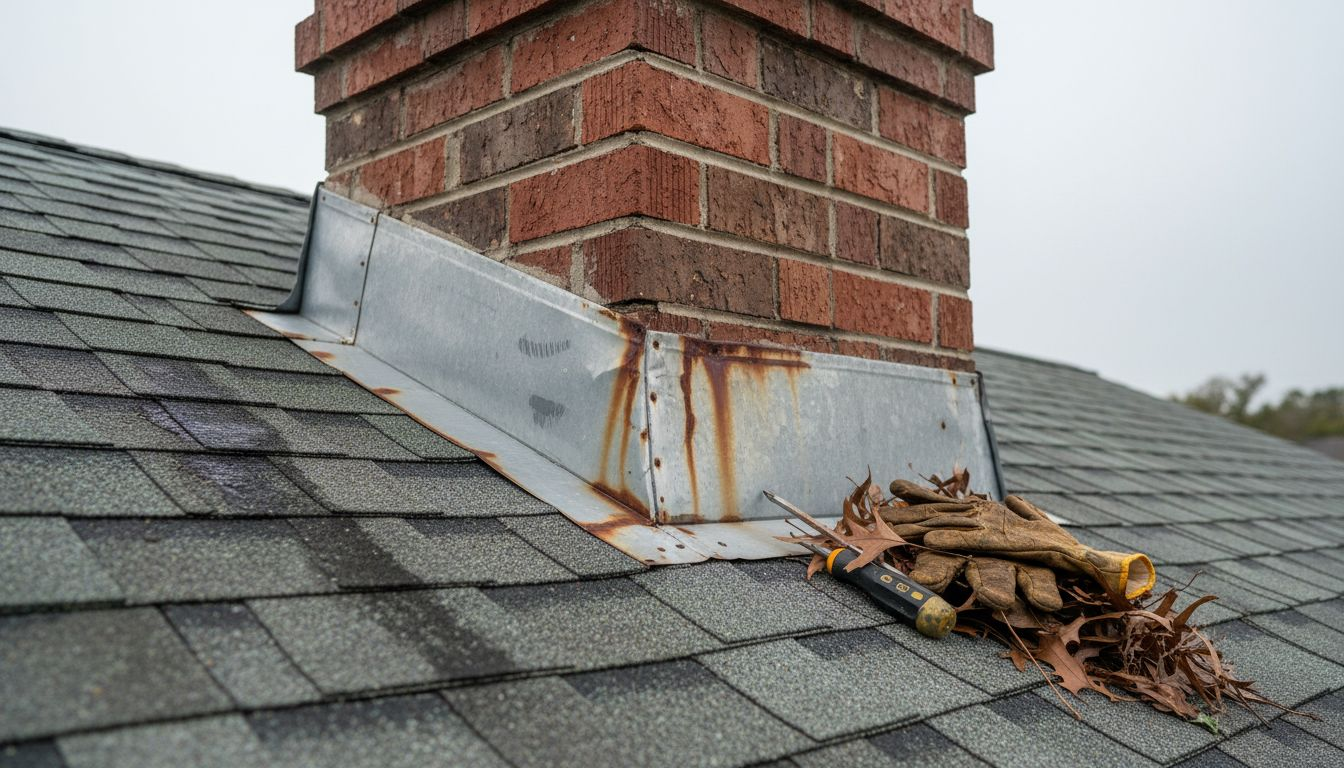
Flashing deserves special attention because it’s where most leaks start. These metal pieces seal vulnerable spots where your roof meets walls, chimneys, or valleys where two roof planes intersect. Properly installed flashing channels water away from these penetration points.
Roof pitch refers to steepness, measured as vertical rise over horizontal distance. A 4:12 pitch rises four inches for every twelve inches of horizontal span. Steeper pitches shed water faster but cost more to install and maintain. Understanding roofing materials in Central Florida helps you match pitch requirements with material choices.
Ventilation terms matter because trapped attic heat shortens roof life. Ridge vents run along roof peaks, soffit vents sit under eaves, and the combination creates airflow that removes moisture and heat. Without proper ventilation, shingles age prematurely and energy bills climb.
Common lifespan terms:
- Expected service life: Manufacturer’s estimate under ideal conditions
- Actual service life: Real world performance based on climate and maintenance
- Remaining useful life: Years left before replacement becomes necessary
Pro Tip: When contractors mention roof components, ask which ones show age appropriate wear versus premature failure. This distinction reveals whether you need spot repairs or full replacement.
Common Roofing Materials Used in Central Florida
Asphalt shingles dominate Central Florida roofing because they balance cost, durability, and storm resistance. Three tab shingles offer basic protection at the lowest price point. Architectural shingles, also called dimensional shingles, provide enhanced wind resistance and longer warranties. Impact resistant shingles contain modified asphalt that absorbs hail strikes without cracking.
Metal roofing has gained popularity for its exceptional wind performance and energy efficiency. Standing seam metal roofs feature vertical panels with concealed fasteners that resist uplift in hurricanes. Metal reflects solar heat, reducing cooling costs by up to 25% compared to dark asphalt shingles. The higher upfront cost pays back through longevity, with quality metal roofs lasting 40 to 70 years.
Modified bitumen serves commercial and flat residential roofs with rubber or plastic polymer reinforcement. This material handles Florida’s intense heat without softening or cracking. Installation involves torch application or self adhering membranes, both creating watertight seals.
Material Comparison for Central Florida Climate:
| Material | Wind Rating | Lifespan | Heat Resistance | Cost Level |
|---|---|---|---|---|
| Three Tab Shingles | 60 mph | 15 to 20 years | Moderate | $ |
| Architectural Shingles | 110 to 130 mph | 25 to 30 years | Good | $$ |
| Impact Resistant Shingles | 110 to 130 mph | 30 to 50 years | Very Good | $$$ |
| Standing Seam Metal | 140+ mph | 40 to 70 years | Excellent | $$$$ |
| Modified Bitumen | 90 mph | 20 to 30 years | Excellent | $$$ |
Choosing roofing materials for Florida homes requires balancing budget against hurricane risk and energy savings. Impact resistant products often qualify for insurance discounts that offset higher material costs over time.
Material specific terms to know:
- Algae resistant shingles: Copper granules prevent black streaking in humid climates
- Cool roof coating: Reflective surface treatment that lowers surface temperature
- Membrane seams: Overlapped or welded joints in flat roofing systems
- Fastener pattern: Nail or screw placement that determines wind resistance
Exploring examples of Central Florida roofing materials shows how different products perform in local conditions. Ask contractors which materials they see lasting longest in your specific neighborhood.
Storm Damage Roofing Terminology
After hurricanes or severe thunderstorms, specific damage patterns emerge that require precise terminology for insurance documentation. Granule loss occurs when shingle surfaces shed their protective rock coating, exposing the asphalt underneath to UV damage. You’ll notice granules collecting in gutters or bare spots on shingles where the black underlayer shows through.
Wind uplift happens when high winds get under shingle edges and peel them back or tear them completely off. This damage concentrates on roof edges, ridges, and corners where wind speeds increase. Creasing refers to shingles that bent but didn’t tear, leaving permanent folds that trap water and accelerate deterioration.
Blistering creates bubbles in shingles when moisture trapped during manufacturing expands in heat. Storm related blistering differs from manufacturing defects because it appears suddenly after specific weather events. Bruising describes impact damage where hail or debris crushed shingle surfaces without breaking through.
Understanding storm damage terminology helps you document problems accurately for adjusters. Hidden damage poses the biggest financial risk because it doesn’t show from ground level but causes progressive deterioration.
Common hidden damage types:
- Deck fracturing: Cracks in plywood from impact that weaken structural integrity
- Fastener withdrawal: Nails that pulled partially out, compromising attachment
- Flashing separation: Storm forces that loosened metal seals around penetrations
- Underlayment tears: Rips in waterproof membrane hidden beneath intact shingles
- Soffit water intrusion: Wind driven rain that soaked attic spaces through vents
“Approximately 35% of storm damage remains invisible from ground inspections, requiring professional roof access to identify structural concerns and hidden water penetration before interior damage appears.” [Florida Roofing Magazine]
Insurance claim vocabulary includes actual cash value, which depreciates your roof’s age, versus replacement cost value, which covers full replacement regardless of age. Matching refers to blending new shingles with existing ones when only partial replacement occurs. Scope of loss documents all damage items the insurer agrees to cover.
Roof Inspection and Assessment Terms
Professional roof inspections use specific terminology to categorize findings and assign urgency levels. Kerf marks are small test cuts inspectors make in shingles to check for brittleness and aging. These marks don’t damage your roof but provide forensic evidence about material condition.
Impact resistance gets rated on a scale from Class 1 to Class 4, with Class 4 offering maximum hail protection. Testing involves dropping steel balls of increasing size onto samples until they fail. Wind damage ratings measure sustained wind speeds and gust resistance separately because roofs fail differently under steady pressure versus sudden blasts.
Roof certifications differ fundamentally from inspections despite overlapping procedures. Only 30% of roof certifications in Florida overlap fully with inspection reports, showing distinct procedural differences. An inspection identifies current problems and estimates remaining life. A certification provides a contractor’s guarantee that the roof will perform for a specific period, typically required when buying or insuring a home.
Understanding roof inspection terminology helps you interpret reports correctly. When learning what is roof inspection procedures involve, ask inspectors to explain ratings in plain language.
Key assessment distinctions:
- Cosmetic damage: Appearance issues that don’t affect performance
- Functional damage: Problems that compromise weatherproofing or structural integrity
- Maintenance items: Normal wear requiring attention but not urgent
- Safety hazards: Conditions requiring immediate correction
- Code violations: Installation errors that don’t meet building standards
Inspection reports grade overall condition as excellent, good, fair, or poor. These ratings combine multiple factors including age, damage, installation quality, and maintenance history. Fair condition typically means replacement within five years, while poor condition demands immediate action.
Repair, Replacement, and Warranty Terminology
Understanding when repair suffices versus requiring full replacement saves money and extends roof life appropriately. Repairs address localized damage or wear without disturbing the entire system. Replacement involves tearing off all materials down to the deck and installing completely new roofing.
Overlay or recover describes installing new shingles over existing ones. While this saves labor costs, it adds weight, hides deck problems, and typically voids manufacturer warranties. Most Florida building codes now prohibit overlays after two existing layers already exist.
Deciding between roof replacement vs repair depends on damage extent, roof age, and cost effectiveness. The 30% rule states that when damage or wear exceeds 30% of total roof area, replacement becomes more economical than patchwork repairs.
Repair vs Replacement Decision Factors:
| Factor | Favor Repair | Favor Replacement |
|---|---|---|
| Damage Extent | Under 30% of roof area | Over 30% of roof area |
| Roof Age | Under 15 years old | Over 20 years old |
| Budget Timeline | Limited immediate funds | Investment in long term value |
| Warranty Status | Active manufacturer coverage | Expired or voided warranty |
| Inspection Findings | Isolated problems | Systemic deterioration |
Warranty terminology confuses many homeowners because multiple coverage types apply simultaneously. Material defect warranties from manufacturers cover product failures like premature granule loss or cracking. Workmanship warranties from installers address installation errors such as improper flashing or inadequate fastening.
Prorated coverage reduces claim payouts based on roof age. A 30 year warranty might offer full coverage for 10 years, then prorate remaining value over 20 years. Non prorated or lifetime warranties maintain full coverage throughout the stated period.
Understanding roofing guarantee terms prevents surprises when filing claims. Review roof replacement coverage details before signing contracts.
Warranty terms that limit coverage:
- High wind exclusions: Some warranties exclude damage from winds over specified speeds
- Maintenance requirements: Coverage voids without documented regular inspections
- Transfer restrictions: Warranties that don’t transfer to new homeowners or charge fees
- Labor coverage limits: Material replacement covered but not installation costs
- Algae and discoloration: Often excluded as cosmetic rather than functional failure
Pro Tip: Photograph warranty documentation and save digital copies in cloud storage. Paper warranties fade or get lost, but claims require proving coverage exists.
Common Misconceptions and Hidden Damage in Roofing
Many homeowners believe roof damage always shows obvious signs like missing shingles or interior leaks. This misconception causes delayed repairs and insurance claim problems. Structural damage to roof decking often remains hidden beneath intact shingles until someone walks on the roof and feels soft spots.
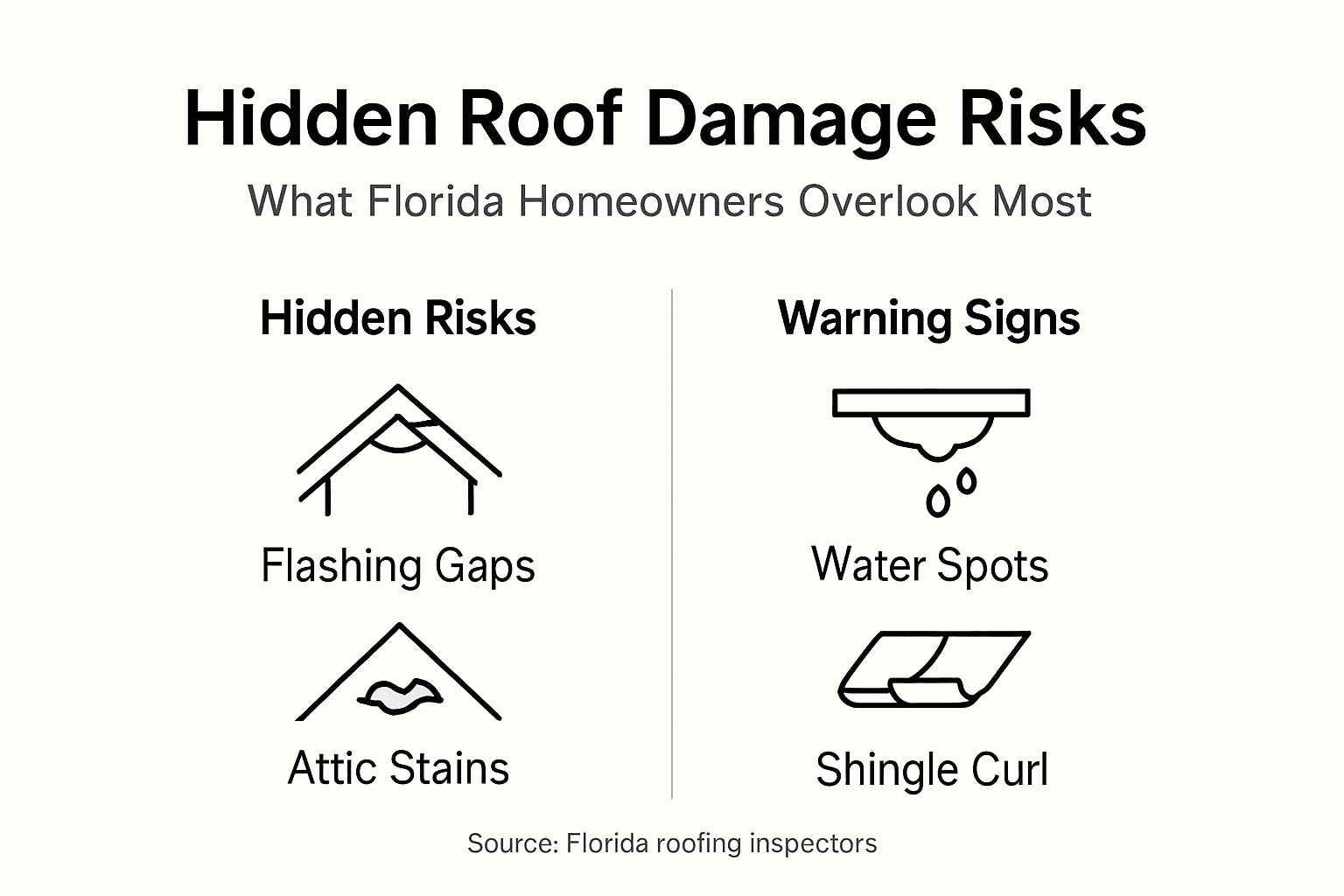
Flashing failures rank as the most underestimated damage source. These metal seals around chimneys, vents, and valleys deteriorate from thermal expansion cycles and UV exposure. Small gaps in flashing cause water intrusion that rots deck boards and damages attic insulation long before ceiling stains appear inside your home.
Another common myth assumes roof repair and replacement represent interchangeable solutions. Repairs work for isolated problems on otherwise sound roofs. When multiple areas show age related deterioration, repairs become temporary fixes that delay inevitable replacement while wasting money on repeated service calls.
Warranty misunderstandings lead to denied claims and unexpected costs. Homeowners often believe warranties cover all roof problems when most exclude wind damage, improper maintenance, and installation errors not performed by the original contractor.
Misconceptions about roofing damage:
- Small leaks can wait: Even minor leaks cause exponential damage over time through wood rot and mold
- All contractors spot hidden damage: Only experienced professionals using proper inspection protocols find concealed problems
- Insurance covers everything: Standard policies exclude wear and tear, only covering sudden storm damage
- New roofs don’t need maintenance: Annual inspections catch small issues before they become expensive failures
- DIY repairs save money: Improper fixes often void warranties and create bigger problems
“Attic inspections reveal water damage and inadequate ventilation in over 60% of homes where roof surfaces appeared acceptable from exterior viewing, demonstrating why comprehensive assessments require interior and exterior evaluation.” [Home Inspector Association]
Hidden damage particularly affects homes after hurricane seasons. Wind driven rain penetrates through compromised flashing and damaged vent boots. Water saturates insulation and deck boards while outer shingles remain attached. By the time interior damage appears, mold growth and structural deterioration have progressed significantly.
Applying Roofing Terminology to Make Informed Decisions
Using roofing terms effectively starts with preparing for contractor conversations. Write down specific concerns using proper terminology before meetings. Instead of saying your roof looks bad, note that you see granule loss on south facing slopes and suspect flashing separation around the chimney.
When contractors provide estimates, ask them to walk you through each line item using the terms you’ve learned. If an estimate lists tear off, underlayment, and ice and water shield, request clarification about which roof areas receive each material and why.
Weighing roof repair and replacement choices requires asking targeted questions. What percentage of my roof shows damage? How does repair cost compare to prorated replacement cost over expected remaining life? Will repairs maintain my current warranty or void coverage?
Steps for informed roofing decisions:
- Document current conditions with photos labeled using proper terms like damaged flashing or missing granules
- Request detailed written estimates that itemize materials and labor using industry standard terminology
- Compare contractor proposals side by side checking for scope differences in deck repair or ventilation upgrades
- Verify license credentials and ask for references specifically about warranty claim support and workmanship guarantees
- Review insurance policy language about actual cash value versus replacement cost before filing claims
Interpreting roof inspection language becomes easier when you understand rating systems. Ask inspectors to explain their condition grades and show you examples of issues they documented. Request clarification when reports use unfamiliar acronyms or technical specifications.
Warranty and insurance documents contain critical exclusions buried in fine print. Look for terms like pre existing conditions, normal wear and tear, and acts of God that limit coverage. Ask agents to explain prorated depreciation schedules in dollar amounts for your specific roof age.
Pro Tip: Create a roofing file that includes inspection reports, warranty documents, contractor estimates, and maintenance records. This documentation proves proper care when filing warranty claims or selling your home.
Trusted Roofing Solutions for Central Florida Homeowners
Now that you understand roofing terminology, you can make confident decisions about protecting your home. Thomas Roofing & Repair specializes in helping Central Florida homeowners navigate complex roofing choices with transparent communication and expert guidance.

Our team handles everything from roof replacement in Maitland to storm damage assessment using the same clear language this guide provides. When hurricanes strike, our emergency roof repair services respond quickly to prevent further damage and document conditions for insurance claims.
Regular roof maintenance services extend your roof’s lifespan and catch small problems before they become expensive emergencies. We provide detailed inspection reports in plain English, explaining exactly what your roof needs and why. Our warranties clearly state coverage terms without confusing exclusions, and we stand behind our workmanship for years after installation.
Contact us today for a comprehensive roof assessment that uses the terminology you now understand to explain your options clearly and help you choose the best solution for your home and budget.
Frequently Asked Questions
What does roof certification mean compared to a regular inspection?
A roof certification provides a contractor’s written guarantee that your roof will perform without leaks for a specific period, typically one to five years. Regular inspections assess current condition and identify problems but don’t include performance guarantees or insurance eligibility statements that certifications provide.
How can I identify hidden roof damage after a storm?
Hidden damage requires professional inspection from inside your attic and on the roof surface. Look for water stains on attic decking, compressed or wet insulation, and daylight visible through roof boards. From outside, soft spots when walking the roof indicate deck damage beneath intact shingles.
When should I choose roof repair versus full replacement?
Repair makes sense when damage affects less than 30% of your roof and the system is under 15 years old with remaining warranty coverage. Replacement becomes cost effective when widespread deterioration exists, your roof exceeds 20 years old, or repairs would cost more than 50% of replacement price.
What types of warranty coverage should I look for?
Seek non prorated material warranties lasting 30 to 50 years and workmanship warranties covering at least 10 years. Ensure warranties transfer to future homeowners, include labor for material defect repairs, and clearly state maintenance requirements and exclusions without vague language about normal wear.
How do I communicate effectively with my roofing contractor?
Use specific terminology when describing concerns, such as noting granule loss rather than saying shingles look worn. Ask contractors to explain unfamiliar terms and show you actual roof components they reference. Request written estimates with itemized materials and labor so you understand exactly what work your payment covers.