
 407-408-0577
TL;DR:
- Choosing metal, tile, or impact-resistant asphalt roofing improves Florida home resilience against hurricanes. Proper system installation, including fastening and connections, is essential for these materials to withstand high wind and impact. Regular inspections and proactive upgrades further enhance a roof’s storm resistance, minimizing damage during severe weather events.
Florida homeowners know the stakes. A major hurricane or fast-moving storm can strip a roof bare within minutes, leaving everything underneath exposed to catastrophic water damage. Choosing the top roofing materials for Florida storms is not just a smart upgrade. It’s one of the most financially protective decisions you can make for your home. This guide walks you through the performance criteria that matter, the materials that hold up under real storm conditions, and how to match the right choice to your home’s specific risks and budget.
Table of Contents
- Key takeaways
- How to evaluate roof materials for storm resistance in Florida
- 1. Standing seam metal roofing
- 2. Exposed fastener metal panels
- 3. Clay tile roofing
- 4. Concrete tile roofing
- 5. Impact-resistant asphalt shingles
- 6. Composite and synthetic roofing tiles
- 7. Comparative analysis of top storm-resistant roofing materials
- 8. Situational recommendations for Florida homeowners
- My honest take after years of Florida storm roofing
- Protect your home with Thomasroofingandrepair’s storm-ready roofing
- FAQ
Key takeaways
| Point | Details |
|---|---|
| Wind and impact ratings matter | Prioritize materials tested for high wind uplift and UL 2218 Class 4 impact resistance. |
| System performance beats material alone | Deck attachment, underlayment, and roof-to-wall connections determine whether any material survives a storm. |
| Metal roofing leads in wind resistance | Standing seam metal with proper clip spacing performs at the top of Florida storm roofing choices. |
| Tile roofs need correct fastening | Clay and concrete tiles are durable but must be properly anchored to resist hurricane-force uplift. |
| Roof age is a real risk factor | Asphalt roofs older than 15 years often fail inspections and leave homeowners underinsured before storms hit. |
How to evaluate roof materials for storm resistance in Florida
Before you settle on a material, you need to understand what Florida actually demands from a roof. The Florida Building Code aligns with ASCE 7-22 wind standards, with design wind speeds up to 160 mph in many inland Central Florida zones. That number has real consequences for how your roof must be fastened, layered, and detailed at its edges.
Two certifications should be on your checklist before you commit to any product:
- Wind uplift resistance: Tested per Florida Building Code provisions, this measures how well a roof assembly resists being peeled up by negative pressure during high winds.
- UL 2218 impact resistance: Class 4 impact testing uses a 2-inch steel ball dropped from 20 feet. If the material doesn’t crack, it passes. Class 4 is the highest rating and often qualifies you for insurance discounts.
- Roof zone differentiation: Your roof has three zones: field (the center), edge, and corner. Corners and edges face higher uplift pressures than the field, so fastening requirements differ across the roof surface.
- System-level upgrades: Per Florida Senate Bill 1452, storm-resilient roofs include reinforced roof-to-wall connections, improved deck attachments, and secondary water resistance underlayment. No material performs well if the system beneath it is weak.
Pro Tip: Before shopping for materials, pull your home’s wind zone classification from your local building department. A material rated for 130 mph is not the same as one rated for 160 mph, and the difference can determine whether your roof survives intact.
Inspections and maintenance round out this picture. Early inspections of hidden roof components can catch failing flashings, loose deck boards, and deteriorated underlayment before a storm finds them first. Check out this roof maintenance guide to understand what a proactive inspection actually covers.
1. Standing seam metal roofing
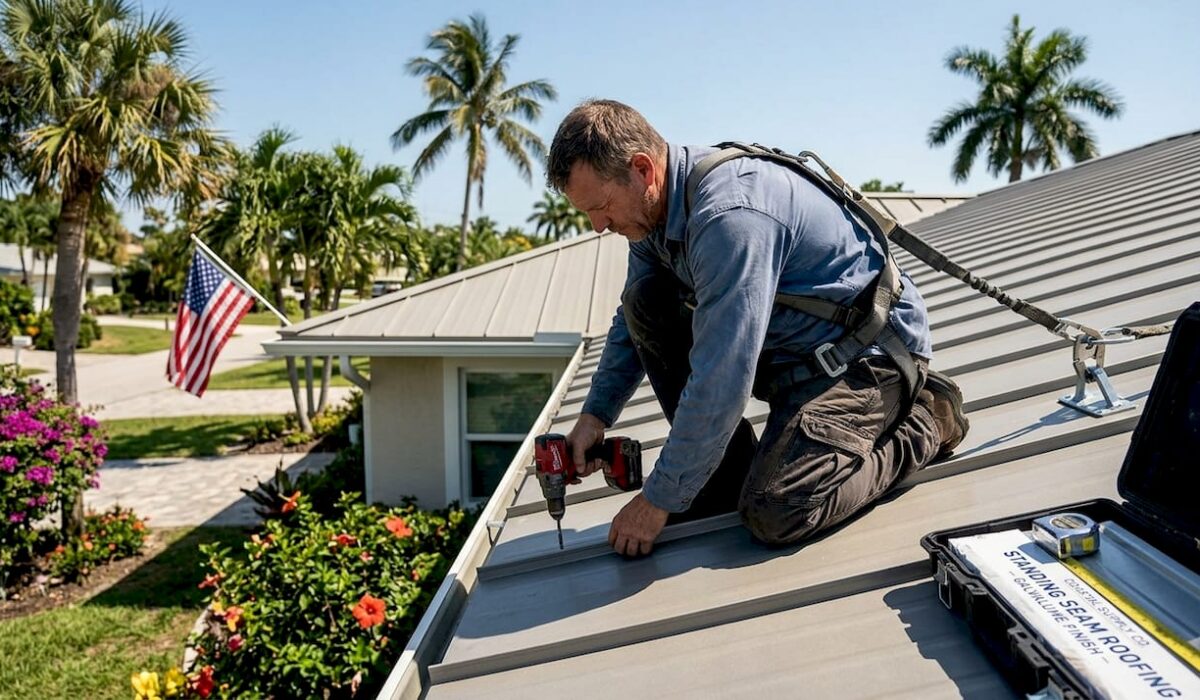
Standing seam metal is widely considered the top rated roofing for storms in Florida, and the data backs that up. The concealed fastener design means the panels interlock mechanically rather than relying on exposed screws that can back out under repeated wind cycling.
The critical performance variable is clip spacing. In field zones, typical clip spacing runs 12 inches. In corners and edges, that drops to 6 inches to handle the higher uplift pressures that hurricanes generate at roof perimeters. When installed correctly, standing seam metal can meet design wind pressures well above 150 mph.
“The assembly is the rating. A metal panel is only as good as the clips, fasteners, substrate, and edge detailing used with it. The material certificate alone means nothing if the installation deviates from the tested configuration.”
Water management is another standout feature. The raised seams shed water before it has a chance to penetrate, which matters enormously during Florida’s multi-hour rain events that can accompany landfalling storms. Lifespan runs 40 to 70 years with minimal maintenance, making the higher upfront cost a reasonable long-term investment.
2. Exposed fastener metal panels
Exposed fastener metal panels are a more affordable entry point into hurricane proof roofing solutions. They perform well in wind events but require more attention over time because the screws that hold panels down are visible and can loosen or corrode with age.
For Florida applications, use panels with neoprene-backed screws and check them every two to three years. The full assembly must match tested configurations, including panel gauge, substrate type, and fastener count. Thicker gauge panels (24-gauge or heavier) hold fasteners better and resist denting from wind-driven debris.
This option works well on outbuildings, covered porches, and budget-conscious primary residences where a full standing seam system is not financially practical right now.
3. Clay tile roofing
Clay tile has been a staple of Florida architecture for a reason. It handles UV exposure, humidity, and coastal salt air better than almost any other material. Clay and concrete tiles require proper fastening due to their weight and wind exposure, which is both a strength and a responsibility.
The weight of clay tile, typically 9 to 12 pounds per square foot, actually helps it resist uplift in moderate conditions. But without correct mechanical fastening, individual tiles can become projectiles in a Category 3 or higher event. Florida Building Code requires tiles to be nailed and in many cases foam-set or mortar-set depending on the wind zone.
Key points about clay tile for storm-prone Florida homes:
- Lifespan of 50 or more years with proper maintenance and fastening.
- Impact resistance varies: Clay is not as impact-resistant as metal but handles light hail well. Fallen debris from large storms can crack individual tiles.
- Vulnerable points: Ridge caps, hip tiles, and flashings are the first to fail. Inspect these annually.
- Weight load requirement: Older homes may need structural assessment before a tile roof installation.
The Mediterranean aesthetic that clay tile provides suits much of Central and South Florida’s architectural style, which makes it a frequent choice in communities from Brevard to Orange County.
4. Concrete tile roofing
Concrete tile is the more affordable cousin of clay tile and delivers similar storm performance when installed correctly. It is slightly heavier and can be more prone to moisture absorption over decades, but it handles Florida’s wind and rain environment well.
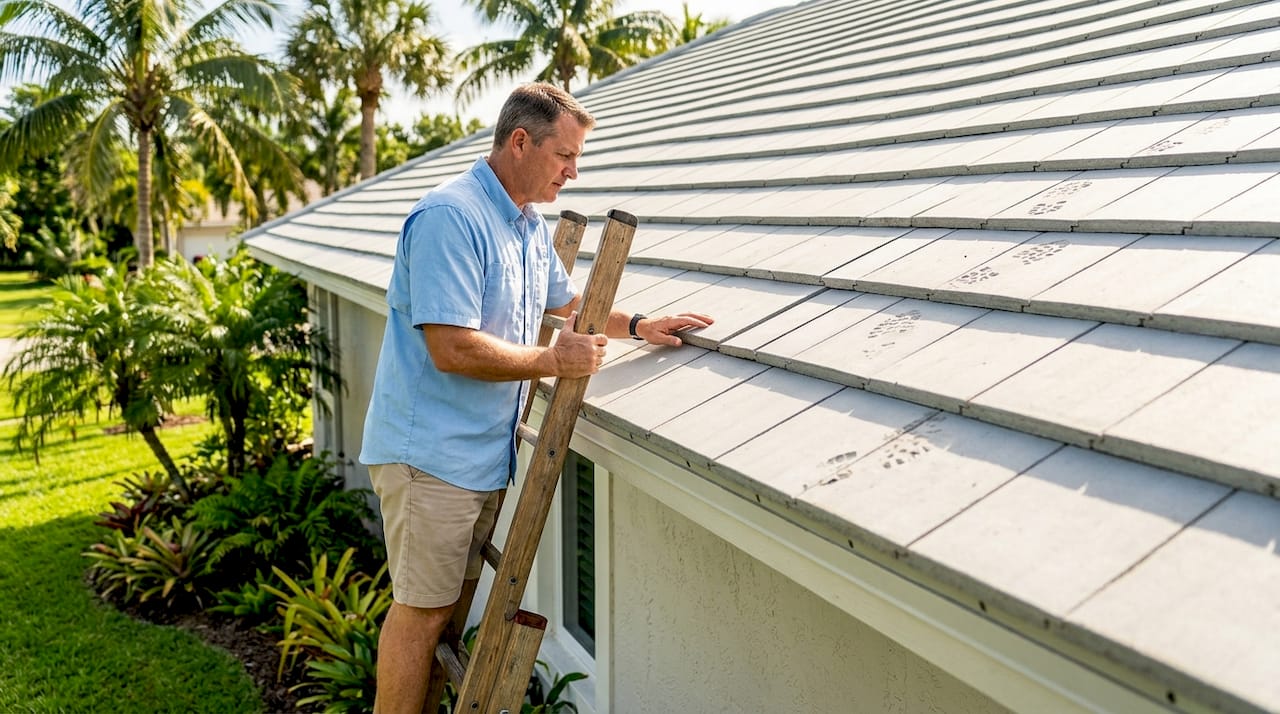
Concrete tiles must be installed to meet current wind zone requirements, with maintenance needed for broken tiles and flashing to keep the system watertight. One cracked tile is not a crisis on its own, but multiple broken tiles after a storm can let water into the underlayment and then into the structure. A post-storm tile inspection is non-negotiable.
Concrete tile typically lasts 30 to 50 years, costs less than clay, and comes in profiles that mimic both barrel tile and flat slate. For homeowners in HOA communities with specific aesthetic requirements, concrete tile often threads the needle between storm performance and style.
5. Impact-resistant asphalt shingles
Modern impact-resistant asphalt shingles represent the best roofing options for hurricanes at the entry-level price point. Products like GAF Timberline ArmorShield II meet UL 2218 Class 4 impact resistance and ASTM D7158 Class H wind resistance up to 150 mph. These are not your grandfather’s shingles.
The technology difference is SBS-modified asphalt. SBS-modified asphalt improves flexibility and durability, which reduces the cracking and granule loss that traditional shingles suffer in Florida’s thermal cycling. You get a more resilient product that bends rather than breaks under impact.
Pro Tip: Look for shingles that specify both ASTM D3161 and D7158 wind resistance. D7158 is the tougher standard and reflects real-world hurricane wind behavior more accurately than D3161 alone.
The honest limitation: asphalt roofs in Florida often need replacing within 15 to 20 years due to UV degradation, heat, and humidity. Insurers frequently decline coverage on roofs older than 15 years. If your asphalt roof is approaching that age, the storm season timing on your replacement decision becomes financially urgent.
6. Composite and synthetic roofing tiles
Composite tiles are gaining traction as Florida storm roofing choices for homeowners who want the look of clay or slate without the weight or fragility concerns. Made from recycled rubber, plastic, or polymer blends, the best composite products achieve UL 2218 Class 4 impact ratings while weighing a fraction of what natural tile does.
The lighter weight means less structural load and easier installation. The tradeoff is that long-term UV performance varies significantly by manufacturer. Request third-party test data and warranties that specifically cover Florida’s climate conditions before committing to a composite product.
Explore a full breakdown of roofing materials for Florida to see how composites stack up against traditional options in more detail.
7. Comparative analysis of top storm-resistant roofing materials
Here is a side-by-side view of the primary roofing types for high winds and storm events common in Florida.
| Material | Wind resistance | Impact rating | Avg. lifespan | Relative cost | Weight |
|---|---|---|---|---|---|
| Standing seam metal | Up to 160+ mph | High | 40-70 years | High | Light-medium |
| Exposed fastener metal | Up to 150 mph | Moderate-high | 30-45 years | Moderate | Light |
| Clay tile | Up to 150 mph | Moderate | 50+ years | High | Very heavy |
| Concrete tile | Up to 150 mph | Moderate | 30-50 years | Moderate-high | Heavy |
| Impact-resistant asphalt | Up to 150 mph | Class 4 (SBS) | 15-25 years | Low-moderate | Light |
| Composite tile | Up to 150 mph | Class 4 | 30-50 years | Moderate | Light-medium |
No material in this table performs to its rated specification without a properly installed system beneath it. Matching the tested product assembly to site-specific wind pressures is what separates a roof that survives from one that does not. That means selecting materials and installers who both understand the complete assembly requirements.
8. Situational recommendations for Florida homeowners
Choosing the right material comes down to your specific situation. Here is how to think through the decision:
- High hurricane risk zones: Standing seam metal or properly fastened tile gives you the highest confidence for sustained hurricane-force winds. These are the materials worth the premium if you are in a coastal or high-wind corridor.
- Budget-conscious replacement: Impact-resistant asphalt shingles with SBS modification give you meaningful storm protection at a lower cost. Plan for a replacement cycle of 15 to 20 years.
- Aging roof approaching 15 years: Do not wait for a storm to make this decision. Insurers often decline roofs older than 15 years, which leaves you exposed financially even if the roof itself survives a minor storm.
- HOA and aesthetic requirements: Concrete tile or composite tile lets you meet community standards without sacrificing storm performance.
- Whole-system upgrades: Whatever material you choose, ask your contractor about hurricane mitigation improvements like reinforced roof-to-wall connections and upgraded underlayment. These system-level upgrades are often eligible for My Safe Florida Home program grants.
Always work with a licensed Florida roofing contractor who knows your county’s specific wind zone maps and can pull the correct permits. The material choice and the installation quality are equally important.
My honest take after years of Florida storm roofing
I’ve seen the aftermath of enough Florida storms to say this plainly: the material rating on the product sheet is the starting point, not the finish line. Homeowners focus so much on which shingle or tile to buy that they overlook whether their deck is properly nailed, whether the underlayment has been upgraded, or whether their roof-to-wall connections meet current code. Those system failures are what I see most after major wind events, not the material itself giving out.
I’ve also watched homeowners delay replacing an aging asphalt roof and get caught in the worst possible position. A storm hits, the insurance company sends an adjuster, and suddenly there’s a coverage dispute because the roof was already past its useful life. Replacing a roof on your terms is always better than replacing it after a loss.
What actually works: get a full inspection from a licensed contractor before hurricane season, ask specifically about your deck attachment and underlayment, and treat your roofing system as a whole rather than just a surface. The homeowners who come through Florida storm seasons with the least damage are the ones who addressed their roof proactively. That pattern holds regardless of which material they chose.
— Thomasroofingandrepair
Protect your home with Thomasroofingandrepair’s storm-ready roofing
If you are ready to take the next step, Thomasroofingandrepair serves homeowners across Central Florida with professional roof installation and storm damage repair built around Florida’s toughest code requirements.

From roof installation in Titusville to storm-ready systems in Palm Bay, the team brings local expertise in Brevard, Volusia, and Orange counties where wind zones demand precision. Whether you need a full replacement with system-level upgrades, a pre-season inspection, or fast emergency storm repair after a major weather event, Thomasroofingandrepair has you covered. Schedule your free estimate today and get a roof built to handle whatever Florida throws at it.
FAQ
What is the most storm-resistant roofing material in Florida?
Standing seam metal roofing is the most storm-resistant option for Florida homes. When installed with proper clip spacing and tested assembly configurations, it can withstand design wind speeds above 160 mph.
What wind speed should Florida roofing materials be rated for?
Florida Building Code aligns with ASCE 7-22, and many Central Florida zones require materials rated for design wind speeds up to 160 mph. Always confirm your specific county and zone before selecting materials.
What does UL 2218 Class 4 mean for a roof?
UL 2218 Class 4 is the highest impact resistance rating, achieved by surviving a 2-inch steel ball dropped from 20 feet without cracking. Products with this rating typically qualify for insurance premium discounts in storm-prone states.
How long does an asphalt shingle roof last in Florida?
Most asphalt shingle roofs in Florida need replacing within 15 to 20 years due to UV exposure, heat, and humidity. Insurers often flag or decline roofs older than 15 years, which can affect coverage during storm season.
Do I need to upgrade more than just the roofing material?
Yes. Storm performance depends on the complete roof system, including deck attachment, underlayment, and roof-to-wall connections. Upgrading only the surface material without addressing these components leaves the system vulnerable to failure in high-wind events.