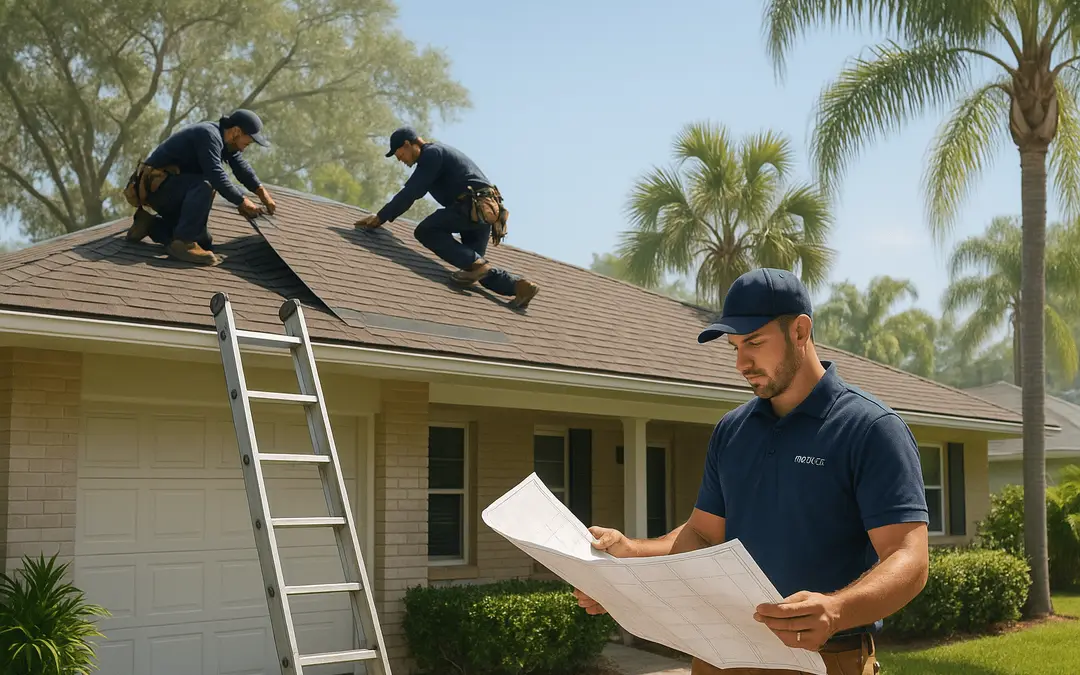
by Matthew Thomas | Oct 6, 2026 | Roofing Insights
TL;DR: Florida Building Code sets strict wind, water-barrier, and permitting rules for every roof replacement in Orange, Seminole, Osceola, Polk, Lake, Volusia, and Brevard counties. This guide explains the 25% reroofing rule, sealed roof deck and nailing...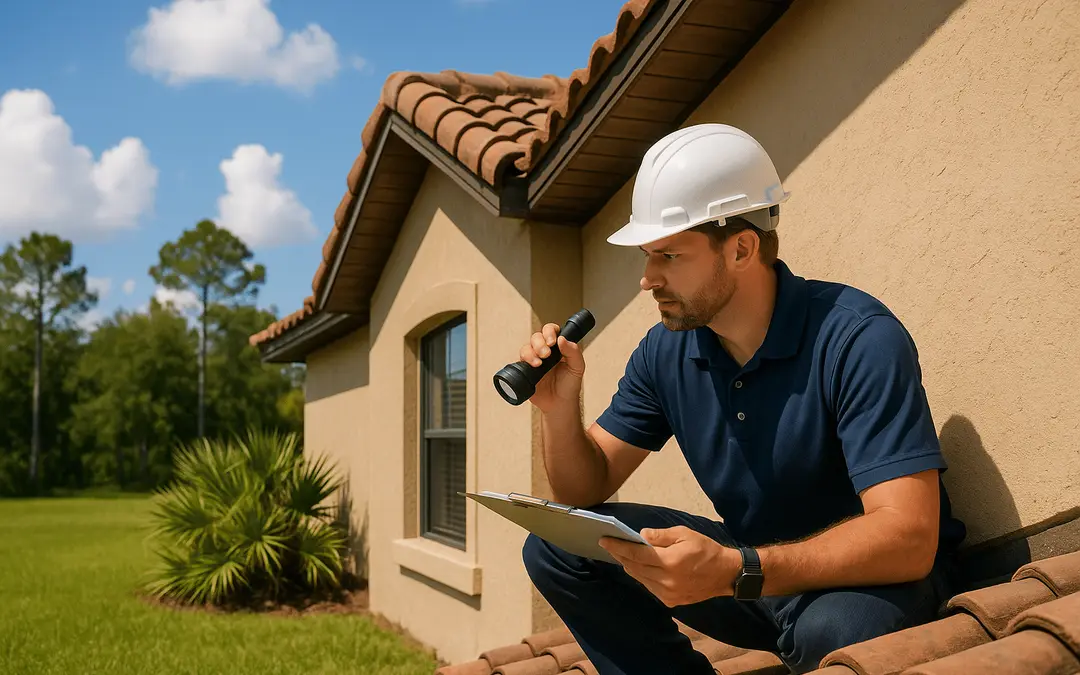
by Matthew Thomas | Oct 5, 2026 | Roofing Insights
TL;DR: A wind mitigation inspection documents hurricane-resistant features of your home, like roof shape, roof-to-wall connections, and opening protection, on Florida’s official OIR-B1-1802 form. Insurers are legally required to apply discounts for verified...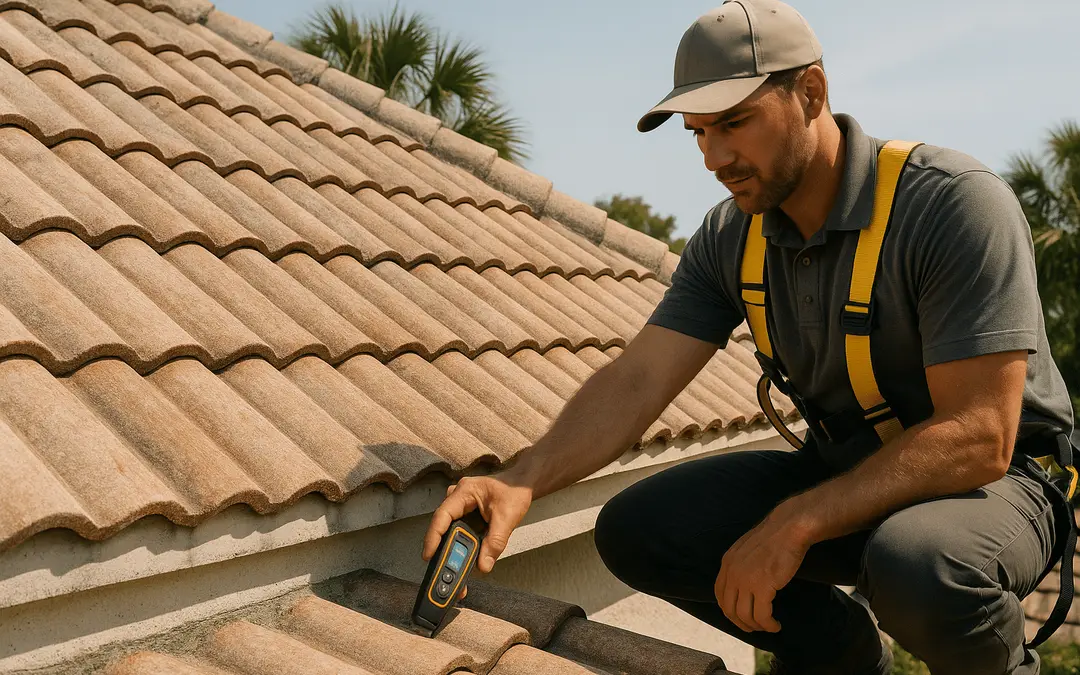
by Matthew Thomas | Oct 4, 2026 | Roofing Insights
TL;DR: Central Florida’s UV index regularly hits 10-12 in summer, and that constant radiation breaks down the chemical bonds in asphalt shingles and metal coatings year after year. This guide explains how UV degradation happens, the warning signs in Orlando-area...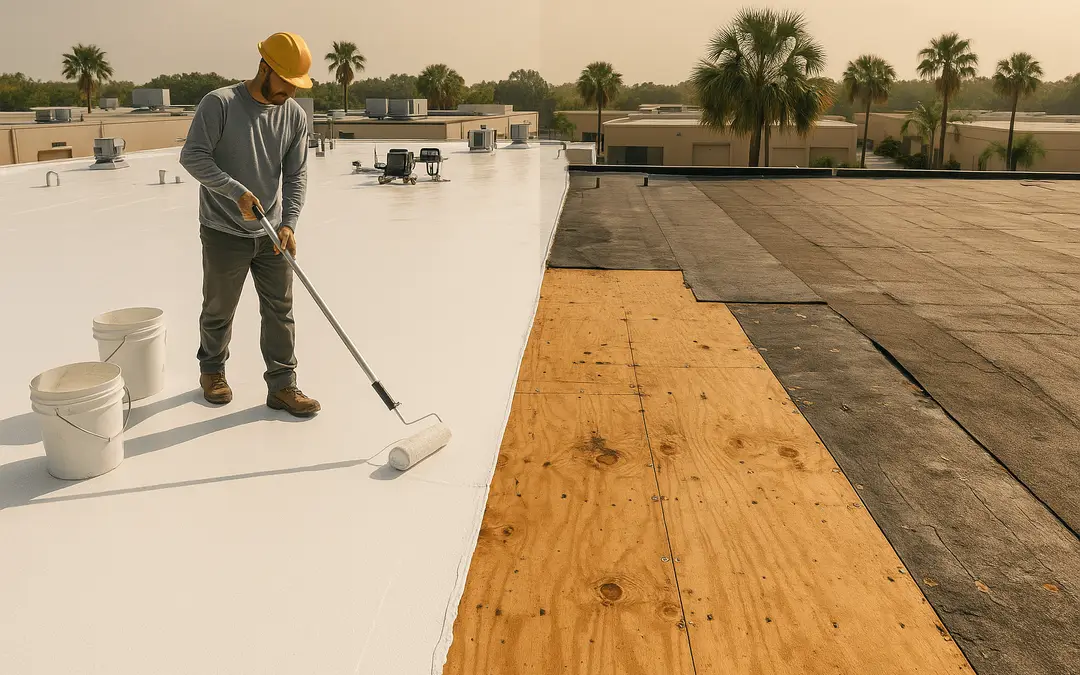
by Matthew Thomas | Oct 3, 2026 | Roofing Insights
TL;DR: Silicone roof coating restores a structurally sound flat or low-slope commercial roof by sealing seams and adding a waterproof, UV-reflective membrane without tearing off the existing system, while full replacement is required once the deck or substrate has...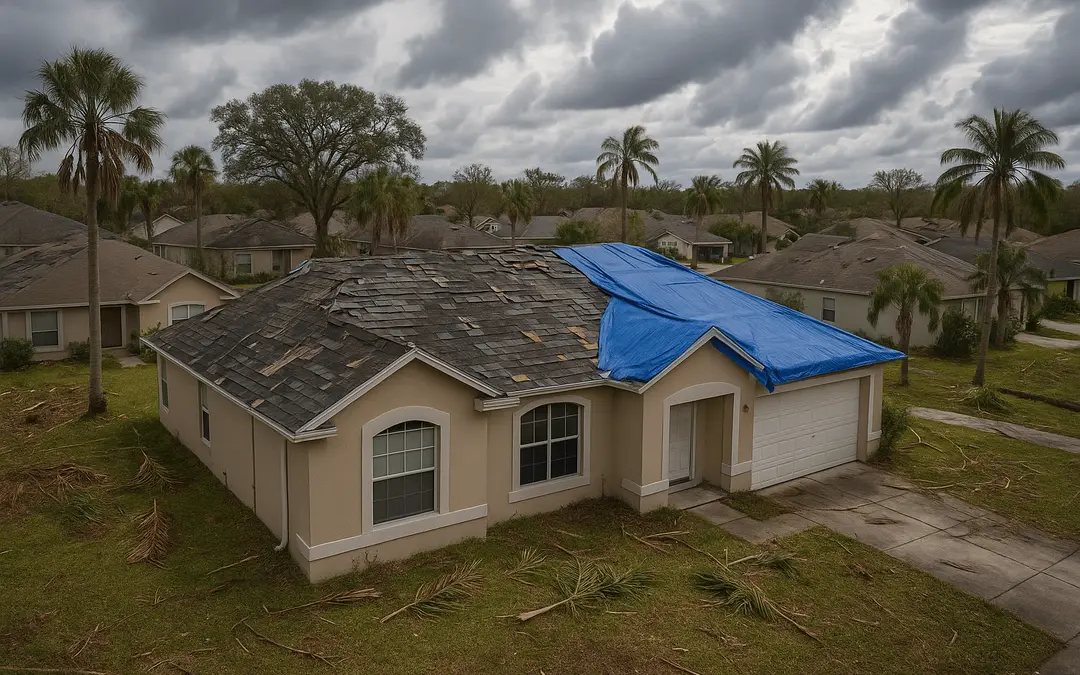
by Matthew Thomas | Oct 2, 2026 | Roofing Insights
TL;DR: Wind uplift is the negative pressure that hurricanes and strong storms create over a roof, pulling shingles, tiles, or panels away from the deck rather than pushing them down. Most hurricane roof failures in Central Florida start at predictable weak points —...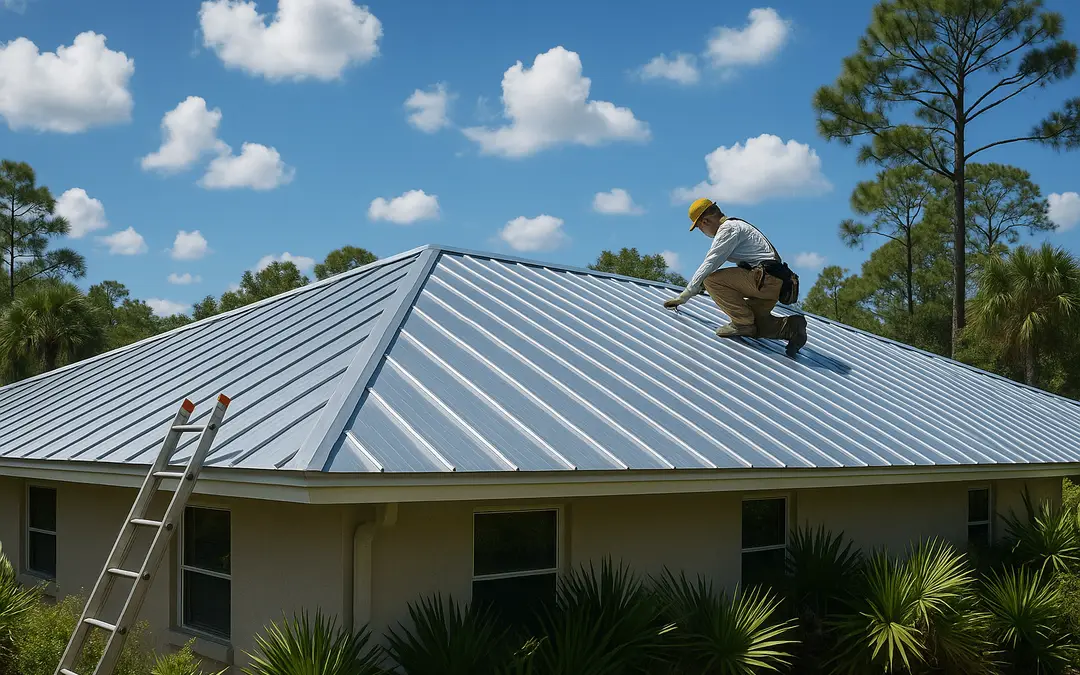
by Matthew Thomas | Oct 1, 2026 | Roofing Insights
TL;DR: Metal roofing costs more upfront than shingles but can last 40-70+ years, handle hurricane-force winds, and may qualify for insurance credits under Florida’s wind mitigation program. Whether it’s worth it in Central Florida depends on how long you...