by Matthew Thomas | Sep 30, 2026 | Roofing Insights
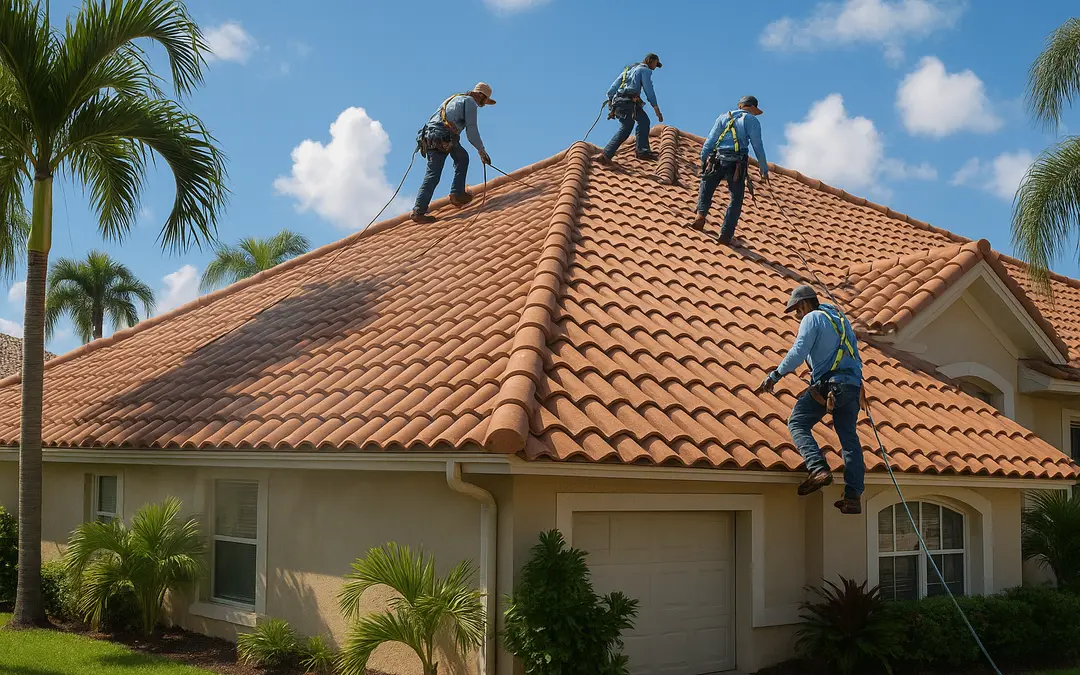
TL;DR: Concrete and clay tile roofs are popular across Orlando, Azalea Park, Conway, Pine Castle, Lockhart, and Union Park because they hold up well against Florida’s heat, UV exposure, and hurricane winds, often lasting 30-50 years or more. Tile costs more...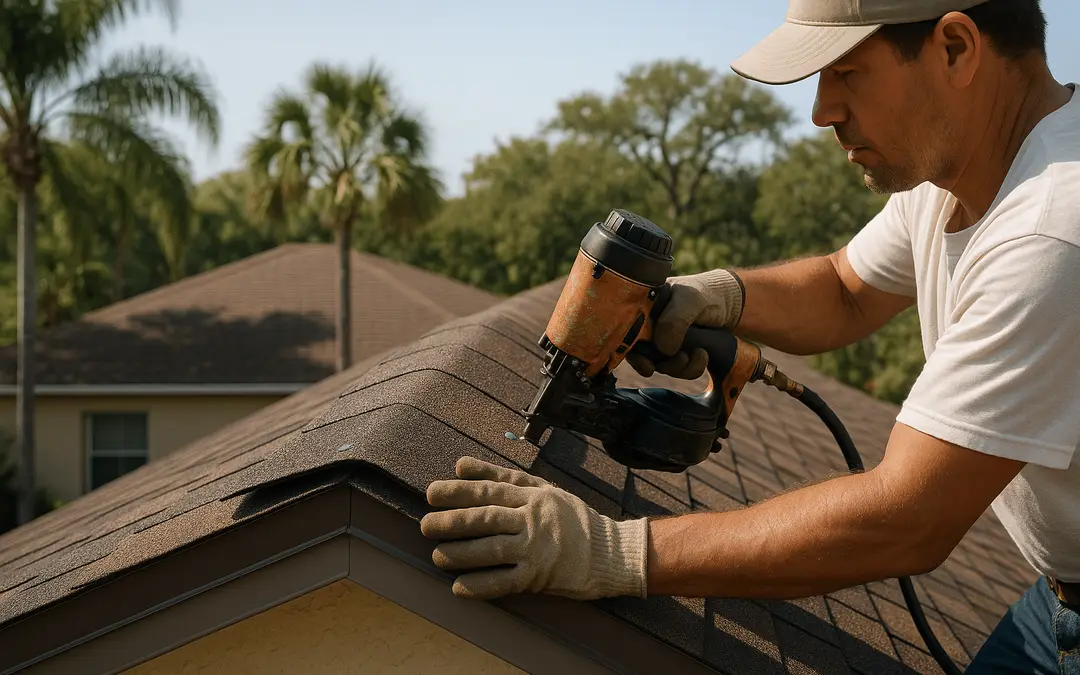
by Matthew Thomas | Sep 29, 2026 | Roofing Insights
TL;DR: Hip and ridge shingles are reinforced cap shingles installed over the angled seams where roof slopes meet, and they’re one of the most wind-exposed parts of any Central Florida roof. Using the wrong cap shingle, or installing it with the wrong nailing...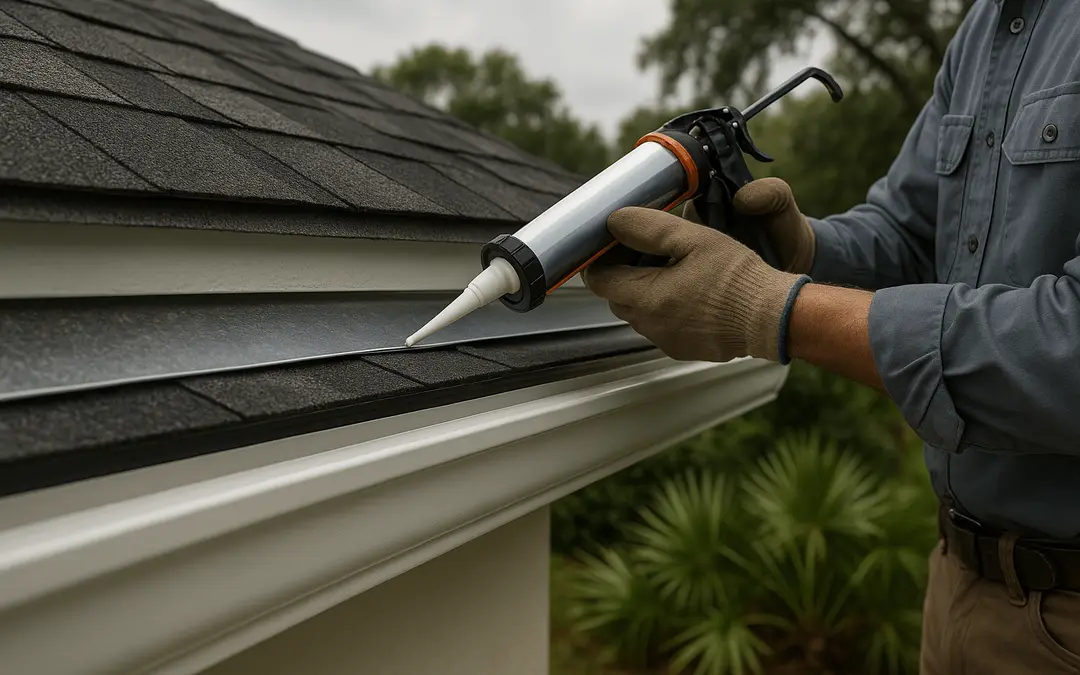
by Matthew Thomas | Sep 28, 2026 | Roofing Insights
TL;DR: A gutter apron is an L-shaped metal flashing installed at the roof eave that tucks under the shingles and extends into the gutter, stopping water from running behind the gutter and rotting the fascia board. It works alongside (not instead of) drip edge, and...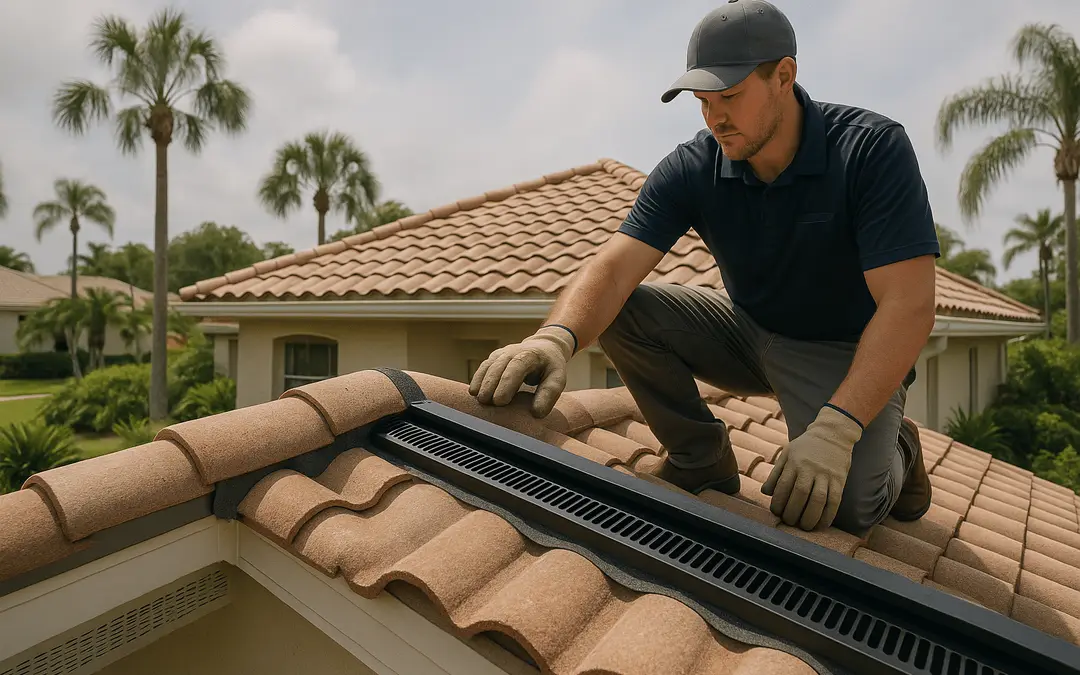
by Matthew Thomas | Sep 27, 2026 | Roofing Insights
TL;DR: Roof ventilation is a system of intake and exhaust vents that moves air continuously through your attic to control heat and moisture. In Florida’s hot, humid, storm-prone climate, balanced ventilation protects shingles, prevents mold, and can reduce...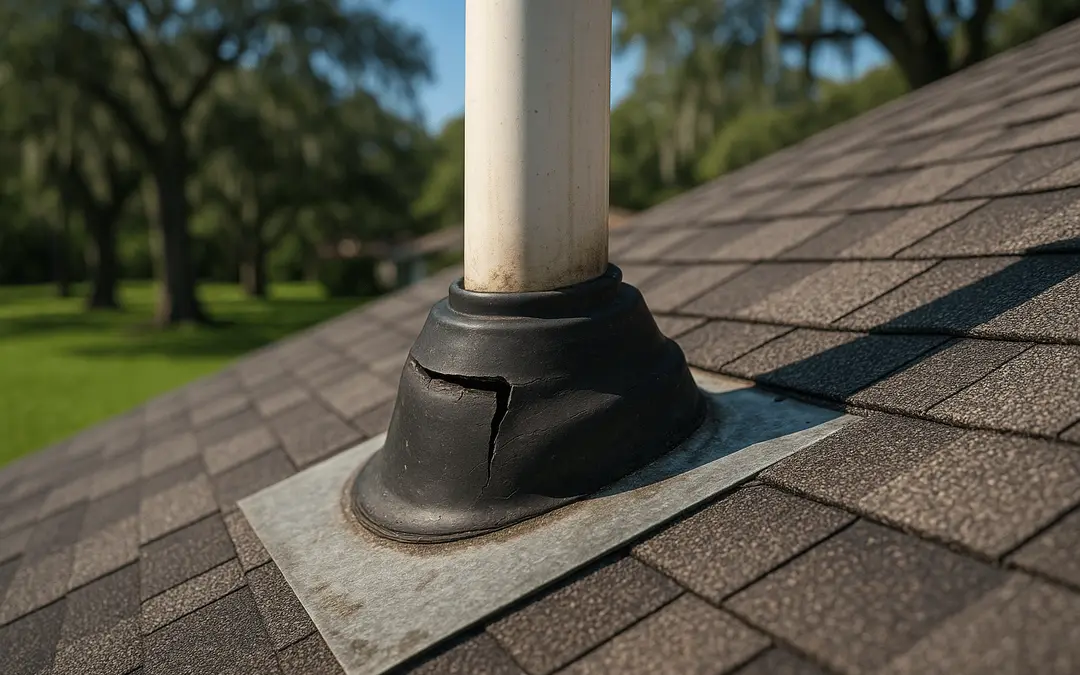
by Matthew Thomas | Sep 26, 2026 | Roofing Insights
TL;DR: A pipe boot is a two-part flashing component — a flat metal base flange and a rubber or silicone collar — that seals every pipe or vent stack where it punches through your roof. Standard rubber boots last only 10–15 years, far less than the 25–30-year life of...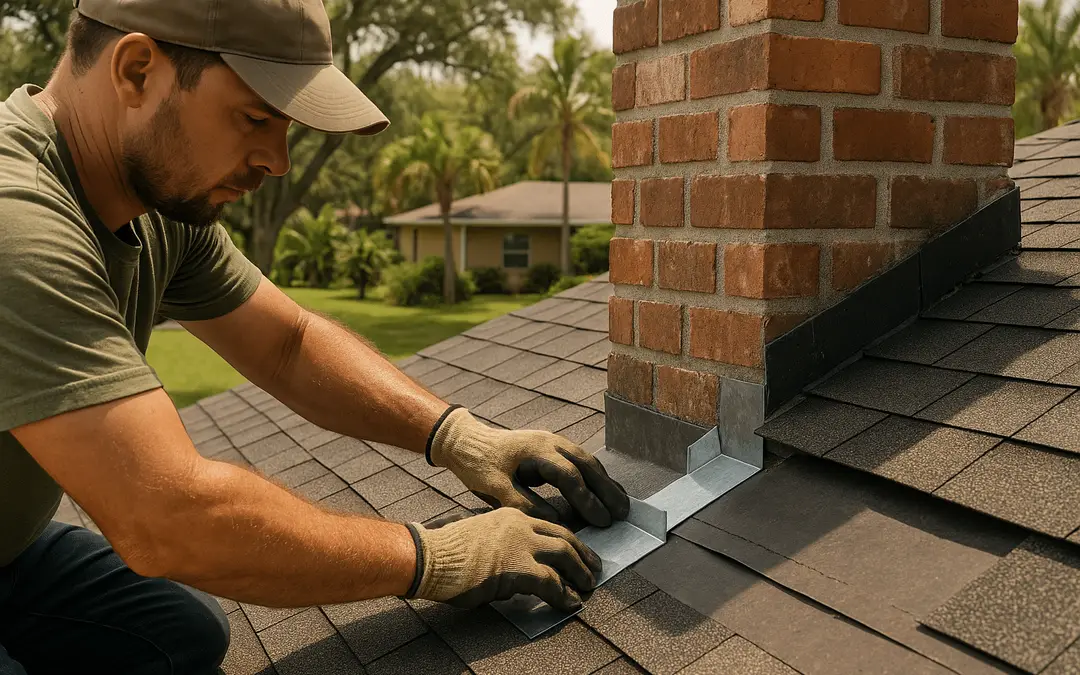
by Matthew Thomas | Sep 25, 2026 | Roofing Insights
TL;DR: Roof flashing is the thin metal barrier installed at every joint, transition, and penetration on your roof to redirect water away from vulnerable gaps. According to the National Roofing Contractors Association, improper or failed flashing is the leading cause...