
TL;DR:
- Cool roofs in Central Florida reflect more sunlight and reduce heat absorption, lowering energy bills and improving comfort. Proper material selection, maintenance, and timely installation maximize benefits, especially in humid, storm-prone climates. Proactive upgrades before summer ensure maximum savings, extended roof lifespan, and enhanced storm resistance.
Central Florida homeowners are quietly losing hundreds of dollars every summer to a problem sitting right above their heads. Most standard roofs absorb up to 90% of the sun’s energy, turning your attic into an oven and forcing your air conditioner to run almost nonstop. Cool roofs flip that equation entirely, using specialized materials and coatings to reflect sunlight instead of soaking it in. This guide breaks down exactly how cool roofs work, what materials make sense for Florida homes, and how to avoid the common mistakes that leave homeowners with less savings than they expected.
Table of Contents
- What is a cool roof and how does it work?
- Key benefits of cool roofs for Florida homeowners
- Cool roof materials and options: What works best in Florida?
- Nuances in Florida: What most homeowners miss
- Why smart homeowners invest in cool roofs before summer hits
- Ready to cut energy bills? Explore cool roof solutions with Thomas Roofing
- Frequently asked questions
Key Takeaways
| Point | Details |
|---|---|
| Significant energy savings | Cool roofs can cut your Central Florida cooling bills by up to 25 percent. |
| Right materials matter | Metal and reflective coatings offer efficiency and storm resilience for Florida’s climate. |
| Maintenance is key | Routine cleaning maximizes performance and extends the life of your cool roof. |
| Check for restrictions | Always consult your HOA and local codes before installing a cool roof. |
| Plan before summer | Installing ahead of heat season ensures maximum first-year savings and comfort. |
What is a cool roof and how does it work?
With an understanding of why so many roofs fall short in Florida’s climate, let’s break down what makes a roof “cool” and why it matters for your energy bills.
A cool roof is any roofing system designed to reflect more sunlight and release absorbed heat more efficiently than a conventional roof. Two properties define how well a roof performs in this regard: solar reflectance and thermal emittance. Solar reflectance measures how much sunlight bounces off the surface rather than getting absorbed. Thermal emittance measures how quickly the roof releases any heat it does absorb. A roof that scores high on both keeps your home dramatically cooler.
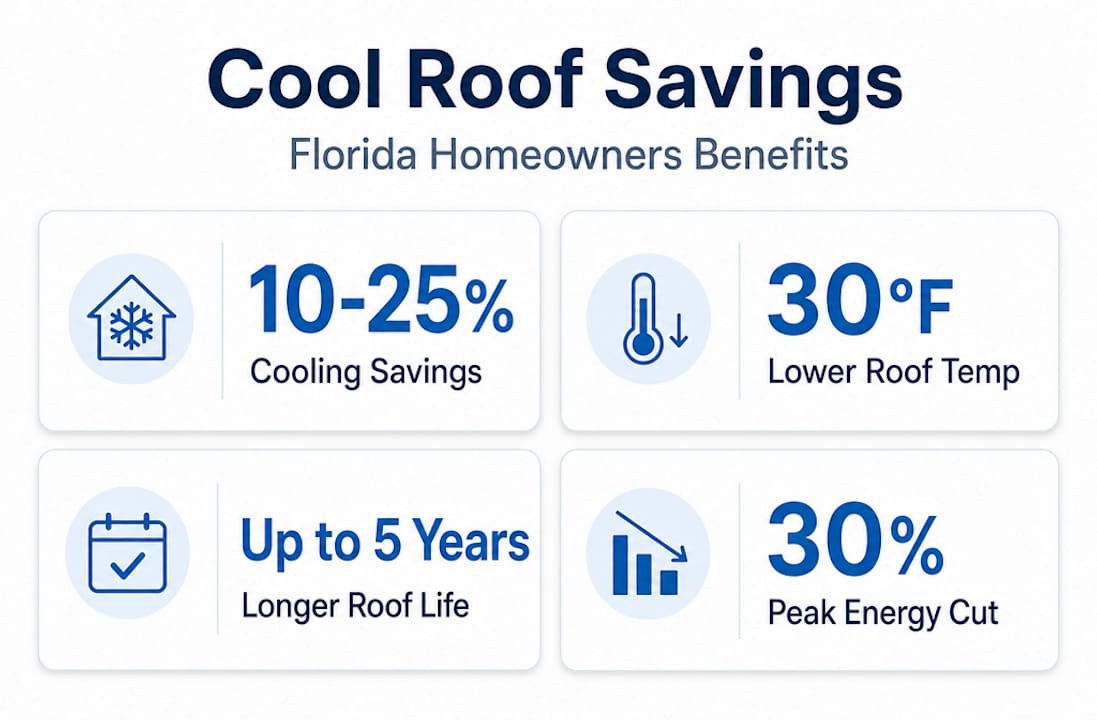
Standard dark asphalt shingles, which cover the majority of homes across Central Florida, typically have a solar reflectance of around 5 to 15%. That means they absorb 85 to 95% of the sun’s energy. On a typical summer afternoon in Orlando, that can push roof surface temperatures past 150°F. A cool roof with a reflectance rating of 65% or higher can keep that same surface below 100°F, a difference your AC unit notices immediately. The DOE confirms that cool roofs reduce heat gain and can cut cooling energy use by 10 to 25% in warm climates.
Common cool roof materials and finishes include:
- White or light-colored elastomeric coatings applied over existing roofs
- Single-ply membranes such as TPO or PVC (common on low-slope or flat roofs)
- Reflective metal roofing panels or standing seam systems
- Cool-rated asphalt shingles with special granules that reflect near-infrared light
- Tile roofing, which naturally allows airflow beneath the surface
| Roof type | Avg. surface temp (°F) | Estimated cooling savings |
|---|---|---|
| Standard dark asphalt | 150 to 170 | Baseline (no savings) |
| Cool-rated asphalt shingles | 120 to 130 | 7 to 12% |
| Elastomeric coating | 100 to 115 | 15 to 20% |
| Metal (reflective finish) | 95 to 110 | 15 to 25% |
| White single-ply membrane | 90 to 105 | 20 to 25% |
Understanding how reflective roofing saves energy helps you match the right material to your specific home layout and budget before committing to any installation.
Pro Tip: Florida’s humidity encourages algae and mildew to build up on roofing surfaces over time. Even the most reflective roof loses performance when it’s coated in a layer of dark biological growth. Schedule a gentle roof wash every one to two years to keep reflectance levels where they need to be.
Key benefits of cool roofs for Florida homeowners
Now that you know the science, it’s time to see how these principles translate into real results for your household.
The most immediate benefit most homeowners notice is a lower electricity bill. Florida homeowners pay some of the highest cooling costs in the country, and a significant portion of that load comes directly from heat radiating through the roof into the attic and living spaces. The 10 to 25% savings range confirmed by the Department of Energy isn’t a theoretical number. It reflects measured outcomes from real homes in warm climates just like Central Florida.
Here are the four main benefits you can expect from a properly installed cool roof:
- Lower monthly energy bills. Reduced heat gain means your AC runs less often and for shorter cycles, directly cutting your electricity consumption every single month.
- Improved indoor comfort. Rooms on the top floor of your home and spaces near the attic feel noticeably cooler, even before you factor in any AC savings.
- Longer roof lifespan. Constant thermal cycling, expanding and contracting under extreme heat, is one of the leading causes of premature roof degradation. Cooler surfaces experience less stress, which extends material life.
- Reduced environmental impact. When your AC runs less, your home draws less power from the grid, which cuts your household’s carbon footprint without any lifestyle changes.
“Roofs can get as hot as 150°F or more on a hot summer day. A cool roof can reduce peak cooling demand by 10 to 15%.” — U.S. Department of Energy
Beyond the numbers, the comfort factor is something you feel every day. Homes with poor attic insulation and dark roofs can have second-floor temperatures that are 5 to 10°F warmer than the ground floor during peak afternoon heat. A cool roof combined with proper attic ventilation closes that gap significantly. You can also explore documented energy and cost savings from energy-efficient roofing systems to see how these upgrades perform across different building types.
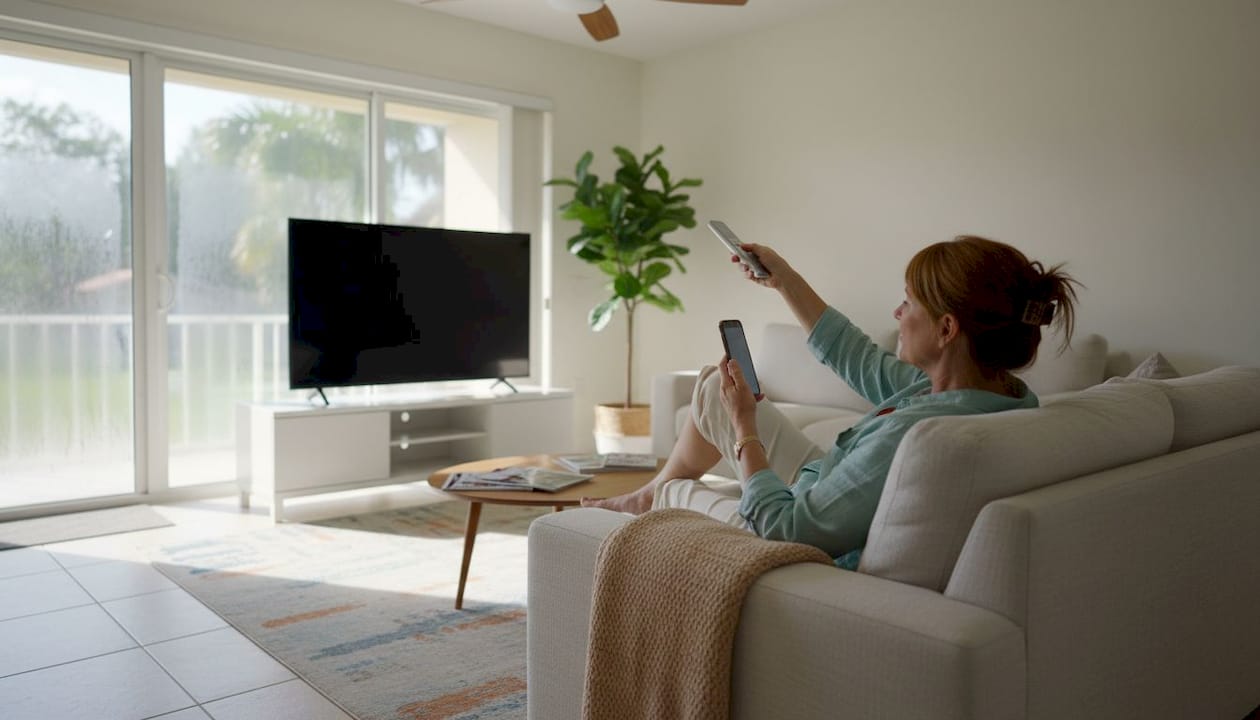
Roof longevity is often the most underrated benefit. A roof that stays cooler experiences less expansion and contraction stress, meaning sealants last longer, shingles hold their shape better, and the overall system ages more gracefully. In a state where UV exposure is intense year-round, that matters a great deal.
Cool roof materials and options: What works best in Florida?
Savings and comfort are only as good as the materials you choose. Let’s compare the leading cool roof solutions for Florida homes.
Florida presents a unique set of demands for any roofing material. The combination of intense UV exposure, high humidity, heavy rainfall, and the constant threat of hurricanes means you need materials that can handle it all. Cool roofs that work well in the Pacific Northwest may not hold up the same way in Brevard or Volusia County.
Metal roofing stands out as one of the top performers for Florida homes. It combines high solar reflectance with exceptional durability, and it’s one of the few materials that genuinely handles both energy efficiency and storm resistance at the same time. Metal roofing systems are rated for high wind speeds and resist impact damage better than most alternatives. The MRA confirms that metal roofs earn strong marks for hurricane resistance alongside their energy efficiency credentials, and Florida building codes increasingly support their use.
| Material | Solar reflectance | Up-front cost | Durability | Hurricane suitability |
|---|---|---|---|---|
| Reflective metal | 60 to 70% | High | 40 to 70 years | Excellent |
| Elastomeric coating | 70 to 85% | Low to medium | 10 to 20 years | Good (on solid deck) |
| Cool asphalt shingles | 25 to 40% | Medium | 20 to 30 years | Moderate |
| Single-ply membrane (TPO) | 70 to 80% | Medium | 20 to 30 years | Good |
| Concrete/clay tile | 40 to 60% | High | 50+ years | Very good |
Pros and cons of the main cool roof materials:
- Metal roofing: Long lifespan, excellent storm resistance, high reflectance. Higher upfront cost and may require structural assessment for older homes.
- Elastomeric coatings: Very affordable, can be applied over existing roofs, high reflectance. Requires reapplication every 10 to 15 years and proper surface prep.
- Cool asphalt shingles: Familiar look, moderate cost, widely available. Lower reflectance than other options and still subject to thermal stress.
- TPO/single-ply membrane: Excellent for flat or low-slope roofs, very high reflectance, seam-welded for water resistance. Less common on residential pitched roofs.
- Tile roofing: Naturally ventilated, long-lasting, aesthetically popular in Florida. Heavier than other options and more expensive to install and repair.
If you’re considering steel roofing benefits specifically, Florida’s construction environment makes it one of the most practical long-term investments for homeowners who want both energy savings and storm protection in a single upgrade.
One important note: Florida building codes and local HOA rules can influence which materials and colors are permitted. Always verify compliance before purchasing materials or signing a contract.
Nuances in Florida: What most homeowners miss
Material selection matters, but execution in the Florida context is just as important. Here’s where many homeowners miss out on the full benefits.
Most cool roof guides stop at the product comparison. But Central Florida has specific conditions that change how well these systems perform in practice. Ignoring them is one of the most common reasons homeowners end up disappointed with their results.
Algae and mold growth is the biggest maintenance issue in this region. Florida’s heat and humidity create ideal conditions for biological growth on roofing surfaces, and that dark layer of algae directly reduces a roof’s reflectance. The DOE notes that maintenance and cleaning are critical factors in sustaining cool roof performance over time, especially in humid climates. Some coatings and shingles now include algae-resistant additives, which are worth the extra investment in this region.
Top four “gotchas” that catch Florida homeowners off guard:
- Skipping HOA approval: Some communities in Central Florida require specific roof colors or materials to maintain neighborhood aesthetics. Getting a violation notice after installation is an expensive mistake.
- Ignoring attic ventilation: A cool roof reduces heat entering from above, but if your attic is poorly ventilated, heat still builds up and undermines your savings. The two systems work best together.
- Choosing the wrong product for roof pitch: Elastomeric coatings work best on low-slope or flat roofs. Using them on steep-pitched roofs can lead to uneven application and reduced effectiveness.
- Expecting equal savings regardless of shade: Homes with heavy tree cover already have some natural protection from solar heat gain. Cool roofs deliver the biggest returns on homes with full sun exposure and high AC usage.
Pro Tip: Before scheduling your installation, have your attic ventilation evaluated. Pairing a cool roof with improved ridge vents or soffit vents can push your energy savings well beyond the 25% ceiling. It’s one of the most cost-effective combinations available for Florida homes.
If you’re ready to move forward, schedule a cool roof installation with a contractor who understands the specific demands of Central Florida’s climate, codes, and HOA landscape.
Why smart homeowners invest in cool roofs before summer hits
Here’s what years of working with Florida homeowners have actually taught us about cool roof timing and strategy.
Most homeowners contact us in July or August, when their electricity bill has already climbed past $300 and their upstairs bedrooms feel like saunas. We get it. That’s when the pain is most obvious. But waiting until the peak of summer to address a roofing problem is one of the most expensive decisions a homeowner can make, and not just because installation demand is higher.
When you install a cool roof in late winter or early spring, you capture savings from the very first hot month. A homeowner who upgrades in March gets 9 to 10 months of meaningful savings in year one. A homeowner who waits until August gets maybe 2. Over a 20-year roof lifespan, that timing difference adds up to thousands of dollars in cumulative savings.
There’s also the AC stress factor. Every summer, we see homeowners dealing with HVAC repairs that trace back to systems that have been overworked for years. A cool roof reduces peak cooling demand, which means your AC runs cooler cycles and lasts longer. Replacing an HVAC unit costs $5,000 to $12,000. A cool roof that extends your system’s life by even a few years pays for a significant portion of its own cost.
From our experience across Brevard, Volusia, and Orange counties: the homeowners who plan their roofing upgrades in the off-season consistently report better contractor availability, more competitive pricing, and bigger first-year returns on their investment.
Energy rates in Florida are not going down. Duke Energy and Florida Power and Light have both raised residential rates in recent years, and that trend is unlikely to reverse. Every kilowatt-hour you avoid paying for becomes more valuable each year. The long-term energy savings from a cool roof compound over time in a way that makes early investment genuinely smart financial planning, not just a feel-good upgrade.
The homeowners who wait for a roof failure before upgrading also lose the ability to plan. Emergency replacements mean less time to compare materials, fewer options to customize, and no opportunity to coordinate with attic improvements. Proactive upgrades let you make better decisions and get better results.
Ready to cut energy bills? Explore cool roof solutions with Thomas Roofing
Convinced a cool roof is right for your home? Here’s how to get started with trusted local professionals.
At Thomas Roofing and Repair, we’ve helped homeowners across Brevard, Volusia, and Orange counties reduce their energy costs and protect their homes from Florida’s relentless heat and storm season. We know which materials perform best in this specific climate, which products meet Florida building codes, and how to navigate HOA requirements so your upgrade goes smoothly from start to finish.

Whether you’re looking at a full roof replacement with reflective metal or a cost-effective elastomeric coating over your existing deck, our team can assess your home and recommend the right solution for your budget and goals. Explore your energy-saving roofing options or connect with us directly to request a free estimate. If you’re in the Horizon West area, check out our cool roof installation in Horizon West page to learn more about local service options. Don’t wait until the next heat wave to take action. The best time to invest in a cooler, more efficient home is right now.
Frequently asked questions
How much can I really save on my energy bill with a cool roof in Central Florida?
Most homeowners can expect to save 10 to 25% on cooling costs with a properly installed cool roof, with the highest savings going to homes with full sun exposure and older insulation.
Are cool roofs hurricane-resistant?
Metal cool roofs are highly rated for durability and hurricane resistance under Florida building codes, making them one of the strongest all-around choices for Central Florida homeowners.
Will my HOA or community allow a cool roof?
Many HOAs in Central Florida require specific roof colors or prior approval, so always check your community’s guidelines before selecting materials or scheduling installation.
Do cool roofs need special maintenance in Florida’s climate?
Yes. Florida’s humidity promotes algae growth that reduces reflectance over time, so periodic cleaning every one to two years is essential to maintain performance and maximize your energy savings.
Recommended
- Energy-efficient commercial roofing: Cut costs 30%
- Upgrade Your Roof: Top Options for Florida Homes
- Roofing Materials – Protecting Your Florida Home
- 6 Key Advantages of Roof Replacement for Florida Homes
- Energy efficient metal roofing: lower costs, boost home value
- Eco insulation tips for Florida tiny homes that work
- Roofing Company Orlando, FL
- Roofing Company Titusville, FL
- Roofing Company DeLand, FL