
 407-408-0577
TL;DR:
- Regular roof maintenance includes inspections, cleaning, minor repairs, and biological growth control.
- Skipping maintenance can lead to costly interior damage, mold issues, and shortened roof lifespan.
- Scheduling inspections before and after storms, especially in hurricane-prone Florida, ensures roof durability and protection.
Most Central Florida homeowners assume that if their roof isn’t actively leaking, it’s fine. That assumption is one of the most expensive mistakes you can make. A small crack, a few missing shingles, or clogged gutters can quietly spiral into thousands of dollars of interior damage within a single storm season. With aging roofs across Brevard, Volusia, and Orange counties facing intense heat, humidity, and hurricane-force winds every year, regular maintenance isn’t optional. It’s the smartest financial decision you can make as a homeowner.
Table of Contents
- What regular roof maintenance really means
- The true cost of neglect: why delaying maintenance is expensive
- Maintenance and Florida storms: why timing is critical
- How regular maintenance extends your roof’s lifespan
- The real homeowner advantage: maintenance done right
- Ready to protect your home? Expert help is one click away
- Frequently asked questions
Key Takeaways
| Point | Details |
|---|---|
| Prevents costly repairs | Regular maintenance stops minor issues from becoming expensive emergencies. |
| Extends roof lifespan | A well-maintained roof will last years longer, protecting your investment. |
| Tailored for Florida weather | Scheduling maintenance around hurricane season helps avoid climate-related roof damage. |
| Savings and peace of mind | Timely inspections save money and reduce homeowner stress in the long run. |
What regular roof maintenance really means
Now that you see why ignoring roof care can backfire, let’s clarify what roof maintenance truly involves. Many homeowners picture a full roof replacement when they hear “maintenance,” but the two are completely different things. Roof maintenance is a set of routine checks, cleaning tasks, and minor repairs performed on a regular schedule to keep your roof performing at its best. Think of it the way you think about changing your car’s oil. You don’t wait for the engine to fail.
For aging roofs in Central Florida, this process is especially important. Roofs older than 15 years have already weathered years of UV exposure, heavy rainfall, and high humidity. Their materials are naturally more vulnerable to cracking, lifting, and moisture intrusion. According to Florida roofing experts, the National Roofing Contractors Association (NRCA) recommends inspections twice yearly in spring and fall, plus after any major storms. For homes with roofs over 15 years old, Florida professionals strongly advise pre and post-hurricane season checks as a baseline minimum.
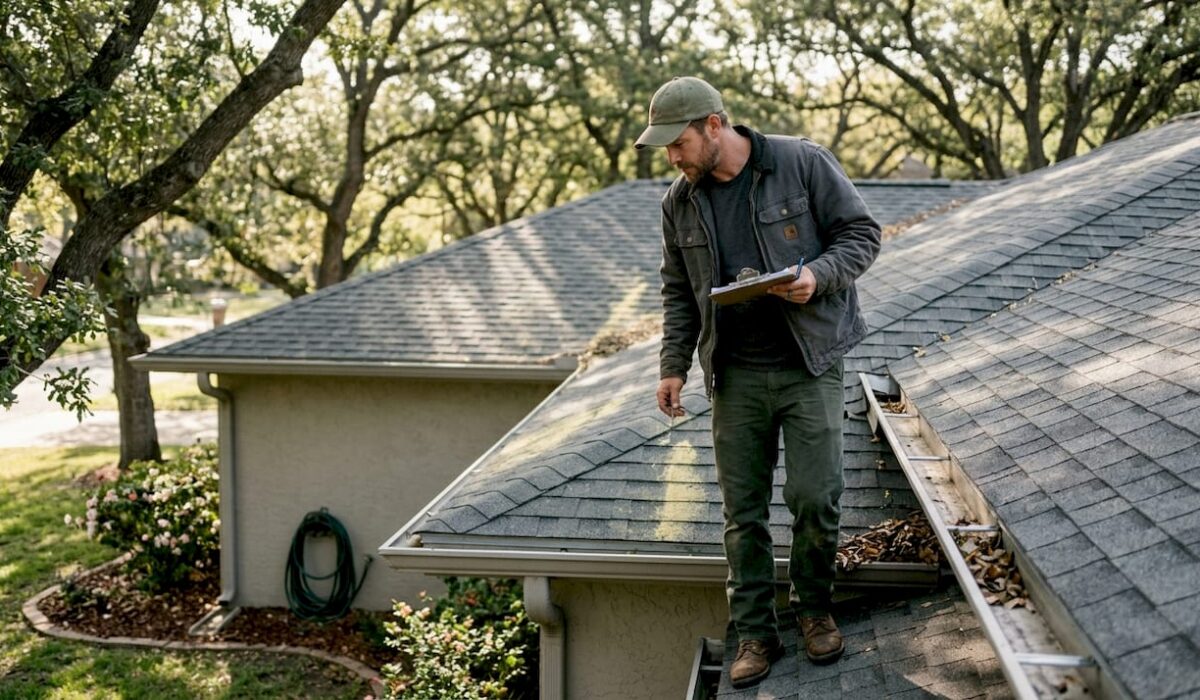
Understanding roof maintenance basics starts with knowing what a standard visit covers. Here’s what a thorough maintenance visit typically includes:
- Shingle inspection: Checking for cracked, curling, loose, or missing shingles
- Flashing check: Inspecting the metal strips around chimneys, vents, and skylights for gaps or rust
- Gutter cleaning: Removing debris that blocks water flow and causes pooling near the roofline
- Sealant inspection: Looking at sealant around penetrations for cracks or separation
- Attic check: Looking for signs of moisture, mold, or poor ventilation from inside the home
- Moss and algae treatment: Addressing biological growth that eats away at roofing materials
- Drainage check: Ensuring water flows away from the structure properly
Use a roof maintenance checklist to track each visit and stay consistent throughout the year. You can also review property maintenance tips to see how roof upkeep fits into your broader home care plan.
Here’s a quick comparison of what preventive maintenance looks like versus emergency repair situations:
| Task type | Preventive maintenance | Emergency repair |
|---|---|---|
| Timing | Scheduled, proactive | Reactive, urgent |
| Average cost | $150 to $500 per visit | $1,000 to $10,000+ |
| Disruption to home | Minimal | Significant |
| Risk of interior damage | Very low | High |
| Stress level | Low | Very high |
Pro Tip: Take dated photos of your roof before and after every inspection. This documentation can make a meaningful difference when filing an insurance claim, because you’ll have clear evidence of your roof’s condition before any storm hit.
The true cost of neglect: why delaying maintenance is expensive
Understanding what maintenance includes is only half the story. The big picture comes into focus when you consider what happens if you skip it.
Many homeowners delay maintenance because they don’t see an immediate problem. But roofing issues almost never announce themselves politely. A small lifted shingle allows water underneath. That water sits against the decking, softening it over weeks. Eventually, you notice a water stain on your ceiling. By then, you’re not dealing with a $200 shingle repair. You’re looking at potential structural repairs, mold remediation, and new drywall on top of the roofing fix. The cost difference is staggering.

Studies on timely maintenance ROI consistently show that proactive homeowners can save up to five times what neglectful ones eventually spend on emergency repairs and collateral damage. That’s not a minor difference. That’s the difference between a manageable annual expense and a financial emergency.
Here’s a look at some sample costs homeowners in Central Florida encounter:
| Situation | Estimated cost |
|---|---|
| Routine maintenance visit | $150 to $500 |
| Shingle replacement (small section) | $300 to $700 |
| Leak repair (minor) | $400 to $1,000 |
| Roof deck repair from water damage | $1,500 to $4,000 |
| Interior ceiling repair and mold remediation | $2,000 to $8,000 |
| Full roof replacement (aging roof) | $8,000 to $20,000+ |
The gap between a $300 maintenance visit and a $15,000 repair scenario is exactly why we tell every homeowner: don’t wait.
Beyond the direct repair costs, there are indirect costs that homeowners often overlook entirely. These include:
- Higher insurance premiums: Insurers may raise your rates or deny claims if they discover maintenance was consistently neglected
- Reduced home value: A visibly deteriorating roof lowers your property’s curb appeal and market value significantly
- Mold remediation: Florida’s humidity means moisture intrusion quickly becomes a mold problem, which is costly and a health risk
- Increased energy bills: A compromised roof means poor insulation performance, which drives up cooling costs in Florida’s intense summer heat
- Loss of warranty coverage: Many roofing material warranties require documented regular maintenance to remain valid
When you protect your home and wallet through consistent maintenance, you’re not just preserving the roof. You’re protecting everything underneath it. Understanding roof inspection importance becomes very clear once you see how many downstream problems a single skipped inspection can cause.
Florida’s weather patterns make this even more urgent. A roof that might hold up fine for years in a drier climate gets tested hard here every single season. Wind-driven rain, intense UV exposure, and subtropical humidity are relentless. Each of those forces finds the weakest points in your roof faster than you might expect.
Maintenance and Florida storms: why timing is critical
Beyond cost, the seasonal realities of Central Florida raise the stakes for roof maintenance even higher. Florida’s hurricane season runs from June through November, and Central Florida sits in a region that regularly sees tropical storms, severe thunderstorms with damaging winds, and intense rain events even outside the official hurricane window. Your roof is your home’s first line of defense in all of these situations.
Timing your inspections strategically around storm season is one of the smartest things you can do. Here are the most critical moments to schedule a roof inspection:
- Pre-hurricane season (April to May): Identify and repair any vulnerabilities before storm season arrives so your roof is at full strength when it matters most
- Post-hurricane season (November to December): Assess any accumulated damage from the season before it worsens over winter
- After any significant storm: High winds and heavy rain can cause damage that isn’t immediately visible from the ground
- Spring inspection: Catch any damage from winter cold snaps and prepare for the intense summer heat
- When purchasing a home: Always inspect before closing, especially on homes with roofs 10 years or older
“The NRCA recommends inspections twice yearly in spring and fall, plus after major storms. For Florida homeowners with aging roofs over 15 years old, experts advise pre and post-hurricane season inspections as a minimum standard.”
The types of storm-related damage that proper timing helps you avoid are wide-ranging. Wind can lift flashing and shingles without tearing them off entirely, creating entry points for water that aren’t obvious from the ground. Heavy rain can exploit tiny cracks in sealant that were never a problem before. Debris impact leaves bruising on shingles that weakens their surface granules, accelerating aging.
Research on cost savings from prevention confirms that homeowners who schedule annual roof inspections consistently spend far less over the lifetime of their roof than those who only call a roofer when something is clearly broken. The maintenance process step-by-step approach gives you a repeatable system that takes the guesswork out of timing.
Pro Tip: Set two recurring calendar reminders each year, one in April and one in November. Label them “Schedule roof inspection” so you’re never caught unprepared heading into or out of storm season.
How regular maintenance extends your roof’s lifespan
Securing your roof against Florida storms pays off short-term, but what about the bigger investment? Let’s see how maintenance impacts your roof’s lifespan over the long run.
A well-maintained asphalt shingle roof in Florida can realistically last 20 to 25 years. Without maintenance, that same roof might need replacing in 12 to 15 years. That gap represents thousands of dollars and years of protection you either gain or lose depending on how consistent you are. Roofing professionals have seen this play out repeatedly. The homes that get regular attention almost always outlast comparable homes that don’t.
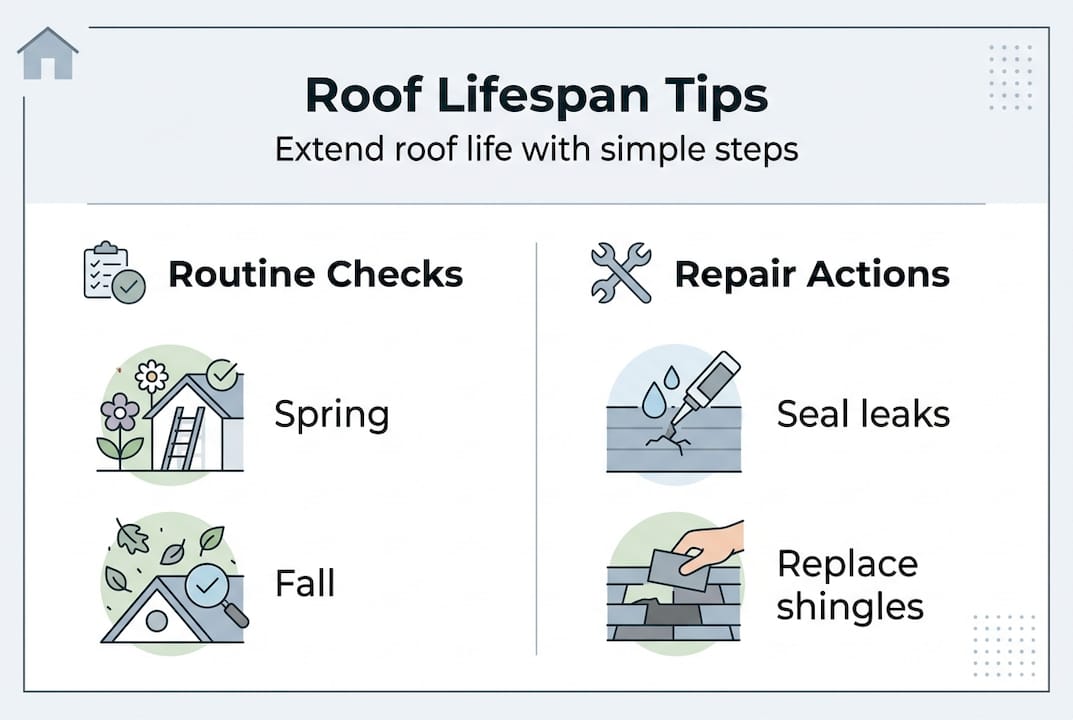
The chain reaction works like this: a small leak starts where flashing has separated slightly. Water enters slowly, wetting the underlayment beneath the shingles. Over months, the decking absorbs that moisture and begins to soften. When the next storm hits, that weakened section is far more likely to fail catastrophically. What began as a $150 flashing repair becomes a full section replacement costing several thousand dollars. Catching it early through routine maintenance breaks the chain at step one.
The residential maintenance process for Central Florida homes also accounts for the unique threats in this region. Algae and moss growth from humidity can eat away at shingle granules over time, reducing their effectiveness. UV exposure breaks down sealants faster here than in northern states. These factors accelerate aging. Regular cleaning and treatment during maintenance visits counteract these forces and help your roof age gracefully rather than rapidly.
Here are the key benefits you gain from consistent roof maintenance:
- Fewer unexpected repairs: Small problems stay small when caught early
- Higher resale value: Buyers and inspectors respond positively to a well-documented, well-maintained roof
- Better insurance terms: Some insurers offer better rates or coverage for homes with proven maintenance records
- Extended material life: Cleaning, sealing, and timely fixes preserve shingle integrity year after year
- Greater peace of mind: Heading into storm season knowing your roof has been inspected and cleared is genuinely reassuring
- Stronger warranty coverage: Regular maintenance keeps manufacturer and contractor warranties intact
Following solid roof longevity tips and staying consistent with your maintenance schedule is the single most impactful thing you can do after your roof is installed. The preventive maintenance guide available to homeowners makes it clear that the homes with the longest-lasting roofs have one thing in common: they don’t skip their checkups.
Per NRCA recommendations, twice-yearly inspections remain the standard even for newer roofs, with additional checks after significant weather events. For aging roofs in Central Florida, this isn’t just good practice. It’s essential to getting the full life out of your investment.
The real homeowner advantage: maintenance done right
Here’s something most roofing articles won’t tell you directly: the biggest reason homeowners in Central Florida skip maintenance isn’t laziness. It’s the belief that maintenance is something you do reactively, not proactively. If it looks fine, it must be fine. That mindset is understandable, but it’s also exactly why so many homeowners end up blindsided by repair bills they weren’t expecting.
Roofing professionals have seen the same scenario play out hundreds of times. A homeowner calls in a panic after a storm. The damage looks sudden and dramatic. But when we get up there, it’s obvious the roof had been struggling for a while. Shingles were already cupping. Flashing was already separating. The storm didn’t create the problem. It just revealed it.
The financial hidden cost that most homeowners never factor in is lost time. Emergency repairs mean contractors on short notice, potential hotel stays, temporary tarps, and weeks of disruption. Scheduled maintenance means a two-hour visit that keeps everything running smoothly. The contrast in your actual daily life is enormous.
Another thing worth saying plainly: a professional roofer will see things you simply won’t. You can walk around your yard and look up. You might spot an obvious missing shingle. But you won’t see the subtle granule loss on the south-facing slope, or the hairline crack forming around a vent pipe boot, or the slight sag in one corner of the decking. These are the issues that become expensive fast, and they’re exactly what trained eyes are looking for. Following clear steps for roof upkeep and having a professional execute them is a completely different thing from doing a visual check from the ground.
The homeowners who get the most out of their roofs are the ones who treat maintenance like a bill they pay twice a year. Not exciting. Not glamorous. Just consistent. That consistency compounds over time into a roof that lasts longer, performs better, and costs far less than the alternative.
Pro Tip: Build a simple home maintenance calendar with your two annual roof inspections already blocked out. Pair the spring visit with your air conditioning tune-up and the fall visit with your post-storm assessment. Grouping seasonal tasks makes it easier to stay on schedule and nothing gets forgotten.
Ready to protect your home? Expert help is one click away
If you’ve been putting off a roof inspection for your Central Florida home, the most important step is simply getting started. At Thomas Roofing and Repair, we serve homeowners across Brevard, Volusia, and Orange counties with professional inspections, targeted repairs, and full roof replacements when the time comes.

Whether your roof is aging past the 15-year mark or you just want the confidence of knowing it’s ready for storm season, our experienced team is here to help. We offer free estimates and flexible financing options, so protecting your home doesn’t have to strain your budget. Reach out today to schedule your inspection and take the first step toward a roof that lasts.
Frequently asked questions
How often should roof maintenance be scheduled in Central Florida?
Experts recommend at least twice yearly, in spring and fall, plus after major storms or hurricanes. Homes with roofs older than 15 years should prioritize pre and post-hurricane season inspections without exception.
Does regular maintenance really prevent roof leaks?
Yes. Regular inspections and minor repairs catch the early warning signs of leaks before water ever reaches your interior, which is far cheaper and less stressful than repairing active leak damage after the fact.
Is roof maintenance still important for newer roofs?
Absolutely. Even newer roofs can have installation issues or manufacturer defects that only a professional inspection will catch, and Florida’s climate accelerates wear on all roofs regardless of age.
Should I inspect my own roof or hire a pro?
A basic visual check from the ground is helpful for spotting obvious issues, but professionals find hidden problems that aren’t visible without getting on the roof, and they can safely make repairs on the spot.