
Most Central Florida homeowners believe only upgrading their AC unit or adding insulation will slash cooling bills. They overlook one of the most effective solutions sitting right above them: their roof. Reflective roofing offers a proven, energy-saving strategy especially suited for hot climates like ours. By bouncing solar heat away before it penetrates your home, reflective roofs can dramatically cut cooling costs while improving indoor comfort. This guide explains what reflective roofing is, how it works, and the practical benefits it delivers for Florida homeowners seeking lower energy bills and a more comfortable living space.
Table of Contents
- Key takeaways
- What is reflective roofing and how does it work?
- Benefits and performance of reflective roofing in Central Florida
- Nuances, maintenance, and choosing the right reflective roof for your home
- How to apply reflective roofing for your Central Florida home
- Your trusted partner for reflective roofing in Central Florida
- What is reflective roofing FAQ
Key Takeaways
| Point | Details |
|---|---|
| Lower roof temperatures | Reflective roofs reduce surface temperatures by about 50 to 70 degrees Fahrenheit versus dark roofs on hot days. |
| Cooling energy savings | EnergyPlus simulations show cooling energy use can be reduced by up to 60 percent in extreme Central Florida summer conditions. |
| Verify aged SRI ratings | Always verify aged SRI ratings rather than initial values because coatings can degrade under Florida sun. |
| Not all roofs benefit | Performance varies with roof type, slope, and climate, so some roofs will see less improvement. |
What is reflective roofing and how does it work?
Reflective roofing, often called cool roofing, involves applying coatings or using materials with high solar reflectance and thermal emittance to reduce heat absorption. Unlike traditional dark roofs that absorb 80-90% of solar radiation, reflective roofs bounce most of that energy back into the atmosphere. This simple physics principle creates measurable temperature differences that translate directly into lower cooling costs.
Two properties determine how well a roof reflects heat. Solar reflectance (SR) measures how much shortwave solar radiation bounces off the surface rather than getting absorbed. High solar reflectance reflects sunlight while high thermal emittance re-emits absorbed heat as infrared radiation. Together, these properties cool the roof surface significantly compared to conventional materials.
The Solar Reflectance Index (SRI) combines both measurements into a single performance metric. ENERGY STAR requires cool roofs to meet minimum standards: initial SR of at least 0.65 and aged SR of at least 0.50 after three years. These thresholds ensure products maintain effectiveness as they weather Florida’s intense sun and occasional storms.
Several material properties affect reflectance and emittance:
- Color matters most, with white and light colors reflecting far more radiation than dark shades
- Surface texture influences how light scatters, with smoother surfaces generally performing better
- Material composition determines inherent reflective properties, with specialized pigments boosting performance
- Coating thickness affects durability and long-term reflectance retention
Pro Tip: Always verify aged SRI ratings rather than just initial values. Many coatings start strong but degrade quickly under Florida’s UV exposure. Products with proven three-year aged ratings deliver reliable long-term savings.
ENERGY STAR certification requires steep-slope roofs to maintain a minimum aged solar reflectance of 0.50 and thermal emittance of 0.75, ensuring products deliver sustained cooling benefits even after years of weathering.
When selecting roofing materials in Central Florida, understanding these technical specifications helps you make informed decisions. The right reflective solution depends on your existing roof type, budget, and performance goals.
Benefits and performance of reflective roofing in Central Florida
Real-world data proves reflective roofing delivers substantial benefits for Florida homeowners. Surface temperatures on reflective roofs drop 50-70°F compared to traditional dark roofs on identical summer days. That temperature difference directly reduces the heat load your AC system must handle.
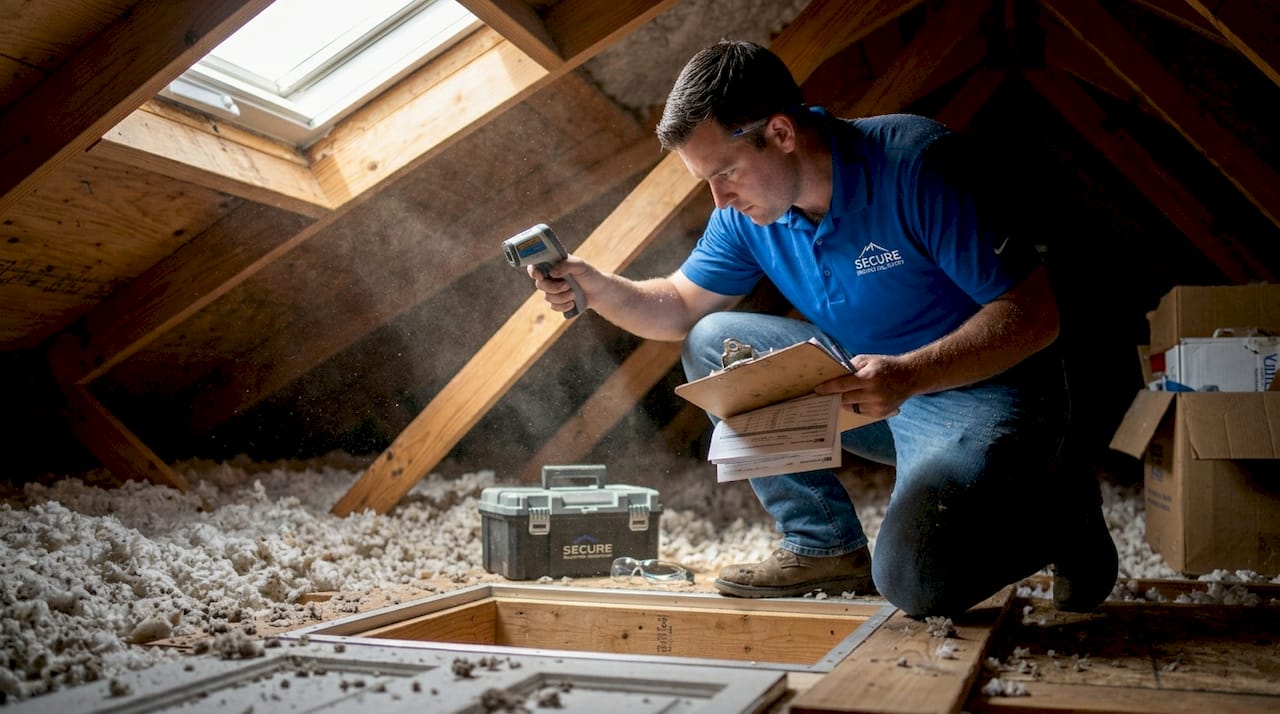
EnergyPlus simulations modeling Miami and Houston climates show even more impressive results. The research found reflective roofing can cut cooling energy consumption by up to 60% in extreme heat conditions typical of Central Florida summers. These aren’t theoretical projections but validated models based on measured building performance.
Central Florida homeowners gain multiple advantages from reflective roofing:
- Lower monthly AC bills during the six to eight month cooling season
- Extended roof lifespan because lower surface temperatures reduce thermal stress and material degradation
- Improved indoor comfort with more consistent temperatures and fewer hot spots
- Reduced strain on HVAC equipment, potentially extending its service life
| Roof Type | Peak Surface Temp | Cooling Energy Use | Annual Savings |
|---|---|---|---|
| Traditional dark shingle | 170°F | 100% baseline | $0 |
| Reflective coating | 120°F | 65% of baseline | $630 |
| White membrane | 110°F | 40% of baseline | $1,080 |
Beyond personal savings, reflective roofs provide environmental benefits worth considering. They reduce urban heat island effects by lowering ambient temperatures in densely built neighborhoods. This collective cooling reduces regional energy demand during peak hours when the electrical grid faces maximum stress.
Pro Tip: Combine reflective roofing with proper attic insulation and ventilation for optimal results. Reflective surfaces keep heat out, while insulation prevents any absorbed heat from reaching living spaces. This integrated approach maximizes both comfort and savings.
The performance data becomes even more compelling when you consider Florida’s extended cooling season. Unlike northern climates where heating costs might offset cooling savings, Central Florida homes run AC systems eight to ten months yearly. Every degree of temperature reduction translates into measurable monthly savings that compound over the roof’s 15 to 25 year lifespan.
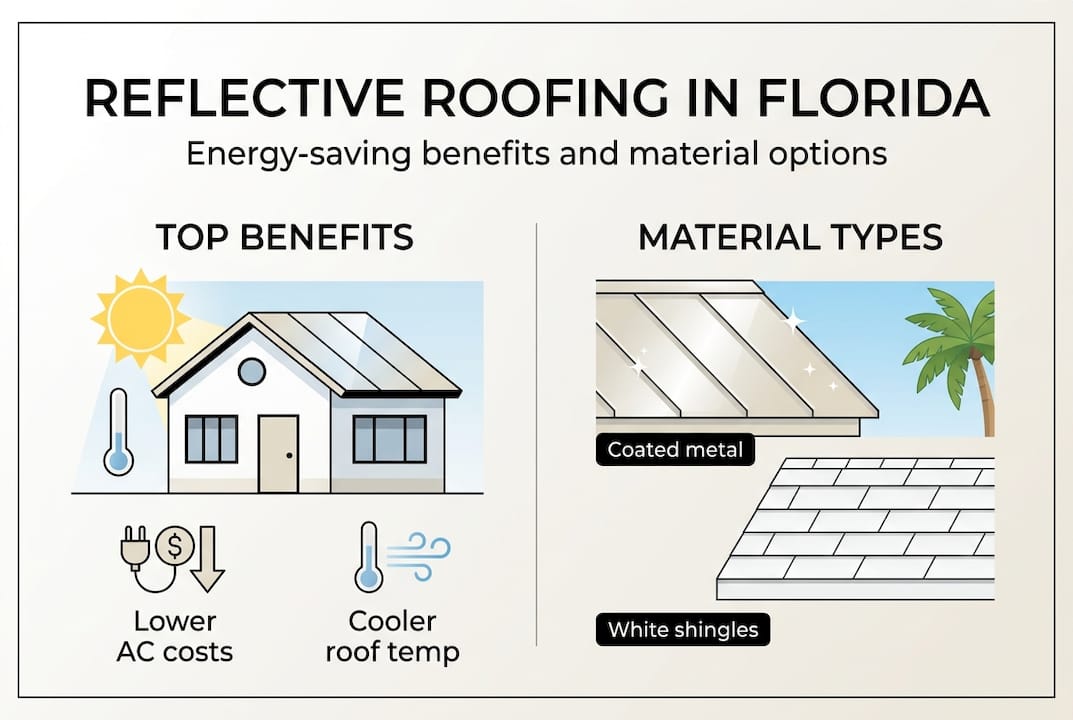
Choosing best roofing materials for Florida homes means weighing these proven benefits against your specific situation. Most homeowners recover their investment through energy savings within five to seven years, then enjoy reduced costs for decades.
Nuances, maintenance, and choosing the right reflective roof for your home
Reflective roofing isn’t a set-it-and-forget-it solution. Dirt and debris reduce reflectance significantly, sometimes cutting performance by 20-30% within just two years without proper maintenance. Regular cleaning restores effectiveness and protects your energy savings investment.
Two main approaches exist for adding reflectivity to residential roofs:
| Approach | Best For | Pros | Cons |
|---|---|---|---|
| Reflective coatings | Existing roofs in good condition | Lower cost, DIY possible, quick application | Requires reapplication every 5-10 years |
| Reflective membranes | New construction or full replacement | Superior durability, 20+ year lifespan | Higher upfront cost, professional installation required |
Roof slope significantly affects reflective roofing performance. Steep slopes lose effectiveness because the angle reduces direct solar exposure during peak midday hours when the sun sits high overhead. Homes with low-slope or flat roofs gain maximum benefit, while steep-pitched roofs still see improvements but smaller percentage gains.
Maintaining your reflective roof requires consistent attention:
- Inspect quarterly for debris accumulation, especially after storms
- Clean annually using gentle methods that won’t damage the reflective surface
- Remove organic growth like algae or mildew that darkens the surface
- Schedule professional aged SRI testing every three years to verify performance
- Address any coating damage or wear promptly to prevent degradation
Pro Tip: Hire installers experienced with Florida conditions and familiar with proper surface preparation. Poor substrate preparation causes premature coating failure regardless of product quality. Verify your contractor understands moisture management and follows manufacturer specifications exactly.
Some homeowners worry about heating penalties during Florida’s brief winter. Research confirms the cooling benefits far outweigh any minor heating increases in our climate. Central Florida homes need cooling eight to ten months yearly but heating only occasionally during cold snaps. The math strongly favors reflective roofing.
When selecting products, demand documentation of aged SRI ratings tested according to ASTM standards. Marketing materials often highlight impressive initial values that don’t reflect real-world performance after weathering. Reputable manufacturers provide third-party verified aged ratings that predict actual long-term effectiveness.
Your choice between roofing materials for Florida homes should consider your roof’s current condition, expected lifespan, and budget. Coating an aging roof that needs replacement within five years wastes money. Conversely, applying reflective coating to a structurally sound 10-year-old roof extends its life while immediately cutting energy costs.
Understanding the roof maintenance process helps you protect your investment and sustain energy savings year after year. Proper care ensures your reflective roof delivers promised benefits throughout its service life.
How to apply reflective roofing for your Central Florida home
Implementing reflective roofing successfully requires careful planning and execution. Follow these steps to maximize energy efficiency benefits:
- Evaluate your current roof’s condition and remaining lifespan with a professional inspection
- Research high-SRI products specifically rated for Florida’s climate and your roof type
- Obtain multiple quotes from licensed contractors experienced with reflective roofing installations
- Verify all products meet ENERGY STAR requirements with documented aged SRI ratings
- Schedule installation during dry weather to ensure proper adhesion and curing
- Establish a maintenance schedule including annual cleaning and periodic inspections
Product selection demands attention to compatibility. Not all reflective coatings work with every roofing material. Metal roofs require different formulations than asphalt shingles or tile. Manufacturers provide detailed compatibility charts, but professional installation on a sound substrate remains essential for optimal results.
Maintaining reflectivity over time protects your investment:
- Clean your roof annually using low-pressure washing or gentle brushing
- Remove leaves, branches, and debris promptly to prevent staining
- Trim overhanging trees that deposit organic material or create excessive shade
- Inspect after major storms for coating damage requiring touch-up
- Document performance with utility bill comparisons to verify continued savings
Pro Tip: Combine your reflective roof with quality attic insulation rated R-30 or higher for Central Florida. This integrated approach blocks heat from multiple angles, maximizing comfort while minimizing AC runtime. The synergy between reflective roofing and insulation delivers greater savings than either solution alone.
Before finalizing any purchase, request complete warranty details covering both material defects and performance guarantees. Quality manufacturers stand behind their products with warranties spanning 10 to 25 years depending on the system. Understand exactly what the warranty covers and any maintenance requirements that might void protection.
Working with contractors familiar with benefits of professional roofing ensures proper installation techniques. Surface preparation determines coating longevity more than any other factor. Professionals clean thoroughly, repair defects, apply primer when needed, and follow precise application rates specified by manufacturers.
Consider timing your installation strategically. Spring and fall offer ideal conditions with moderate temperatures and lower humidity. Summer heat causes coatings to cure too quickly, while winter moisture can interfere with adhesion. Your contractor should recommend optimal timing based on current roof condition and weather patterns.
Following the recommended roof maintenance process after installation preserves reflectivity and extends coating life. Simple preventive care delivers far better returns than neglecting maintenance and facing premature recoating costs. Most homeowners find annual cleaning takes just a few hours but sustains energy savings worth hundreds of dollars yearly.
Your trusted partner for reflective roofing in Central Florida
Thomas Roofing & Repair brings decades of Central Florida roofing expertise to every project. We understand the unique challenges our climate presents and know which reflective roofing solutions deliver real results for local homeowners. Our team stays current with the latest energy-efficient technologies and installation techniques proven effective in Florida’s intense heat and humidity.

We specialize in both roof replacement in Maitland and ongoing maintenance that keeps reflective systems performing at peak efficiency. Whether you need a complete roof overhaul or want to extend your current roof’s life with reflective coatings, we provide honest assessments and reliable solutions. Our comprehensive roof maintenance process ensures your investment continues delivering energy savings year after year.
Explore our full range of roofing materials in Central Florida to find the perfect balance of performance, durability, and value for your home. We’re committed to helping you make informed decisions that reduce energy costs while improving comfort.
“Thomas Roofing & Repair transformed our home’s energy efficiency. Our cooling bills dropped 40% after they installed a reflective coating system, and our upstairs bedrooms finally stay comfortable all summer.”
What is reflective roofing FAQ
What makes reflective roofing different from traditional roofs?
Reflective roofing uses specialized materials or coatings with high solar reflectance and thermal emittance that bounce solar radiation away rather than absorbing it. Traditional roofs absorb 80-90% of solar energy, heating your home and forcing AC systems to work harder. Reflective roofs can reduce surface temperatures by 50-70°F, directly cutting cooling costs.
How often should I clean my reflective roof to maintain energy savings?
Clean your reflective roof annually to maintain optimal performance. Dirt, pollen, and organic debris accumulate over time and can reduce reflectance by 20-30% within just two years. Use gentle low-pressure washing or soft brushing to remove buildup without damaging the reflective surface. Schedule additional cleanings after major storms or if you notice visible staining.
Can reflective roofing reduce my AC bills in Central Florida?
Yes, reflective roofing can cut cooling energy consumption by 40-60% in Central Florida’s climate. The exact savings depend on your roof’s size, slope, existing insulation, and AC efficiency. Most homeowners see monthly savings of $50-$150 during peak summer months. Over a 20-year roof lifespan, these savings typically total $12,000-$30,000, far exceeding the initial investment.
Are all roofing materials suitable for reflective coatings?
No, coating compatibility varies by roofing material. Metal roofs, modified bitumen, and single-ply membranes accept most reflective coatings well. Asphalt shingles require specific formulations, while some tile and slate roofs aren’t suitable for coating at all. Always verify manufacturer compatibility recommendations and consult experienced contractors before applying any reflective product to ensure proper adhesion and performance.
Is professional installation necessary for reflective roofs?
Professional installation is strongly recommended for reflective roofing systems. Proper surface preparation, primer application, and coating thickness directly affect performance and longevity. Experienced contractors understand moisture management, know how to address substrate defects, and follow manufacturer specifications precisely. DIY application often results in premature failure, voiding warranties and wasting your investment.
Do reflective roofs work on steep-pitched homes?
Reflective roofs still provide benefits on steep pitches but with reduced effectiveness compared to low-slope roofs. Steep angles receive less direct solar exposure during peak midday hours when the sun sits overhead. You’ll still see surface temperature reductions of 30-40°F and cooling savings of 20-35%, making reflective roofing worthwhile even on steeper Central Florida homes.