 407-408-0577
TL;DR:
- Florida law mandates rental property roofs to be structurally sound to meet habitability standards.
- Repairs exceeding 25% of the roof area within a year trigger full code compliance upgrades.
- Proper documentation and inspections are essential for legal protection, insurance claims, and storm prep.
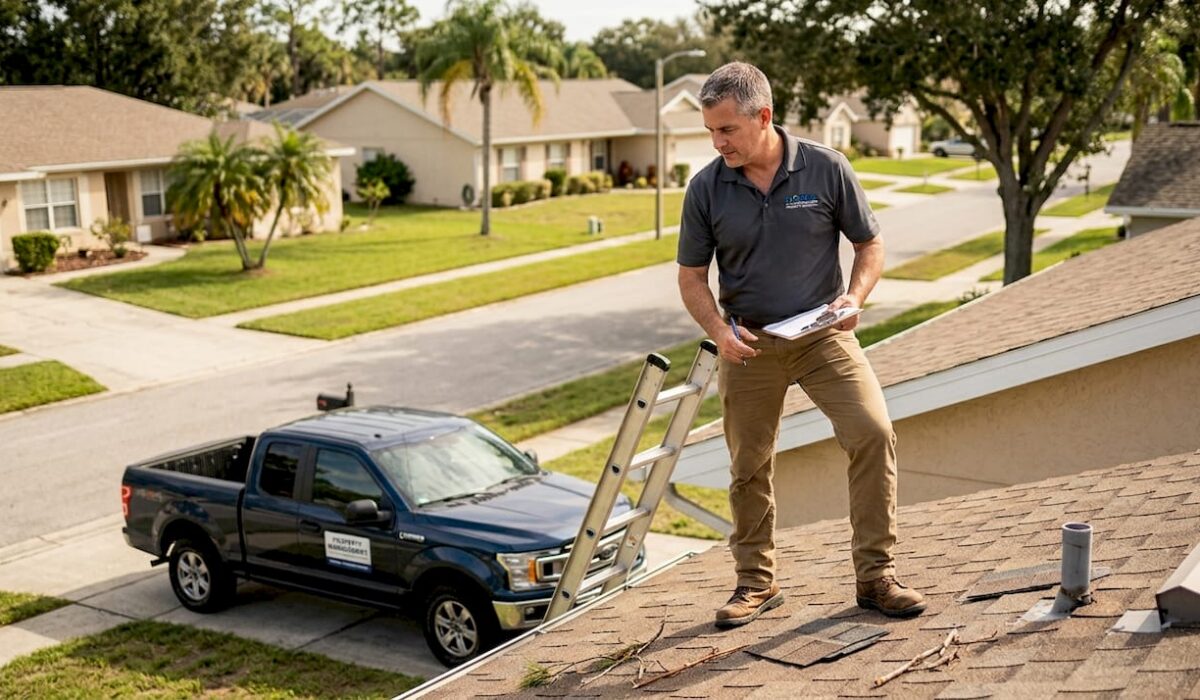
If you own or manage rental properties in Central Florida, your roof is your most legally and financially exposed asset. One missed repair, one ignored inspection, or one storm season without proper documentation can cost you thousands in emergency fixes, insurance denials, or tenant disputes. Florida law requires landlords to keep roofs structurally sound and in good repair as part of the implied warranty of habitability, which means roof neglect is not just a maintenance oversight — it’s a legal liability. This guide walks you through compliance requirements, practical storm prep steps, and the documentation habits that protect your investment in 2026.
Table of Contents
- Understanding Florida roof compliance rules
- Essential tools, materials, and documentation
- Step-by-step rental roof preparation for storm season
- Navigating repairs, reroofing, and Florida’s 25% rule
- Why storm-readiness and compliance are inseparable in 2026
- Get professional help for roof preparation and compliance
- Frequently asked questions
Key Takeaways
| Point | Details |
|---|---|
| Know Florida compliance rules | Understanding landlord roof obligations and the 25% rule keeps you legal and avoids major costs. |
| Document every roof job | Thorough documentation protects against claims disputes and supports insurance processes. |
| Schedule storm prep early | Early roof inspections and maintenance prevent last-minute scramble and costly emergency repairs. |
| Integrate compliance and readiness | Treat code review as part of storm preparation to avoid gaps and maximize property protection. |
| Consider expert help | Local roofing pros streamline compliance, storm-proofing, and help avoid costly mistakes. |
Understanding Florida roof compliance rules
Before you schedule any roof work, you need to understand the rules that govern what “compliant” actually means for a rental property in Florida. Getting this wrong is expensive, and it catches a lot of owners off guard.
Florida Statute § 83.51 requires landlords to maintain rental premises in compliance with applicable building, housing, and health codes. That language may sound administrative, but in practice it means your roof must be structurally sound, properly weatherproofed, and free of conditions that threaten tenant safety. Florida landlord habitability obligations are not optional — failing them exposes you to tenant rent withholding, repair-and-deduct claims, and potential lawsuits.
One of the most important and least understood compliance triggers for rental property owners is what contractors and code officials call the 25% rule. Under Florida’s building code framework, Florida’s 25% roofing rule states that if you repair or replace more than 25% of your roof’s total surface area within a rolling 12-month period, the entire roof — or in some cases the affected section — must be brought up to current code standards. This is a huge cost driver that surprises owners who planned for a “minor patch” but end up triggering a full compliance upgrade.
Here’s a quick comparison to help you understand what this means in practice:
| Scenario | Area affected | Compliance triggered |
|---|---|---|
| Patching a few shingles after a storm | Under 25% of roof area | Repairs only, no full upgrade |
| Replacing a damaged section after wind | Over 25% of roof area | Full roof must meet current code |
| Full reroof of aging rental property | 100% of roof area | Complete code compliance required |
| Multiple small repairs in 12 months | Cumulative total over 25% | Triggers whole-roof compliance |
The cumulative part is critical. Many property managers make repairs in small batches and don’t realize those repairs add up. Tracking total square footage repaired across your maintenance logs each year is essential for roof maintenance for landlords who want to avoid surprise code upgrades.
There are some edge-case exceptions worth knowing. Buildings that were already reroofed to a more recent code edition may have different thresholds or exception eligibility. Always verify your property’s full permitting history through your county’s building department before budgeting for any roof work.
Pro Tip: Pull your property’s permit history before getting any contractor bids. If previous work was done without permits, you could inherit compliance issues that affect how the 25% rule is calculated on your property.
Good roof investment protection starts with knowing exactly where your property stands on compliance, not after the first inspection fails.
Essential tools, materials, and documentation
With Florida compliance rules clear, next up is assembling the right tools and records for thorough preparation. For rental property owners, documentation is not a nice-to-have — it is a financial protection strategy.
What you need for a proper roof inspection and prep:
- Binoculars for ground-level visual inspection (avoid unnecessary ladder use)
- A waterproof smartphone or camera for close-up photo and video documentation
- A dated maintenance log or digital spreadsheet for all roof-related activities
- A moisture meter for detecting soft spots after suspected water intrusion
- Measuring tape or aerial measurement tool for calculating surface area accurately
- Sealed plastic bags or folders for keeping paper receipts, permits, and reports organized
Storm readiness for Central Florida rentals — following Florida Realtors’ hurricane prep guidelines — includes conducting a pre-season professional inspection, clearing gutters and downspouts, and building thorough documentation before a storm even forms. Insurers routinely ask for proof of pre-storm condition when processing claims. Without it, you’re arguing from memory against an adjuster working from photographs.
This table gives you a clear picture of what to document and why:
| Document type | Purpose | When to create it |
|---|---|---|
| Before photos (wide and close-up) | Establishes pre-storm condition | Before any work and before storm season |
| After photos with timestamps | Proves work scope and quality | Immediately after repairs |
| Contractor invoices and permits | Supports insurance claims and code compliance | At time of service |
| Inspection reports | Validates roof condition professionally | Annually or after major weather events |
| Maintenance log entries | Shows pattern of responsible upkeep | Ongoing, dated per entry |
For properties with multiple tenants, good documentation also protects you legally if a tenant claims roof damage caused property loss. A dated, photo-verified inspection report from before the incident is far more persuasive than a verbal account.
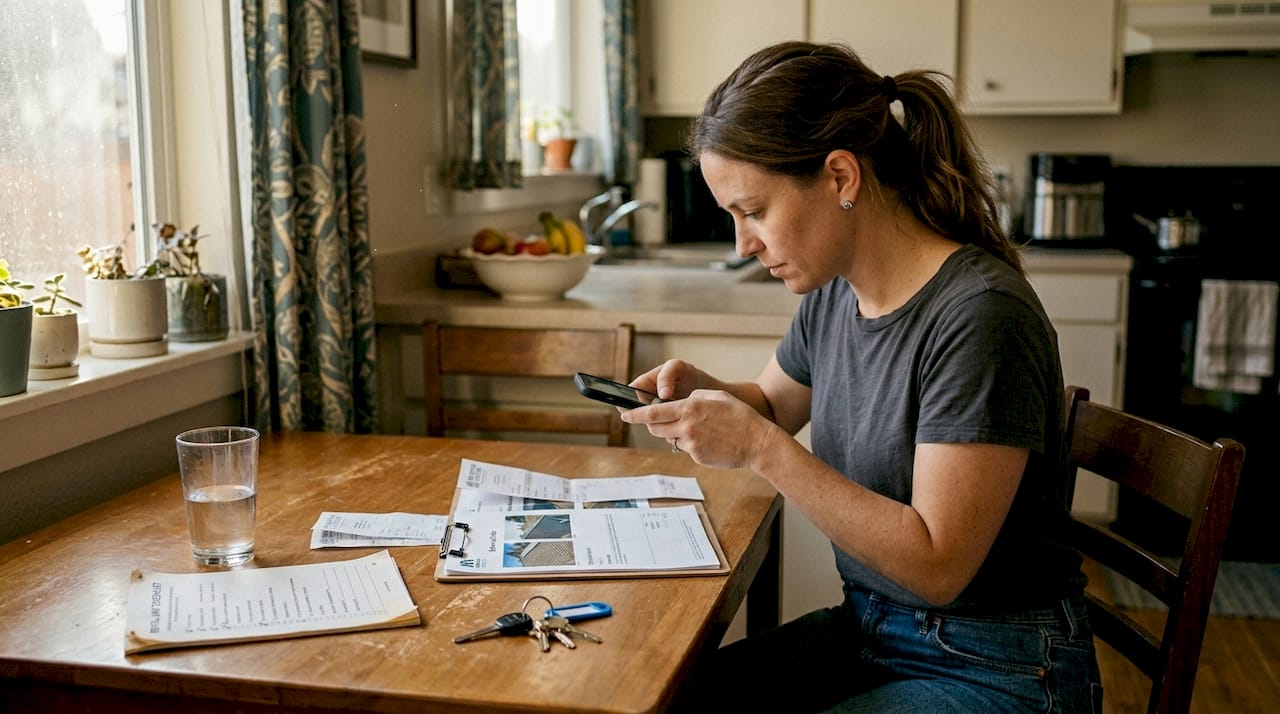
Pro Tip: After every roof job, take a consistent sequence of photos — full roof from each corner, close-ups of repaired areas, and shots of any drainage components. Create a folder per property, per year. This habit alone has saved property owners from significant insurance disputes.
Your tenants benefit too when you maintain a well-documented, well-lit property. For ideas on keeping interior spaces bright and functional without invasive work, these renter-friendly lighting tips are worth a look for turnover prep.
The Florida roof maintenance guide for 2026 outlines additional documentation practices tuned specifically for this region’s climate and code requirements.
Step-by-step rental roof preparation for storm season
Once you’ve gathered your toolkit and documents, here’s how to execute reliable storm prep step by step. Central Florida’s hurricane season officially runs June 1 through November 30, so you need to be ahead of it — not reacting to it.
-
Schedule a professional inspection by early May. A licensed roofing contractor can identify issues you won’t spot from the ground. Early scheduling matters because inspectors and contractors in Brevard, Volusia, and Orange counties get booked out fast as June approaches.
-
Clear all gutters and downspouts completely. Clogged gutters during heavy rain cause water to back up under roofing materials, accelerating rot and leak paths. This step is simple but frequently skipped.
-
Inspect and document all flashing, ridge caps, and penetrations. Flashing around chimneys, vents, and skylights is where most leaks begin. Check for lifting, separation, or rust. Photograph each area.
-
Trim trees and branches within 10 feet of the roofline. Overhanging limbs become projectiles in high winds. Property managers often overlook this, but it is one of the most practical things you can do before storm season. Per hurricane season preparation best practices, tree trimming is a standard pre-season step.
-
Verify hurricane straps and tie-downs if your property has a tile or metal roof. These connectors anchor roofing systems to structural elements and are required by Florida code in newer builds. Older rentals may not have them — and a re-inspection after a storm can flag this quickly.
-
Check and test hurricane shutters or impact windows. Roof damage intensifies when windows or doors fail and wind pressure enters the structure. Protecting openings reduces uplift force on the roof deck.
-
Log everything with dates and signatures. Your maintenance log should reflect each step above as a completed action with a date, who performed it, and what was found or fixed.
Safety warning: Never attempt to walk or inspect a roof yourself without proper fall protection equipment and experience. Wet or algae-covered roofing materials become extremely slippery. Ladder-related injuries are among the most common accidents during DIY roof prep. When in doubt, keep your feet on the ground and hire a licensed professional.
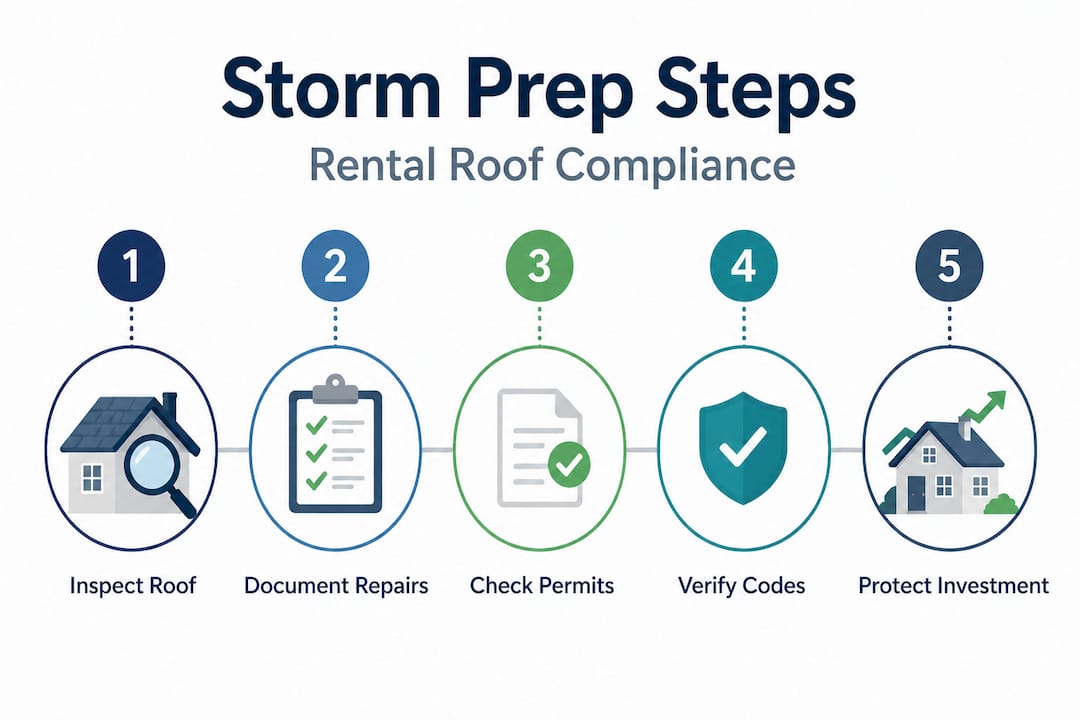
Following this roof maintenance checklist for Central Florida keeps you organized and legally protected.
Pro Tip: If you manage multiple rental units, stagger your inspection appointments across two or three weeks in April. Back-to-back bookings for the same contractor increase the chance of rushed work. Spreading appointments also gives you time to address findings from each property before the next one.
The benefits of a professional roof inspection go beyond storm prep — a properly documented inspection can also lower your insurance premium by demonstrating proactive maintenance.
Navigating repairs, reroofing, and Florida’s 25% rule
With basic prep covered, the next skill is navigating larger repairs — especially when code requires a full upgrade. This is where budgeting surprises happen most often.
How the 25% calculation works in practice:
Assume your rental has a 2,000-square-foot roof. Twenty-five percent of that is 500 square feet. If storm damage requires replacing 400 square feet, you’re just under the threshold — repairs only are needed. But if you did a 200-square-foot patch in March and now need 350 more in August, your cumulative total is 550 square feet, which crosses the threshold. The 25% compliance threshold then requires the full roof to meet current code.
Step-by-step approach for major roof work:
-
Get a detailed written estimate that clearly states the square footage affected, materials to be used, and whether any code upgrades are required based on current thresholds.
-
Apply for the required permits through your county’s building department before any work begins. Unpermitted roof work creates problems at resale and voids most manufacturer warranties.
-
Confirm code compliance requirements with both your contractor and the building department. Ask specifically whether your property qualifies for any exceptions based on prior construction dates or code editions.
-
Schedule the code inspection as part of the project timeline, not as an afterthought. Failing an inspection and restarting delays tenant occupancy and adds cost.
-
Document the completed work immediately with photos, the inspector’s sign-off, and the final permit closure. Keep these records for at least seven years.
This comparison makes it easy to see how repair scope affects your obligations:
| Work type | Typical triggers | Permit required | Code upgrade required |
|---|---|---|---|
| Patch repair under 25% | Minor storm damage, isolated leak | Sometimes | No |
| Section replacement over 25% | Significant storm damage or aging | Yes | Yes, full section or whole roof |
| Full reroof | End-of-life roof, major storm | Yes | Yes, entire roof to current code |
| Emergency tarping only | Immediate storm response | No | No, temporary only |
Property managers handling multiple units benefit from keeping a running repair log per property that tracks square footage addressed each calendar year. This is especially useful for commercial roofing management where multiple buildings with varied roof ages create complex tracking needs.
Roofing materials also affect compliance outcomes. Some older properties still carry 3-tab shingles, which are no longer favored under current code for high-wind zones. When work crosses the 25% threshold, the upgrade requirement may specify architectural shingles or impact-rated materials, which carries a price difference you should budget for.
Why storm-readiness and compliance are inseparable in 2026
Here’s a perspective that many property owners don’t hear often enough: treating storm preparation and code compliance as two separate tasks is the most expensive mistake you can make.
Most property managers think about storm prep in terms of logistics — cleaning gutters, trimming trees, maybe getting a quick inspection. And they think about compliance as a separate bureaucratic burden they deal with when they pull permits. But in Florida’s 2026 roofing environment, that separation is increasingly costly. When storm readiness and compliance strategy are planned together, you get something neither delivers alone: predictability.
Here’s what we see repeatedly in Central Florida. An owner prepares well for storm season but delays a documented repair because they don’t want to trigger the 25% rule. The storm hits, damage escalates, and now the repair scope forces a full code upgrade anyway — except now it’s emergency pricing, limited contractor availability, and an insurance claim that’s complicated by the deferred maintenance. The “savings” from avoiding compliance planning cost three times as much in the end.
The smarter approach is to conduct a full permit history audit before you budget any year’s roof work. Florida roof preparation done correctly incorporates code status as a starting point, not a surprise finish line. Knowing where you stand on cumulative repair area, what exceptions your property may qualify for, and what a full upgrade would cost gives you real budget control.
Code-driven exceptions exist — but they vary based on when your building was constructed and what code edition was in effect at that time. Assuming your property qualifies without checking is a common and costly error.
Pro Tip: Add a line to your annual rental property budget specifically for permit history verification. It typically costs nothing — it’s a free records pull at your county building department. But the information it gives you is priceless when planning roof work.
The owners who navigate 2026’s storm season and compliance environment most smoothly are those who stop treating roof work as reactive maintenance and start treating it as a predictable, planned capital expense with both weather and code dimensions baked in from day one.
Get professional help for roof preparation and compliance
Roof preparation for Central Florida rentals in 2026 requires more than a ladder and a checklist. It requires local expertise, current code knowledge, and documentation practices that hold up under insurance review and legal scrutiny.

At Thomas Roofing and Repair, we serve property owners and managers across Brevard, Volusia, and Orange counties with inspections, repairs, reroofing, and storm damage response. We understand how Florida’s 25% rule, habitability obligations, and hurricane season timelines interact — and we build that knowledge into every estimate and project plan we deliver. Whether you need a pre-season inspection, a code-compliant repair, or a full reroof before the next storm system forms, our team is ready to support your property’s needs with the reliability and craftsmanship Central Florida landlords count on. Contact us today for a free estimate and get your rental roofs ready before season starts.
Frequently asked questions
What is the Florida 25% roof rule and how does it affect rental repairs?
If repairs or replacements cover more than 25% of roof area within a 12-month period, the entire roof or affected section must meet current Florida building code standards, which can significantly increase project scope and cost.
What documentation should property managers keep after roof work?
Managers should keep before-and-after photos, videos, repair receipts, and inspection reports for every job — following storm readiness documentation best practices that also support insurance claims after major weather events.
When should roof inspections be scheduled for Central Florida rentals?
Inspections should be completed by early May at the latest, before hurricane season prep demand peaks and licensed contractors become difficult to schedule quickly in Brevard, Volusia, and Orange counties.
Are there code exceptions for rental property roofs built after certain years?
Yes, code-driven exceptions may apply if a building was constructed or reroofed under a newer code edition — always verify through your county’s building department records before assuming your property qualifies.
How does roof condition affect landlord habitability obligations?
Florida law requires rental roofs to be structurally sound and in repair, meeting both habitability standards and applicable code requirements, which means neglected roofs create direct legal exposure for landlords.