
 407-408-0577
TL;DR:
- Routine biannual roof inspections help prevent costly repairs by catching small issues early.
- Proper documentation of inspections supports insurance claims, warranties, and home resale value.
- Inspectors evaluate shingles, flashing, attic conditions, and use layered methods for thorough assessments.
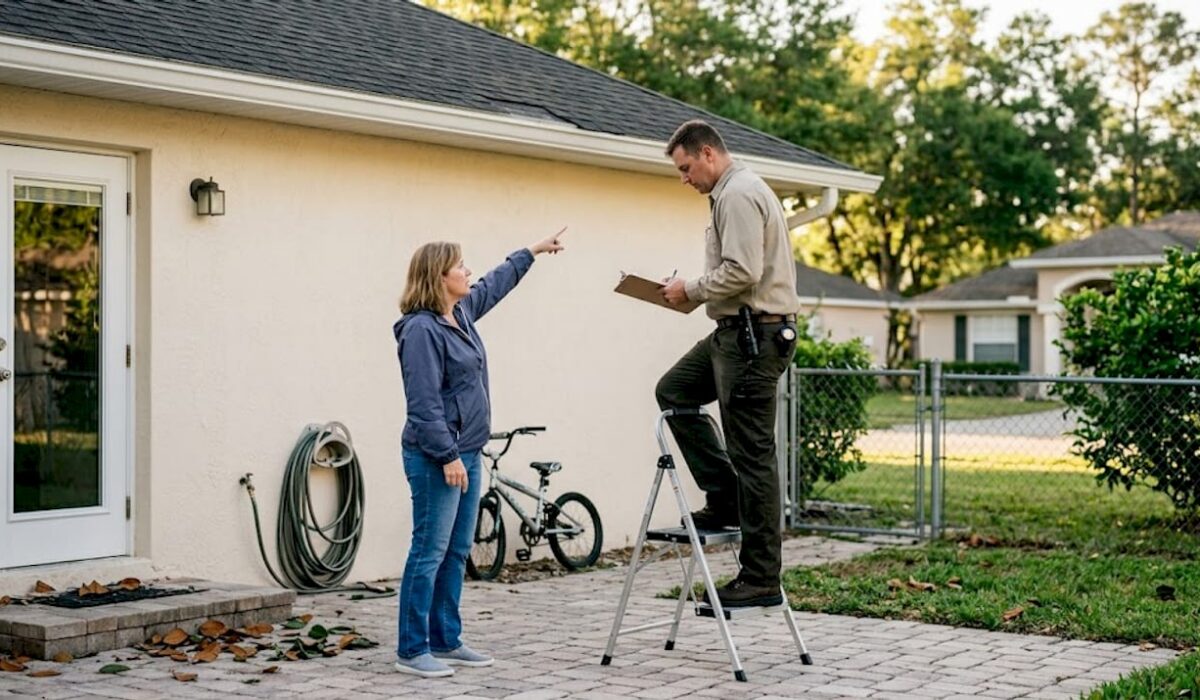
Most homeowners don’t think about their roof until water shows up on the ceiling. That reactive mindset is exactly what leads to five-figure repair bills. The truth is that biannual inspections are one of the most cost-effective decisions you can make as a homeowner, catching small issues before they turn into structural nightmares. In this guide, we’ll walk through how often inspections should happen, what inspectors actually look for, why documentation matters more than most people realize, and how routine check-ups protect both your wallet and your property’s long-term value.
Table of Contents
- How often should you schedule a roof inspection?
- The core benefits of routine roof inspections
- What do inspectors look for, and how?
- Why inspection documentation protects your wallet
- What most homeowners miss about roof inspections
- Ready to protect your roof? Next steps for Central Florida homeowners
- Frequently asked questions
Key Takeaways
| Point | Details |
|---|---|
| Biannual inspections work best | Check your roof every spring and fall to prevent costly surprises. |
| Documentation protects your pocket | Always keep records of inspections for insurance claims and warranties. |
| Expert methods catch hidden issues | Professional inspectors use tools and experience to spot problems owners often miss. |
| Timing matters in storm-prone areas | Schedule extra inspections before and after hurricane season in Central Florida. |
How often should you schedule a roof inspection?
If you’re waiting for a visible problem before calling a roofer, you’re already behind. The National Roofing Contractors Association recommends biannual residential inspections, ideally in spring and fall. Those two windows make practical sense: spring lets you catch anything winter weather may have loosened, while fall prepares your roof ahead of Central Florida’s peak storm season.
For homeowners in Brevard, Volusia, and Orange counties, the stakes are higher than in most of the country. Florida’s hurricane season runs June through November, which means pre-season and post-storm inspections should be part of your annual routine on top of the standard spring and fall roof checks. Skipping those windows leaves your roof vulnerable during the months it faces the most punishment.
As your roof ages, inspection frequency should increase. Proactive biannual inspections are the baseline, but a roof older than 15 years or one that’s taken recent storm hits may need quarterly attention. Property managers overseeing multiple units should also reference a commercial roof inspection checklist to stay organized across properties.
Circumstances that require an immediate inspection:
- Strong winds of 45 mph or higher
- Hail of any size
- Visible interior leaks or water stains
- Missing or displaced shingles after a storm
- Fallen tree limbs or debris impact
- Sudden spike in energy bills (possible attic compromise)
| Roof condition | Recommended inspection frequency |
|---|---|
| New roof (0 to 5 years) | Once yearly |
| Mid-age roof (6 to 14 years) | Twice yearly (spring and fall) |
| Older roof (15+ years) | 3 to 4 times yearly |
| Post-storm or high-wind event | Immediately after |
| Active warranty coverage | Per manufacturer requirements |
Think of it this way: your roof takes the full force of Florida’s weather so the rest of your home doesn’t have to. Treating it like a set-it-and-forget-it system is one of the most expensive assumptions a homeowner can make.
The core benefits of routine roof inspections
Understanding when to schedule inspections is step one, but appreciating their impact on your home’s future is just as crucial.
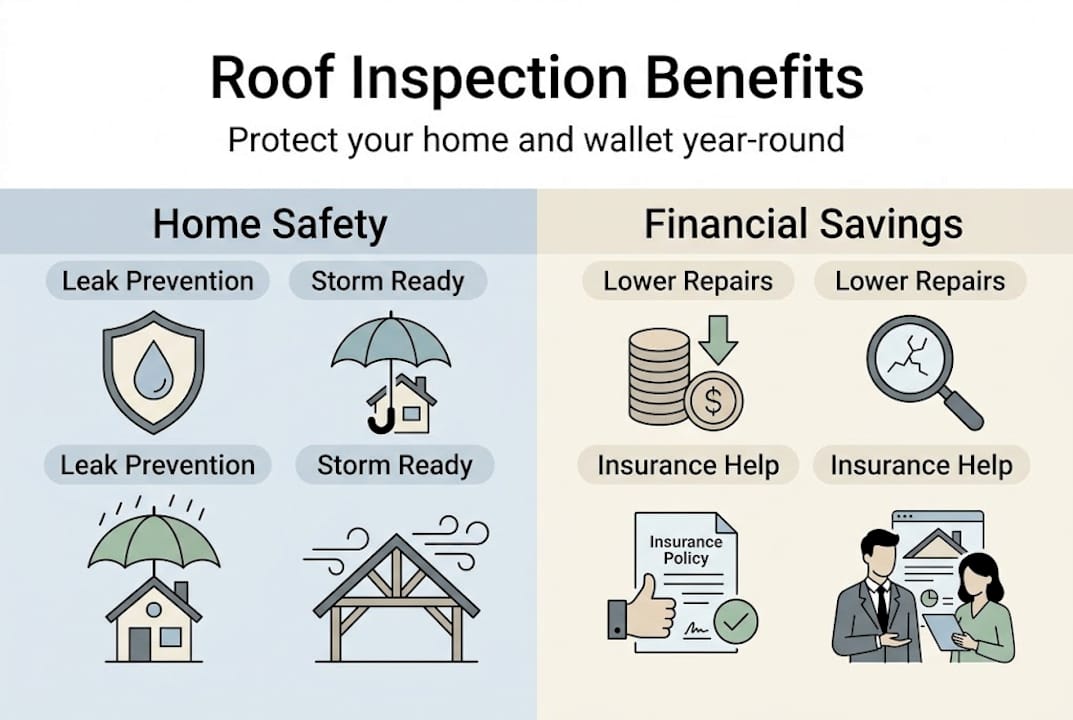
The most obvious benefit is catching small problems before they escalate. A cracked pipe boot or a section of lifted flashing might cost a few hundred dollars to fix today. Left alone through a rainy Florida summer, that same issue can mean mold, rotted decking, and a repair bill that climbs into the thousands. The math strongly favors prevention.
Beyond cost savings, routine inspections actively support better insurance outcomes. Many carriers in Florida look more favorably on homes with a documented maintenance history. Some policies even require evidence of upkeep before approving storm-related claims. A homeowner with two years of inspection records is in a much stronger position than one calling their insurer with no paper trail.
The roof inspection advantages also extend into warranty protection. Most roofing manufacturers void warranties when homeowners can’t show proof of regular maintenance. Keeping up with inspections isn’t just good practice; it’s often a contractual requirement to preserve coverage you’ve already paid for.

Pro Tip: After every inspection, ask your roofer for a written report with dated photos. If a storm hits six months later and you file a claim, those pre-storm photos prove your roof’s condition before the event, making it much harder for an insurer to dispute the cause of damage.
Core benefits at a glance:
- Early detection of leaks, cracking, and wear
- Maintained manufacturer warranty eligibility
- Stronger position during insurance claims
- Extended roof lifespan through proactive repair
- Improved home resale value with documented maintenance
“A roof that’s regularly inspected doesn’t just last longer. It costs less to maintain, supports stronger insurance outcomes, and gives homeowners real leverage when storm season hits.”
Connecting inspections to your broader storm damage preparation plan is also smart thinking. Knowing your roof’s condition before a hurricane means you can act quickly and confidently if repairs are needed afterward.
What do inspectors look for, and how?
With the why and when nailed down, let’s peel back the curtain on what actually happens during an inspection.
A professional roof inspection isn’t just someone walking around and eyeballing shingles. Inspectors use layered methods, beginning with a ground-level visual assessment, then moving to the roof surface itself, and finishing with an attic check. Each layer reveals a different category of potential problem.
Flashing and pipe boots are two of the most common leak sources on Florida roofs. Inspectors pay close attention to these areas because they’re where the roofing material meets vertical surfaces like walls, chimneys, and vent pipes. Even a small gap in the sealant around a pipe boot can allow water to funnel directly into your attic during a heavy rain.
Typical inspection workflow:
- Ground-level visual scan for obvious damage, missing shingles, or sagging
- Roof surface walk to check shingle condition, flashing, and gutter connections
- Inspection of all penetration points including vents, skylights, and chimneys
- Gutter check for granule buildup, blockages, and proper drainage slope
- Attic access to look for moisture stains, daylight gaps, and insulation issues
- Moisture meter readings on suspect areas to detect hidden water intrusion
Pro Tip: Never skip the attic portion of an inspection. Many leaks don’t show up on the roof surface at all. The attic is where hidden moisture hides for months, silently rotting the decking beneath your shingles before you ever notice a stain on your ceiling.
| Inspection method | What it detects | Tools used |
|---|---|---|
| Visual (exterior) | Missing shingles, flashing gaps, obvious wear | Eyes, binoculars |
| Surface walk | Granule loss, soft spots, improper installation | Hands-on contact |
| Attic inspection | Moisture, ventilation gaps, daylight leaks | Flashlight, eyes |
| Moisture meter scan | Hidden water intrusion in decking or insulation | Moisture meter |
For a deeper look at what’s involved, the detailed inspection methods used by professionals cover each of these layers thoroughly. Combining all four methods gives a complete picture that no single technique can provide on its own. Consistent application of these methods, combined with solid roof maintenance tips, keeps your roof performing through every Florida season.
Why inspection documentation protects your wallet
Knowing what goes into an inspection, it’s equally important to understand how proper documentation safeguards you.
Documentation is critical for both warranty claims and insurance disputes. When a roofing manufacturer issues a warranty, they’re assuming the product will be maintained. If you ever need to make a warranty claim and can’t produce inspection records, the manufacturer has grounds to deny it. That’s a coverage gap most homeowners don’t discover until it’s too late.
Insurance carriers operate the same way. After a major storm, adjusters look for evidence of pre-existing neglect. A homeowner who can show a clean inspection report from three months before the hurricane is in a very different position than one with no records at all.
Documentation also adds real value when you sell. Buyers and their agents want proof that a home has been maintained. A complete set of roof inspection records signals a well-cared-for property and can justify a higher asking price or prevent price negotiations driven by roof uncertainty.
Key items to document after every inspection:
- Dated photos of the full roof surface and any problem areas
- Written inspector report with findings and recommendations
- Receipts or records of any corrective repairs made
- Manufacturer product details and warranty registration numbers
- Inspector’s credentials and company information
“Missing documentation doesn’t just slow down a claim. In many cases, it’s the reason a claim gets denied entirely, leaving homeowners to cover storm damage out of pocket.”
Store copies both digitally and in print. A folder in your email and a physical binder at home gives you two layers of protection. If your home is ever sold, transferred, or damaged, that paper trail pays dividends you won’t fully appreciate until you need it.
What most homeowners miss about roof inspections
Here’s an uncomfortable truth we’ve seen play out repeatedly: most homeowners only call a roofer when something is visibly wrong. By that point, the small fixable problem has already grown into a costly repair, and in many cases, the insurance window for the original cause has closed.
The real leverage in roof inspections isn’t just catching leaks early. It’s the cumulative advantage of building a documented maintenance history that works in your favor across every financial and legal scenario your home might face. From a buyer’s appraisal to a storm claim to a warranty dispute, those records are worth far more than their filing cost.
We also see homeowners overlook the untapped benefits of inspections when it comes to market value. A home with a clean, documented roof history commands more confidence from buyers and appraisers alike. That translates directly into dollars.
The proactive approach isn’t just financially smarter. It’s emotionally easier. Knowing your roof’s condition before storm season removes a significant source of anxiety for any Central Florida homeowner. Peace of mind has real value, and it starts with a simple twice-yearly inspection.
Ready to protect your roof? Next steps for Central Florida homeowners
Armed with the facts, here’s how to put your roof inspection strategy into action.
The best time to schedule an inspection is before you think you need one. Don’t wait for a storm warning or a water stain on your ceiling to start the conversation. If you’re planning repairs or replacements, a professional inspection should always come first so decisions are based on real data, not guesswork.

Thomas Roofing and Repair works with homeowners and property managers throughout Brevard, Volusia, and Orange counties to keep roofs performing at their best. Start with our Central Florida storm damage repair guide for a broader look at storm preparedness, explore our storm-ready roof services to understand your options, or go ahead and schedule a roof inspection today. Your roof works hard for your home. Let’s make sure it stays that way.
Frequently asked questions
What’s the best time of year for a roof inspection in Central Florida?
Schedule inspections in spring and fall, and add a check before and after hurricane season. Florida’s timing priorities make pre-storm inspections especially important given the June through November risk window.
How does roof age affect inspection frequency?
Older roofs need more attention. Frequency increases with age and storm history, with roofs over 15 years old often requiring checks every quarter rather than just twice a year.
What does a roof inspector check during an inspection?
Inspectors evaluate shingles, flashing, pipe boots, gutters, and attic conditions using both visual checks and tools like moisture meters. Layered inspection methods ensure nothing is missed between the surface and the decking below.
Does having roof inspection records help with insurance claims?
Absolutely. Detailed records are often required by insurers and manufacturers to approve storm-related claims and warranty service requests without dispute.
Are insurance discounts available for roof inspections?
Wind mitigation inspections can qualify you for reduced premiums, but they’re a separate process from routine maintenance checks. Wind mitigation inspections have a specific scope focused on how your roof is built to resist wind, not just its current condition.