
TL;DR:
- Proactive roof planning involves scheduling regular inspections, preventive maintenance, and setting aside reserves before problems develop. This approach can double a roof’s lifespan, prevent costly emergency repairs, and reduce overall ownership costs. Routine inspections, documented assessments, and early reserve building ensure timely maintenance and extension of the roof’s useful life.
Proactive roof planning is defined as the practice of scheduling regular inspections, preventive maintenance, and capital reserves before problems appear, rather than waiting for visible damage. Proactive maintenance plans can extend roof lifespan by years and save homeowners up to 50% on total repair costs over the roof’s life. That number is striking because most homeowners treat their roof as a passive structure. The industry calls this approach “proactive roof management,” and the data behind it is hard to ignore. 80% of roofs are replaced prematurely due to lack of regular upkeep, meaning most replacements are avoidable with a simple plan. Thomasroofingandrepair works with homeowners and property managers across Central Florida to build exactly that kind of plan.
Why proactive roof planning extends your roof’s lifespan
A roof does not fail all at once. It degrades through a series of small, fixable problems that compound over time when left unaddressed. Proactive roof management interrupts that cycle at the cheapest possible point.
Here is how the process works in practice:
- Routine maintenance stops minor issues from becoming major failures. A loose flashing seal costs very little to fix. Left alone for two seasons, it allows moisture into the decking, which then requires full section replacement.
- Scheduled inspections catch hidden damage early. Hidden moisture and flashing failures often precede observable roof leaks by months or even years. A professional inspection finds these before they become visible inside your home.
- Capital planning removes the guesswork from replacement timing. When you know your roof’s age, condition, and projected end of life, you can budget for replacement at the right moment rather than scrambling after a failure.
- Reactive repairs cost more and deliver less. Emergency repairs are rushed by definition. Reactive repairs can run 10–30% more expensive than planned work, and compressed timelines increase the risk of installation errors.
The contrast between reactive and proactive approaches is not subtle. A homeowner who waits for a leak pays premium labor rates, accepts whatever materials are available, and often discovers the damage has spread far beyond the original entry point.
Pro Tip: Schedule your first professional inspection within 30 days of purchasing a home, regardless of the roof’s apparent condition. You need a documented baseline to plan from.
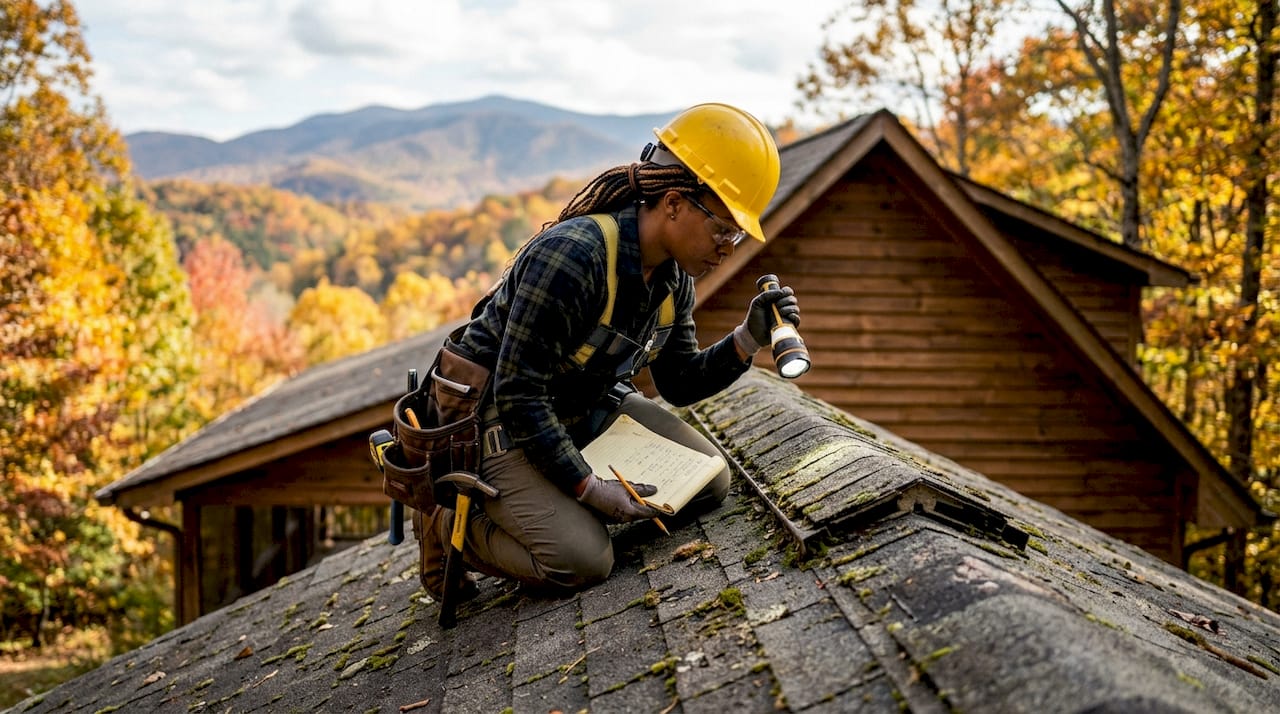
Extending roof life from 20 to 40 years also cuts landfill waste and embodied carbon in half. That sustainability benefit matters for property managers tracking environmental performance, and it matters for homeowners who want to reduce waste.
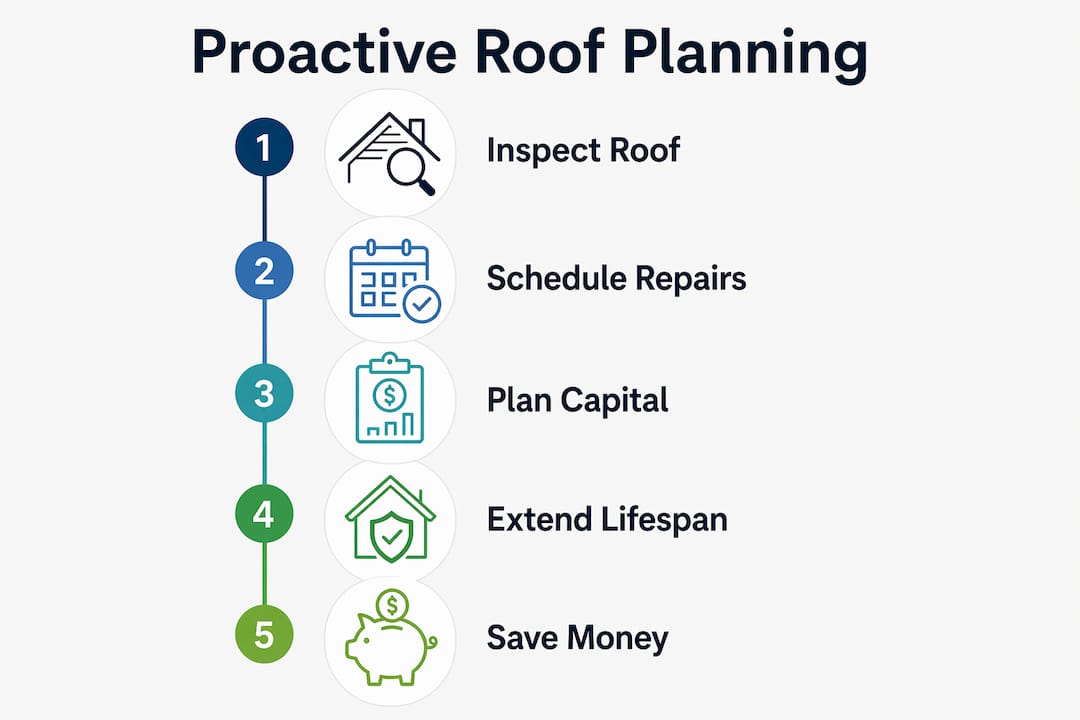
What does a proper roof inspection schedule look like?
The industry standard for preventive roof maintenance is clear. Experts recommend a minimum of two professional inspections per year, typically in spring and fall, plus additional checks after any severe weather event. This is not excessive. It is the minimum needed to catch seasonal damage before it worsens.
Here is what a complete annual schedule covers:
- Spring inspection: Check for winter damage, clear debris from gutters and drains, inspect flashing around chimneys and vents, look for lifted or missing shingles.
- Fall inspection: Prepare for rain and wind season, clear leaves from drainage paths, check sealants around penetrations, inspect attic ventilation before temperature drops.
- After major weather events: Central Florida homeowners face hurricanes, tropical storms, and heavy hail. A post-storm inspection is not optional. It is the fastest way to catch damage before it spreads.
- Pipe boot checks every 2–3 years: Pipe boots degrade after 8–12 years and are one of the most common sources of hidden leaks. Replacing them proactively costs a fraction of the water damage they cause when they fail.
- Full documented assessment every 3–5 years: A thorough inspection with photographs and written condition reports gives you the documentation needed for insurance claims and capital budgeting.
The documentation piece is often overlooked. Timestamped roof condition records are critical for securing insurance claims and justifying budget requests, especially for property managers overseeing multiple buildings.
| Inspection type | Frequency | Primary purpose |
|---|---|---|
| Professional inspection | Twice per year | Catch seasonal damage early |
| Post-storm check | After every major event | Identify storm-related damage fast |
| Pipe boot and penetration check | Every 2–3 years | Prevent hidden moisture intrusion |
| Full documented assessment | Every 3–5 years | Insurance, budgeting, and capital planning |
Pro Tip: Ask your roofer to provide a written report with photographs after every inspection. A single photo of a cracked flashing seal can save you thousands in a future insurance dispute.
How does capital planning reduce the total cost of roof ownership?
The financial case for proactive planning is straightforward. Commercial and residential roofs both have a critical window near end of life where planned replacement is far cheaper than emergency replacement. Missing that window forces owners into premium-cost emergency work.
The standard guidance is to build roof reserves equal to 60–80% of replacement cost by the midpoint of the roof’s expected life. For a residential roof with a 25-year lifespan, that means having a meaningful reserve in place by year 12 or 13. This is not a large monthly commitment. It is a small, consistent one that prevents a large, sudden expense.
| Scenario | Cost driver | Relative expense |
|---|---|---|
| Planned replacement at optimal timing | Scheduled labor, standard materials | Baseline cost |
| Emergency replacement after failure | Premium labor, expedited materials | 10–30% higher |
| Deferred replacement with spreading damage | Structural repairs plus replacement | Significantly higher |
Pre-scheduling roofing projects leads to better labor allocation and reduced warranty risk compared to emergency jobs. A contractor who has time to plan brings the right crew, orders materials in advance, and performs work without the errors that rushed timelines produce. That quality difference shows up in how long the new roof performs.
Failing to plan creates a second financial risk beyond the repair cost itself. Owners who scramble for emergency funding often accept the first available contractor at the first available price. That is the worst possible position to negotiate from. A scheduled roof installation gives you time to vet contractors, compare scopes of work, and make decisions without pressure.
Pro Tip: Treat your roof reserve like a utility bill. Set aside a fixed monthly amount starting the year after installation. By the time you need it, the money is already there.
Common misconceptions that lead homeowners to neglect their roofs
The biggest misconception in residential roofing is that a roof is fine until it leaks. That belief is wrong, and it is expensive. Visual inspections from the ground miss hidden issues entirely. A roof can be failing internally for years before a single drop appears on your ceiling.
Several other misconceptions cause real damage:
- “I can fix it myself.” DIY repairs on flashing, sealants, and penetrations can cause unintended consequences that a professional then has to diagnose and undo. Roof systems are integrated. Changing one component without understanding its relationship to adjacent components creates new failure points.
- “My roof is new, so I don’t need inspections.” New roofs can have installation defects that only a professional inspection catches. Catching them early keeps the warranty intact.
- “Gutters and drainage are a separate issue.” They are not. Attic ventilation and drainage systems are part of the roofing system. Blocked gutters cause moisture backup that degrades fascia, soffits, and eventually the roof deck itself.
- “I’ll deal with it after the next storm.” Waiting for storm damage to force action means you are always reacting at the worst possible time, at the highest possible cost.
Treating the roof as an integrated system, not just the shingles you can see, is the foundation of sound preventive roof maintenance. Ventilation, drainage, flashing, and penetrations all affect how long the surface materials last.
Key Takeaways
Proactive roof planning reduces total ownership costs, extends roof lifespan, and prevents the premium expenses that come with emergency repairs and deferred maintenance.
| Point | Details |
|---|---|
| Plan before problems appear | Scheduled inspections and reserves prevent the 10–30% cost premium of emergency repairs. |
| Inspect at least twice a year | Spring and fall professional inspections catch damage before it compounds into major failures. |
| Build a replacement reserve early | Saving 60–80% of replacement cost by midlife eliminates financial scrambling at end of life. |
| Treat the roof as a system | Ventilation, drainage, and flashing all affect lifespan; maintaining one without the others falls short. |
| Documentation protects your investment | Timestamped inspection records support insurance claims and justify capital budgeting decisions. |
The roof is your most undermanaged asset
I have seen the same pattern repeat across hundreds of Central Florida homes. A homeowner goes years without a single inspection, then calls in a panic after a storm or a ceiling stain. By that point, what started as a $300 flashing repair has become a $6,000 decking replacement. The roof did not fail overnight. It failed slowly, in ways a single annual inspection would have caught.
The homeowners who come out ahead financially are the ones who treat their roof the way they treat their HVAC system: scheduled service, documented history, and a reserve fund. They are not spending more money. They are spending the same money earlier, when it buys more protection per dollar.
The sustainability angle matters too. Extending roof life through proactive maintenance reduces the volume of roofing material that ends up in landfills. For property managers tracking environmental metrics, that is a real, measurable benefit that comes at no extra cost.
My advice is simple. Get a professional inspection this season. Ask for a written report with photos. Use that report to build a 5-year maintenance and capital plan. Then stick to it. The roof maintenance process is not complicated. The only thing that makes it hard is waiting until you have no choice.
— Thomasroofingandrepair
Thomasroofingandrepair: your partner in proactive roof planning
Thomas Roofing and Repair serves homeowners and property managers across Brevard, Volusia, and Orange counties with scheduled inspections, preventive maintenance, and full roof installation and replacement services.

A planned approach to roofing always outperforms a reactive one, and having the right contractor in your corner makes that plan easier to execute. Thomasroofingandrepair provides written inspection reports, documented condition assessments, and expert guidance on replacement timing so you never have to make a high-stakes decision under pressure. Whether you need a roof installation in Horizon West or a maintenance plan for a commercial property in Orlando, the team is ready to help you build a schedule that protects your investment for the long term. Contact Thomasroofingandrepair for a free estimate and a clear plan.
FAQ
What is proactive roof planning?
Proactive roof planning is the practice of scheduling regular professional inspections, preventive maintenance, and capital reserves before roof problems appear. It is the industry-recognized alternative to reactive repairs, which cost 10–30% more and carry higher installation risk.
How often should a roof be professionally inspected?
Industry experts recommend at least two professional inspections per year, in spring and fall, plus an additional inspection after any major storm. Full documented assessments should occur every 3–5 years.
How much should homeowners save for roof replacement?
The standard guidance is to build reserves equal to 60–80% of your roof’s replacement cost by the midpoint of its expected lifespan. Starting early keeps the monthly contribution small and manageable.
Can DIY repairs damage a roof further?
Yes. DIY repairs on flashing, sealants, and penetrations can create new failure points by disrupting the roof’s integrated system. Professional expertise is required to maintain system integrity and keep warranties valid.
Why do most roofs get replaced too early?
80% of roofs are replaced prematurely because owners lack regular maintenance records and cannot accurately assess remaining useful life. Documented inspections give owners the data needed to time replacement correctly and avoid unnecessary costs.