
TL;DR:
- Roofing permits are mandatory in Central Florida for most roof replacements and structural changes. Failing to obtain them can lead to insurance denials, fines, and resale issues, especially under the state’s 130 mph wind resistance standards. Homeowners should verify permits are posted and completed to ensure compliance and protect their investment.
Roofing permit requirements are mandatory legal approvals that Central Florida homeowners must obtain before starting any significant roof replacement or repair. The International Residential Code Chapter 9 requires permits for nearly all full roof replacements across U.S. jurisdictions. Florida adds its own layer through the Florida Building Code, which enforces a 130 mph wind standard for all roof installations. Skipping a permit puts your insurance, your home’s resale value, and your family’s safety at risk. This guide walks you through exactly what triggers a permit, how the process works, and how to stay fully compliant in Brevard, Volusia, and Orange counties.
1. What roofing permit requirements apply in Central Florida?
A roofing permit is a written authorization from your local building department confirming that your project meets current safety and construction codes. In Central Florida, that means satisfying both the Florida Building Code and your county’s local amendments before a single shingle comes off your roof.
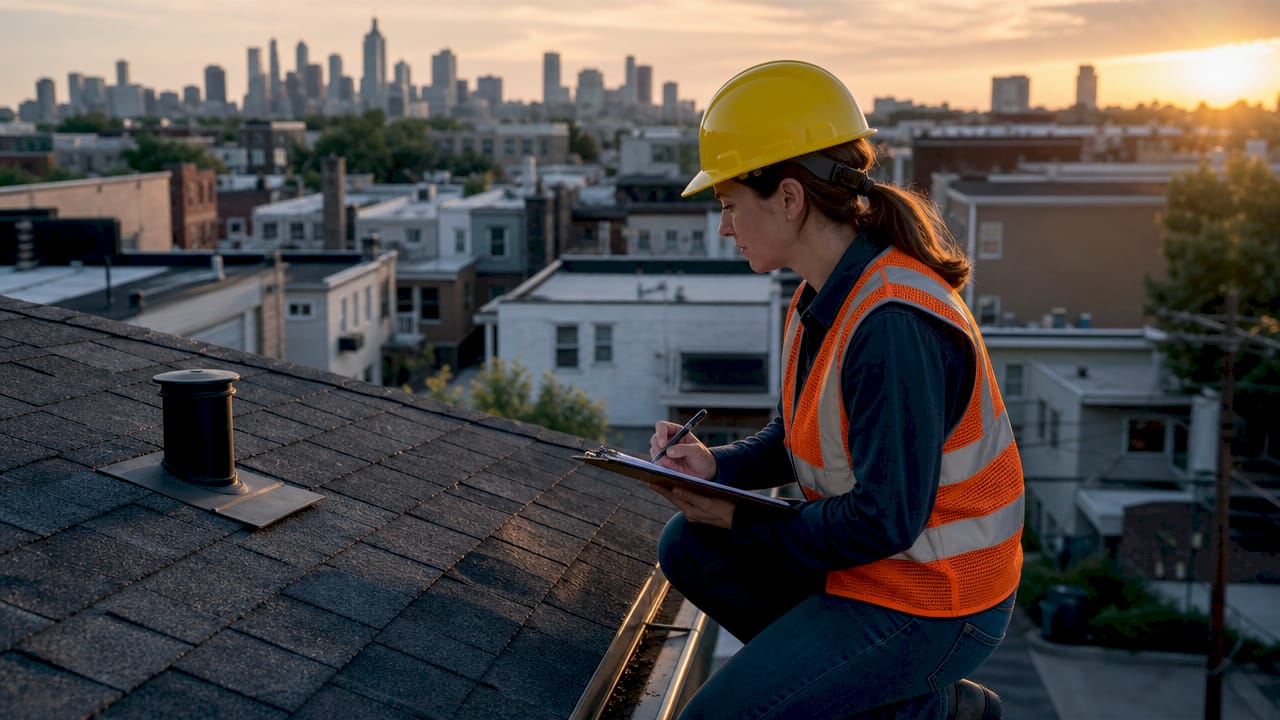
The rules cover more than just full replacements. Any structural change, such as altering roof pitch or adding a dormer, requires a permit with detailed site plans submitted for municipal review. That requirement holds regardless of project size.
Florida also applies a unique threshold rule. Repairs exceeding 25% of the total roof area within a 12-month period trigger a full permit, even when no single repair session looks large enough to matter. Property managers overseeing multiple units need to track cumulative repair areas carefully to avoid crossing this line unknowingly.
2. Which projects require a permit and which are exempt?
Not every roofing job needs a permit, but the exemptions are narrower than most homeowners expect. Here is a clear breakdown:
Projects that always require a permit:
- Full roof replacements, regardless of material
- Partial reroofs or overlays exceeding the 25% area threshold within 12 months
- Any structural alteration, including pitch changes, dormer additions, or deck modifications
- Adding a new roofing layer when an existing layer is already present (Florida heavily restricts this)
Projects typically exempt from permits:
- Patching or spot repairs covering less than 100 square feet
- Replacing a small number of damaged shingles without altering the deck
- Minor flashing repairs that do not affect structural components
Florida limits roofing layers to two total under the International Residential Code, and many local jurisdictions ban layovers entirely when an existing layer is present. That restriction means a simple “overlay” job almost always triggers a permit here.
Pro Tip: Call your county building department before assuming a repair is exempt. Brevard, Volusia, and Orange counties each maintain their own amendment schedules, and what qualifies as a minor repair in one county may require a permit in another.
3. How the roofing permit process works step by step
Understanding the permit process removes the anxiety from what feels like bureaucratic red tape. The steps below apply across most Central Florida municipalities.
- Contractor submits the application. Your licensed roofing contractor files the permit application with your local building department, attaching project drawings, material specs, and contractor license details.
- Department reviews the application. The building department checks the submission against the Florida Building Code and local amendments. Review times range from same-day approval for straightforward replacements to two weeks for complex structural work.
- Permit is issued and posted. Once approved, the permit must be physically posted and visible at the job site. No visible permit generally means no independent inspection occurred, which creates serious liability for you as the homeowner.
- Work begins and inspections are scheduled. Inspectors visit at key stages, typically after the deck is exposed and again after installation is complete. Common inspection failures involve improper drip edges, flashing, and fastening patterns.
- Final inspection and permit closeout. The inspector signs off, and the permit is officially closed. You receive a copy of the closed permit and inspection report for your records.
Permit fees typically range from $75 to $500 depending on your municipality and project complexity. Always ask your contractor for the exact fee schedule before signing a contract, since some contractors mark up permit costs.
Pro Tip: Request a copy of the permit application receipt before work starts. That document proves the permit was pulled and protects you if a dispute arises mid-project.
4. Common pitfalls and how to avoid them
Most permit problems are preventable. The issues below show up repeatedly across Central Florida roofing projects.
Assuming the contractor handled everything. Contractors are responsible for pulling permits, but homeowners must independently verify that the permit is posted and active. A contractor who skips the permit saves time on their end and transfers all legal risk to you.
Misreading the minor repair exemption. Homeowners often underestimate cumulative repair areas. Florida’s 25% threshold is calculated across a rolling 12-month window, not per individual job. Three small repairs in one year can combine to trigger a full permit requirement.
Leaving permits open. An open permit without a final inspection sign-off is a legal and financial obstacle. Open permits create complications during property sales and can delay closings by weeks. Always confirm your contractor schedules the final inspection and that you receive the closed permit documentation.
Skipping permits to save money. The short-term savings are not worth it.
Failing to obtain required roofing permits can lead to insurance claim denials and resale complications. A lack of approved final inspection voids homeowner’s insurance protections related to roof damage, leaving you fully exposed after a storm.
Before hiring any contractor, review the questions to ask roofers before signing anything. Permit handling should be one of your first questions.
5. How Florida Building Code shapes your roofing project
Florida’s building codes are among the most demanding in the country, and for good reason. Hurricane-force winds hit Central Florida regularly, and the code reflects that reality.
The Florida Building Code mandates a 130 mph wind resistance standard for all roof installations. That standard dictates specific fastening patterns, approved materials, and underlayment requirements that inspectors verify during the permit inspection process. Projects that fail to meet these criteria do not pass inspection, period.
The table below summarizes the key code requirements that affect permit compliance in Central Florida:
| Code Requirement | Standard | Why It Matters |
|---|---|---|
| Wind resistance rating | 130 mph minimum | Protects against hurricane-force wind uplift |
| Fastening pattern | Code-specified nail spacing | Prevents shingle blow-off during storms |
| Roofing layers allowed | 2 layers maximum (IRC) | Excess weight compromises structural integrity |
| Underlayment type | Florida-approved products only | Provides secondary water barrier |
| Drip edge installation | Required at all eaves and rakes | Prevents water infiltration at roof edges |
Material restrictions matter just as much as fastening rules. Florida limits the total number of shingle layers to two, and many local jurisdictions go further by prohibiting any layover when an existing layer is present. Structural alterations trigger more detailed inspections, including review of the roof deck and framing. For a full breakdown of the 130 mph wind standard and what it means for your project, Thomasroofingandrepair has published a detailed regional code guide.
Solar installations add another layer of permit complexity. If you are combining a roof replacement with solar panels, the solar roof replacement permit process in Florida involves both building and electrical permits, and both must be coordinated carefully.
Permits are more than paperwork. They confirm your roof is engineered to handle the specific weather hazards Central Florida faces every hurricane season.
Key takeaways
Roofing permit requirements in Central Florida are non-negotiable: skipping them risks insurance denial, fines, and serious complications when you sell your home.
| Point | Details |
|---|---|
| Permits are mandatory for most projects | Full replacements and repairs over 25% of roof area always require a permit in Florida. |
| Florida’s 25% rule is cumulative | Track all repairs within a 12-month window, not just individual jobs, to avoid triggering a permit unknowingly. |
| 130 mph wind standard governs materials | All fastening, materials, and underlayment must meet Florida Building Code wind resistance requirements. |
| Homeowners must verify permit posting | Confirm the permit is visibly posted at the job site before work begins, regardless of contractor assurances. |
| Closed permits protect your investment | Retain the final inspection report and closed permit document for insurance claims and future property sales. |
What I have learned from watching homeowners skip the permit process
The most common misconception I see is that permits are just a formality designed to slow down a project and collect fees. That belief costs homeowners real money.
I have watched property managers in Brevard County face insurance claim denials after storm damage, simply because their roof replacement was done without a permit two years earlier. The insurer had no obligation to pay, and the homeowner had no legal recourse. A $300 permit fee would have prevented a five-figure loss.
The second mistake I see constantly is trusting a contractor’s verbal assurance that “the permit is handled.” Maintaining a comprehensive permit packet with photos, contracts, and inspection records is the homeowner’s responsibility, not just the contractor’s. Even licensed contractors sometimes fail to post permits visibly or schedule the final inspection.
My advice is direct: choose contractors who treat permit compliance as a baseline expectation, not a favor they do for you. Ask to see the permit before work starts. Confirm the final inspection is scheduled before the crew leaves. Keep every document. Your roof protects everything inside your home. The permit protects the roof.
— Thomasroofingandrepair
Thomasroofingandrepair handles your permit compliance from start to finish
Navigating Central Florida’s roofing permit requirements takes local knowledge, and that is exactly what Thomasroofingandrepair brings to every project across Brevard, Volusia, and Orange counties.

Thomas Roofing and Repair manages the full permit cycle: application submission, job-site posting, mandatory inspections, and final closeout documentation. You receive a copy of every closed permit and inspection report, so your records are complete and your insurance coverage stays intact. Whether you need a full roof installation in Horizon West or a code-compliant replacement anywhere in Central Florida, the team handles compliance so you do not have to. Request a free estimate and get your project started the right way.
FAQ
Do I need a permit to replace my roof in Florida?
Yes. Nearly all full roof replacements require a building permit under the International Residential Code and Florida Building Code. Minor spot repairs under 100 square feet are the primary exemption.
What happens if I roof without a permit in Central Florida?
Unpermitted roofing work can result in stop-work orders, fines, insurance claim denials, and complications when selling your property. Insurers can void coverage for roof damage if the installation lacked a final approved inspection.
How long does it take to get a roofing permit in Florida?
Straightforward replacements are often approved within one to five business days. Complex projects involving structural changes can take up to two weeks depending on the county building department’s workload.
Who is responsible for pulling the roofing permit?
Your licensed roofing contractor typically submits the permit application. However, you as the homeowner are responsible for confirming the permit is issued and visibly posted at the job site before work begins.
What does a roofing inspector check during a permit inspection?
Inspectors verify flashing installation, fastening patterns, drip edge placement, underlayment type, and roof deck condition. These checks confirm the installation meets Florida’s 130 mph wind resistance requirements. Review the roof inspection checklist to prepare before your inspector arrives.
Recommended
- Central Florida roofing code requirements 2026: 130 mph standard
- Essential Roofing Contractor Hiring Tips for Central Florida
- Step-by-step roof replacement guide Central Florida 2026
- Roof maintenance guide: protect your home & investment
- Roofing Company Orlando, FL
- Roofing Company Titusville, FL
- Roofing Company DeLand, FL