
TL;DR:
- Regular maintenance can significantly extend the lifespan of Central Florida roofs.
- Safety precautions and scheduled inspections are essential for effective DIY roof care.
- Documenting roof conditions helps with insurance claims and maintains property value.
Most Central Florida homeowners only think about their roof after something goes wrong. A single hurricane season or a stretch of brutal summer heat can turn a small, ignored problem into a repair bill that runs well into the thousands. Over 90% of Central Florida homes face some form of roof issue during their lifespan, and roofs in Florida typically need serious attention every 10 to 15 years. The good news is that a consistent, structured maintenance routine can dramatically extend your roof’s life, protect your property value, and keep your family safe. This guide walks you through exactly what to do, when to do it, and how to stay ahead of the damage before it finds you.
Table of Contents
- Essential tools, materials, and safety precautions
- Routine roofing maintenance schedule for Central Florida properties
- Step-by-step guide to inspecting and maintaining your roof
- Weather-related roof checks and emergency response
- Property manager tips: Record-keeping and insurance essentials
- The overlooked value of roof maintenance: Hard truths for Central Florida
- Get expert roofing help for peak peace of mind
- Frequently asked questions
Key Takeaways
| Point | Details |
|---|---|
| Consistent inspections | Yearly and seasonal roof checks prevent expensive problems and extend roof life. |
| Storm preparation matters | Pre- and post-storm roof actions minimize serious damage and insurance issues. |
| Document everything | Keeping records and photos helps with claims and proves due diligence for managers. |
| Act early, save money | Small maintenance investments now avoid costly repairs and valued loss later. |
Essential tools, materials, and safety precautions
Before you touch a single shingle, you need the right gear and a clear understanding of what is and is not safe to do yourself. Working on a roof without preparation is one of the fastest ways to turn a maintenance task into an emergency room visit.
Here is what you should have on hand:
- Safety gloves and goggles to protect against debris and sharp edges
- Non-slip shoes with rubber soles designed for roof surfaces
- A sturdy ladder with a stabilizer to prevent wall damage and improve balance
- Binoculars for visual checks from the ground
- A garden hose for cleaning gutters and checking drainage
- Roofing sealant and a stiff brush for minor touch-ups
- Reflective roof coating and patch kits for surface repairs
- A gutter scoop for removing packed debris
| Item | Purpose | Estimated cost |
|---|---|---|
| Binoculars | Ground-level visual inspection | $20 to $60 |
| Ladder stabilizer | Safe ladder positioning | $30 to $80 |
| Reflective roof coating | UV and heat protection | $40 to $120 |
| Patch kit | Minor crack or gap repairs | $15 to $50 |
| Gutter scoop | Debris removal | $5 to $15 |
Pro Tip: Use binoculars to scan your roof from the ground first. You can spot missing shingles, lifted flashing, and debris buildup without ever climbing up. Save the ladder for confirmed problem areas.
Safety warning: Never walk on a hot or wet roof. Central Florida’s afternoon heat can make surfaces dangerously soft and slippery. If you are unsure about height, slope, or storm damage, call a professional. No DIY task is worth a fall.
Fall protection equipment, including harnesses and anchor points, is worth the investment if you plan to do any hands-on work above ground level. Safety is not optional here.
Routine roofing maintenance schedule for Central Florida properties
With your supplies and safety measures ready, it is time to map out what to do and when for lasting results. A random approach to roof care leaves gaps. A calendar-based routine does not.
Central Florida’s climate creates a natural rhythm for maintenance. You have two major weather threats: the dry, intensely sunny winters and the hurricane season that runs from June through November. Your schedule should work around both.
| Task | Best timing | Frequency |
|---|---|---|
| Visual inspection from ground | March and October | Twice per year |
| Professional roof inspection | April or May | Once per year |
| Gutter cleaning | March, June, October | Three times per year |
| Tree trimming near roof | February and August | Twice per year |
| Post-storm damage check | After any major storm | As needed |
| Reflective coating application | Early spring | Every 2 to 3 years |
Building your personalized maintenance calendar takes just a few steps:
- Mark your two visual inspection dates in spring and fall right now.
- Schedule a professional inspection for late April or early May, before hurricane season begins.
- Add gutter cleaning reminders at the start of each season change.
- Set a reminder to trim overhanging branches in late winter and midsummer.
- Block time after any named storm to walk the perimeter and look for visible damage.
The roof inspection benefits for Central Florida properties go beyond just catching leaks. Documented inspections support insurance claims and can flag structural issues years before they become critical.
Pro Tip: Stack your roof maintenance tasks with your annual home maintenance scheduling so nothing falls through the cracks. Combining tasks like HVAC filter changes and roof checks on the same weekend saves time and builds the habit.
Step-by-step guide to inspecting and maintaining your roof
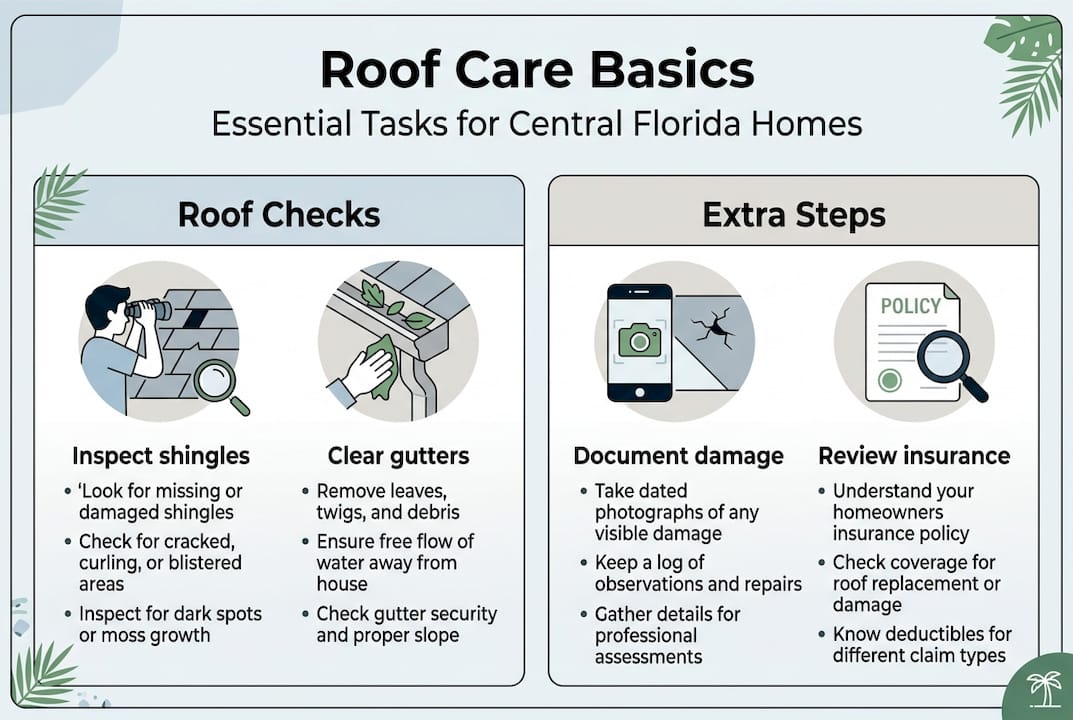
Having your maintenance calendar set, here is how to perform these tasks methodically and spot red flags early. A thorough inspection takes about 30 to 45 minutes and can save you thousands.
Follow this inspection sequence:
- Start at the gutters. Look for granule buildup, which signals shingle wear.
- Scan the roofline from the ground using binoculars. Check for lifted, curled, or missing shingles.
- Inspect all visible flashing around chimneys, vents, and skylights for rust or separation.
- Check roof vents for blockages, cracks, or missing covers.
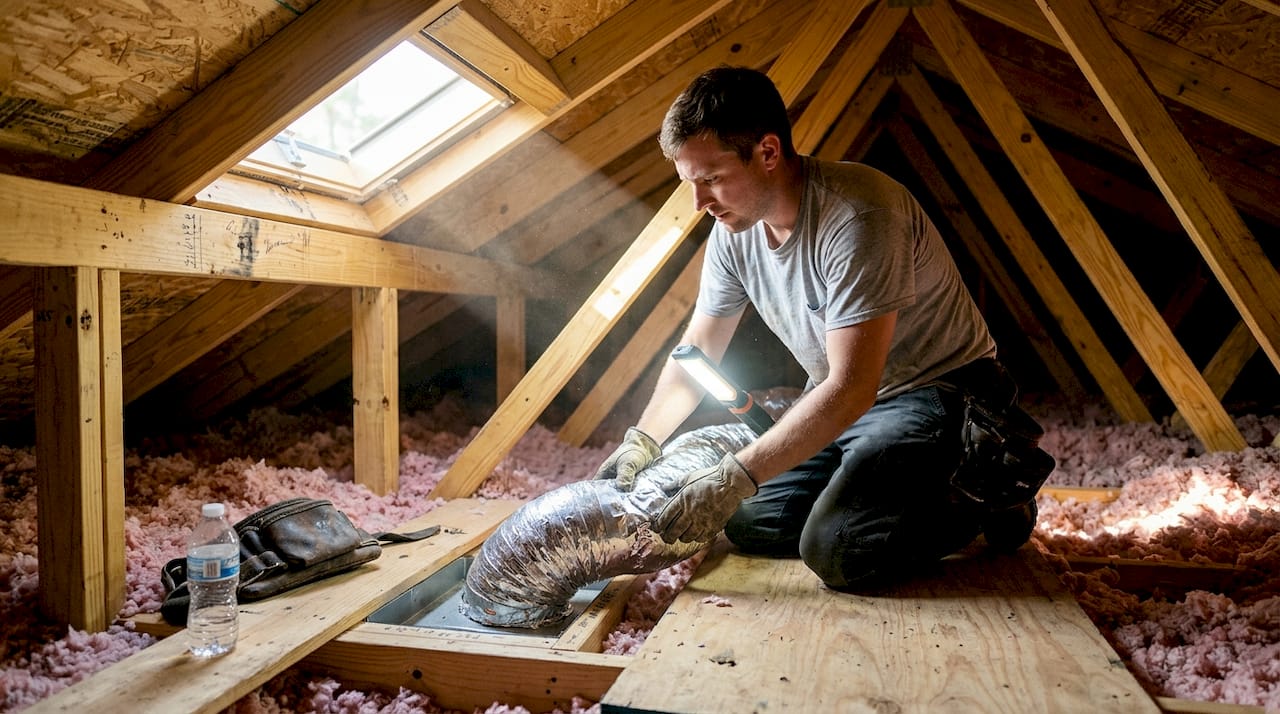
- Go into the attic and look for water stains, soft spots, mold, or daylight coming through.
- Walk the perimeter of the house after rain to spot any water pooling near the foundation.
Common Central Florida roof issues to watch for:
- Algae and moss growth caused by humidity and shade, which can eat through shingles over time
- UV bleaching and surface cracking from prolonged sun exposure
- Lifted or buckled shingles from wind or improper installation
- Rust stains around metal flashing or fasteners
- Soft or spongy decking felt from inside the attic, indicating moisture damage
Central Florida’s humidity and UV exposure demand light-colored or reflective roofing materials and proper attic ventilation. Without ventilation, heat and moisture build up and cause mold and rot far faster than in other states. This is not a minor concern. It is a structural one.
Pro Tip: Take dated photos during every inspection and keep them in a dedicated folder. If you ever need to file an insurance claim or sell the property, that visual record is invaluable.
Always check the roof inspection benefits of catching issues early versus waiting for a visible leak. Early detection costs a fraction of full repairs.
Weather-related roof checks and emergency response
Routine care reduces risk, but Central Florida weather demands extra attention. Here is how to keep your roof resilient year-round.
Before hurricane season (May through early June):
- Inspect and reseal all flashing points around vents, chimneys, and edges
- Remove dead branches and trim trees within 10 feet of the roofline
- Secure any loose materials like satellite dishes or decorative elements
- Confirm your gutters are clear and draining properly
- Review your homeowner’s insurance policy and document current roof condition
After a major storm:
- Walk the yard and look for fallen shingles, granules, or visible damage from the ground
- Check the attic for new water stains or drips within 24 hours
- Photograph all visible damage immediately before any cleanup
- Call a licensed roofer for anything beyond surface debris
Aging shingles are significantly more likely to fail during hurricane-force winds, according to IBHS research. If your roof is more than 10 years old, a pre-season professional inspection is not optional. It is essential.
Post-storm safety: Do not climb onto a roof after a storm to assess damage. Structural integrity may be compromised. Review storm damage roof examples from the ground and let a certified inspector handle close-up evaluation.
Documenting damage quickly matters for insurance. Insurers often require proof that damage was storm-related and not the result of deferred maintenance. The roof inspection benefits of having a pre-storm record are enormous when it comes time to file a claim.
Property manager tips: Record-keeping and insurance essentials
Both homeowners and managers must be vigilant, but property managers carry extra legal and administrative responsibilities that make documentation even more critical.
Key record-keeping practices for property managers:
- Log every inspection and repair with the date, contractor name, and work performed
- Retain all receipts and warranties for materials and labor
- Photograph issues before and after repairs and store them with property files
- Schedule annual contract reviews with your roofing service provider
- Track roof age and material type for each managed property separately
- Notify tenants in writing before any scheduled maintenance work
Maintenance contracts reduce liability and insurance claims significantly for Florida property managers. A documented maintenance history shows insurers and courts that you acted responsibly, which matters when disputes arise.
Pro Tip: Create a standardized one-page inspection template for all your managed properties. It takes 20 minutes to build and saves hours of inconsistent reporting across your portfolio. Consistency is what holds up in court and in insurance negotiations.
Refer to a dedicated roof maintenance guide for landlords to understand your specific legal obligations as a property manager in Florida. Knowing what is required versus what is best practice can protect you from costly disputes.
The overlooked value of roof maintenance: Hard truths for Central Florida
Standard guides tell you to inspect twice a year and clean your gutters. That is fine advice, but it leaves out what too many Central Florida residents learn the hard way.
Florida is not like other states. The combination of intense heat, relentless humidity, and a six-month hurricane season creates a roofing environment that punishes inaction faster than anywhere else in the country. We have seen roofs that looked fine from the street turn out to have years of hidden moisture damage inside the decking. By the time the leak showed up inside the home, the repair cost had tripled.
What most guides also skip is the insurance angle. Florida’s property insurance market is one of the most volatile in the nation. Insurers are actively looking for reasons to deny claims or drop policies. A roof with no maintenance history is a liability. A roof with documented inspections and regular care is an asset. Why roof inspection matters goes far beyond catching leaks. It is about keeping your coverage intact.
The homeowners who come out ahead are not the ones who react after storms. They are the ones who build a simple, consistent routine and stick to it every year. That is the real protection.
Get expert roofing help for peak peace of mind
Knowing what to look for is a strong first step, but some situations call for trained eyes and professional tools. When you spot damage you cannot safely assess, or when a storm has left you unsure about your roof’s condition, a certified roofing professional can give you a clear picture fast.

Thomas Roofing and Repair serves homeowners and property managers across Brevard, Volusia, and Orange counties with inspections, repairs, and full Central Florida roof replacement services. Whether you need a post-storm assessment or want to get ahead of the next hurricane season, our team offers no-obligation consultations built around your specific property. Check out our storm damage repair guide and reach out today to schedule your free estimate.
Frequently asked questions
How often should I get my Central Florida roof professionally inspected?
Schedule professional inspections at least once a year and always after a major storm or hurricane. Pre-season inspections in spring are especially valuable before hurricane season begins.
What are the most common causes of roof damage in Central Florida?
Storms, hurricanes, intense UV exposure, and year-round humidity are the primary drivers of roof wear locally. Over 90% of homes in Central Florida face some form of roof issue during the roof’s lifespan.
Can regular DIY roofing maintenance lower my insurance premiums?
Some insurers offer discounts or maintain coverage for properties with documented maintenance records, but always confirm the specific requirements directly with your insurance provider.
How do I know if my roof needs total replacement?
Multiple leaks, widespread shingle loss, sagging areas, and roofs that are 10 to 15 years old are strong indicators that replacement may be more cost-effective than continued repairs.
Recommended
- Roof Maintenance Guide 2026: Protect Your Florida Home
- Extend your roof lifespan with expert maintenance in 2026
- Why document roof damage: a homeowner’s guide
- Roof Maintenance Process: Extend Roof Life Step by Step
- Home exterior maintenance tips to boost curb appeal
- How to schedule annual home maintenance in 2026
- Roofing Company Orlando, FL
- Roofing Company Titusville, FL
- Roofing Company DeLand, FL