Every Florida homeowner knows the value of a roof that stands up to storms, humidity, and heat. Choosing a roofer with the right credentials can make the difference between peace of mind and costly repairs down the road. Certified roofers in Florida must prove their experience, pass demanding state exams, and maintain strict insurance standards, making them a dependable choice for protecting your home against unpredictable weather while ensuring lasting craftsmanship.
Table of Contents
- What Makes A Roofer Certified In Florida
- Florida Roofing Certification Types Explained
- Essential Skills And Quality Standards Certified Roofers Offer
- Warranty, Insurance, And Legal Protections For Homeowners
- Comparing Certified Roofers To Non-Certified Alternatives
Key Takeaways
| Point | Details |
|---|---|
| Certification Ensures Quality | Hiring a certified roofer guarantees adherence to state standards, providing quality assurance and protection for your home. |
| Experience and Examination Requirements | Roofers must have a minimum of four years of experience and pass rigorous exams to validate their expertise and knowledge. |
| Insurance and Legal Protections | Certified roofers are required to maintain necessary insurance, protecting homeowners from liability and ensuring accountability in case of disputes. |
| Comparing Certified vs. Non-Certified Roofers | Although certified roofers might cost more upfront, they offer long-term savings and risk reduction compared to non-certified alternatives. |
What Makes a Roofer Certified in Florida
Florida takes roofing seriously. To work as a certified roofer in the state, professionals must meet specific requirements set by licensing authorities and pass rigorous examinations.
Certification in Florida involves multiple steps that protect homeowners like you. A roofer must demonstrate real-world competence before claiming certification status.
Experience Requirements
The foundation of certification starts with hands-on experience. Florida requires at least four years of roofing experience or equivalent combinations of work, education, and military service.
This experience requirement ensures your roofer has dealt with:
- Residential roof installations and repairs
- Commercial roofing projects
- Storm damage assessments and solutions
- Various Florida weather conditions and materials
If a candidate lacks full four years, they can substitute education or military service. This flexibility recognizes different pathways to expertise.
Exam Requirements
Passing state-administered exams is non-negotiable. Candidates must pass two Pearson VUE exams covering critical knowledge areas.
The exams test:
- Roofing Trade Knowledge: Practical skills, material selection, installation techniques, and safety protocols specific to Florida conditions
- Business & Finance: Contractor operations, insurance requirements, licensing laws, and financial management
These exams verify that certified roofers understand both the craft and the business side of roofing—crucial for protecting your home investment.
These aren’t simple tests. They’re designed to ensure your roofer knows how to handle Florida’s unique climate challenges, from hurricane-force winds to intense UV exposure.
Background Checks and Insurance
Certification also requires background verification including fingerprinting. This protects homeowners from unlicensed or problematic contractors working on their properties.
Proper insurance is essential. Your certified roofer must maintain:
- Workers’ Compensation insurance
- General Liability insurance
These policies protect you if someone is injured on your property or if damage occurs during work.
Why This Matters for Your Home
Certification means accountability. The state verifies credentials, which means you can trust the roofer’s legitimacy. When you hire professional roofers, you’re getting someone who passed Florida’s standards.
Uncertified roofers might offer lower prices, but certification ensures quality, legal compliance, and financial protection through insurance coverage.
Pro tip: Always verify a roofer’s certification through Florida’s contractor licensing board before signing a contract—confirmation takes minutes and protects you from costly mistakes.
Florida Roofing Certification Types Explained
Florida offers multiple roofing certifications, each serving different purposes. Understanding the types helps you choose roofers with the right credentials for your specific needs.
Certification types range from state licensing to specialized storm-resistant designations. Each one demonstrates different expertise levels and commitments to quality.
FORTIFIED Roof Certification
FORTIFIED Roof is Florida’s most recognized voluntary certification for hurricane and storm protection. This program certifies roofing professionals who meet stringent construction standards designed to enhance resistance to severe weather.
FORTIFIED-certified roofers use superior materials and techniques, including:
- Wider drip edges for improved water management
- Sealed roof decks that prevent water infiltration
- Ring-shank nails installed in enhanced patterns tested for extreme wind resistance
- Materials and methods proven to withstand hurricanes and tropical storms
FORTIFIED Roof certification means your roofer uses construction methods specifically tested to resist Florida’s most severe weather threats—not just standard code compliance.
This voluntary program matters because it goes beyond minimum state requirements. Your roof won’t just meet code; it will actually protect your home better during storms.
Registered Roof Consultant (RRC) Credential
The Registered Roof Consultant credential is a national professional certification that applies in Florida. RRC professionals specialize in roof system design, inspection, and management with deep technical expertise.
RRC candidates must demonstrate:
- Minimum four years of roofing experience
- Advanced technical knowledge through rigorous exams
- Continuing education requirements to stay current
- Comprehensive project portfolio submissions
RRC holders understand roof systems at a consultant level, not just installation. They excel at complex problem-solving and system design.
State Contractor License
Every professional roofer in Florida must hold a state contractor license. This is the baseline certification required to operate legally in the state.
The license proves:
- Experience and technical knowledge
- Passing of state-administered exams
- Financial responsibility through insurance
- Accountability to Florida’s licensing board
Why Multiple Certifications Matter
A roofer with roofing guarantee protection plus FORTIFIED certification shows commitment beyond minimum standards. Multiple credentials indicate a roofer invests in continuous improvement.
Look for roofers holding at least the state license. FORTIFIED or RRC certifications suggest extra expertise and dedication to quality.
Here’s how Florida’s main roofing certification types compare:
| Certification Type | Focus Area | Who Should Seek It | Relative Difficulty |
|---|---|---|---|
| State Contractor | Legal, general roofing | All professional roofers | Moderate |
| FORTIFIED Roof | Hurricane/storm resilience | Homes in severe weather zones | High |
| Registered Roof Consultant | System design & management | Complex/commercial projects | Very High |
Pro tip: Ask potential roofers which certifications they hold and request to see documentation—multiple certifications indicate a professional serious about craftsmanship and staying current with industry standards.
Essential Skills and Quality Standards Certified Roofers Offer
Certified roofers bring more than just experience to your project. They follow rigorous industry standards and possess specialized skills that protect your home for decades.
These professionals understand roofing systems at a depth that separates them from uncertified installers. Their training covers everything from material science to weather-specific installation techniques.
Adherence to Industry Standards
Certified roofers follow established performance guidelines. ASTM roofing standards specify exact requirements for materials, installation methods, and safety protocols that ensure consistent quality.
These standards cover:
- Material specifications and performance requirements
- Dimensional accuracy for proper roof function
- Installation techniques tested for durability
- Safety protocols that protect workers and homeowners
When a certified roofer follows ASTM standards, your roof isn’t just installed—it’s engineered to perform. Standards exist because they’ve been tested and proven.
Comprehensive Inspection and Diagnosis Skills
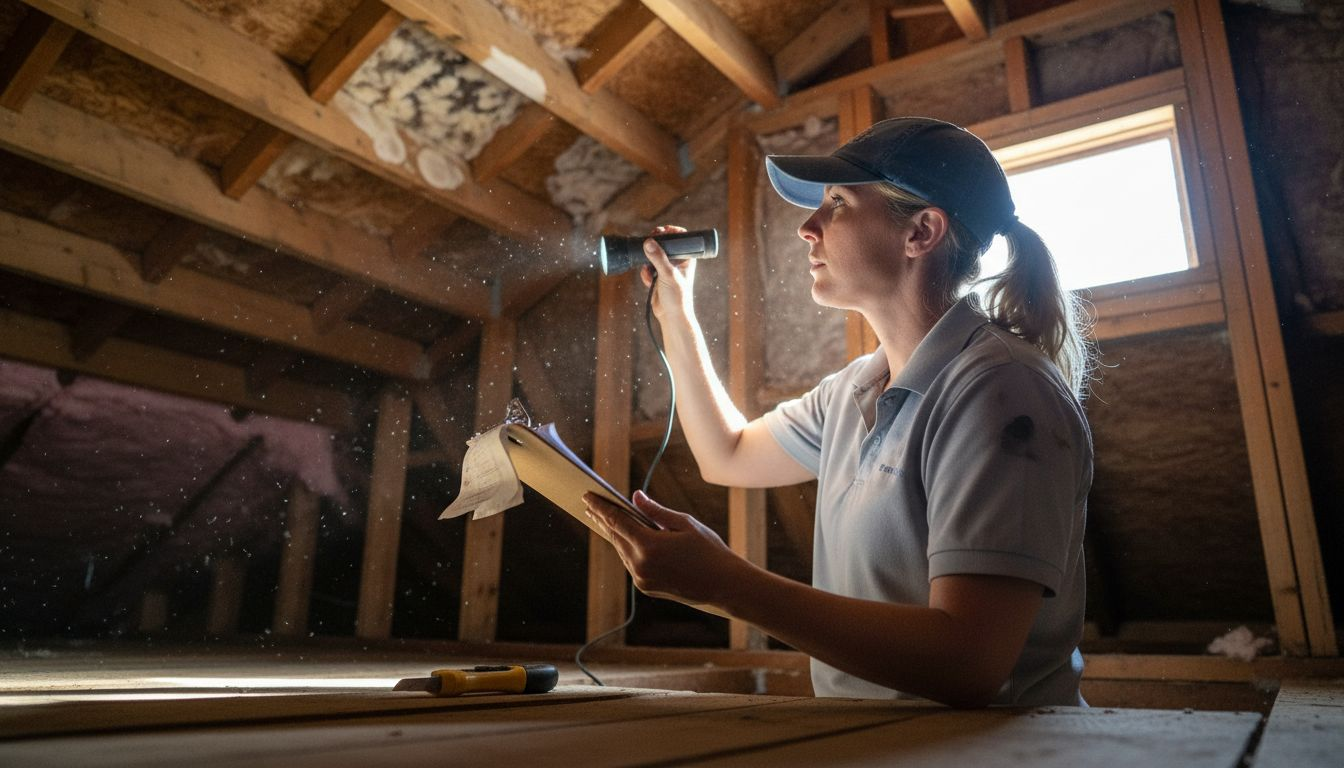
Certified roof inspectors use nationally recognized five-zone inspection processes covering interior and exterior roof elements thoroughly. This systematic approach catches problems that casual observers miss.
Their inspection skills include:
- Detailed assessment of roofing system conditions
- Identification of hidden damage and wear patterns
- Quality assurance verification before and after work
- Data-driven documentation for insurance and lender verification
Certified inspectors provide detailed, documented assessments that reduce uncertainty about your roof’s true condition—critical for protecting your investment.
They don’t just look at shingles. They examine decking, flashing, ventilation, and structural integrity.
Weather-Specific Installation Expertise
Certified roofers in Florida understand unique regional challenges. They know how to install roofs that resist hurricanes, tropical storms, intense UV exposure, and driving rain.
This expertise means:
- Proper sealing techniques for water intrusion prevention
- Material selection suited to Florida’s climate
- Enhanced fastening patterns for high-wind areas
- Ventilation systems that handle humidity
Quality Assurance and Accountability
Certification creates accountability. Your roofer answers to licensing boards, professional organizations, and industry standards bodies—not just their own judgment.
This accountability delivers:
- Consistent workmanship backed by training
- Warranty protection with financial backing
- Verification systems homeowners and lenders can trust
- Ongoing continuing education requirements
When something goes wrong, certified roofers have skin in the game through licensing and professional standing. Uncertified installers simply disappear.
Why Skills Matter for Your Specific Situation
Central Florida’s aging roofs face intense weather stress. A roofer with proper roof inspection skills catches deterioration early, preventing expensive emergency repairs.
Certified roofers deliver lasting value through superior installation, thorough diagnosis, and accountability.
Pro tip: Request documentation of certifications and ask roofers to explain the specific standards they follow on your project—their detailed knowledge demonstrates true expertise.
Warranty, Insurance, and Legal Protections for Homeowners
Certified roofers provide protections that go beyond the work itself. You gain access to warranties, insurance coverage, and legal recourse that protect your investment.
These protections matter when problems arise. They separate certified professionals from fly-by-night operators who vanish when issues surface.
Manufacturer and Workmanship Warranties
Certified roofers typically offer two types of warranties covering your roof. Material warranties come from manufacturers and cover defects in shingles or roofing products themselves.
Workmanship warranties cover installation quality and labor. These warranties ensure:
- Proper installation following industry standards
- Correction of defects at no cost during warranty period
- Financial backing from established companies
- Professional accountability for quality
Uncertified installers rarely offer meaningful warranties. If problems appear months later, you have no recourse with someone operating informally.
Insurance Coverage Requirements
Florida law requires certified roofers to maintain specific insurance. Your roofing contractor must carry Workers’ Compensation insurance and General Liability coverage.
This insurance protects you by covering:
- Medical expenses if workers are injured on your property
- Property damage caused during roofing work
- Legal liability if something goes wrong
- Contractor obligations to complete the job
When a certified roofer works on your home, insurance stands behind their work. You’re not exposed to liability if something happens.
Enhanced Florida Insurance Protections
Recent Florida legislation strengthens homeowner rights during insurance claims. New insurance laws now prohibit insurance companies from canceling coverage before repairs are completed and limit multiple deductibles on the same damage.
These protections include:
- Prevention of coverage cancellation during repairs
- Single deductible application per incident
- Increased penalties for insurance company violations
- Stronger enforcement of homeowner rights
Recent Florida laws provide stronger protections ensuring you receive fair treatment from insurers—one more reason certified roofers matter for storm damage claims.
This legislative framework makes the entire claims process smoother and more predictable.
Legal Recourse and Dispute Resolution
Florida law establishes clear procedures if disputes arise with your roofer. Before suing a contractor, homeowners must send pre-suit notices giving roofers opportunity to inspect and repair claimed defects.
This legal framework requires you to:
- Document all communications and contracts
- Photograph and record damage thoroughly
- Send written notice before legal action
- Give contractors chance to resolve issues
Certified roofers understand this legal process and take it seriously. They’re motivated to fix problems rather than face licensing board complaints.
Why These Protections Matter
Your home is your biggest investment. Certified roofers provide accountability through warranties, insurance, and legal frameworks that uncertified installers sidestep entirely.
When you hire a certified professional, multiple layers of protection activate simultaneously.
Pro tip: Request written warranty documentation before work begins and verify the roofer’s insurance coverage with their insurance company directly—don’t rely on verbal assurances.
Comparing Certified Roofers to Non-Certified Alternatives
The choice between certified and non-certified roofers affects your home’s protection and your wallet. Understanding the real differences helps you make an informed decision.
Certified roofers cost more upfront, but non-certified alternatives carry hidden risks that cost far more later.
Credibility and Verification
Certified roofers undergo rigorous vetting and third-party verification. BBB-accredited roofing contractors in Florida meet high standards for licensing, insurance, transparency, and customer satisfaction.
You can verify certified roofers through:
- State contractor licensing board databases
- Better Business Bureau accreditation records
- Insurance verification with their carriers
- Professional certification organizations
- Customer review platforms with verified purchases
Non-certified installers operate without public verification systems. You have no way to confirm their qualifications or check their history.
Insurance and Financial Protection
Certified roofers carry required insurance protecting you from liability. Non-certified workers often lack proper coverage entirely.
If an uninsured worker is injured on your property, your homeowners insurance may not cover the claim. You could face personal liability suits costing thousands.
Non-certified roofers expose you to financial risk that far exceeds any upfront savings from their lower quotes.
Certified roofers’ required insurance eliminates this exposure completely.
Warranty and Accountability
Certified professionals back their work with warranties and stand behind quality. They have licensing to lose if they cut corners.
Non-certified installers:
- Rarely offer written warranties
- Disappear if problems develop
- Have no licensing board to file complaints with
- Operate informally with no financial accountability
- Can’t be sued effectively since they lack traceable business structure
When leaks appear six months later, the certified roofer fixes it at no cost. The non-certified installer is unreachable.
Expertise and Code Compliance
Certified roofers understand Florida building codes, ASTM standards, and weather-specific requirements. They know hurricane-resistant installation techniques critical in Central Florida.
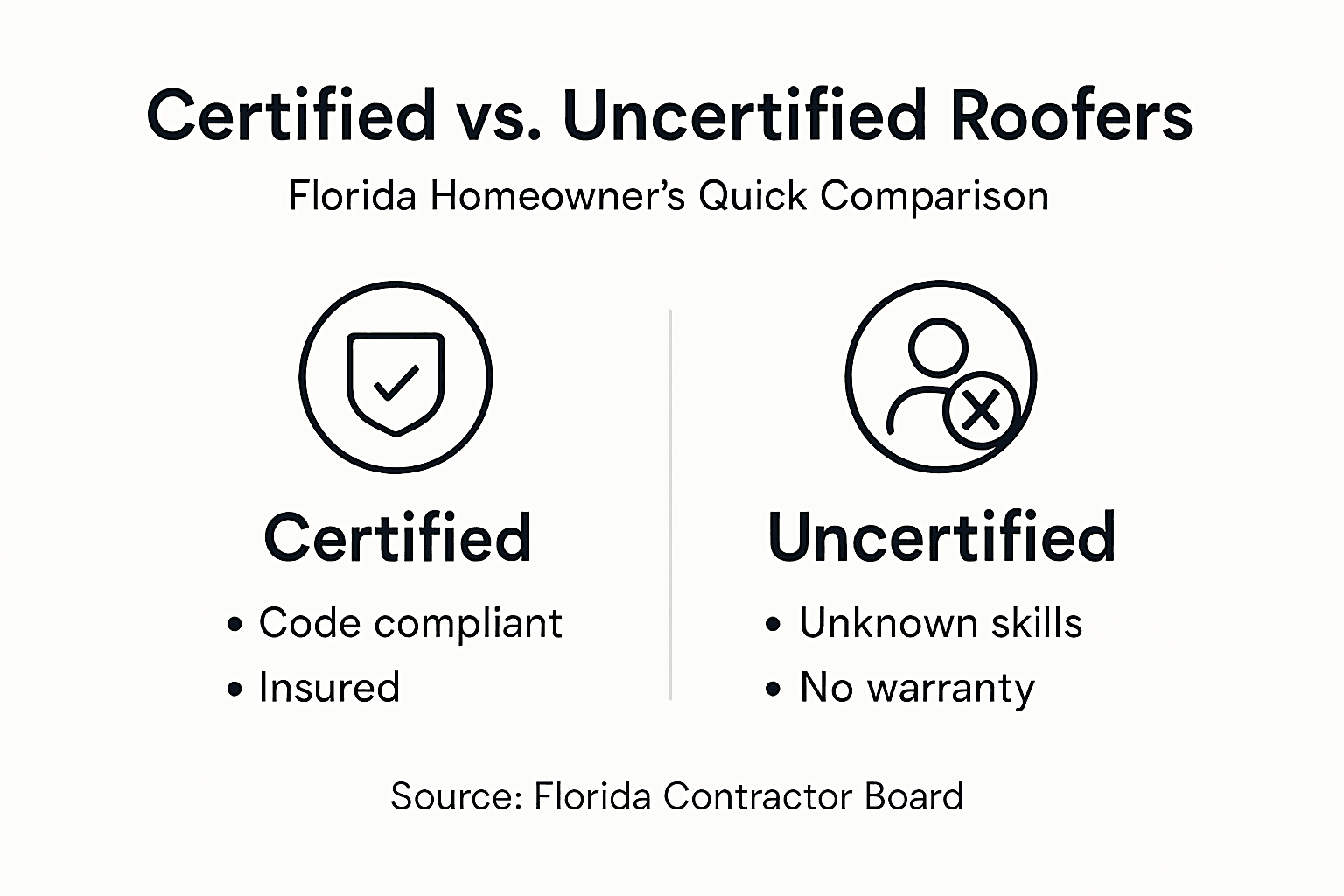
Non-certified installers may install roofs that meet bare minimums or violate codes entirely. Your roof might not hold during the next storm.
Cost Reality
Certified roofers cost 15-25% more initially. Over a 20-year roof lifespan, certified work costs about $2-3 per month extra.
Non-certified work that fails early costs thousands in emergency repairs, water damage, and replacement. One insurance claim denial costs more than the initial certification premium.
Making Your Decision
When comparing options, look for professional roofing companies that provide transparency, licensing verification, and clear warranties.
Certified roofers represent true value, not just cost. The protection is worth the investment.
See how certified and non-certified roofers differ on key protections:
| Aspect | Certified Roofer Advantage | Non-Certified Risk |
|---|---|---|
| Insurance | Full liability and worker coverage | Homeowner faces liability exposure |
| Warranties | Manufacturer & labor warranties | Usually no warranty support |
| Legal Recourse | Formal complaint process available | Informal, often no legal pathway |
| Code Compliance | Meets/exceeds Florida building code | May ignore or not understand code |
Pro tip: Request BBB accreditation status and licensing verification from any roofer before accepting their bid—it takes two minutes and protects you significantly.
Trust Certified Roofers to Protect Your Florida Home
Florida homeowners face unique roofing challenges that demand certified expertise. From meeting rigorous state licensing requirements to delivering storm-resistant craftsmanship like FORTIFIED Roof certification, your roofer’s qualifications can make all the difference in protecting your investment. Avoid costly repairs and uninsured liabilities by choosing professionals who provide thorough inspections, strong warranties, and insurance coverage tailored to Florida’s climate.
At Thomas Roofing and Repair, we specialize in residential and commercial roofing across Central Florida counties including Brevard, Volusia, and Orange. Our team is committed to the highest standards of quality, accountability, and storm preparedness. We hold all necessary certifications and bring decades of experience to every project ensuring your roof is built to last against hurricane-force winds and intense sun exposure.
Discover how you can secure your home with trusted, certified roofers who follow Florida’s exacting standards by exploring our professional roofing services.

Don’t settle for less than certified expertise. Protect your home today by contacting us at Thomas Roofing and Repair for a free roofing inspection or estimate. Act now to ensure your home stands strong through every storm with quality you can count on.
Frequently Asked Questions
What are the requirements for a roofer to be certified in Florida?
To be certified in Florida, a roofer must have at least four years of experience in roofing, pass state-administered exams on roofing trade knowledge and business finance, and undergo background checks including fingerprinting. They must also maintain proper insurance.
Why is FORTIFIED Roof certification important for homeowners?
FORTIFIED Roof certification ensures that a roofer uses superior materials and construction techniques designed to resist severe weather, including hurricanes. This certification goes beyond minimum state requirements, providing enhanced protection for your home.
What types of warranties do certified roofers provide?
Certified roofers typically offer two types of warranties: manufacturer warranties for roofing materials and workmanship warranties that cover the quality of installation. These warranties protect homeowners from defects and ensure accountability from the roofer.
How do certified roofers differ from non-certified roofers?
Certified roofers have undergone rigorous vetting processes, carry required insurance, and provide warranties, ensuring accountability and quality. Non-certified roofers may lack these protections and expose homeowners to higher financial risks from potential legal issues or unfulfilled workmanship.