
 407-408-0577
TL;DR:
- Roof coatings are not merely paint; they form elastic, waterproof membranes that protect roofs from Florida’s intense UV, heat, and rain. Proper selection and application extend roof lifespan, improve heat reflectance, and reduce cooling costs, especially in Central Florida’s demanding climate. Regular maintenance, correct product choice, and professional installation are essential for maximizing their long-term protective benefits.
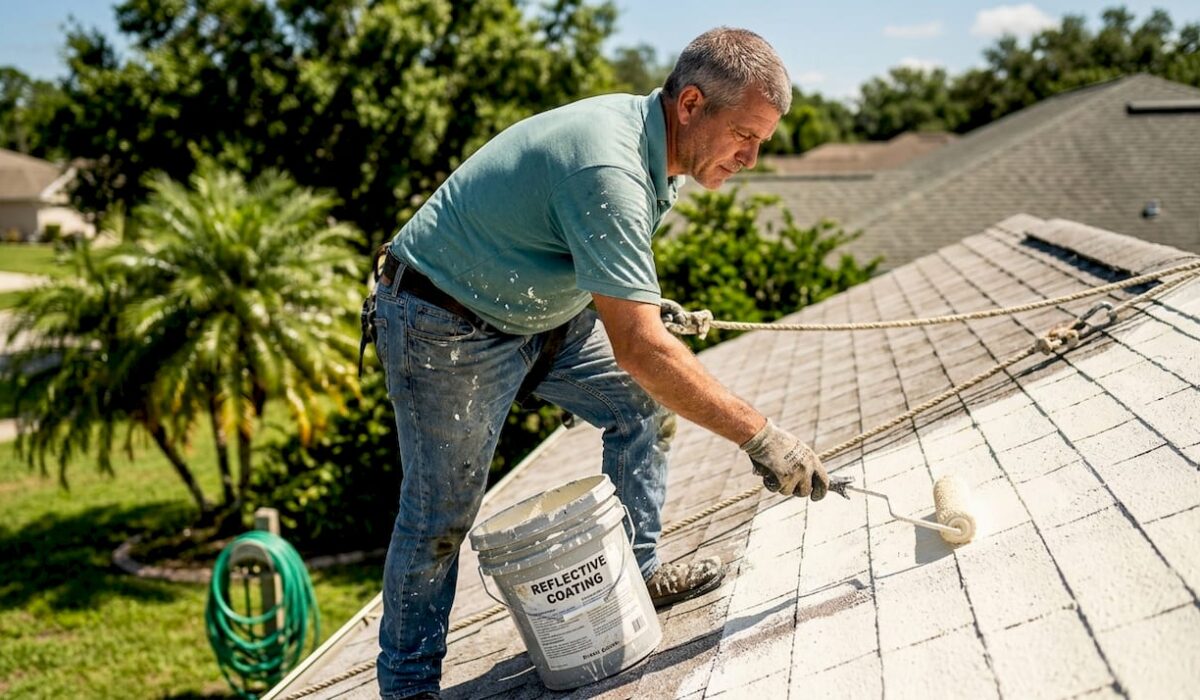
Most homeowners treat roof coatings like exterior paint: something to freshen up the look or add a layer of color before selling. That’s a costly misunderstanding. The role of roof coatings goes far beyond aesthetics. A properly selected and applied coating forms a waterproof, elastic membrane that shields your roof from Florida’s UV bombardment, afternoon downpours, and the daily expansion and contraction caused by extreme heat. For Central Florida homeowners and property managers, understanding this distinction can mean the difference between a roof that lasts and one that fails years ahead of schedule.
Table of Contents
- What roof coatings are and how they actually protect your home
- How roof coatings help reduce cooling costs in Central Florida
- Choosing the right roof coating: types, durability, and climate fit
- Applying and maintaining roof coatings for long-lasting protection
- Why understanding roof coatings changes how you protect your home
- Protect your Central Florida roof with expert coating services
- Frequently asked questions
Key Takeaways
| Point | Details |
|---|---|
| Roof coatings basics | Roof coatings are liquid membranes that protect roofs from water and UV damage while extending roof life. |
| Energy savings | Reflective roof coatings reduce heat absorption, cutting cooling costs effectively in hot climates like Central Florida. |
| Coating types | Acrylic and silicone coatings differ in durability and ponding resistance; choose based on roof type and climate. |
| Maintenance matters | Proper application and cleaning preserve coating reflectance and performance for up to 15 years. |
| Use tested products | Select coatings with CRRC or ENERGY STAR certifications to ensure reliable energy and durability performance. |
What roof coatings are and how they actually protect your home
Roof coatings are not paint. That distinction matters more than most people realize. As part of a thorough roof maintenance process, coatings serve as a fully bonded protective layer, not a cosmetic finish. Liquid-applied coating systems cure into a monolithic membrane with primary roles of waterproofing and reflective heat reduction, which is fundamentally different from what any standard paint achieves.
The key physical property that separates a coating from paint is elongation: the ability to stretch and return to its original shape without cracking. When your roof deck heats up in the Florida sun and then cools rapidly during an afternoon storm, it moves. A coating that can elongate 200% to 400% moves with it. Paint cannot do that, and it cracks under the stress.
Here are the main types of roof coatings and what makes each one useful:
- Acrylic coatings: Water-based, easy to apply, excellent initial solar reflectance, and cost-effective. They perform well in climates with moderate rainfall but degrade faster when water pools on the roof surface.
- Silicone coatings: The strongest performer in wet, humid climates. They resist ponding water and UV degradation better than any other category and maintain reflectance longer after aging.
- Elastomeric coatings: A broad category that includes both acrylic and silicone formulas. The term refers to the elastic nature of the cured film rather than a specific chemistry.
- Polyurethane coatings: More impact-resistant and durable underfoot traffic, which makes them a better fit for roofs that see regular maintenance workers walking across them.
One misconception worth correcting: coatings are maintenance products, not permanent roofing systems. They extend the life of the underlying membrane and add waterproofing and reflectance, but typical service life runs 10 to 15 years before recoating is needed. Think of it less like installing a new roof and more like applying a high-performance protective treatment that buys your existing roof significantly more time.
How roof coatings help reduce cooling costs in Central Florida
Central Florida’s climate is unforgiving for roofs. Summer temperatures regularly push into the 90s, UV index readings rank among the highest in the country, and rooftop surface temperatures on a dark roof can exceed 160°F. A dark roof absorbs that heat and transfers it into your attic and living space, forcing your air conditioner to work overtime.
Cool roofs in Florida address this directly through two measurable properties:
- Solar reflectance: The percentage of sunlight reflected away from the roof surface. Higher is better.
- Thermal emittance: The ability to radiate absorbed heat back out as infrared energy. Think of it as the roof’s ability to “dump” heat it does catch.
The Cool Roof Rating Council independently tests and rates products on both metrics, giving you objective data rather than marketing language. To earn the ENERGY STAR label, a coating must meet minimum standards: solar reflectance of 0.65 initially and 0.50 aged, plus thermal emittance of 0.90 for low-slope applications. Those aren’t small numbers. A qualifying coating reflects more than half of all sunlight even after years of weathering.
The financial impact adds up quickly. Radiative-cooling coatings can reduce annual HVAC loads by up to 14.11 kWh per square meter and cut energy costs by approximately $0.55 per square meter annually compared to dark roofs in US hot climates. On a large commercial flat roof or even a substantial residential low-slope section, that translates to real, measurable savings every month your system runs.
Stat to know: On large commercial rooftops, the annual energy savings from cool roof coatings versus dark coatings can reach $2,600 or more per year. For property managers watching operating budgets, that number pays for the coating faster than most people expect.
Choosing the right roof coating: types, durability, and climate fit
Not every coating works equally well in Central Florida’s specific conditions. The combination of heavy seasonal rainfall, high humidity, intense UV exposure, and occasional hurricane-force winds creates a demanding environment. Matching the coating chemistry to those conditions is what separates a smart investment from an expensive mistake.
The substrate compatibility and climate of your specific roof should drive the decision, not the product with the most aggressive marketing. Here’s a side-by-side look at the two most relevant options for Florida conditions:
| Feature | Acrylic coating | Silicone coating |
|---|---|---|
| Reflectance (initial) | Excellent | Excellent |
| Reflectance (aged) | Moderate | Better retained |
| Ponding water resistance | Low | Excellent |
| Elongation | 100%–200% | 200%–400% |
| Dirt pickup | Low | Higher |
| Cost | Lower | Higher |
| Best fit | Sloped roofs, drier climates | Flat/low-slope roofs, Florida |
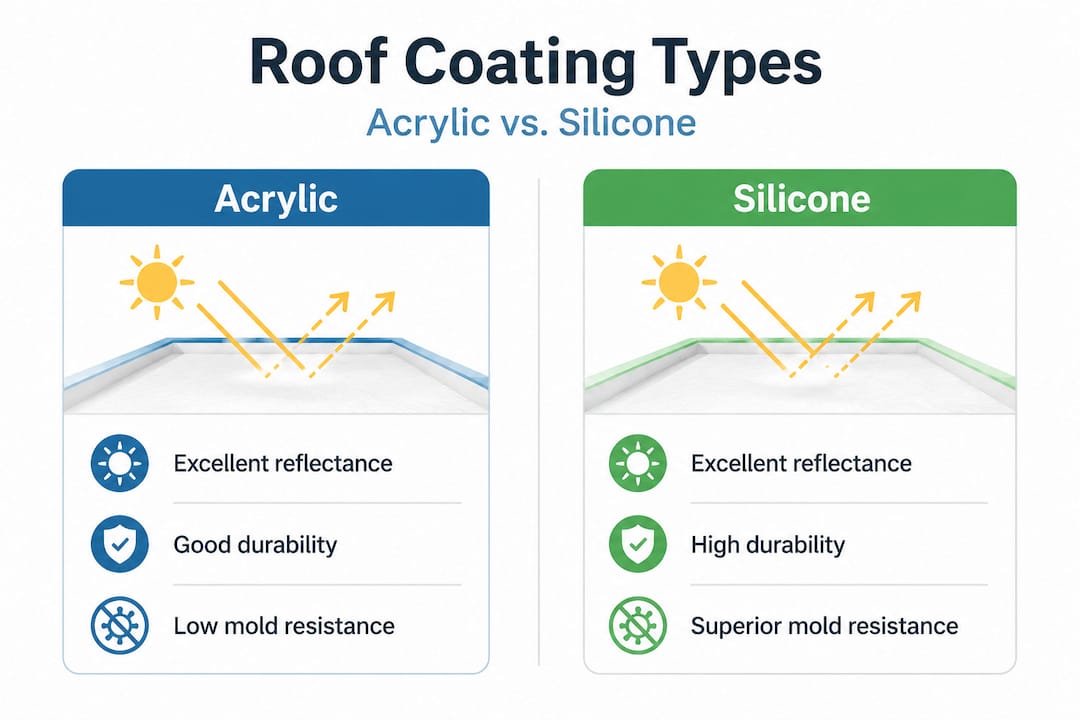
Silicone coatings maintain reflectance better over time despite higher dirt pickup, and for Central Florida’s flat or low-slope roofs where water can sit after heavy rains, their ponding resistance is not optional. It is essential.
Key factors to evaluate before choosing a coating:
- Roof slope: Flat and low-slope roofs need ponding-resistant chemistries. Steeper slopes give acrylic coatings a better chance.
- Existing membrane type: Not all coatings bond equally to all substrates. TPO, EPDM, modified bitumen, and metal each have compatible coating options.
- Maintenance commitment: Silicone’s dirt pickup means it needs more frequent cleaning to maintain its reflective performance.
For homeowners still weighing whether a coated roof is even the right long-term direction, a good roof coating decision framework can help you compare it against other roofing solutions based on your property’s specific needs.
Pro Tip: If a contractor recommends a coating without asking about your roof’s slope, existing membrane type, or drainage patterns, that is a red flag. Coating selection without that information is guessing.
Applying and maintaining roof coatings for long-lasting protection
Even the best coating fails fast if the application is done wrong. Preparation is where most coating failures originate, not the product itself. Here is what a proper application sequence looks like:
- Inspect the existing roof surface for blisters, cracks, delamination, and any standing water patterns. Damage must be repaired before coating, not covered over.
- Clean thoroughly. Dirt, algae, mold, and chalking from old coatings all prevent adhesion. Pressure washing followed by chemical treatment is standard for Florida roofs.
- Prime the surface where required. Metal substrates and certain membranes need a bonding primer before the coating goes down.
- Apply in proper dry film thickness. Too thin and the waterproofing is compromised. Too thick and the coating may not cure properly. Manufacturers specify required film thickness for a reason.
- Allow full cure time before exposure to rain or foot traffic. Rushing this step undermines the entire job.
- Schedule periodic inspections to catch early signs of wear, dirt buildup, or developing cracks before they allow water infiltration.
As noted in published guidance on roof coatings as maintenance products, recoating every 10 to 15 years is typical, and doing it on schedule keeps the underlying roof membrane protected from the sun and weather damage that accelerates aging. Skip it, and you are back to paying for repairs or a full replacement far sooner than necessary.
For homeowners in Brevard, Volusia, and Orange counties, the roof maintenance process for Central Florida has specific considerations tied to our storm season, humidity levels, and local building code requirements.
Regarding permits: maintenance coatings applied over existing membranes often do not require a permit, but this varies by municipality and project scope. Always verify with your local building department or ask your contractor to confirm before the work starts.
Pro Tip: In Florida’s humid climate, algae and mold can reduce a silicone coating’s solar reflectance by 15% to 20% within a few years. A simple annual cleaning restores performance and extends the effective life of the coating significantly.
Why understanding roof coatings changes how you protect your home
Here is what rarely gets said plainly: most homeowners choose a roof coating based on whatever their contractor recommends or whatever is on sale. That is how you end up with an acrylic coating on a flat Florida roof that starts failing after the second rainy season, or a product that looked bright white on the label but never met tested reflectance standards.
The CRRC rating system exists precisely because marketing claims are unreliable. Independent, test-based evaluation of solar reflectance and thermal emittance is what actually tells you how a product performs in the real world, not the color of the coating or the boldness of the manufacturer’s promises.
What we have seen in Central Florida after years of working on roofs across Brevard, Volusia, and Orange counties is this: the durability of reflectance over time matters more than initial brightness. A coating that starts at 0.80 solar reflectance but drops to 0.45 after three years in Florida’s UV and humidity provides far less protection than one that starts at 0.70 and holds 0.62 after aging. That is the kind of data you can only get from independent ratings, not product brochures.
Maintenance compounds this further. In humid climates, biological growth on silicone coatings is not cosmetic. It directly reduces energy performance. Homeowners who invest in the right cool roofing benefits but skip annual cleaning are leaving a significant portion of their energy savings on the table.
The smartest approach is straightforward: match coating chemistry to your specific roof type and drainage conditions, verify performance through CRRC or ENERGY STAR data, and build a cleaning and inspection schedule into your maintenance calendar from day one.
Protect your Central Florida roof with expert coating services
Understanding the role of roof coatings is step one. Getting the application right is what actually protects your investment.

At Thomas Roofing and Repair, we bring hands-on experience with Central Florida’s specific climate demands to every coating project. Whether you need a roof coating installation in Horizon West, a detailed residential roof maintenance plan, or guidance after storm damage with our storm damage repair resources, our team handles every step from surface preparation through final inspection. We offer free consultations to evaluate your roof’s current condition and recommend the coating solution that matches your roof type, budget, and performance goals. Contact us today to get started.
Frequently asked questions
What is the main difference between roof coatings and regular paint?
Roof coatings cure into elastic, waterproof membranes capable of stretching hundreds of percent without cracking, while paint only provides a thin, rigid color layer with no meaningful waterproofing or elongation.
How often do roof coatings need to be reapplied?
Most roof coatings have a service life of 10 to 15 years before recoating is needed to maintain waterproofing and reflectance performance, though Florida’s UV intensity may shorten that window without regular maintenance.
Can roof coatings really reduce my air conditioning bills in Florida?
Yes. Radiative-cooling coatings can reduce annual HVAC loads by up to 14.11 kWh per square meter in hot US climates, which translates directly to lower monthly cooling bills in Central Florida’s long, intense summers.
Are all roof coatings the same? How do I pick the right one?
No. Coating chemistry and properties vary significantly across acrylic, silicone, and polyurethane formulas. The right choice depends on your roof’s slope, existing membrane type, and how much ponding water exposure your roof sees after rain.
Do I need a permit to apply roof coatings in Central Florida?
Maintenance coatings over existing membranes often do not require a permit, but requirements vary by municipality and project scope, so confirm with your local building department or ask your contractor before work begins.