
Your Central Florida home’s roof takes a beating from intense UV rays, powerful thunderstorms, and relentless humidity. Many homeowners wait until they spot visible damage before taking action, but by then, repair costs can skyrocket into thousands of dollars. A systematic maintenance approach prevents these expensive surprises and keeps your roof protecting your home for decades. This guide walks you through the complete maintenance process, from understanding regional challenges to executing repairs safely and knowing when professional help becomes necessary.
Table of Contents
- Understanding The Common Roofing Challenges In Central Florida
- Preparing For Your Residential Roof Maintenance: Tools, Safety, And Timing
- Executing The Residential Roof Maintenance Process Step-By-Step
- Verifying Maintenance Effectiveness And When To Call A Professional
- Get Expert Roof Maintenance And Repair Services In Central Florida
Key takeaways
| Point | Details |
|---|---|
| Regular inspections catch issues early | Twice yearly checks prevent small problems from becoming major damage |
| Proper tools and safety gear are essential | Safety harness, sturdy ladder, and protective equipment reduce accident risks |
| Maintenance involves cleaning and minor repairs | Remove debris, check seals, and replace damaged shingles to extend roof life |
| Professional help safeguards complex repairs | Experts handle structural issues and unsafe conditions more effectively |
| Timely action saves money long term | Preventive maintenance costs far less than emergency replacements |
Understanding the common roofing challenges in Central Florida
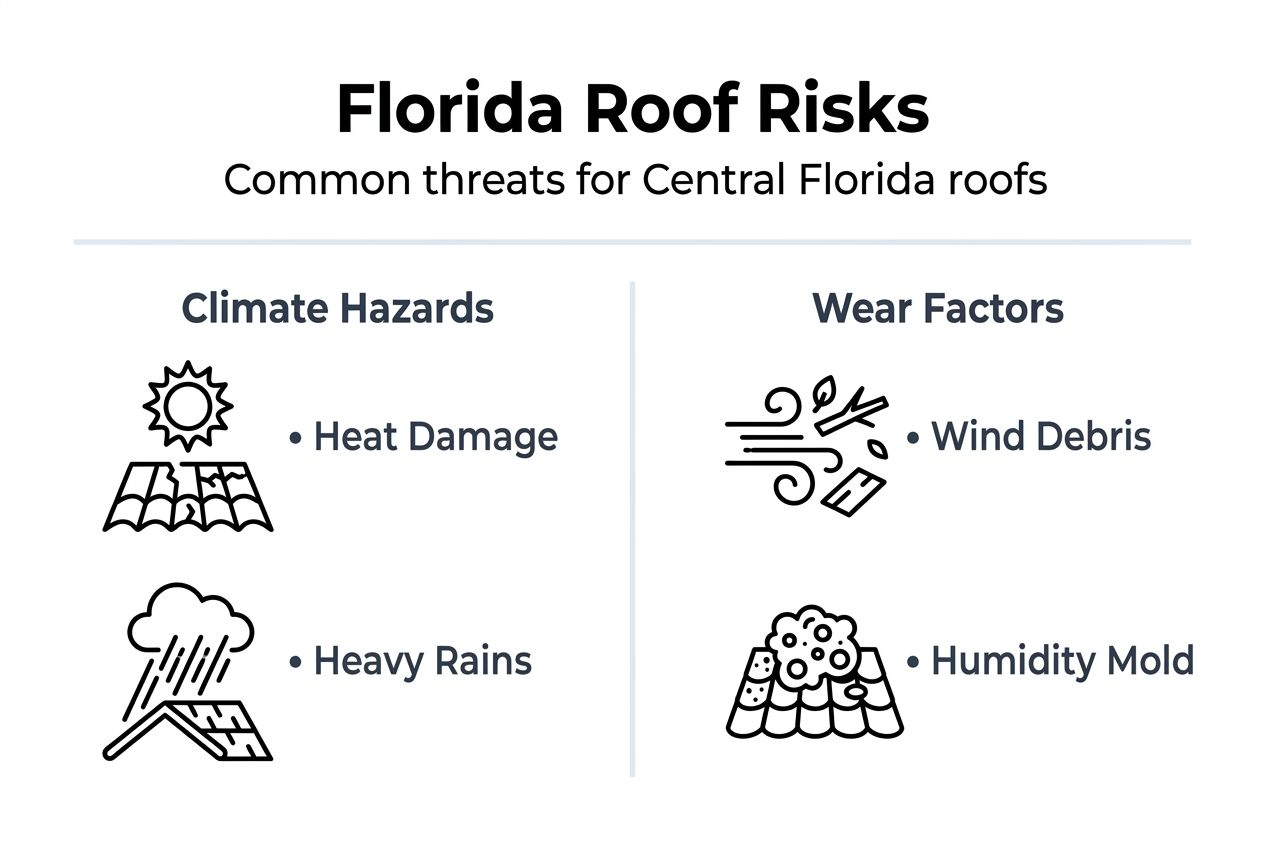
Your roof faces unique threats in Central Florida’s subtropical climate. The relentless sun and high temperatures accelerate material breakdown, causing shingles to crack and warp faster than in cooler regions. Florida roofs often suffer damage from sun exposure, humidity, and storms, making regular upkeep absolutely critical for homeowners.
Frequent thunderstorms bring heavy rain and strong winds that tear shingles loose and create water entry points. Lightning strikes can damage roof structures, while hail impacts create divots that compromise protective layers. These weather events happen year round, not just during hurricane season, keeping your roof under constant assault.
Humidity creates the perfect environment for biological growth. Algae, moss, and mold thrive in damp conditions, eating away at roofing materials and creating unsightly black streaks. This growth holds moisture against your roof surface, accelerating decay and shortening lifespan significantly.
“Addressing these regional challenges through proactive roof maintenance for Central Florida homes prevents minor issues from becoming structural failures that require complete replacement.”
The combination of these factors means Central Florida roofs typically need replacement sooner than national averages. However, dedicated maintenance counteracts these threats effectively. By staying ahead of damage, you protect your investment and avoid the financial stress of unexpected roof failures.
Preparing for your residential roof maintenance: tools, safety, and timing
Gathering the right equipment before climbing onto your roof prevents mid-task scrambling and dangerous improvisation. You need a sturdy extension ladder rated for your weight plus tools, a quality safety harness with anchor points, non-slip shoes, heavy work gloves, and eye protection. For cleaning and repairs, stock a stiff brush, garden hose with spray nozzle, roofing cement, replacement shingles matching your current ones, and a pry bar for removing damaged materials.
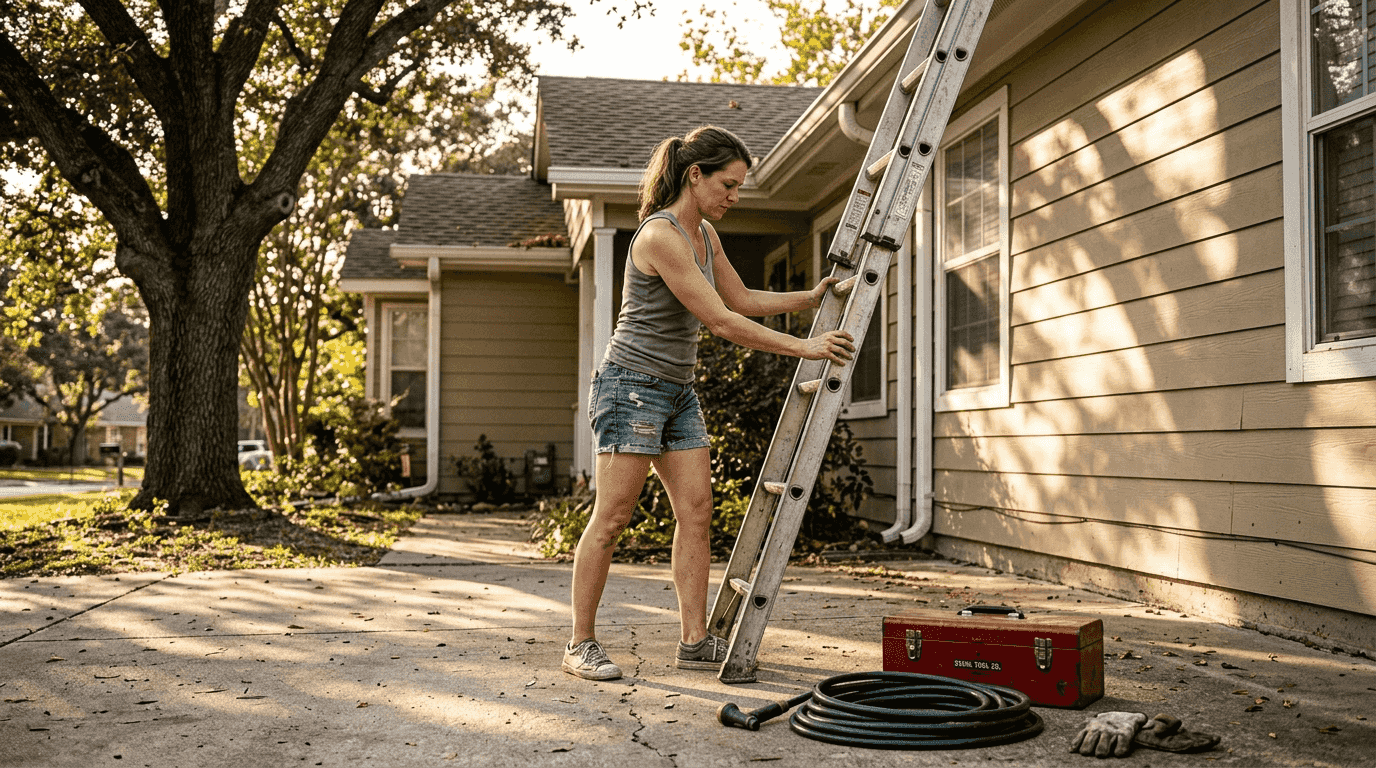
Safety comes first when working at heights. Safety precautions are critical due to the risks involved in roof maintenance, and falls cause thousands of injuries annually. Always work with a partner who can steady your ladder and call for help if needed. Never work during wet conditions or high winds, and avoid walking on brittle or damaged sections.
Pro Tip: Inspect your ladder thoroughly before each use, checking for cracks, loose rungs, or worn feet. Set it at the proper angle (one foot out for every four feet up) and secure the base to prevent shifting during your climb.
Timing your maintenance maximizes effectiveness and comfort. Spring and fall offer ideal conditions, with moderate temperatures and lower storm frequency. Avoid summer’s brutal heat and afternoon thunderstorms, which make roof work dangerous. Winter months work well too, though occasional cold snaps can make materials brittle.
| Tool | Purpose | Safety Note |
|---|---|---|
| Extension ladder | Access roof safely | Must extend 3 feet above roof edge |
| Safety harness | Fall protection | Anchor to secure structural point |
| Roofing cement | Seal cracks and flashing | Work in ventilated area |
| Stiff brush | Remove debris and growth | Brush away from body |
| Replacement shingles | Fix damaged areas | Match existing style exactly |
Understanding the roof maintenance process steps before starting helps you work efficiently and avoid mistakes. Create a checklist based on your roof’s specific needs and keep it handy during inspections.
Executing the residential roof maintenance process step-by-step
Your maintenance routine follows a logical sequence that builds from inspection to completion. This systematic approach ensures nothing gets overlooked and maximizes your time on the roof.
- Conduct a thorough roof inspection by walking carefully across all sections, looking for loose or missing shingles, cracked seals around vents and chimneys, and accumulated debris in valleys. Check for soft spots that indicate water damage underneath and examine flashing for rust or separation. Document everything with photos for your records and insurance purposes.
- Clean gutters and downspouts to ensure proper water flow away from your roof and foundation. Remove leaves, twigs, and sediment by hand or with a scoop, then flush with water to check drainage. Clear any blockages and verify downspouts direct water at least six feet from your home’s foundation.
- Address biological growth by applying a roof-safe cleaner to kill algae, moss, and mold. Let the solution sit for the recommended time, then gently scrub with a soft brush. Rinse thoroughly with low pressure water, working from ridge to eaves to prevent water from getting under shingles. Never use a pressure washer, as high pressure damages shingle granules.
- Inspect and repair flashing around all roof penetrations, as these areas leak most frequently. Check that metal flashing sits flat against surfaces without gaps or rust. Apply roofing cement to any separations and replace severely damaged flashing entirely. Pay special attention to chimney bases and vent pipes.
- Replace damaged shingles by carefully lifting the edges of surrounding shingles and removing nails from the damaged piece. Slide the new shingle into place, secure with roofing nails, and seal the edges with roofing cement. Match the nail pattern of existing shingles to maintain uniform appearance.
- Seal visible cracks in shingles, flashing, or around vents using roofing cement applied with a putty knife. Smooth the cement to create a watertight seal without creating lumps that trap debris. Small cracks caught early prevent major leaks later.
- Perform a final walkthrough to verify all repairs are complete and no tools or materials remain on the roof. Check that you haven’t created any new damage during maintenance and that all seals look uniform and professional.
Pro Tip: Conduct an extra inspection after every major storm, even if you don’t see obvious damage. Wind can loosen shingles without fully removing them, and catching these issues quickly prevents water intrusion during the next rain.
These precautions protect your roof during maintenance:
- Walk only on solid, undamaged sections and distribute your weight evenly
- Work from a stable position and never reach too far, which can cause loss of balance
- Keep tools secured in a bucket or belt to prevent them sliding off the roof
- Stop work immediately if weather conditions change or you feel unsafe
Following this 7 step roof maintenance checklist consistently keeps your roof in optimal condition. Regular inspections and timely minor repairs prevent major damage that requires expensive professional intervention.
Verifying maintenance effectiveness and when to call a professional
After completing maintenance, verification ensures your work actually solved existing problems. Wait for the next moderate rain and check your attic for new water stains or active drips. Inspect ceilings throughout your home for discoloration or bubbling paint that indicates leaks. Walk your property’s perimeter to confirm gutters drain properly without overflow or leaks at seams.
Monitor your roof’s condition seasonally, especially after severe weather. Spring and fall inspections catch damage from winter cold or summer heat before it worsens. After hurricanes or tropical storms, check for lifted shingles, damaged flashing, or debris impacts even if everything looks fine from the ground.
Certain situations demand professional expertise rather than DIY attempts:
- Structural damage like sagging roof sections or broken trusses requires engineering assessment
- Large leaks affecting multiple rooms indicate widespread problems beyond simple repairs
- Widespread shingle damage covering more than 30% of your roof suggests replacement needs
- Chimney or skylight leaks often involve complex flashing that needs expert installation
- Any repair requiring you to work in unsafe positions or weather conditions
“Attempting repairs beyond your skill level risks both personal injury and making damage worse. Professional roofers carry insurance, use proper safety equipment, and guarantee their work, protecting you from liability and ensuring lasting repairs.”
Professional roof inspections help detect hidden issues and protect your investment through trained eyes that spot subtle warning signs. Experts use thermal imaging to find moisture intrusion invisible to homeowners and can assess whether damage requires repair or replacement. Their experience with Central Florida’s specific challenges means they understand which problems will worsen quickly and which can wait.
Schedule professional inspections every three to five years even when you perform regular DIY maintenance. This provides an objective assessment of your roof’s overall health and catches issues developing beneath the surface. Many roofing companies offer free inspections, making this a low-cost way to gain peace of mind.
Knowing your limits protects both you and your home. Following a comprehensive roof repair process guide helps you understand when professional intervention becomes the smarter, safer choice.
Get expert roof maintenance and repair services in Central Florida
While DIY maintenance handles routine upkeep effectively, partnering with experienced professionals provides comprehensive protection for your home’s most important barrier. Thomas Roofing and Repair brings decades of Central Florida roofing expertise to every project, understanding exactly how regional weather challenges impact your roof’s performance.

Our team handles everything from minor repairs to complete roof installation in Horizon West FL, using high-quality materials designed for Florida’s demanding climate. We provide thorough inspections that identify potential problems before they become emergencies, saving you money and stress. Our roof repair services in Titusville and throughout Central Florida ensure your home stays protected year round.
Scheduling regular professional maintenance alongside your DIY efforts creates a complete protection strategy. Our roof maintenance guide 2026 offers additional insights into keeping your roof performing optimally. Contact us today for a free inspection and discover how professional care extends your roof’s lifespan while protecting your family and investment.
FAQ
How often should I inspect my residential roof in Central Florida?
Inspect your roof at least twice yearly, ideally in spring and fall when weather conditions are moderate. Additionally, conduct inspections after any major storm, hurricane, or severe weather event. These regular checks catch developing issues before they cause interior damage or require expensive repairs.
What tools do I need for safe roof maintenance at home?
Essential tools include a sturdy extension ladder rated for your weight, a safety harness with proper anchor points, non-slip work boots, heavy gloves, and eye protection. For repairs, you’ll need roofing cement, replacement shingles, a stiff brush, garden hose, and basic hand tools. Never attempt roof work without proper safety equipment.
When should I call a professional roofer instead of DIY maintenance?
Call professionals for structural damage, large leaks affecting multiple areas, widespread shingle damage, or any repair requiring unsafe working positions. Expert roofers handle complex flashing repairs around chimneys and skylights more effectively than DIY attempts. If you feel uncomfortable or uncertain about any repair, professional help prevents injury and ensures lasting solutions.
Can I perform roof maintenance during Florida’s rainy season?
Avoid roof work during active rain or when storms are forecast within the next few hours. Schedule maintenance during dry periods, typically early morning before afternoon thunderstorms develop. Working on wet roofs dramatically increases fall risk and prevents proper adhesion of roofing cement and sealants.
How long does proper maintenance extend my roof’s lifespan?
Regular maintenance can extend your roof’s lifespan by 5 to 10 years beyond the manufacturer’s expected duration. Catching minor issues early prevents accelerated deterioration that would otherwise require premature replacement. The cost of routine maintenance represents a fraction of replacement expenses, making it an excellent investment.
Recommended
- Roof Maintenance Guide 2026: Protect Your Florida Home
- 7 Essential Roof Maintenance Tips for Florida Homeowners
- 7 Step Roof Maintenance Checklist for Central Florida Homes
- Role of Roof Maintenance for Central Florida Homes
- Roofing Company Orlando, FL
- Roofing Company Titusville, FL
- Roofing Company DeLand, FL