
 407-408-0577
TL;DR:
- Durable roofing options like metal, slate, clay tile, and architectural shingles are essential for long-term property value and climate suitability. Matching material choice to local conditions, budget, and structural support maximizes lifespan and value; premium options often offer insurance discounts that offset higher costs. Proper maintenance further enhances durability, ensuring the roof performs well throughout its designated lifespan.
The most durable roofing options are metal, slate, clay tile, and architectural asphalt shingles, each offering distinct lifespans, maintenance profiles, and climate suitability that directly affect your property’s long-term value. Choosing the wrong material for your region costs you money twice: once at installation and again when premature failure forces early replacement. For homeowners and property managers in Central Florida and beyond, understanding the differences between these long-lasting roof types is the single most important decision you will make for your building envelope.
1. Metal roofing: the most reliable system for most climates
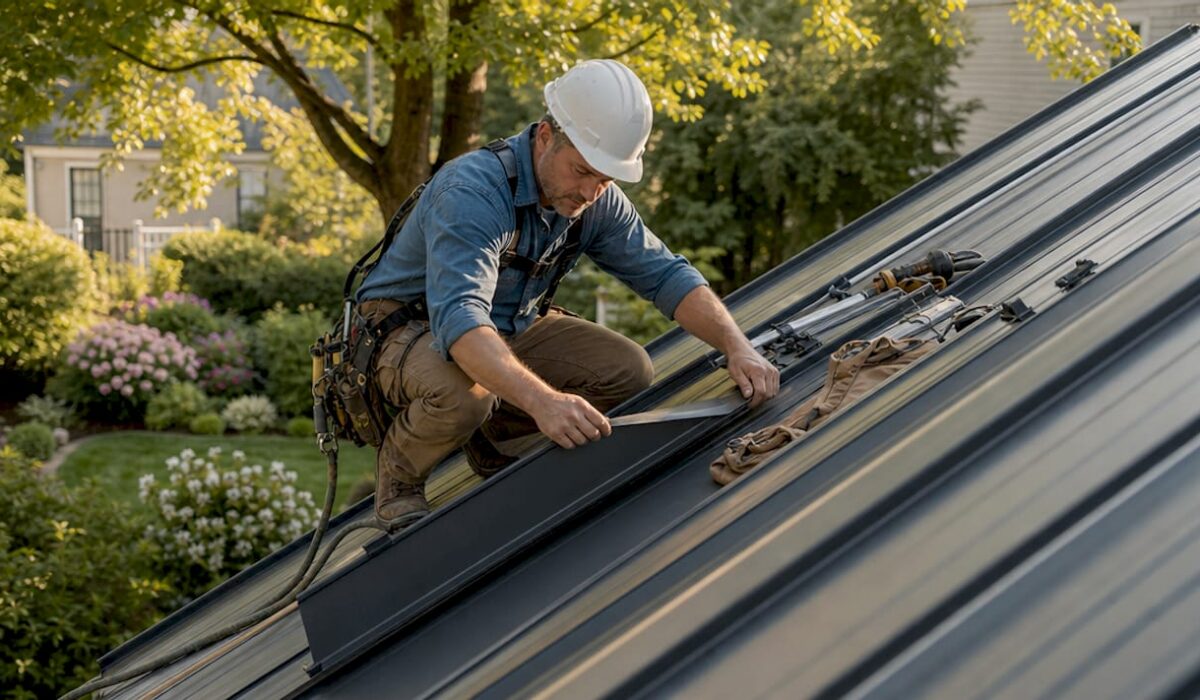
Metal roofing is the strongest roofing material available for homeowners who want maximum lifespan without constant maintenance. Standing seam metal roofs deliver 40 to 70 years of service life with low maintenance and excellent weather resistance. That lifespan is two to three times longer than standard asphalt shingles, which means one metal roof can outlast two or three replacements of a competing material.
The three most common metal options are steel, aluminum, and standing seam panels. Steel is the most affordable and widely available. Aluminum resists corrosion better in coastal environments. Standing seam panels, where the fasteners are hidden beneath interlocking seams, offer the best wind resistance of the three. Metal roofing typically costs $5 to $18 per square foot depending on design and quality, which places it above asphalt but well below slate.
Metal roofing also performs across climates in ways other materials cannot match. Standing seam panels meet or exceed 140 mph wind ratings, making them a strong choice for hurricane zones. In snow-heavy regions, the smooth panel surface sheds accumulation naturally, preventing ice dam damage. The reflective surface also reduces cooling loads in hot climates like Central Florida.
- Steel roofing: most affordable metal option, widely available
- Aluminum roofing: best corrosion resistance for coastal areas
- Standing seam: hidden fasteners, highest wind resistance
- Class A fire rating on all metal types
- Insurance discounts up to 28% available with Class 4 impact-resistant metal options
Pro Tip: Apply a reflective elastomeric coating to a metal roof every 10 to 15 years to extend its life and reduce heat absorption. For homes near busy roads, add a layer of insulation board beneath the panels to reduce the drumming sound during heavy rain.
2. Slate roofing: unmatched longevity for premium properties
Slate is the longest-lasting roofing material in residential construction, period. Natural slate roofing lasts 75 to 150 years, combining extreme durability with fire resistance and low maintenance. Some documented installations have exceeded 200 years of service life, a figure no manufactured material can match.
Slate comes in two primary varieties: hard slate from quarries in Vermont and Pennsylvania, which lasts up to 150 years, and soft slate from Virginia and New York, which typically lasts 50 to 125 years. The distinction matters when you are paying premium installation costs. Hard slate is worth the price difference for a property you plan to hold for generations. Soft slate still outperforms nearly every other roofing material on the market.
The practical limitations of slate are real. It is heavy, typically weighing 800 to 1,500 pounds per square (100 square feet), which means your roof structure may need reinforcement before installation. Installation requires specialized labor, and finding qualified slate roofers outside major metro areas can be difficult. The upfront cost reflects all of this. Despite the cost, slate roofs increase home value by 5 to 10 percent, which partially offsets the investment.
Slate is also impervious to salt air, making it one of the few premium materials equally suited to coastal locations, cold climates, and wildfire zones. A single material that performs across all three threat categories is genuinely rare.
- Hard slate: 100 to 150 year lifespan, Vermont and Pennsylvania quarries
- Soft slate: 50 to 125 year lifespan, lower upfront cost
- Class A fire rating, zero combustible material
- Requires structural reinforcement in most residential builds
- Best suited for historic homes, luxury properties, and long-term investments
3. Clay and concrete tile: durable roofing for warm climates
Clay and concrete tile roofing is the dominant choice across Florida, Texas, and California for good reason. Clay and concrete tiles last 50 to 100 years, offer excellent thermal insulation for warm climates, and carry a Class A fire rating. When properly installed, tile also withstands hurricane-force winds, which is why it remains the standard for Mediterranean, Spanish Colonial, and Mission-style homes throughout the Sun Belt.
The thermal mass of clay tile is one of its most underappreciated advantages. The curved profile of barrel tiles creates an air gap between the tile and the roof deck, which acts as natural insulation. This reduces heat transfer into the living space and cuts cooling costs during long Florida summers. Concrete tile offers similar performance at a lower price point, though it is heavier than clay and may require additional structural support.
The critical limitation of tile roofing is its vulnerability to freeze-thaw cycles. Tile roofs should be avoided in freeze-thaw climates because water that penetrates micro-cracks expands when frozen, accelerating failure. For Central Florida homeowners, this is not a concern. For property managers in northern states, tile is the wrong choice regardless of its other merits.
| Feature | Clay Tile | Concrete Tile |
|---|---|---|
| Lifespan | 75 to 100 years | 50 to 75 years |
| Weight | 600 to 1,000 lbs/square | 900 to 1,200 lbs/square |
| Cost per sq ft | $10 to $18 | $7 to $12 |
| Fire rating | Class A | Class A |
| Freeze-thaw suitability | Poor | Poor |
Pro Tip: If you are evaluating tile roofing for your home, have a structural engineer assess your roof deck load capacity before committing. Retrofitting structural support after the fact adds significant cost.
4. Architectural asphalt shingles: best value among durable roofing options
Architectural asphalt shingles are the recommended minimum standard for any new residential roof installation in the United States. Architectural shingles last 25 to 30 years with good wind and impact resistance, offering the best overall value for cost-conscious homeowners. The older 3-tab shingles they replaced last only 15 to 20 years, making the upgrade to architectural shingles a straightforward decision on both performance and economics.
The structural difference between 3-tab and architectural shingles explains the performance gap. Architectural shingles use multiple layers of asphalt laminated together, creating a thicker, heavier product that resists wind uplift and impact far better than single-layer 3-tab products. Many architectural shingle lines now carry Class 4 impact resistance ratings, which is the highest available designation and the threshold that triggers insurance premium discounts up to 28% in hail-prone regions.
Cost is where architectural shingles separate themselves from premium materials. At $3.50 to $7.50 per square foot, they cost a fraction of metal, slate, or tile. Homeowners who plan to sell within 15 years often find that architectural shingles deliver the best return on investment, recovering 60 to 70 percent of their cost at resale. For impact-resistant roofing in Central Florida, architectural shingles with Class 4 ratings are the most practical starting point for most budgets.
- 25 to 30 year lifespan vs. 15 to 20 years for 3-tab shingles
- Class 4 impact-resistant options available from manufacturers like GAF, Owens Corning, and CertainTeed
- Cost range: $3.50 to $7.50 per square foot installed
- 60 to 70 percent cost recovery at resale
- Available in hundreds of color and profile options
Pro Tip: When selecting architectural shingles, look for products with a Class 4 impact rating and a manufacturer warranty of at least 30 years. The warranty terms reveal more about actual product confidence than the marketing copy does.
5. Roofing durability comparison: lifespan, cost, and climate fit
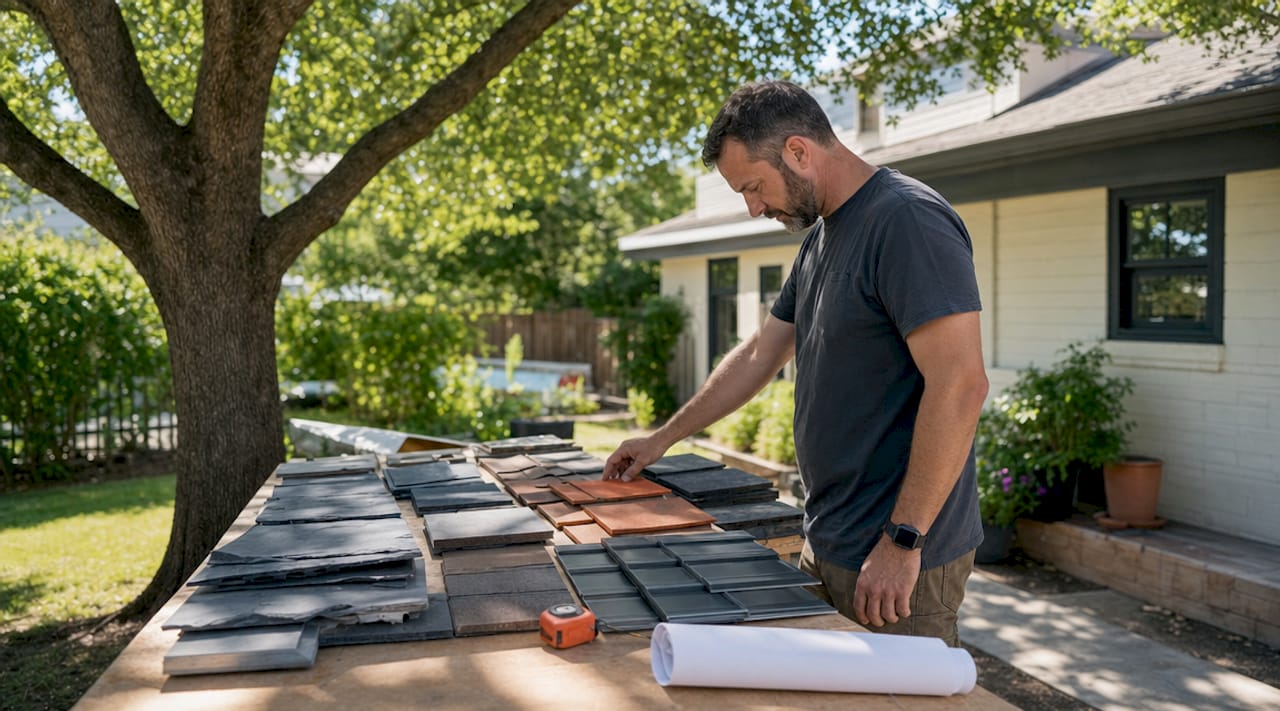
Selecting the right material requires matching durability to your specific conditions, not just choosing the longest lifespan on paper. Homeowners should prioritize roofing choice based on specific climate challenges rather than lifespan alone to maximize durability and cost-effectiveness. A 150-year slate roof installed in a freeze-thaw zone with inadequate structural support will fail long before a properly installed metal roof in the same location.
The table below summarizes the four materials covered in this article across the factors that matter most for your buying decision.
| Material | Lifespan | Cost per sq ft | Best climate | Maintenance |
|---|---|---|---|---|
| Standing seam metal | 40 to 70 years | $5 to $18 | All climates | Low |
| Natural slate | 75 to 150 years | $15 to $30 | Cold, coastal, wildfire | Very low |
| Clay/concrete tile | 50 to 100 years | $7 to $18 | Hot, dry, hurricane zones | Low to moderate |
| Architectural asphalt | 25 to 30 years | $3.50 to $7.50 | All climates | Moderate |
Insurance is a factor that most homeowners overlook during material selection. Class 4 impact-resistant materials, including qualifying metal panels and architectural shingles, deliver significant insurance premium discounts that add financial value well beyond the material’s durability alone. Over a 30-year period, those savings can offset a meaningful portion of the installation cost. For Florida homeowners specifically, wind mitigation credits tied to roofing material and installation method can reduce annual premiums by hundreds of dollars. Pairing the right material with a roof maintenance process extends that value further.
Key takeaways
The strongest roofing material for your property is the one that matches your climate, budget, and ownership timeline, not simply the one with the longest published lifespan.
| Point | Details |
|---|---|
| Metal roofing leads in versatility | Standing seam metal lasts 40 to 70 years and performs across all major climate types. |
| Slate offers the longest lifespan | Natural slate lasts 75 to 150 years and increases home value by 5 to 10 percent. |
| Tile excels in warm climates | Clay and concrete tile last 50 to 100 years but fail in freeze-thaw conditions. |
| Architectural shingles win on value | At $3.50 to $7.50 per square foot, they deliver 25 to 30 years with Class 4 impact options. |
| Climate match beats raw lifespan | Choosing material based on local conditions maximizes both durability and cost-effectiveness. |
What I’ve learned after years of roofing in Florida
The conversation I have most often with homeowners goes like this: they want slate because it lasts forever, but they live in a neighborhood where every house has a concrete tile roof. Both instincts are reasonable. Neither is wrong. But the right answer almost always comes down to what the structure can support, what the insurance company rewards, and what the local climate actually demands.
In Central Florida, the honest answer for most homeowners is tile or metal. Tile fits the architecture, handles the heat, and holds up against hurricane-season wind loads when installed correctly. Metal is the better call for anyone who wants to minimize long-term maintenance and maximize wind resistance without worrying about cracked tiles after a storm. Architectural shingles remain the right choice when budget is the binding constraint, especially with a Class 4 impact rating that earns insurance credits.
What I push back on is the idea that a longer lifespan automatically justifies a higher price. Slate is extraordinary, but if your roof deck cannot support 1,000 pounds per square and you are not planning to stay in the home for 40 years, you are paying for a feature you will never use. Match the material to your actual situation. Then maintain it. A well-maintained Florida roof will always outperform a neglected premium one.
The emerging category worth watching is synthetic slate and shake, made from rubber, plastic composites, or fiber cement. Products from manufacturers like DaVinci Roofscapes and Brava Roof Tile offer 50-year warranties, Class 4 impact ratings, and a fraction of the weight of natural stone. They are not yet as proven as the materials covered here, but the trajectory is strong.
— Thomasroofingandrepair
Ready to upgrade your roof with materials built to last?
Thomasroofingandrepair serves homeowners and property managers across Brevard, Volusia, and Orange counties with expert installation of metal, tile, and architectural shingle systems built for Florida’s demanding climate. Whether you are replacing an aging roof or recovering from storm damage, the team brings the craftsmanship and material knowledge to get it right the first time.

Explore durable, storm-ready roofing options backed by Thomasroofingandrepair’s proven installation process, or request a free estimate to find out which material fits your home, budget, and insurance goals. If a storm has already done damage, the emergency repair workflow gets your roof protected fast. You can also review roofing materials for Central Florida to compare options specific to your county and climate zone.
FAQ
What is the strongest roofing material available?
Natural slate is the strongest and longest-lasting roofing material, with documented lifespans beyond 150 years and a Class A fire rating. For most homeowners, standing seam metal offers comparable durability with lower installation costs and broader climate suitability.
How long do the most durable roofing options last?
Lifespan varies by material: slate lasts 75 to 150 years, clay and concrete tile lasts 50 to 100 years, metal roofing lasts 40 to 70 years, and architectural asphalt shingles last 25 to 30 years.
Are durable roofing materials worth the higher upfront cost?
Yes, in most cases. Premium materials like metal and tile reduce replacement frequency, lower maintenance costs, and can qualify for insurance premium discounts up to 28% with Class 4 impact ratings, improving total cost of ownership over time.
Which roofing material is best for Florida’s climate?
Clay tile, concrete tile, and standing seam metal are the top choices for Florida. All three carry Class A fire ratings, withstand hurricane-force winds when properly installed, and handle the heat and humidity that degrade asphalt shingles faster in the Southeast.
Do durable roofs increase home resale value?
Slate roofs increase home value by 5 to 10 percent, and architectural shingles recover 60 to 70 percent of their cost at resale. Metal and tile roofs also add value by reducing buyer concerns about near-term replacement costs.