
TL;DR:
- Roof lifespan varies from 15 to 100 years depending on material and conditions, influencing replacement timing and maintenance needs. Proper installation, climate factors, and routine upkeep significantly extend a roof’s service life, with proactive inspections recommended before severe weather events. Planning replacements at 75–85% of the expected lifespan helps avoid costly damage, emphasizing the importance of local expertise and regular maintenance.
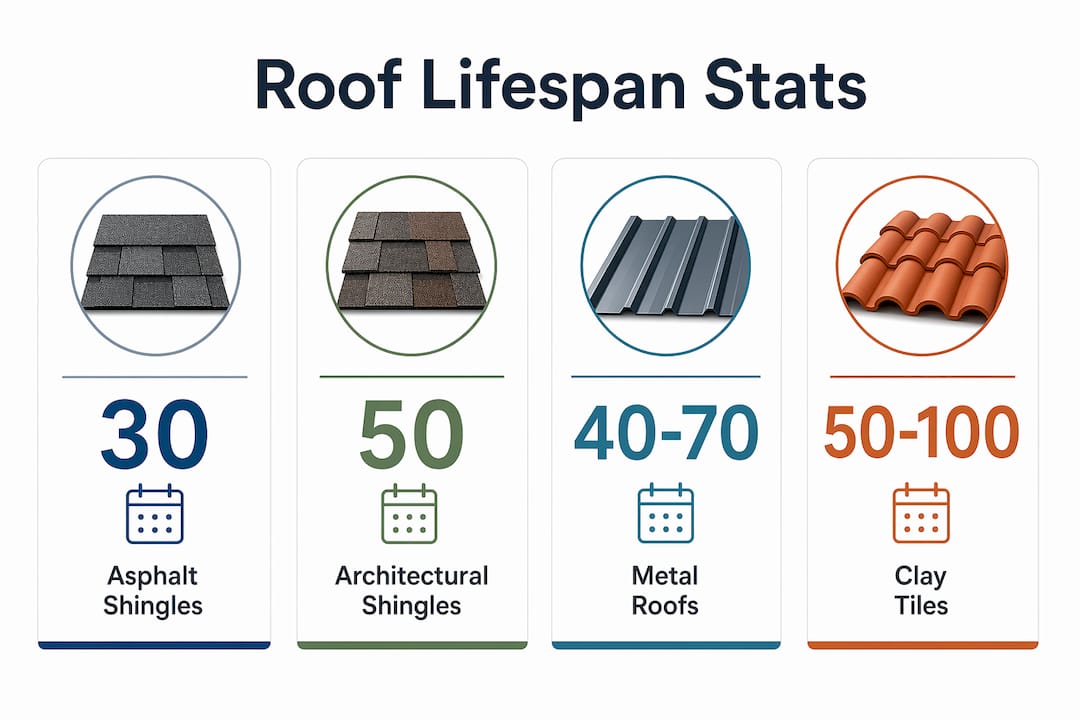
Roof lifespan is defined as the number of years a roofing system remains structurally sound and weather-protective before requiring full replacement. The range is wide: a basic 3-tab asphalt shingle roof may last 15–20 years, while a slate or clay tile roof can perform for 50–100 years under the right conditions. Knowing your roof’s expected service life is not optional. It determines when to budget for replacement, what maintenance to prioritize, and whether a repair is worth the cost or just delaying the inevitable.
How long do roofs last by material type?
The average roof lifespan depends almost entirely on what the roof is made of. Material choice sets the ceiling on durability, but installation quality and local climate determine whether a roof reaches that ceiling or falls short of it.
Here is how the most common roofing materials compare:
| Material | Average Lifespan | Relative Cost | Best Use Case |
|---|---|---|---|
| 3-Tab Asphalt Shingles | 15–20 years | Low | Budget-conscious residential |
| Architectural Asphalt Shingles | 25–30+ years | Moderate | Most residential homes |
| Metal Standing Seam | 40–70 years | High | Long-term investment properties |
| Clay or Concrete Tile | 50–100 years | High | Florida and Southwest climates |
| Slate | 75–100+ years | Very High | Historic or premium homes |
| TPO / EPDM / PVC (Flat) | 15–30 years | Moderate | Commercial and low-slope roofs |
Architectural asphalt shingles are the most common choice for residential homes in Central Florida. They offer a reasonable balance of cost and durability, though coastal climates can shorten these lifespans by 5–15 years compared to inland installations. That matters significantly in Brevard and Volusia counties, where salt air and hurricane-force winds are real variables.
Metal roofing, specifically standing seam systems, lasts 40–70 years and handles Florida’s UV exposure and storm seasons better than most alternatives. Clay tile is the other strong performer in the region, with a potential lifespan of 50–100 years. The tradeoff is upfront cost and structural load requirements. Flat roof membranes like TPO and EPDM are standard on commercial buildings and additions, with lifespans of 15–30 years depending on maintenance frequency.
Pro Tip: If you are choosing a new roof material, factor in your planned ownership horizon. A 25-year architectural shingle makes sense if you plan to sell in a decade. A metal or tile roof makes more sense if you are staying long-term.
What factors affect roof longevity beyond material?
Material type sets the baseline, but several other factors determine whether your roof reaches its expected lifespan or falls short by a decade.
Installation quality
Poor installation reduces lifespan by 8–15 years. That is not a minor variance. Improper nail placement, skipped underlayment, and misaligned flashing all create failure points that no amount of maintenance can fix. The contractor you hire matters more than the brand of shingles you choose. Proper flashing and nail placement are the two most common areas where substandard work shows up years later as leaks or lifted sections.
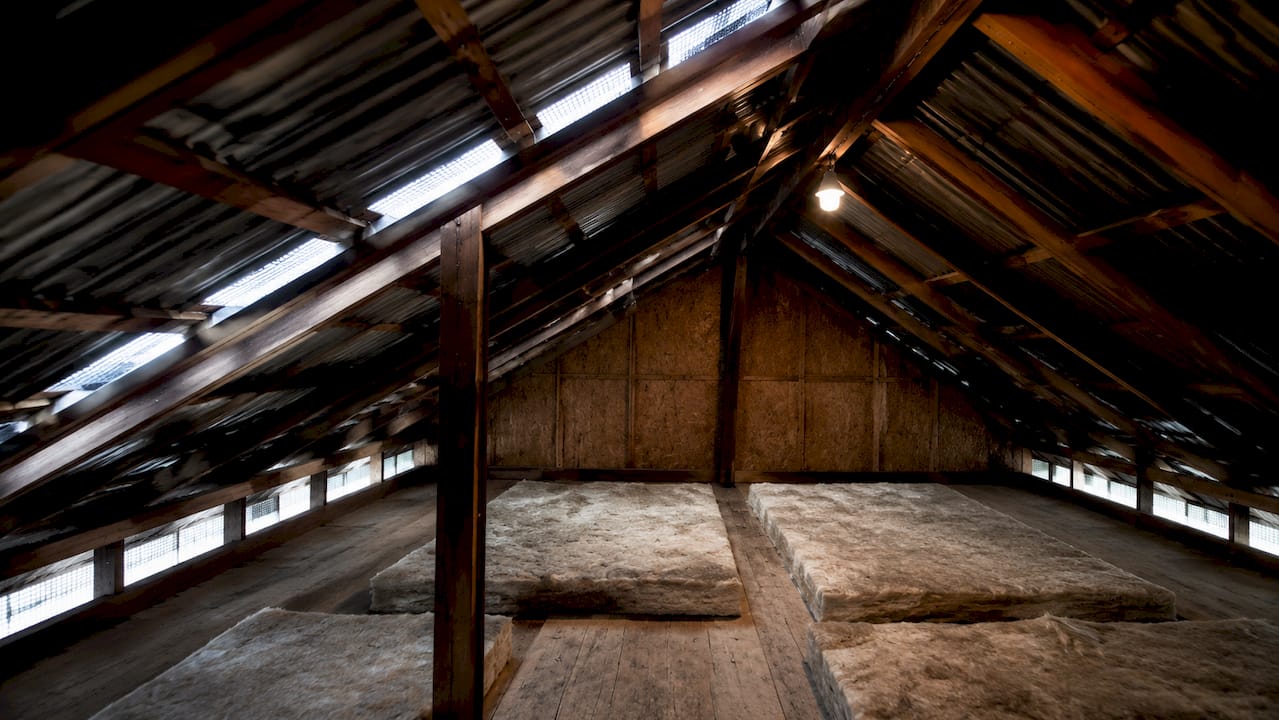
Attic ventilation
Poor attic ventilation is the second most significant factor in premature roof failure after installation quality. When heat and moisture build up in an unventilated attic, they degrade shingles from the underside and rot the roof deck. Improper ventilation can also void manufacturer warranties, which means you lose both the roof and the coverage you paid for.
Climate and environmental stress
Central Florida homeowners face a specific combination of stressors: intense UV radiation, high humidity, salt air near the coast, and annual hurricane season. Localized climate factors like these can shave 5–15 years off manufacturer-rated lifespans. A shingle rated for 30 years in Ohio may realistically last 22–25 years in Orlando. Manufacturer warranties are written for average conditions, not Florida summers.
Routine maintenance
Annual maintenance can extend roof life by 20–60%, and routine inspections alone can add 5–10 years to a roof’s service life. That is a significant return on a relatively small investment. Cleaning gutters, clearing debris from valleys, and fixing minor flashing issues each season prevents small problems from becoming structural ones.
Key roof longevity factors to monitor annually include:
- Gutter condition and drainage flow
- Flashing integrity around chimneys, vents, and skylights
- Debris accumulation in roof valleys
- Moss or algae growth on shingles
- Attic moisture levels and ventilation performance
Pro Tip: Schedule a professional roof inspection after every major storm. Wind and hail damage is often invisible from the ground but accelerates aging significantly.
What are the signs of roof wear and aging?
Recognizing signs of roof wear early is the difference between a repair bill and a full replacement. Most homeowners wait until water appears inside the house, but by that point, protection failure has often been ongoing for months or longer.
Here are the clearest indicators that your roof is aging or damaged:
- Granule loss in gutters. Asphalt shingles shed granules as they age. Finding significant granule buildup in your gutters signals that shingles are past their prime and losing UV protection.
- Curling or cupping shingles. Shingles that curl upward at the edges or cup in the center are no longer lying flat. They cannot shed water properly and are vulnerable to wind lift.
- Cracked or missing shingles. Individual cracked shingles can be replaced. Widespread cracking across multiple sections points to systemic aging.
- Sagging rooflines. A sagging section indicates structural issues, often rotted decking or compromised rafters. This requires immediate professional evaluation.
- Interior water stains or musty odors. Brown ceiling stains or a persistent musty smell in upper rooms signal active moisture intrusion. The leak source is often not directly above the stain.
Normal wear vs. functional damage
Cosmetic wear differs from functional damage, and confusing the two leads to either unnecessary panic or dangerous delay. Uniform fading, minor surface oxidation, and slight granule loss over a large area are normal aging. Missing shingles, lifted flashing, or any condition that interrupts water shedding is functional damage requiring prompt attention.
Systemic wear patterns in valleys and flashing areas are different from uniform surface aging. Concentrated deterioration in these zones points to structural stress points, not just age. Focus your inspections there first.
Pro Tip: Do not wait for a ceiling stain to call a roofer. A professional inspection costs far less than repairing water-damaged insulation, drywall, and framing.
How to extend your roof’s service life
Maximizing your roof’s service life does not require expensive interventions. Consistent, low-cost maintenance prevents the compounding damage that shortens roofs prematurely. Use this roof maintenance guide as your baseline framework.
Follow these steps twice a year, ideally in spring and fall:
- Inspect from the ground with binoculars. Look for missing shingles, lifted flashing, sagging sections, and visible granule loss. You do not need to climb the roof for a basic visual check.
- Clean all gutters and downspouts. Clogged gutters back up water under the roof edge, accelerating rot in the fascia and decking. Clear them every season, especially after storms.
- Remove debris from roof valleys. Leaves and branches trap moisture in valleys, which are already the most water-stressed areas of any roof. Keep them clear.
- Check and reseal flashing. Flashing around chimneys, vents, and skylights is the most common leak source. Look for gaps, rust, or lifted edges and reseal with roofing caulk as needed.
- Trim overhanging branches. Tree limbs that touch or overhang the roof deposit debris, create abrasion damage, and give pests a path onto the roof.
- Schedule a professional inspection every 1–2 years. A trained roofer sees what a homeowner cannot. Use the Central Florida maintenance checklist to prepare for what your inspector should cover.
Florida homeowners should add one extra step: check for algae and moss growth after the rainy season. The humidity and heat in Central Florida accelerate biological growth on shingles, which holds moisture and degrades the surface faster than normal weathering.
Key takeaways
Roof lifespan is determined by material type, installation quality, climate exposure, and maintenance frequency, with the biggest gains coming from proper installation and consistent upkeep.
| Point | Details |
|---|---|
| Material sets the baseline | Asphalt shingles last 15–30 years; metal and tile can reach 50–100 years. |
| Installation quality is critical | Poor installation reduces lifespan by 8–15 years regardless of material quality. |
| Climate shortens manufacturer ratings | Florida’s UV, humidity, and salt air can cut 5–15 years off rated lifespans. |
| Early signs prevent costly repairs | Granule loss, curling shingles, and sagging are signals to act before leaks appear. |
| Proactive replacement saves money | Planning replacement at 75–85% of expected lifespan avoids secondary structural damage. |
What i’ve learned about timing roof replacement
Most homeowners treat roof replacement as a crisis response. A leak appears, panic sets in, and decisions get made under pressure. That is the most expensive way to replace a roof.
Planning replacement at 75–85% of expected lifespan is the smarter approach. On a 25-year architectural shingle roof, that means evaluating replacement around year 19–21, not year 25. By that point, you have time to compare contractors, choose materials without urgency, and schedule work during off-peak season when pricing is more favorable.
The other thing most articles get wrong is the weight they give manufacturer warranties. A 30-year warranty is a marketing figure, not a field prediction. Local climate data from contractors who work your specific region is more reliable than any warranty document. A roofer who has replaced hundreds of roofs in Brevard County knows exactly how long a given shingle performs in that environment. That knowledge is worth more than a manufacturer’s printed number.
The uncomfortable truth is that waiting until catastrophic failure can double your total repair costs. Rotted rafters, mold remediation, and damaged insulation are not covered by most roofing warranties. They are the price of delay. The homeowners who come out ahead financially are the ones who treat their roof like a scheduled maintenance item, not an emergency fund drain.
— Thomasroofingandrepair
How Thomasroofingandrepair helps you get more from your roof
If you are trying to figure out where your roof stands, or whether a repair or replacement makes more sense right now, Thomasroofingandrepair works with homeowners across Brevard, Volusia, and Orange counties to answer exactly those questions.

Thomas Roofing and Repair specializes in durable, storm-ready roofing built for Central Florida’s specific climate demands. From full inspections and targeted repairs to complete roof replacement in Maitland and surrounding areas, the team brings the field experience to give you an honest assessment, not a sales pitch. If your roof is approaching the end of its expected service life, the best time to get a professional opinion is before a storm makes the decision for you. Request a free estimate and know exactly where you stand.
FAQ
What is the average roof lifespan for most homes?
The average roof lifespan for most American homes is 20–30 years for asphalt shingles, which are the most common roofing material. Premium materials like metal or slate can last 50–100+ years depending on climate and maintenance.
How do i know when my roof needs replacing?
Curling or missing shingles, granule loss in gutters, sagging rooflines, and interior water stains are the clearest signs a roof is nearing end of life. A professional inspection confirms whether repair or full replacement is the right call.
Does climate affect how long a roof lasts?
Yes. Localized stressors like UV radiation, salt air, and freeze-thaw cycles can reduce a roof’s lifespan by 5–15 years compared to manufacturer ratings. Florida homeowners should use local field data, not warranty documents, to estimate realistic service life.
Can regular maintenance actually extend my roof’s lifespan?
Routine maintenance can extend roof life by 20–60%, and inspections alone can add 5–10 years to a roof’s service life. Cleaning gutters, clearing debris, and fixing minor flashing issues each season prevents compounding damage.
When is the right time to plan a roof replacement?
Plan replacement at 75–85% of your roof’s expected lifespan to avoid secondary damage like rotted rafters or mold. Waiting until a leak appears can double total repair and remediation costs.