
 407-408-0577
TL;DR:
- A high-quality roof is essential for Central Florida homeowners to withstand hurricanes, UV exposure, and storms effectively. Proper material selection, expert installation, and routine maintenance significantly extend roof lifespan and protect your investment. Choosing licensed, experienced contractors over low bids reduces costly repairs caused by poor workmanship and shortcuts.
Your roof is the single most expensive exterior component of your home, and in Central Florida, where hurricane-force winds, daily UV exposure, and torrential afternoon storms are facts of life, a low-quality roof doesn’t just underperform. It fails catastrophically and expensively. Storm damage repairs in Florida can easily run tens of thousands of dollars, and a significant portion of those losses trace back to poor material choices or substandard installation. Knowing exactly what separates a roof that lasts 30 years from one that buckles in its first serious storm is the smartest investment a Central Florida homeowner can make before ever signing a contract.
Table of Contents
- How to evaluate roofing quality: Essential criteria
- Top roofing materials and their performance in Central Florida
- The role of roof craftsmanship: Installation and inspection standards
- Maintenance and longevity: Keeping your roof quality strong
- Quick comparison: What matters most for your roof’s quality?
- Why shortcuts in roofing lead to bigger problems
- Protect your home with quality roofing solutions
- Frequently asked questions
Key Takeaways
| Point | Details |
|---|---|
| Weather resistance matters | Choose materials and installation methods designed for storms and high heat. |
| Professional installation counts | Quality craftsmanship prevents leaks and major repairs down the line. |
| Routine maintenance is vital | Regular roof inspections and upkeep significantly extend roof life and performance. |
| Don’t cut corners | Invest in durable materials and skilled pros to avoid hidden costs and early replacements. |
How to evaluate roofing quality: Essential criteria
With the stakes set, let’s break down the key criteria for quality roofing every Central Florida homeowner should know.
Roofing quality isn’t a single measurement. It’s a combination of factors that work together to protect your home against everything Central Florida’s climate throws at it. When you’re evaluating a new roof, a repair estimate, or even an older home purchase, keep these core criteria in mind.
The core quality markers every homeowner should assess:
- Weather resistance: The roof must handle winds exceeding 130 mph during hurricane season, plus relentless UV radiation that degrades lesser materials within five to seven years.
- Material integrity: Look for roofing products rated by recognized standards. Asphalt shingles should carry Class 4 impact ratings; metal panels need verified gauge thickness.
- Installation skill: Even premium materials fail when improperly installed. Flashing, underlayment, and fastening patterns all matter enormously.
- Energy efficiency: Reflective materials and adequate ventilation reduce cooling costs, which is significant in Central Florida’s near-year-round heat.
- Warranty coverage: A manufacturer’s warranty covers defective materials, but a workmanship warranty from your contractor covers the labor. You need both.
- Maintenance requirements: Some materials demand less annual upkeep than others. Knowing that upfront prevents surprise costs later.
Part of maintaining any of these quality markers over time is committing to a consistent roof maintenance process that catches minor issues before they escalate. And when it comes to installation, the skill level of the crew matters just as much as the shingles they place. Choosing professional roofers with verifiable experience in Florida conditions is non-negotiable.
Quality roofing also plays a broader role in home ownership. As part of maintaining your home’s exterior through seasonal changes, the roof is your first and most critical line of defense.
Pro Tip: Ask any roofing contractor for their Florida license number and verify it through the state’s licensing board before signing anything. Unlicensed work voids manufacturer warranties and puts your insurance claim at risk.
Top roofing materials and their performance in Central Florida
Now that you know what to look for, it’s time to consider how different materials stack up for Central Florida homes.
Not every material is suited for this region. What works in Minnesota winters doesn’t translate to a subtropical climate where you’re fighting humidity, mold spores, extreme UV, and annual storm seasons. Here’s how the major options compare.
| Material | Average lifespan | Wind resistance | Heat performance | Cost range (per sq.) |
|---|---|---|---|---|
| Asphalt shingles | 15 to 25 years | Up to 130 mph | Moderate | $90 to $150 |
| Concrete tile | 40 to 50 years | Up to 150 mph | Excellent | $200 to $350 |
| Clay tile | 50 to 100 years | Up to 150 mph | Excellent | $250 to $500 |
| Metal (standing seam) | 40 to 70 years | Up to 160 mph | Excellent (reflective) | $300 to $600 |
| Modified bitumen (flat) | 15 to 20 years | Good with proper sealing | Moderate | $150 to $250 |
What this means in practice for your home:
- Asphalt shingles are the most affordable upfront option and easy to repair, but they degrade faster under Florida’s UV exposure. They’re a reasonable choice for budget-conscious homeowners who plan to resell within 15 years.
- Concrete and clay tile handle heat and storms exceptionally well, and they’re visually dominant in Florida neighborhoods. The trade-off is weight. Older homes sometimes need structural reinforcement before tile can be added.
- Metal roofing is arguably the best all-around performer in Central Florida. Its reflective surface lowers cooling costs, it sheds water instantly, and it can outlast the mortgage on most homes. The higher upfront cost typically pays back within 10 to 15 years through energy savings and avoided replacements.
- Modified bitumen and flat roof systems work well for commercial buildings and home additions but need meticulous sealing and more frequent inspections to stay watertight.
When you’re narrowing down your choice, review the specifics of choosing roofing materials for this climate and look at real roofing material examples from homes in Brevard, Volusia, and Orange counties to see how each option ages in real conditions.
Pro Tip: Ask your roofer for product data sheets on any material they propose. Legitimate contractors supply these without hesitation. If they can’t produce them, that’s a red flag worth acting on.
The role of roof craftsmanship: Installation and inspection standards
With materials and criteria clear, don’t overlook the importance of how your roof is installed and maintained.
Material quality accounts for roughly half of a roof’s performance. The other half is pure craftsmanship. A poorly installed premium roof will leak before a well-installed mid-grade one. That’s not opinion. It’s what roofing professionals see repeatedly when they’re called in to diagnose failures on “new” roofs.
What a quality installation looks like step by step:
- Site preparation: Old materials are fully stripped to the deck so the crew can inspect for soft spots, rot, or structural damage before a single new shingle goes down.
- Deck repair: Any damaged sheathing is replaced. Skipping this step is the single most common shortcut that leads to premature failure.
- Underlayment installation: A quality waterproof barrier goes down first. In Florida, synthetic underlayment is preferred over felt paper because it resists humidity and doesn’t wrinkle under heat.
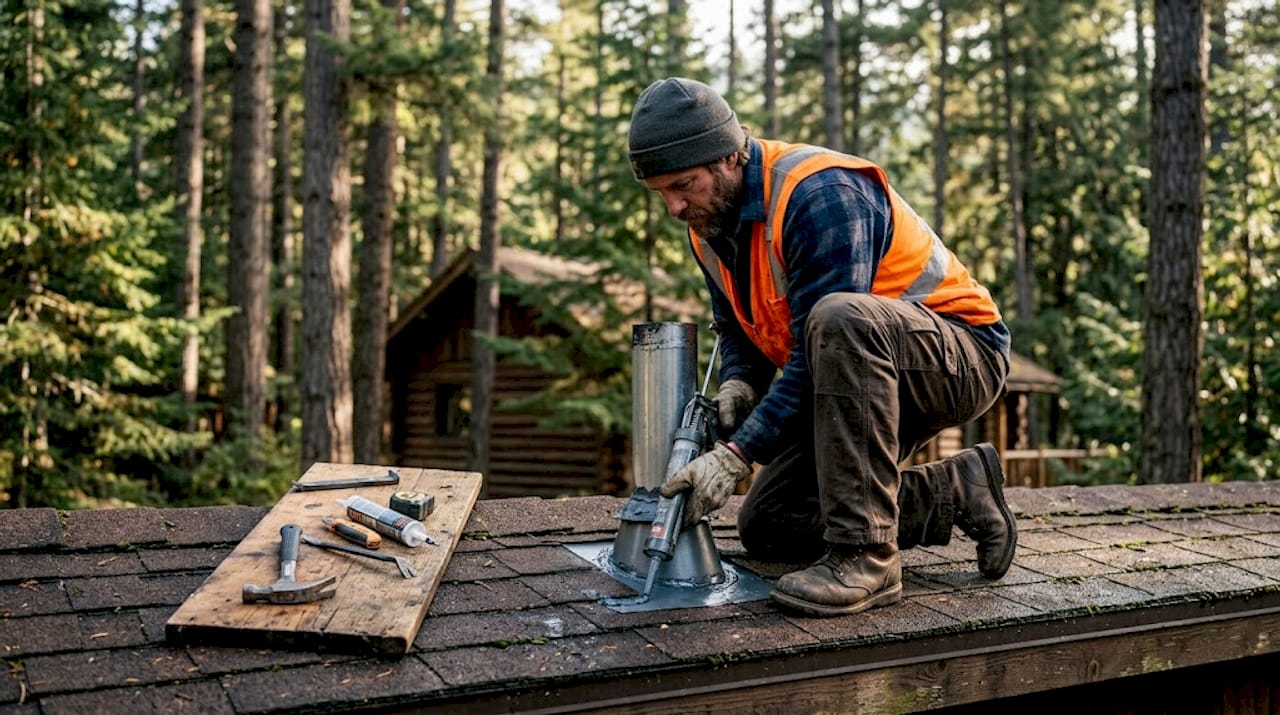
- Proper flashing: Metal flashing is sealed at every joint, valley, vent pipe, chimney, and wall intersection. Flashing failures cause the majority of residential roof leaks.
- Ventilation check: Ridge vents, soffit vents, and attic airflow paths are verified. Poor ventilation creates heat buildup that degrades shingles from the inside out, dramatically shortening roof life.
- Final inspection: A thorough walkthrough checks for exposed fasteners, uneven rows, missing sealant, and any areas that need correction before the crew leaves the site.
“The difference between a 15-year roof and a 30-year roof is rarely the shingles. It’s almost always the prep work, the flashing, and whether anyone checked the ventilation.” That’s the experience-based reality that separates one-time repair calls from lasting results.
Understanding roof craftsmanship essentials helps you ask the right questions before any crew starts work on your home. Don’t be afraid to ask for the step-by-step breakdown of what your installation includes. A reputable contractor will walk you through it without hesitation.
Maintenance and longevity: Keeping your roof quality strong
Quality roofing doesn’t stop at installation; ongoing care determines long-term value.
A brand-new roof can deteriorate rapidly without proper maintenance. Central Florida’s climate is particularly aggressive. Mold and algae thrive in the humidity, debris accumulates in valleys after heavy rains, and the UV exposure between storms breaks down sealants faster than in cooler climates. The good news is that routine maintenance is affordable and genuinely extends roof life.
Maintenance tasks that protect your roof’s performance:
- Clear gutters and downspouts every three months, and after every major storm event
- Trim overhanging tree branches that deposit debris and trap moisture against the surface
- Inspect flashing and sealants around all penetrations at least twice yearly
- Check the attic for signs of moisture, staining, or light gaps after heavy rain
- Remove algae and mold growth promptly using approved low-pressure washing methods
- Address any missing or cracked shingles immediately, before the next storm season
| Maintenance task | Recommended frequency | DIY or professional? |
|---|---|---|
| Gutter cleaning | Every 3 months | DIY-friendly |
| Visual roof inspection | Twice yearly plus after storms | Either |
| Professional inspection | Once yearly | Professional |
| Sealant and flashing check | Annually | Professional recommended |
| Algae and moss treatment | As needed | Either |
| Full maintenance tune-up | Every 2 years | Professional |
Roofs that receive consistent annual maintenance last significantly longer than those that are ignored between replacements. Florida homeowners who skip routine inspections often discover minor flashing gaps have quietly allowed moisture into the decking for months before any visible interior symptom appears. By that point, the repair scope and cost have grown substantially. A detailed roof maintenance guide built specifically for Florida conditions gives you a seasonal framework that’s easy to follow year-round.
Pro Tip: Schedule your annual professional inspection in early spring, before hurricane season officially begins on June 1. That way, any repairs are done before the storms arrive, and you won’t be competing with every other homeowner for a roofer’s calendar in late August.
Quick comparison: What matters most for your roof’s quality?
Let’s recap by laying out the essential elements side by side for an easy decision framework.
Every roofing decision involves trade-offs between cost, durability, and maintenance demand. This table cuts through the noise.
| Quality element | Why it matters | Impact if ignored |
|---|---|---|
| Material grade | Higher-grade materials resist UV, wind, and moisture longer | Premature cracking, granule loss, and early replacement |
| Installation technique | Correct prep, flashing, and fastening create a watertight seal | Leaks, decking rot, and void warranties |
| Ventilation | Balanced airflow prevents heat and moisture damage | Shingle blistering, mold growth, and structural damage |
| Annual maintenance | Catches small problems before they become expensive ones | Accelerated aging and surprise repair costs |
| Warranty terms | Confirms material and labor accountability | No recourse when failures happen |
| Storm preparedness | Proper materials and installation withstand hurricane-level winds | Catastrophic failure and insurance claim complications |
The key takeaway on longevity: Research consistently shows that well-maintained roofs can last up to 50% longer than neglected ones of identical material. That means a metal roof expected to last 40 years under normal conditions could reach 60 years with proper upkeep. Conversely, an asphalt roof rated for 20 years might need full replacement in 10 if it receives no maintenance attention in Florida’s demanding climate.
The decision framework is simple: choose the best material your budget allows, hire a licensed and experienced installer, commit to a maintenance schedule, and document everything for warranty purposes.
Why shortcuts in roofing lead to bigger problems
Here’s a perspective that might be uncomfortable but needs to be said plainly. When a homeowner chooses the lowest bid they receive, they are almost never choosing the best value. They’re choosing the least visible risk. And in roofing, risk that isn’t visible on installation day shows up as a soaked ceiling on the first night of a hard summer storm.
We’ve seen this pattern repeatedly across Central Florida. A homeowner gets three quotes. The lowest bid comes in 30 or 40 percent below the others. It sounds like savings, but what’s actually being priced out is preparation time, quality underlayment, proper flashing work, and sometimes even licensed labor. The roof looks fine on the outside. It passes a casual visual check. Then 18 months later, a moderate tropical storm reveals that the valley flashing was never properly sealed and water has been working its way into the decking since day one.
The repair bill at that point often exceeds what would have been spent choosing a qualified contractor from the start. More importantly, the homeowner now faces remediation for moisture damage in the attic, possible mold treatment, and a deck replacement before the new roof can even go down. The “savings” turned into a penalty.
Quality over cost isn’t a marketing phrase. It’s a literal financial reality for Florida roofing. Experienced contractors who hold proper Florida licensure, carry full insurance, and use manufacturer-certified materials cost more upfront for a real reason. They’re not cutting the steps that keep your roof intact through a Category 2 storm.
The value of experienced roofers isn’t abstract. It’s the difference between a roof that performs as promised for decades and one that quietly fails while you’re unaware. If a quote seems dramatically lower than the others, ask specifically what it excludes. The answer will tell you everything.
Protect your home with quality roofing solutions
Choosing quality materials, skilled installation, and committing to regular maintenance are the three pillars that keep a Central Florida roof performing at its best through decades of heat, humidity, and storm seasons.

At Thomas Roofing and Repair, we specialize in roofing services built specifically for Brevard, Volusia, and Orange County homeowners. From detailed storm damage repair guidance to full roof installation in Horizon West and ongoing essential roof maintenance support, our team delivers the craftsmanship and accountability that protects your investment. Contact us for a free estimate and find out exactly what your roof needs to perform for the long haul.
Frequently asked questions
What roofing material lasts longest in Central Florida?
Metal and high-quality clay or concrete tile roofs deliver the longest service life in Florida’s hot, storm-prone climate, especially when installed by a licensed contractor with documented experience in local conditions.
How can I tell if my roof was installed correctly?
Look for straight, even shingle rows, fully sealed flashing at all joints and penetrations, and no exposed fasteners. A professional post-installation inspection confirms everything meets code and manufacturer specs.
How often should I inspect or maintain my roof in Central Florida?
Inspect your roof at least twice per year and after any significant storm event. Annual professional inspections are strongly recommended to catch hidden issues like flashing gaps or early moisture infiltration.
Do warranties guarantee roofing quality?
A manufacturer’s warranty covers defective materials, but workmanship quality depends on the installer. Always secure a separate contractor workmanship warranty and keep documentation of all maintenance performed.
Is storm damage repair always an emergency?
Even damage that looks minor should be addressed quickly. Small gaps in flashing or missing shingles allow moisture intrusion that compounds fast in Florida’s humidity, turning a minor repair into a major restoration project.