You’ve just paid thousands for a new roof, and the contractor proudly hands you a “lifetime warranty.” You feel secure, protected. But what if that warranty is far less valuable than you think? Many Central Florida homeowners discover too late that warranties come with fine print, proration schedules, and denial rates that can leave them financially exposed. Understanding what roofing warranties truly cover, and what they don’t, is essential to making informed decisions about your home’s protection and your investment’s longevity.
Table of Contents
- Understanding Roofing Warranties: Coverage, Terms, And Myths
- The Role Of Quality Installation Versus Warranty Promises
- Warranty Claim Realities And The Importance Of Roof Maintenance
- Comparing Roofing Warranties: Types, Coverage, And What To Expect
- Protect Your Home With Expert Roof Installation And Repairs
Key takeaways
| Point | Details |
|---|---|
| Warranties vary significantly | Coverage duration and conditions differ widely between manufacturer, workmanship, and prorated warranties. |
| Proration reduces payouts | The longer you own your roof, the less financial protection your warranty provides, often dropping to 10-15% by year 25. |
| Installation quality matters most | Expert installation and material choice protect your roof more effectively than warranty documents alone. |
| Claim denials are common | Flat roofs face a 68% denial rate; regular maintenance is crucial to preserve any warranty validity. |
| Read the fine print | Understanding warranty terms and exclusions protects homeowners from costly surprises down the road. |
Understanding roofing warranties: coverage, terms, and myths
Roofing warranties sound reassuring, but the reality is far more complex than most homeowners realize. A “lifetime” warranty doesn’t mean your roof is covered for as long as you own your home. Instead, it typically refers to the expected lifespan of the roofing material or your period of ownership, whichever ends first. Proration reduces payout over time, meaning by year 25, you might only receive 10-15% coverage on a claim. That’s a far cry from the full protection many assume they’re getting.
Common myths persist because roofing marketing often overpromises. You might hear “full coverage” or “complete protection,” but warranties rarely cover everything. Most exclude damage from severe weather events, improper maintenance, or installation errors not performed by the original contractor. They also won’t cover normal wear and tear, which is precisely what most homeowners need help with as their roof ages. Understanding these exclusions is critical to setting realistic expectations.
Typical warranty coverage includes manufacturing defects in shingles or materials, but even then, conditions apply. You must follow specific maintenance schedules, use approved contractors for repairs, and document everything meticulously. Miss one inspection or use an uncertified roofer, and your warranty could be voided entirely. For Central Florida homeowners, this means staying vigilant about roofing guarantee requirements specific to your region’s weather challenges.
Pro Tip: Before signing any warranty agreement, request a copy of the full terms and read every page. Pay special attention to the proration schedule, exclusions list, and required maintenance intervals. If anything is unclear, ask the contractor to explain it in writing.
Here’s what most warranties typically cover and exclude:
- Manufacturing defects in shingles, tiles, or metal panels
- Premature material failure under normal conditions
- Specific workmanship errors by the installing contractor
- Exclusions: storm damage, neglect, improper ventilation, unauthorized repairs
- Exclusions: algae growth, color fading, normal aging
“A warranty is only as good as the company standing behind it and the homeowner’s commitment to maintenance. Without both, it’s just paper.”
Now that you grasp the basics and common myths, let’s explore how installation quality impacts real protection.
The role of quality installation versus warranty promises
Even the best warranty won’t save a poorly installed roof. Quality installation is the foundation of roof longevity, reducing the likelihood of defects and warranty claims in the first place. True roof protection comes from quality installation and materials, not solely from warranty marketing. A certified contractor who follows manufacturer specifications, uses proper flashing techniques, and ensures adequate ventilation will deliver a roof that outlasts its warranty period with minimal issues.
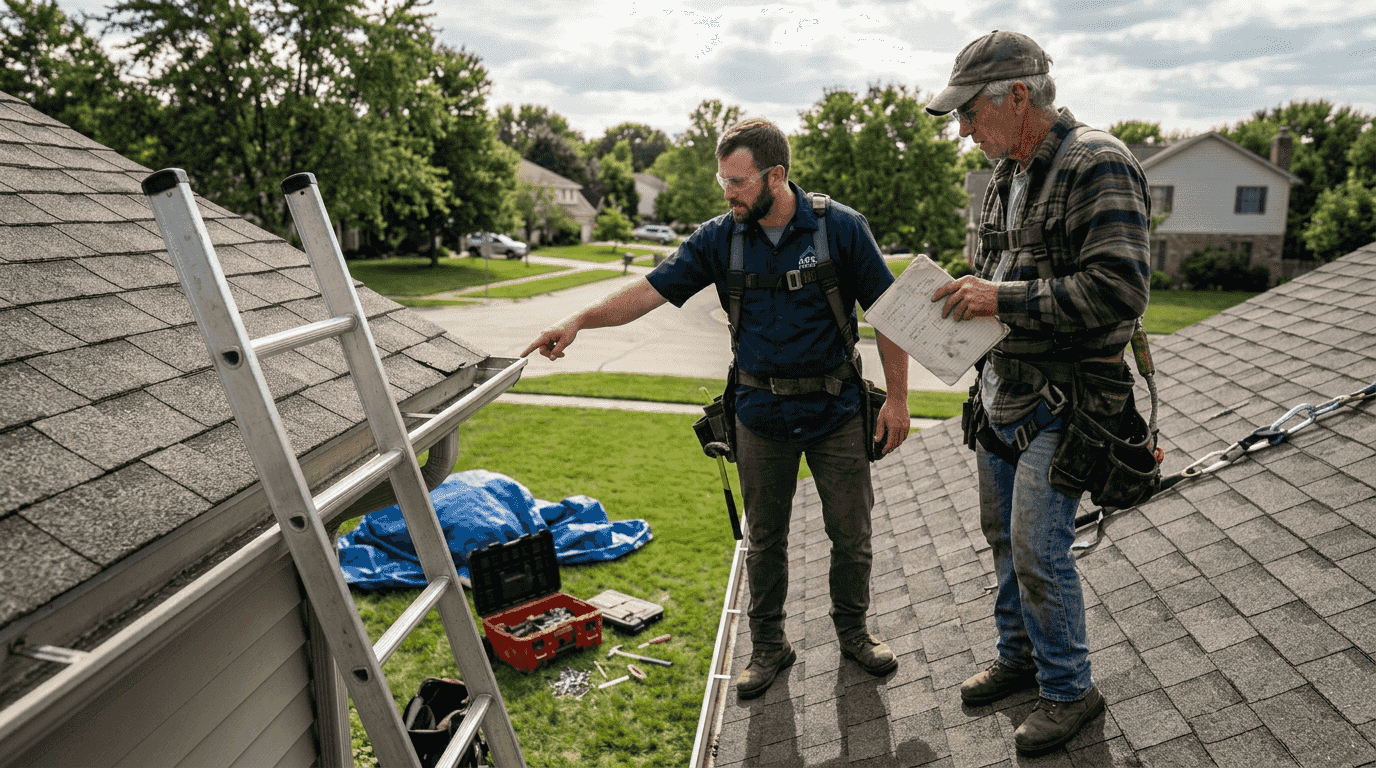
Certifications matter immensely. Contractors certified by manufacturers like GAF, CertainTeed, or Owens Corning have undergone training and demonstrate proven installation expertise. These certifications often unlock enhanced warranty options, including coverage for both materials and workmanship. Without certification, you’re left with a standard warranty that may only cover material defects, leaving you responsible for labor costs if something goes wrong. For homeowners seeking professional roofing benefits, choosing certified installers is non-negotiable.
Material choice also plays a crucial role. Premium shingles with higher wind ratings and impact resistance naturally last longer, especially in Central Florida’s hurricane-prone climate. Investing in quality materials upfront reduces the need to rely on warranty claims later. A roof built with architectural shingles rated for 130 mph winds will fare better in a storm than one with basic three-tab shingles, regardless of warranty length. The warranty becomes a safety net, not the primary protection strategy.
Pro Tip: Ask your contractor for their workmanship warranty details separately from the manufacturer’s material warranty. A reputable company will offer at least a 5-10 year workmanship guarantee, covering installation errors independent of material defects.
Look for these quality markers when selecting a roofing contractor:
- Manufacturer certifications (GAF Master Elite, CertainTeed SELECT ShingleMaster)
- Active state licensing and insurance coverage
- Detailed written estimates with material specifications
- References from recent projects in your area
- Membership in professional associations like NRCA or local trade groups
Understanding roofing certifications and their impact on defects and claims helps you make informed contractor choices. The right installer will proactively discuss warranty options, explain coverage limitations, and recommend maintenance schedules to keep your warranty valid. They won’t oversell the warranty; they’ll emphasize their commitment to quality work that minimizes your need to use it.
Understanding installation’s weight leads us to compare warranty claims and homeowner maintenance responsibilities.
Warranty claim realities and the importance of roof maintenance
Warranty claims sound straightforward until you try to file one. The reality is sobering: many claims, especially on flat roofs, are denied, with denial rates reaching 68% in some studies. Reasons for denial include lack of maintenance documentation, unauthorized repairs, missed inspection deadlines, or damage deemed outside warranty scope. For Central Florida homeowners facing frequent storms, understanding these denial triggers is essential to protecting your investment.
Here’s a breakdown of warranty claim denial rates by roof type:
| Roof Type | Average Claim Denial Rate | Common Denial Reasons |
|---|---|---|
| Flat/Low-Slope | 68% | Ponding water, maintenance neglect, improper drainage |
| Asphalt Shingle | 45% | Storm damage exclusion, missing documentation, unauthorized repairs |
| Metal Roofing | 38% | Scratches/dents from debris, improper fastening not caught early |
| Tile Roofing | 42% | Breakage from foot traffic, underlayment failure, ventilation issues |
The data reveals a clear pattern: warranties fail homeowners who don’t maintain their roofs meticulously. Insurance and warranty companies scrutinize claims for any evidence of neglect. A single missed annual inspection or a repair performed by an uncertified contractor can void your entire warranty. This makes proactive roof maintenance far more valuable than extended warranty coverage.
Best maintenance practices to preserve your warranty include:
- Schedule professional inspections twice yearly, especially after hurricane season
- Document all inspections and repairs with photos and written reports
- Clean gutters and downspouts regularly to prevent water backup
- Remove debris, moss, and algae promptly to avoid material degradation
- Address minor issues immediately before they escalate into warranty-voiding damage
For Central Florida’s unique climate challenges, specialized roof maintenance becomes even more critical. High humidity, intense UV exposure, and frequent storms accelerate roof aging. Regular maintenance not only keeps warranties valid but extends roof life beyond warranty periods, delivering better return on investment than chasing claims.
Focus on optimal self-maintenance over relying on extended warranties. A well-maintained roof rarely needs warranty claims, while a neglected roof will face denials even with premium coverage. Treat your warranty as a backup plan, not your primary protection strategy. Invest time and resources in preventive care, and you’ll rarely need to test whether your warranty actually works.
With an understanding of claims and maintenance, let’s see a clear comparison of warranty types and their coverage nuances.
Comparing roofing warranties: types, coverage, and what to expect
Not all warranties are created equal. Understanding the differences between manufacturer warranties, workmanship warranties, and prorated coverage helps you evaluate what you’re actually getting. Manufacturer warranties cover material defects, typically lasting 20-50 years depending on the product tier. Workmanship warranties cover installation errors and usually run 1-10 years, depending on the contractor. Prorated warranties reduce coverage value over time, meaning older roofs receive less financial protection.
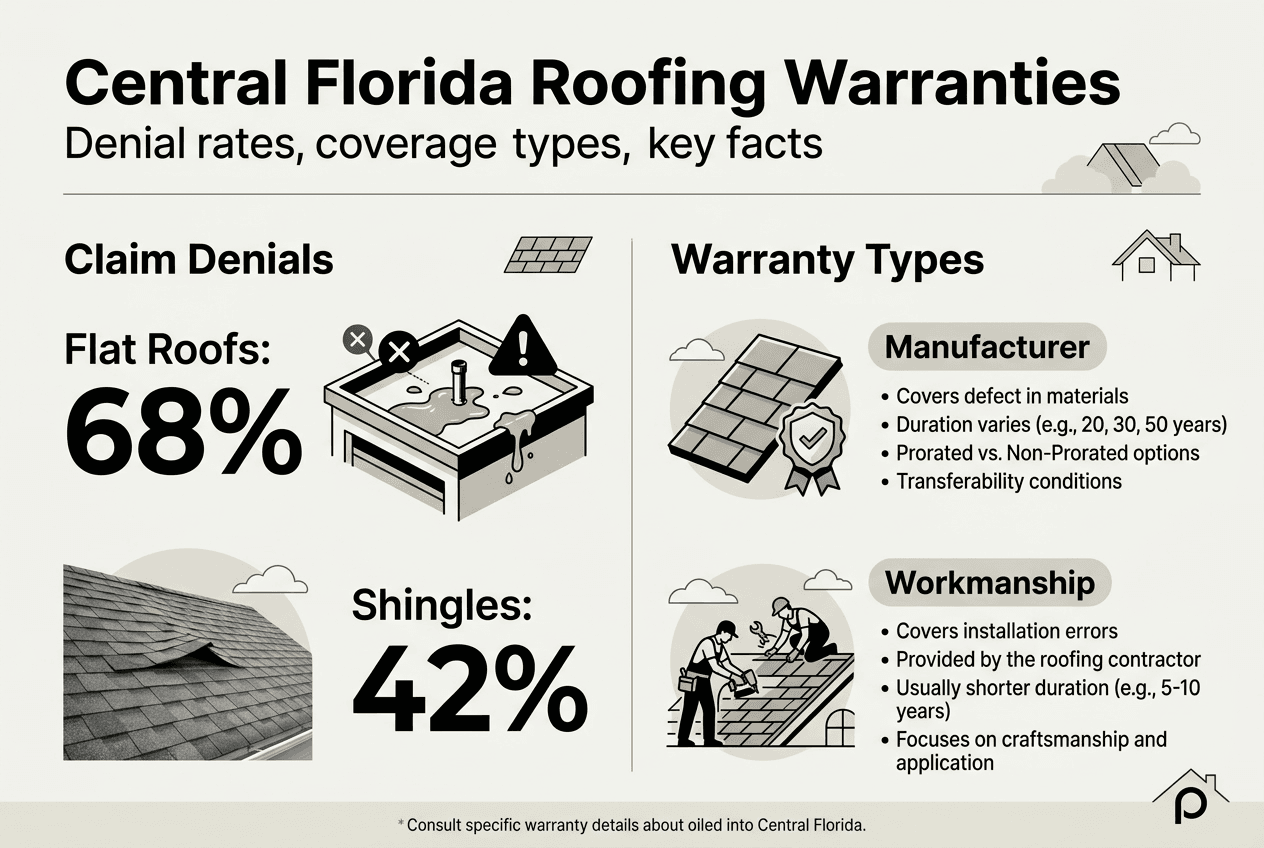
Here’s a side-by-side comparison of common warranty types:
| Warranty Type | Typical Duration | Coverage at Year 10 | Coverage at Year 25 | Homeowner Responsibilities |
|---|---|---|---|---|
| Non-Prorated Manufacturer | 10-15 years | 100% material replacement | N/A (expired or prorated) | Annual inspections, approved contractors only |
| Prorated Manufacturer | 20-50 years | 60-70% material cost | 10-15% material cost | Strict maintenance records, no DIY repairs |
| Workmanship Warranty | 1-10 years | 100% labor coverage | N/A (expired) | Use original contractor for repairs |
| Enhanced System Warranty | 25-50 years | 100% materials + labor | 50-100% materials + labor | Premium materials, certified installer, regular inspections |
Proration reduces payout over time, transforming what sounds like “lifetime coverage” into minimal financial protection as your roof ages. By year 25, you might only recover 10-15% of replacement costs, forcing you to pay the majority out of pocket. This reality check is why understanding roofing guarantee details matters more than headline warranty lengths.
Homeowner duties to keep warranties valid are extensive. You must maintain detailed records of all inspections, use only manufacturer-approved contractors for repairs, follow specific cleaning and maintenance schedules, and report issues within strict timeframes. Miss any requirement, and your warranty could be voided. These obligations make warranties less “set it and forget it” and more “constant vigilance required.”
Questions to ask contractors about warranties before signing:
- What specific events and damages does this warranty exclude?
- Is the warranty prorated, and if so, what’s the payout schedule?
- What maintenance is required to keep the warranty valid?
- Who handles warranty claims: you, the contractor, or the manufacturer?
- Does the warranty transfer if I sell my home, and are there fees?
- What documentation must I maintain to file a claim?
Using a comprehensive roof maintenance checklist helps you meet warranty requirements while protecting your roof’s longevity. The best approach treats warranties as a bonus, not the primary reason for choosing materials or contractors. Prioritize quality installation and diligent maintenance, and the warranty becomes a rarely-needed safety net rather than a frequently-tested promise.
With a comparative framework, we now focus on how to apply this knowledge effectively when selecting roofing help in Central Florida.
Protect your home with expert roof installation and repairs
Choosing the right roofing partner makes all the difference between a warranty that protects you and one that disappoints. Professional installation ensures your warranty remains valid while delivering a roof built to withstand Central Florida’s demanding climate. Whether you need a complete roof installation in Horizon West or reliable roof repair in Titusville, working with certified experts gives you peace of mind that goes beyond any warranty document.

Regular professional maintenance is your best investment for long-term roof protection. A trusted roofing company will create a customized residential roof maintenance process tailored to your roof type, age, and local weather patterns. This proactive approach prevents small issues from becoming major problems and ensures you meet all warranty requirements without stress.
Pro Tip: Schedule your annual roof maintenance during Central Florida’s dry season (late fall through early spring) to catch and repair any storm damage before the next hurricane season arrives.
Don’t wait for a leak to discover your warranty won’t cover the damage. Contact experienced roofing professionals today to discuss your specific needs, review your current warranty coverage, and develop a maintenance plan that truly protects your home and investment for years to come.
FAQ
Are roofing warranties always worth it for Central Florida homeowners?
Warranties offer peace of mind, but their true value depends heavily on installation quality and your commitment to maintenance. A warranty from a reputable manufacturer paired with expert installation provides solid backup protection. However, if you’re choosing between a premium warranty and quality materials or skilled labor, invest in the latter. The best roofing warranties in Florida combine strong coverage with contractors who stand behind their work long after installation.
What does proration mean in a roofing warranty?
Proration means your warranty pays progressively less as your roof ages, even though the coverage period may span decades. By year 25, coverage drops to 10-15% of replacement costs, leaving you responsible for the majority of expenses. Understanding this schedule helps you set realistic expectations and budget for future roof needs. Always request the specific proration timeline in writing before accepting any warranty.
How can I ensure my roofing warranty remains valid?
Perform regular professional inspections at least twice yearly and document everything meticulously with photos and written reports. Use only certified contractors for all repairs and maintenance, never attempt DIY fixes on warranted components. Focus on consistent self-maintenance rather than relying on extended warranty promises, as this approach prevents the claim denials that plague many homeowners. Following a structured roof maintenance process keeps your warranty active while extending your roof’s lifespan.
What questions should I ask before accepting a roofing warranty?
Start by clarifying exactly what the warranty covers and excludes, as storm damage and normal wear often fall outside protection. Ask about the proration schedule and what percentage you’ll receive at different roof ages. Understand the claim process thoroughly, including required documentation, response timeframes, and who manages the claim. Finally, verify both installation and workmanship guarantees separately from material warranties, ensuring you have comprehensive protection. Review detailed roofing guarantee terms specific to Florida’s climate challenges before making your final decision.
Recommended
- Roofing certifications: 30% fewer defects & better claims
- Roofing Estimates in Orlando Florida – Thomas Roofing & Repair Inc.
- Roof Replacement Coverage: What Central Florida Owners Need
- Roofing Guarantee Explained: Protection for Florida Homes
- Roofing Company Orlando, FL
- Roofing Company Titusville, FL
- Roofing Company DeLand, FL