
Central Florida homeowners know the feeling: a summer storm rolls through, and suddenly you’re staring at a water stain on the ceiling wondering how bad the damage really is. Between the relentless humidity, UV exposure, and hurricane season, roofs here take a beating that homeowners in other states simply don’t face. Emergency repairs can run into the thousands, and without a plan, that bill hits your savings hard. This guide walks you through proven, practical budgeting strategies so you can protect your home and your wallet before the next storm arrives.
Table of Contents
- Know the real costs of repair types
- Factor in repair size and material for smarter estimates
- Schedule regular roof inspections to prevent costly surprises
- Plan for age, insurance, and storm vulnerability
- Set aside reserves and budget for ongoing care
- Leverage grants, incentives, and FORTIFIED upgrades
- Build a budget cushion and consider repair financing
- Quick comparison: Budgeting strategies at a glance
- Get expert help with Central Florida roof repairs
- Frequently asked questions
Key Takeaways
| Point | Details |
|---|---|
| Know true repair costs | Understand specific price ranges for Florida’s most common repair jobs to plan accurately. |
| Prevent with inspections | Budgeting for regular roof checks saves money by catching damage early, especially after storms. |
| Use grants and incentives | Tap into state grants and insurance-saving upgrades to offset large or recurring expenses. |
| Set aside reserves | Planning years in advance for bigger repairs prevents financial shocks and missed projects. |
| Add a cost buffer | Build at least a 10% cushion into your roof budget for price spikes and hidden surprises. |
Know the real costs of repair types
Before you can budget effectively, you need a realistic picture of what repairs actually cost in this region. Prices vary more than most homeowners expect, and knowing the ranges upfront prevents sticker shock when you call a contractor.
Common repair costs in Central Florida break down like this:
| Repair type | Typical cost range |
|---|---|
| Flashing repair | $200 to $500 |
| Shingle replacement | $250 to $600 |
| Vent repair | $75 to $250 |
| Soffit and fascia | $600 to $6,000 |
These repair cost ranges reflect real Orlando-area pricing and should anchor your initial estimates. Material type matters too. Metal roofing and tile both require specialized labor, which pushes costs higher than standard asphalt shingle work.
A few factors that move the needle on price:
- Roof age: Older roofs often need additional structural work alongside surface repairs.
- Accessibility: Steep pitches or multi-story homes add labor time and safety equipment costs.
- Damage extent: What looks like a small leak can hide rotted decking underneath.
Pro Tip: Never ignore a minor drip. A $300 shingle fix left unaddressed can turn into a $3,000 decking replacement within one rainy season. Check out these roof repair tips to understand when to act fast.
Factor in repair size and material for smarter estimates
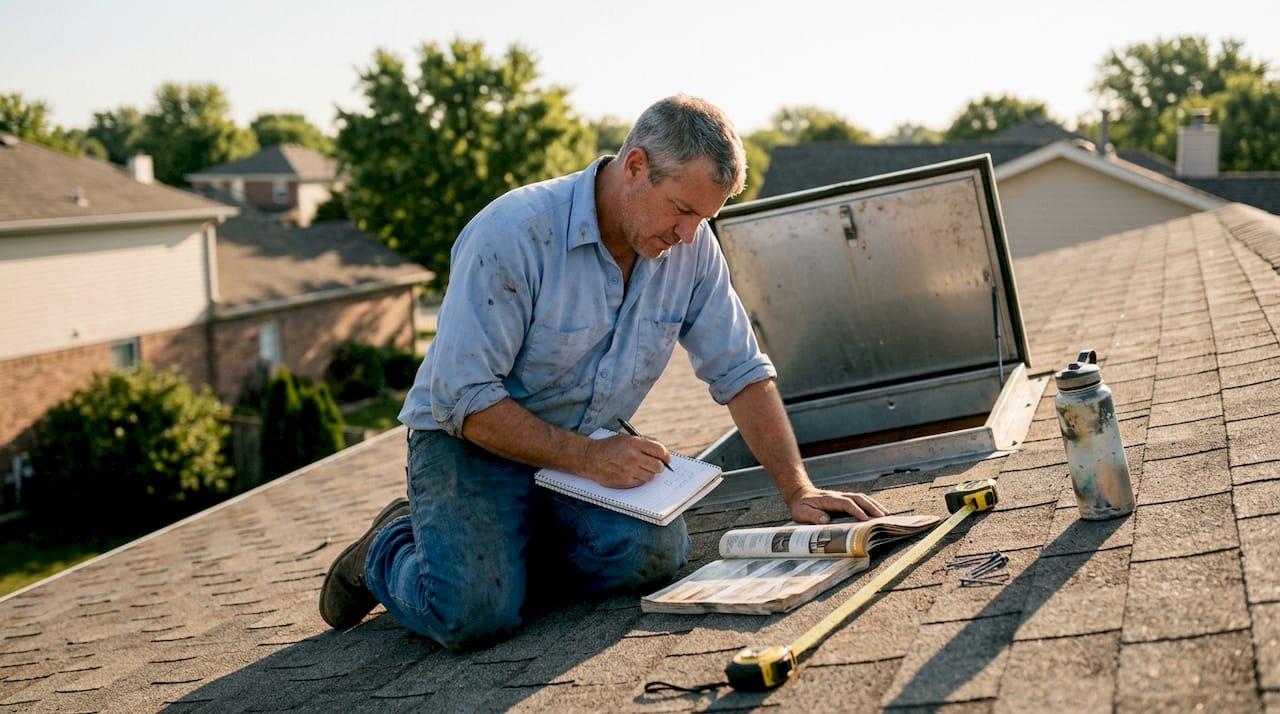
Beyond repair type, the size and surface you’re addressing can swing your budget by thousands. Most contractors price repairs by the square foot, so understanding scale is critical.
Here’s how area size affects total cost:
| Repair area | Estimated cost range |
|---|---|
| 100 sq ft | $300 to $1,100 |
| 200 sq ft | $600 to $2,200 |
| 500 sq ft | $1,500 to $5,500 |
These area-based cost ranges show how quickly expenses scale. A repair that seems small on the surface can cover more square footage than you realize once a contractor pulls back damaged material.
To estimate your project’s scale before calling for quotes, follow these steps:
- Walk your attic after rain and mark any wet spots on the decking with chalk.
- Measure the affected area from the outside using a tape measure or a roofing app.
- Note your roof material: asphalt shingles, tile, metal, or flat membrane.
- Check the age of your roof and any previous repair records.
- Request at least three written quotes from licensed contractors.
For a more detailed breakdown of what to expect, Orlando roofing estimates can help you compare contractor bids with confidence.
Schedule regular roof inspections to prevent costly surprises
Armed with numbers, protect your budget’s bottom line by catching small issues before they become overwhelming. In Central Florida, the climate works against your roof year-round. Florida’s humidity, UV exposure, and storms accelerate wear far faster than in cooler, drier climates, making post-storm checks essential to catch hidden damage.
Here’s why regular inspections pay off:
- They catch cracked caulking, lifted shingles, and clogged gutters before water intrudes.
- Early detection keeps repairs in the hundreds, not thousands.
- Documented inspection records support insurance claims after storm events.
- Inspectors spot ventilation problems that quietly shorten roof lifespan.
For post-storm self-checks, look for missing shingles, dented vents, granule buildup in gutters, and any visible sagging. If you spot anything unusual, call a professional before the next rain event.
Pro Tip: Schedule your annual inspection in April, before hurricane season starts in June. That timing gives you a full picture of winter wear and time to complete repairs before peak storm risk. Our roof maintenance guide covers exactly what inspectors look for, and the inspection benefits page explains how proactive checks translate directly into savings.
Plan for age, insurance, and storm vulnerability
Roof age and risk factors are closely tied to what insurers will cover and when out-of-pocket costs soar. This is one of the most overlooked parts of roof budgeting in Florida.
Florida insurers scrutinize roof age and material more than almost any other factor when calculating premiums and processing claims.
Asphalt shingles become vulnerable after 10 years in hurricane conditions, and roofs older than 10 to 15 years significantly increase both insurance costs and failure risk. That’s a critical number for Central Florida homeowners to keep in mind.
Key budget considerations tied to roof age:
- Roofs over 15 years old may only qualify for actual cash value coverage, not full replacement cost.
- Some insurers require a 4-point inspection before renewing policies on older homes.
- High-wind deductibles in Florida can reach 2 to 5 percent of your home’s insured value.
- Proactively replacing aging sections can lower your annual premium.
Understanding the replacement vs repair decision is essential once your roof passes the 15-year mark. If you’re unsure whether repairs are still worth it, the why replace a roof resource lays out the financial tipping points clearly.
Set aside reserves and budget for ongoing care
Budgeting isn’t just about emergencies. Systematic planning spreads costs over time and prevents nasty surprises. Whether you manage one home or multiple properties, a structured approach makes a real difference.
Here’s a practical framework for ongoing roof budgeting:
- Line-item annual budget: Set aside $300 to $600 per year for inspections and minor maintenance.
- Mid-term reserve fund: Start saving 2 to 5 years before a likely replacement to avoid a lump-sum hit.
- Phase major work: If a full replacement isn’t urgent, tackle the most vulnerable sections first.
- Track repair history: A written log helps you spot patterns and justify insurance claims.
Property managers who budget annually for inspections, set reserves 2 to 5 years before replacement, and phase projects consistently avoid the budget spikes that catch reactive owners off guard. The roof maintenance process we follow at Thomas Roofing and Repair is built around exactly this kind of structured planning.
Leverage grants, incentives, and FORTIFIED upgrades
Modern upgrades and financial tools can make your roof far more affordable and disaster-resistant. Many Central Florida homeowners don’t realize how much money is available to offset repair and upgrade costs.
FORTIFIED roofing is a construction standard developed by the Insurance Institute for Business and Home Safety. Homes built or retrofitted to this standard use stronger fasteners, sealed roof decks, and impact-resistant materials. The results are significant: FORTIFIED roofs reduce claims by 73% and cut claim severity by 15%, and programs like My Safe Florida Home offer grants up to $10,000 for qualifying upgrades.
How to take advantage of these programs:
- Visit the My Safe Florida Home website to check eligibility and application deadlines.
- Ask your contractor if they are FORTIFIED-certified before starting any major repair.
- Request a wind mitigation inspection after upgrades to document improvements for your insurer.
Pro Tip: Even partial FORTIFIED upgrades, like a sealed roof deck, can qualify you for insurance discounts. Pair that with grant funding and the net cost of your upgrade can drop dramatically. Our storm damage repair guide covers how these upgrades hold up after real storm events.
Build a budget cushion and consider repair financing
Even the best plans run into surprises. Your budget toolkit should be up to the challenge. Material prices have shifted significantly in recent years, and that trend isn’t slowing down.
Building a 10 to 15% budget cushion protects against tariff-driven material price hikes and inflation, and financing options like PACE loans make repairs accessible even when cash reserves are low.
Here’s how to build your financial safety net:
- Add 10 to 15% to every repair estimate as a contingency line.
- Ask your contractor about payment plans before assuming you need outside financing.
- Explore PACE (Property Assessed Clean Energy) financing, which ties repayment to your property tax bill.
- Check home equity line of credit rates if you have significant equity built up.
Financing isn’t a last resort. It’s a smart tool that prevents deferred repairs, which almost always cost more in the long run. These roof replacement tips include guidance on financing larger projects without overextending your budget.
Quick comparison: Budgeting strategies at a glance
To wrap up, here’s how the standout budgeting methods stack up side by side.
| Strategy | Best for | Surprise risk | Typical total cost | Stress level |
|---|---|---|---|---|
| Proactive (inspections + reserves) | All roof ages | Low | Lowest over time | Low |
| Reactive (repair when broken) | New roofs only | High | Highest over time | High |
| Hybrid (annual checks + contingency fund) | Mid-age roofs | Medium | Moderate | Medium |
| FORTIFIED upgrade + grants | Older or storm-prone roofs | Low | Low after incentives | Low |
The proactive approach wins on almost every measure. The only scenario where reactive budgeting makes sense is on a brand-new roof with a strong warranty still in effect. For most Central Florida homeowners, a hybrid strategy with a FORTIFIED upgrade path offers the best balance of cost, protection, and peace of mind.
Get expert help with Central Florida roof repairs
Putting a solid roof budget together takes local knowledge, and that’s exactly what we bring to every job. At Thomas Roofing and Repair, we work with homeowners and property managers across Brevard, Volusia, and Orange counties to build repair plans that fit real budgets.

Whether you need a post-storm assessment or want to get ahead of the next hurricane season, our team is ready to help. Start with our storm repair guide to understand what damage looks like after a major weather event. Then review the roof inspection benefits to see how a single visit can save you thousands. And if you want practical, Florida-specific advice you can act on today, our Florida roof repair tips are a great place to start. Don’t wait for a leak to force your hand.
Frequently asked questions
What is the average roof repair cost in Central Florida?
Repair costs range from $200 for minor flashing fixes to $6,000 for major soffit and fascia work, depending on the type and extent of damage.
How often should I have my Central Florida roof inspected?
Annual inspections plus post-storm checks are the standard recommendation, since Florida’s climate accelerates wear and hidden damage is common after heavy rain or wind events.
Do Florida homeowners qualify for any roof repair grants?
Yes, programs like My Safe Florida Home provide grants up to $10,000 for qualifying upgrades, including FORTIFIED roof improvements that also reduce long-term insurance costs.
How much should I budget as a cushion for unexpected roof costs?
Add 10 to 15% on top of your estimated repair cost to cover material price increases, hidden damage, or scope changes discovered during the job.
Does roof age affect insurance premiums or claims?
Absolutely. Roofs older than 10 to 15 years often trigger higher premiums, stricter coverage terms, and greater out-of-pocket exposure during hurricane season.
Recommended
- Top 8 Roof Repair Services in Central Florida 2026
- 7 Essential Roof Repair Tips for Homeowners in Florida
- Roof Replacement in Central Florida – What Homeowners Need to Know
- 7 Step Roof Maintenance Checklist for Central Florida Homes
- Roofing Company Orlando, FL
- Roofing Company Titusville, FL
- Roofing Company DeLand, FL