
Single-ply roofing is a factory-made membrane sheet installed as a single continuous layer over low-slope roofs. You’ll find it on the vast majority of commercial flat roofs across the U.S., and increasingly on residential low-slope designs where traditional shingles simply don’t shed water effectively. These membranes are engineered for low-slope roofs with a typical service life of 20–30+ years, and reflective versions can cut cooling energy use during hot months, according to the U.S. Department of Energy.
A few quick facts before we go deeper:
- Three main membrane families: TPO, PVC, and EPDM
- Three installation styles: fully adhered, mechanically attached, and ballasted
- Expected lifespan: 20–30+ years with proper maintenance
- Energy benefit: up to 15% cooling savings with white reflective membranes (DOE guidance)
- Industry guidance: SPRI (Single Ply Roofing Industry) sets installation and quality standards
Thomasroofingandrepair installs and services all three membrane types across Central Florida, including Brevard, Volusia, and Orange counties.
Table of Contents
- What is single-ply roofing and how is it attached?
- TPO, PVC, and EPDM: which membrane fits your roof?
- Why seams, flashings, and installer skill determine everything
- How long does single-ply roofing last, and what maintenance does it need?
- How to choose the right membrane and what to ask contractors
- Do reflective membranes actually reduce your energy bills?
- Key Takeaways
- The real lesson most roofing articles skip
- Thomasroofingandrepair: single-ply installation and inspection in Central Florida
- Useful sources
What is single-ply roofing and how is it attached?
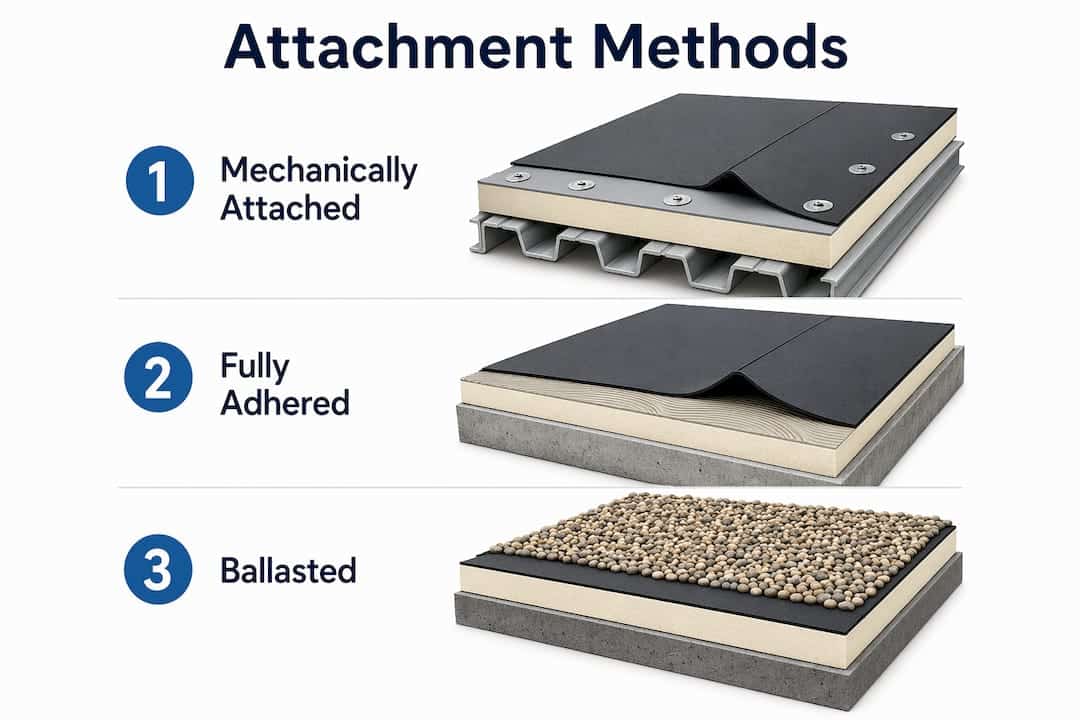
The attachment method shapes almost everything: cost, wind resistance, how easy the roof is to repair, and whether a recover over an existing system is practical.
Mechanically attached
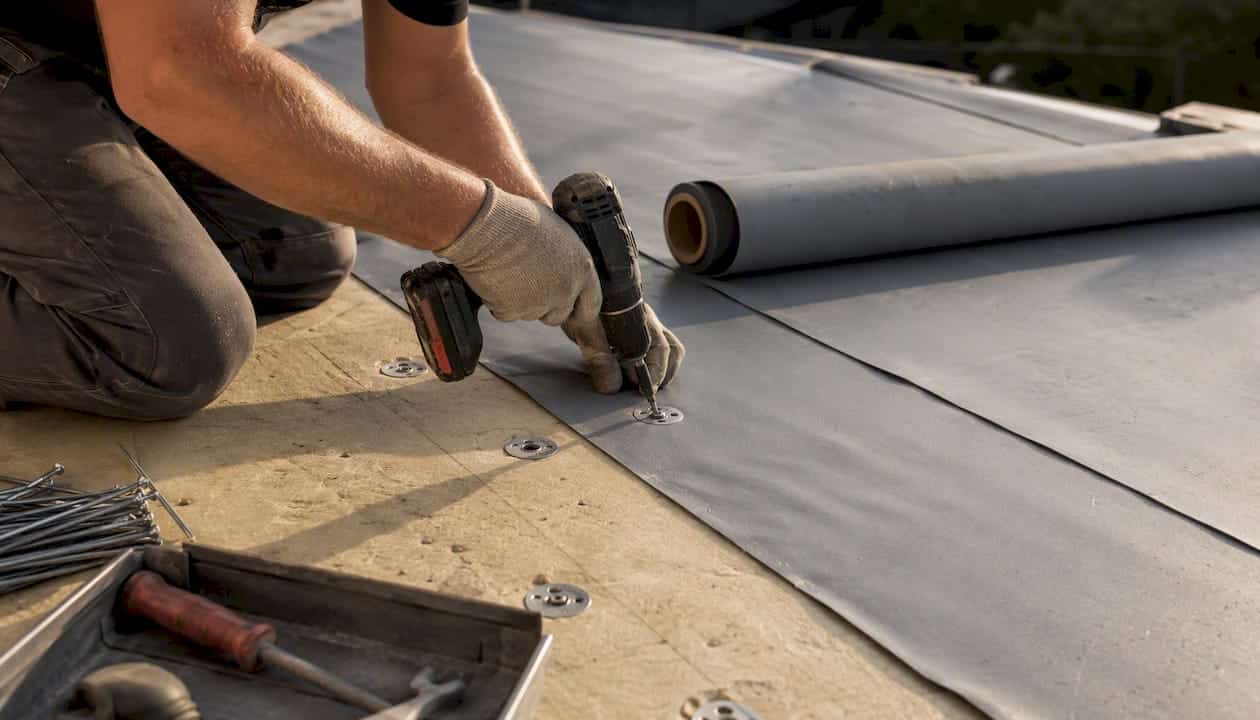
Fasteners and plates anchor the membrane through the insulation into the deck. This is the fastest and most cost-effective method, and it works well on large commercial roofs. The trade-off is that wind can cause slight membrane flutter at fastener rows, which matters more in high-wind zones.
Fully adhered
Adhesive or low-rise foam bonds the membrane directly to the substrate. The result is a smooth, tight surface with better perimeter uplift resistance, which is why this method is often preferred for retrofits and buildings in hurricane-prone areas. It costs more in labor but reduces long-term movement stress on seams.
Ballasted
The membrane is loose-laid and held down by river rock or pavers. Fewer roof penetrations mean a cleaner installation, but the structure must support the added weight of typical ballast. Repairs are straightforward: move the ballast, patch, replace.
Metal retrofit
When replacing or upgrading a metal edge or installing single-ply over an existing metal roof, flashings and termination bars integrate the membrane at the perimeter. Getting these transitions right is critical; a poorly sealed metal edge is one of the most common entry points for water.
Pro Tip: Before choosing a recover (installing new membrane over the existing roof), have a contractor probe or scan the existing insulation for moisture. Trapping wet insulation under a new membrane accelerates deck deterioration and voids most manufacturer warranties.
Single-ply systems can often be installed over an existing roof, cutting disposal costs and project time — but only when the deck and existing insulation are confirmed dry and structurally sound.
TPO, PVC, and EPDM: which membrane fits your roof?
The three dominant single-ply membrane types split into two chemistry families: thermoplastic and thermoset.
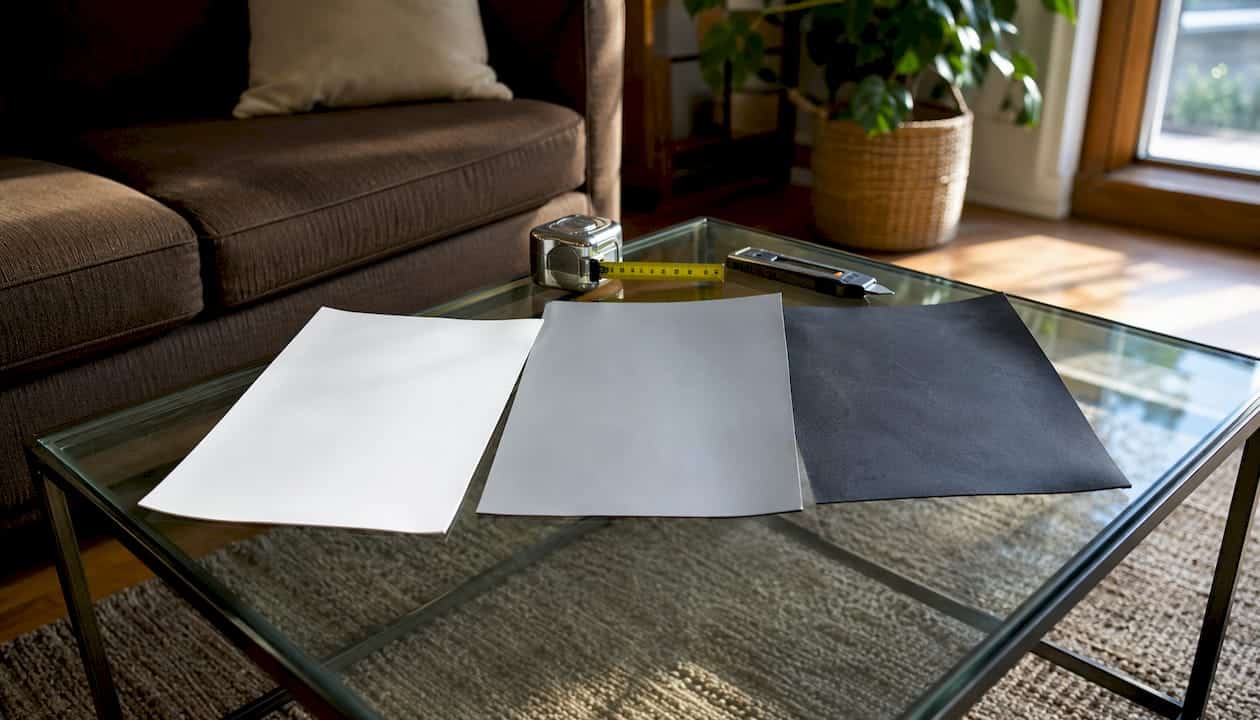
Thermoplastic membranes (TPO and PVC) soften when heated, which allows seams to be heat-welded into a monolithic bond. That weld, done correctly, is actually stronger than the membrane itself. Thermoset membranes (EPDM) are rubber-based and do not re-melt, so seams rely on adhesives or tapes — and surface preparation before bonding is everything.
| Feature | TPO | PVC | EPDM |
|---|---|---|---|
| Best for | Cost-effective reflective roofing | Chemical/grease exposure (restaurants, kitchens) | Cold climates, proven long-term track record |
| Seaming method | Heat-welded | Heat-welded | Adhesive or tape |
| Reflectivity | High (white standard) | High (white standard) | Low (black standard; white available) |
| Chemical/oil resistance | Moderate | Superior | Moderate |
| Cold-weather elasticity | Good | Good | Excellent |
| Cost vs. alternatives | Lowest of the three | Mid-to-high | Mid-range |
| Typical service life | 20–30+ years | 20–30+ years | 20–30+ years |
TPO accounts for more than 50% of the commercial single-ply market in the U.S. Its combination of low cost and white reflectivity makes it the default choice for most new commercial low-slope roofs. Thickness matters: thinner membranes (45 mil) cost less upfront but wear faster; 60 or 80 mil is worth the premium for longer warranties.
PVC is the right call when the roof sits above a commercial kitchen, restaurant, or any space with grease exhaust. Its chemical resistance is genuinely superior, though not all PVC formulations handle every contaminant equally — always confirm the manufacturer’s chemical resistance data for your specific exposure. PVC KEE (a solid-plasticizer variant) adds extra weathering and UV resistance for demanding applications.
EPDM has the longest field track record of any single-ply membrane. EPDM membranes typically range 45–90 mil and are naturally black, though white versions exist. In cold climates, EPDM’s rubber elasticity handles freeze-thaw cycling better than most alternatives. In hot, sunny Florida, the black surface absorbs heat — white EPDM or a reflective coating addresses that.
Quick pros and cons:
- TPO: ✓ Affordable, reflective, heat-weldable. ✗ Thinner grades wear faster; quality varies by manufacturer.
- PVC: ✓ Best chemical resistance, durable welds. ✗ Higher cost; plasticizer migration over decades can reduce flexibility.
- EPDM: ✓ Proven longevity, excellent cold-weather flex, simple repairs. ✗ Black surface absorbs heat; adhesive seams require careful prep.
For a deeper look at TPO specifically, Thomasroofingandrepair’s TPO roofing guide covers costs and lifespan in detail.
Why seams, flashings, and installer skill determine everything
Membrane chemistry gets most of the attention, but seams are the primary failure point in any single-ply installation. A perfectly specified TPO membrane with a poorly welded seam will leak. An EPDM membrane with a rushed adhesive bond will peel.
Heat-welded seams (TPO, PVC) form a monolithic bond when done correctly. The tell is a visible, consistent weld bead along the seam edge. No bead, or an inconsistent one, means the weld temperature or speed was off. Adhesive-bonded EPDM seams depend entirely on surface cleanliness and proper primer application before the adhesive goes down.
Beyond seams, the details that fail most often are:
- Flashings at walls and parapets: membrane must lap up and terminate cleanly, not just be pressed against the wall
- Pipe and vent penetrations: prefabricated pipe boots outperform field-fabricated ones almost every time
- Drains and scuppers: membrane must be fully bonded around the drain ring with no bridging
- Inside and outside corners: prefabricated accessories from the membrane manufacturer eliminate the guesswork that causes field-cut corners to fail
Pro Tip: Ask your contractor whether they use the membrane manufacturer’s own prefabricated accessories for corners and penetrations. Using third-party or field-cut details at these points often voids the manufacturer’s warranty — and those are exactly the spots that leak first.
Manufacturer-authorized installers matter because warranty acceptance typically requires certified installation. A low bid from an uncertified crew may save money upfront and cost significantly more when a warranty claim is denied.
How long does single-ply roofing last, and what maintenance does it need?
A well-installed single-ply membrane lasts multiple decades with proper maintenance. What shortens that window: ponding water that sits more than 48 hours after rain, foot traffic without walk pads, chemical exposure the membrane wasn’t rated for, and deferred maintenance on small seam or flashing issues.
Inspection schedule:
- Inspect twice per year — once in spring before storm season, once in fall after it.
- Inspect after any major storm, hurricane, or hail event.
- Clear debris from drains and scuppers at each visit.
- Check seam edges and flashing terminations for lifting or separation.
- Look for membrane punctures, blisters, or areas of standing water.
- Document findings with photos and compare year over year.
Common repairs are straightforward when caught early: puncture patches, seam touch-ups with compatible tape or weld, and flashing replacement. Left alone, a small seam lift becomes a water intrusion that saturates insulation and rots the deck — at that point, you’re looking at a full tear-off.
A recover installation (new membrane over existing) can extend service life and save disposal costs, but it adds a layer of complexity to future maintenance. Inspectors must account for two membrane layers, and if moisture gets trapped between them, the problem compounds. Thomasroofingandrepair’s Florida maintenance checklist covers the specific inspection points that matter most in this climate.
How to choose the right membrane and what to ask contractors
Decision checklist:
- Roof slope and drainage: single-ply requires positive drainage; ponding water is a warranty issue for most manufacturers
- Building use: grease or chemical exhaust? Go PVC. General commercial or residential? TPO is usually the right starting point.
- Budget: TPO costs least upfront; PVC and EPDM carry a premium but may offer better long-term value for specific exposures
- Climate: hot and sunny (Central Florida) favors white reflective membranes; cold climates favor EPDM’s elasticity
- Foot traffic: specify walk pads if the roof sees regular HVAC maintenance or equipment access
- Existing roof condition: is a recover viable, or does the deck need replacement?
Questions to ask every contractor:
- Are you certified or authorized by the membrane manufacturer?
- What attachment method do you recommend for this building, and why?
- How do you test seams — probe testing, visual inspection, or both?
- What does the manufacturer warranty cover, and what maintenance does it require to stay valid?
- Can you show me a similar project you’ve completed locally?
- How do you handle penetrations and wall transitions?
Red flags: a proposal that describes seams as “sealed” without specifying the method, no mention of a manufacturer-issued warranty, and a price significantly below other bids with no explanation of scope differences.
Match the membrane to the building’s specific exposure rather than searching for a universally “best” material. TPO balances cost and reflectivity for most applications; PVC excels with grease or chemical exposure; EPDM is proven in cold climates and for owners who want simplicity in repairs.
Do reflective membranes actually reduce your energy bills?
Yes, and the numbers are specific. The DOE reports that reflective roofing systems — white TPO and PVC membranes — can reduce cooling energy use during hot months. In Central Florida, where cooling loads run high for eight or more months a year, that adds up.
| DOE Stat | Practical Implication |
|---|---|
| Up to 15% cooling energy reduction (reflective membranes) | Lower monthly utility bills; potential HVAC downsizing on new builds |
| Cool roofs contribute to LEED points | Relevant for commercial owners pursuing green building certification |
| Recyclable membranes at end of life | Reduced landfill impact; some manufacturers offer take-back programs |
How much you actually save depends on insulation levels beneath the membrane and how much roof-mounted equipment (HVAC units, solar arrays) covers the reflective surface. A white membrane under a dense array of rooftop units delivers less benefit than one with clear sky exposure. For commercial property owners looking to reduce building energy costs, pairing a reflective membrane with proper insulation R-value is the most effective combination.
Confirm reflectivity ratings before specifying: look for ENERGY STAR certification or Cool Roof Rating Council (CRRC) test data from the manufacturer, not just marketing language about “white” or “reflective.”
Key Takeaways
Single-ply roofing’s long-term performance comes down to three things: choosing the right membrane for your building’s specific exposure, selecting the right attachment method for your climate and structure, and hiring a certified installer who details seams and penetrations correctly.
| Point | Details |
|---|---|
| Membrane families | TPO and PVC are thermoplastic (heat-welded seams); EPDM is thermoset (adhesive/tape seams). |
| Expected service life | 20–30+ years with proper maintenance and twice-yearly inspections. |
| Energy savings | Reflective white membranes can cut cooling energy use by up to 15% (DOE). |
| Seams are the weak point | Heat-welded or adhesive seams at penetrations and edges are where failures start; certified installers matter. |
| Thomasroofingandrepair | Installs and services TPO, PVC, and EPDM membranes across Central Florida, including storm damage repair and recover evaluations. |
The real lesson most roofing articles skip
Most guides spend their energy comparing membrane chemistries as if picking the right material is the whole job. It isn’t. The membrane is almost secondary to the quality of the installation at the details — corners, penetrations, wall transitions, drain rings. A 60-mil TPO installed by an uncertified crew with field-cut corners will underperform a 45-mil membrane installed by a manufacturer-authorized team every single time.
The second thing people underestimate: maintenance isn’t optional on a single-ply roof. The phrase “low maintenance” gets repeated so often that owners skip inspections for years, then discover a seam that’s been slowly lifting since year two. Twice a year plus after storms isn’t excessive — it’s the minimum that keeps a 20-year roof from becoming a 12-year tear-off.
In Central Florida specifically, the combination of intense UV, heat, and hurricane-force wind uplift means assembly choice matters more than it does in moderate climates. Fully adhered systems hold up better in high-wind events than mechanically attached ones, and white reflective membranes pay back faster here than almost anywhere else in the country.
Thomasroofingandrepair: single-ply installation and inspection in Central Florida
When you’re ready to move from research to a real roof, Thomas Roofing & Repair brings licensed installation, storm-response experience, and local knowledge of Central Florida’s wind and UV demands to every project.
Services available across Brevard, Volusia, and Orange counties include:
- Single-ply membrane installation (TPO, PVC, EPDM)
- Recover and tear-off evaluation with moisture inspection
- Seam and flashing repairs and puncture patching
- Storm damage assessment and emergency roof repair
- Routine inspections and maintenance programs
- Financing options for qualifying projects
To request a free inspection or estimate, contact Thomasroofingandrepair directly. A technician will assess your roof’s current condition, recommend the right membrane and attachment method for your building, and walk you through recover vs. tear-off options before any work begins. Serving Horizon West, Titusville, Palm Bay, and surrounding Central Florida communities — schedule your installation estimate and get a clear scope before you commit.
Useful sources
- SPRI: Single-Ply Roofing 101 — Industry association guidance on seam standards, installation methods, and membrane categories.
- GAF: Single-Ply Membrane Types and Comparison — Manufacturer technical breakdown of TPO, PVC, PVC KEE, and EPDM chemistry and performance.
- Sentry Roofing: Benefits of Single-Ply Membranes — Covers lifespan expectations, installation methods, and recover considerations.
- Sterling Roof Systems: Benefits of Single-Ply Roofing — DOE energy stat, recyclability, and practical benefits summary.
- K Single Corp: TPO vs. PVC vs. EPDM Compared — Market share context and practical selection guidance for commercial roofing buyers.
- RWC Building Products: Single-Ply Roofing Membranes — Supplier-level overview of membrane specifications and quality control standards.
- Thomasroofingandrepair: TPO Roofing Guide — Local perspective on TPO costs, lifespan, and installation in Central Florida.