
Many homeowners believe minor roof damage after a storm can wait for repairs, but this common misconception leads to exponentially higher costs and serious safety risks. Storm damage repair involves professional assessment, timely fixes, and insurance coordination to restore your home’s integrity and value. This guide explains the types of storm damage common in Central Florida, the complete repair process from inspection to final restoration, and expert strategies to act fast and protect your investment. You’ll learn how to recognize critical damage, choose qualified local contractors, and save up to 30% on repair costs through prompt action.
Table of Contents
- Key takeaways
- Understanding storm damage: common types and impacts
- The storm damage repair process: step by step guide
- Why timely storm damage repair saves you money
- Choosing the right contractor for storm damage repair in Central Florida
- Trusted storm damage repair services by Thomas Roofing and Repair
- Frequently asked questions
Key Takeaways
| Point | Details |
|---|---|
| Prompt repairs save money | Timely repairs can reduce costs by up to 30 percent and prevent further home damage. |
| Local Florida contractors | Choose qualified local contractors who understand Florida storm conditions for best results. |
| Common damage types | Missing shingles, leaks, and flashing issues are common problems that require professional assessment. |
| Insurance documentation | Extensive photos and measurements help streamline insurance claims. |
| Post storm safety checks | Walk the property perimeter after storms to spot visible damage without climbing on the roof. |
Understanding storm damage: common types and impacts
Storm damage to roofs includes hail impact, wind damage, and water leaks causing various structural issues. Central Florida’s intense weather patterns create unique challenges for residential roofs, from hurricane force winds to severe thunderstorms with damaging hail. Understanding what constitutes storm damage helps you identify problems early and take protective action before minor issues become major disasters.
The most frequent types of storm damage affect different roof components and require varying repair approaches:
- Missing or damaged shingles from high winds expose underlayment to water intrusion and UV degradation
- Hail dents on shingles, flashing, and vents compromise waterproofing and accelerate deterioration
- Damaged or lifted flashing around chimneys, vents, and roof edges creates leak pathways
- Punctures or tears in roof membrane from flying debris allow immediate water penetration
- Structural weakening of decking, trusses, or rafters from sustained wind pressure or water damage
- Granule loss on asphalt shingles reducing their protective capacity and lifespan
Each damage type threatens your home’s integrity in specific ways. Missing shingles create immediate vulnerability to water intrusion, leading to interior ceiling damage, insulation saturation, and potential mold growth within days. Hail damage may appear cosmetic initially but compromises shingle effectiveness, causing premature failure and voiding manufacturer warranties. Damaged flashing represents one of the most common leak sources, allowing water to penetrate wall cavities and cause hidden structural rot.
Early identification of common roofing damage types prevents cascading problems that multiply repair costs. A small leak left unaddressed can saturate insulation, damage electrical systems, promote mold growth, and weaken structural framing. Property values decline significantly when buyers discover deferred maintenance or hidden water damage during inspections. Florida’s humid climate accelerates deterioration once protective roof barriers are compromised, making timely repairs especially critical in our region.
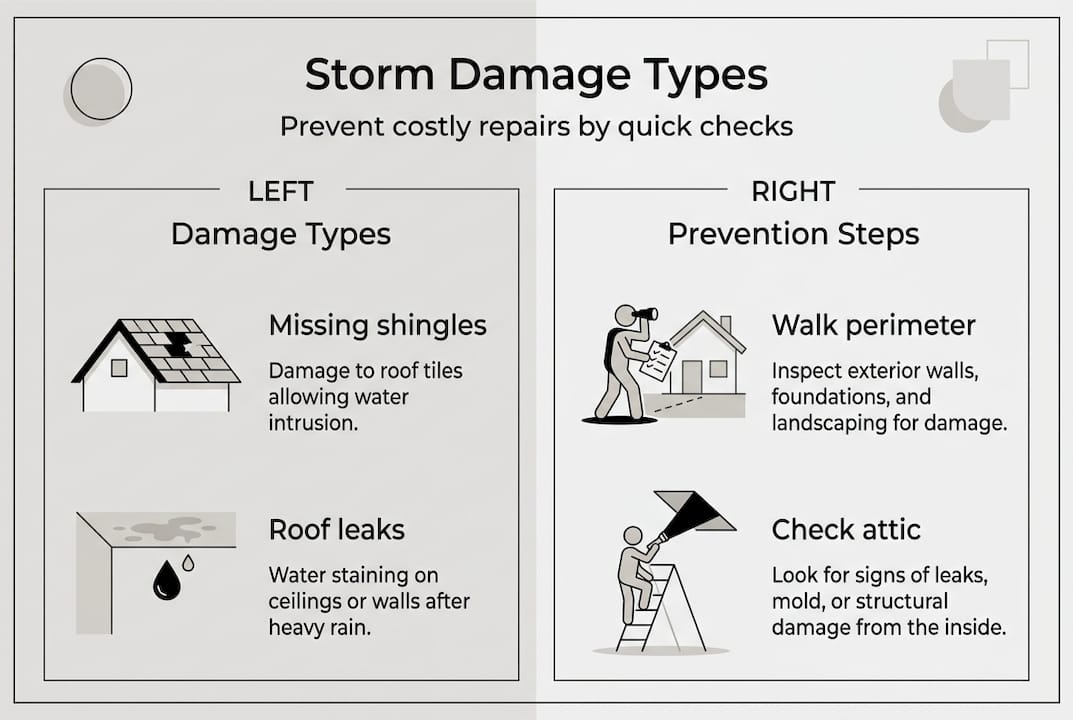
Pro Tip: Walk your property perimeter after major storms to spot ground debris, displaced shingles, or visible roof damage from a safe distance. Never climb on your roof for inspection as storm damage may have weakened its structural integrity.
The storm damage repair process: step by step guide
Following a structured emergency roof repair workflow helps deliver fast and effective storm solutions. Professional contractors use systematic approaches to assess damage, protect your home, coordinate insurance claims, and execute permanent repairs efficiently. Understanding this process helps you know what to expect and ensures you receive comprehensive service.
The complete repair workflow includes these essential steps:
- Initial damage assessment and professional inspection: Licensed roofing experts conduct thorough evaluations using moisture meters, thermal imaging, and structural analysis to identify all damage, including hidden issues not visible from ground level.
- Comprehensive documentation for insurance claims: Contractors photograph damage from multiple angles, measure affected areas, document pre-existing conditions, and prepare detailed reports supporting your insurance claim with evidence adjusters require.
- Emergency temporary protective measures: Immediate tarping, board-up services, or temporary sealing prevent additional water intrusion and secondary damage while permanent repairs are scheduled and insurance processes.
- Permanent repair execution: Skilled technicians replace damaged shingles, repair or replace flashing, seal penetrations, address structural issues, and restore your roof to full protective capacity using quality materials matched to your existing system.
- Final inspection and quality verification: Post-repair assessments confirm all work meets building codes, manufacturer specifications, and insurance requirements, with warranty documentation provided for your records.
- Insurance claim support and coordination: Experienced contractors communicate directly with adjusters, provide supplemental documentation when needed, and advocate for complete coverage of necessary repairs.
This systematic approach ensures nothing gets overlooked. Many homeowners discover additional damage during professional inspections that wasn’t apparent during initial visual checks. Thermal imaging reveals moisture intrusion invisible to the naked eye. Structural assessments identify weakened decking or framing requiring reinforcement. Comprehensive documentation strengthens insurance claims and prevents disputes over coverage.
The roof repair process guide emphasizes communication throughout each phase. Quality contractors keep you informed about findings, explain repair options, provide transparent pricing, and update you on timeline expectations. They handle permit requirements, coordinate material deliveries, and schedule work to minimize disruption to your daily routine.
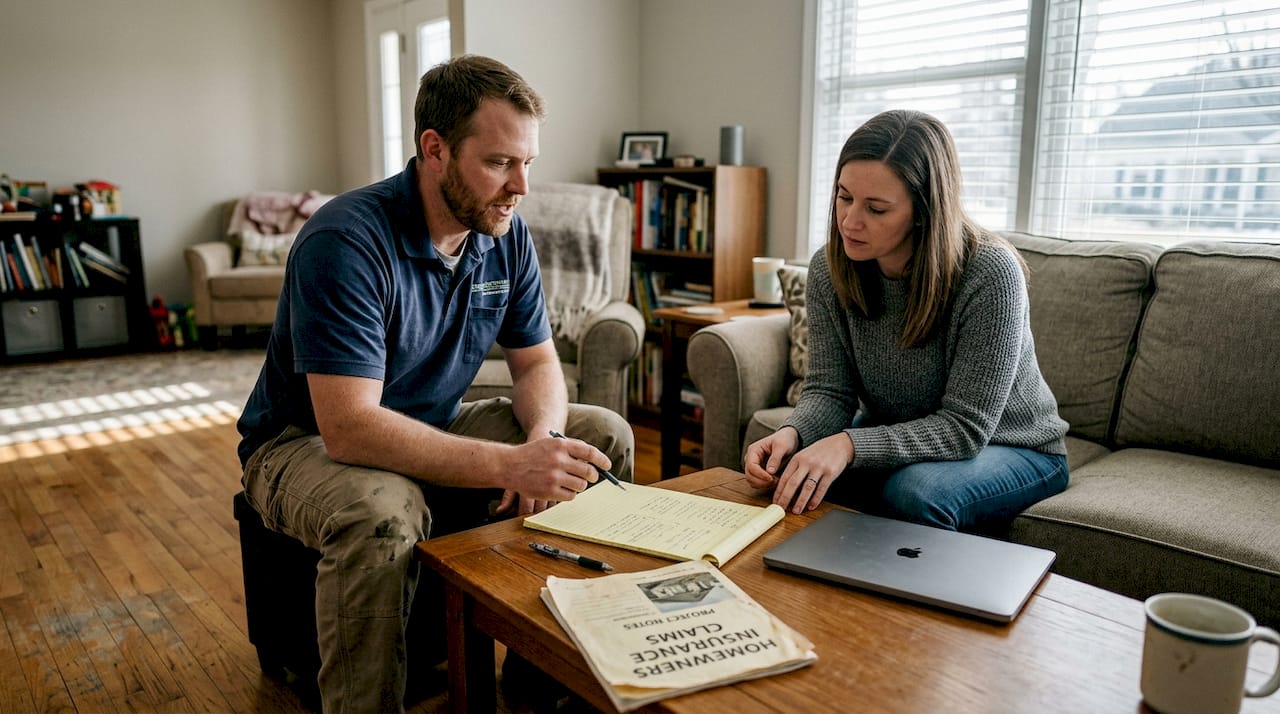
Pro Tip: Contact experienced local contractors knowledgeable about insurance procedures immediately after storm damage occurs. They can provide emergency protection while documentation and claims processing proceed, preventing the additional damage that often happens during delays.
Why timely storm damage repair saves you money
Repairing storm damage quickly can lower costs by up to 30% and reduce risk of more severe damage. The financial impact of delayed repairs extends far beyond the initial damage, creating cascading problems that multiply expenses exponentially. Understanding these cost dynamics motivates prompt action and protects your home investment.
Delayed repairs trigger predictable patterns of escalating damage and costs. Small leaks saturate insulation, reducing its R-value and increasing energy bills while promoting mold growth requiring expensive remediation. Water penetrating wall cavities rots framing lumber, damages electrical systems, and destroys drywall throughout affected areas. What begins as a few hundred dollars in shingle replacement becomes thousands in structural repairs, mold remediation, and interior restoration.
| Repair Timing | Average Repair Cost | Secondary Damage Risk | Total Cost Impact |
|---|---|---|---|
| Immediate (within 1 week) | $800 to $2,500 | Minimal | $800 to $2,500 |
| Delayed (1 to 3 months) | $1,500 to $4,000 | Moderate interior damage | $3,000 to $8,000 |
| Deferred (3+ months) | $3,000 to $8,000 | Extensive structural issues | $8,000 to $25,000+ |
Insurance considerations add another financial dimension to repair timing. Most policies require prompt damage reporting and reasonable efforts to prevent additional loss. Delays can result in claim denials for secondary damage deemed preventable. Adjusters may reduce settlements when homeowners fail to protect property after initial damage occurs. Quick action demonstrates responsible ownership and strengthens your claim position.
“Homeowners who schedule professional inspections within 48 hours of storm events consistently achieve better insurance outcomes and lower total repair costs. The difference between immediate action and a three-month delay often means the difference between a covered roof repair and an out-of-pocket structural restoration project.” — Senior Claims Adjuster, Major Property Insurance Provider
The cost benefits extend to property value protection. Homes with documented deferred maintenance or hidden damage sell for significantly less than comparable properties in good repair. Buyer inspections reveal water stains, mold, structural issues, and roof problems, triggering price reductions or deal cancellations. Maintaining your roof through prompt storm damage repair cost benefits preserves resale value and marketability.
Pro Tip: Schedule professional roof inspections immediately after any significant storm event, even when no obvious damage is visible from ground level. Hidden issues like lifted shingles, compromised flashing, or minor punctures worsen rapidly in Florida’s climate, and early detection prevents expensive surprises.
Choosing the right contractor for storm damage repair in Central Florida
Local roofing contractors understand Florida’s unique storm challenges and streamline the repair and insurance process. Selecting qualified professionals ensures quality repairs, fair pricing, proper insurance coordination, and long-term warranty protection. The contractor you choose directly impacts repair outcomes, costs, and your overall experience during a stressful situation.
Key qualities distinguish excellent storm damage repair contractors from mediocre or problematic ones:
- Active Florida state licensing and current liability insurance protecting you from contractor errors or accidents
- Extensive local experience with Central Florida weather patterns, building codes, and common storm damage scenarios
- Proven track record demonstrated through verified customer reviews, references, and completed project portfolios
- Insurance claim expertise including adjuster communication, documentation standards, and supplemental claim processes
- Emergency response capability with 24/7 availability for urgent situations requiring immediate protective measures
- Transparent pricing with detailed written estimates, clear scope definitions, and no hidden fees or surprise charges
- Manufacturer certifications indicating training on proper installation techniques and access to enhanced warranty programs
| Factor | Local Contractors | Non-Local Contractors |
|---|---|---|
| Florida storm expertise | Extensive experience with regional weather patterns | Limited local knowledge |
| Response time | Same-day or next-day emergency service | Delayed response, travel time |
| Insurance familiarity | Established relationships with local adjusters | Learning curve with regional claim processes |
| Code compliance | Current knowledge of county requirements | May miss local code nuances |
| Average cost | Competitive, no travel premiums | Often higher due to mobilization costs |
| Follow-up service | Readily available for warranty work | Difficult to reach after project completion |
Vetting contractors thoroughly protects you from common problems like incomplete work, insurance fraud schemes, unlicensed operators, or price gouging after disasters. Request and verify state licensing numbers through official databases. Confirm insurance coverage directly with carriers, not just by reviewing certificates contractors provide. Check references and read recent reviews focusing on storm damage projects specifically.
Ask targeted questions during estimate consultations to assess contractor quality. How long have you operated in Central Florida? Can you provide references from recent storm damage projects? What is your process for coordinating with insurance adjusters? Do you handle permit applications and inspections? What warranties cover your workmanship and materials? How do you protect my property during repairs? Thoughtful answers demonstrate professionalism and experience.
Choose local roofing contractors who maintain permanent business locations, employ trained crews, and have reputations to protect in your community. Avoid storm chasers who appear after disasters, pressure immediate decisions, request large upfront payments, or lack verifiable credentials. Quality contractors earn business through expertise and service, not high-pressure sales tactics.
Trusted storm damage repair services by Thomas Roofing and Repair
When storm damage threatens your Central Florida home, Thomas Roofing and Repair delivers the fast, professional response you need to protect your investment and restore peace of mind. Our licensed team brings decades of combined experience addressing hurricane damage, severe thunderstorm impacts, and hail damage throughout Brevard, Volusia, and Orange counties. We understand the unique challenges Florida weather creates and respond with proven solutions.

Our comprehensive storm damage services include emergency tarping and temporary protection, thorough damage assessment using advanced detection technology, complete insurance documentation support, and expert permanent repairs restoring your roof to full protective capacity. We’re trusted roof installation pros in Horizon West and surrounding communities, known for quality workmanship and transparent communication throughout every project phase.
Our emergency roof repair workflow prioritizes your safety and minimizes total repair costs through immediate action. We coordinate directly with insurance adjusters, provide detailed documentation supporting your claim, and advocate for complete coverage of necessary repairs. Our local reputation depends on delivering exceptional service, fair pricing, and lasting results that protect Central Florida homes for years.
Pro Tip: Contact Thomas Roofing within 24 hours of storm damage to maximize storm damage repair timing benefits and prevent the secondary damage that drives costs higher. Our rapid response team is available 24/7 for emergency situations requiring immediate protective measures.
Frequently asked questions
What types of storm damage require immediate repair?
Active leaks, missing shingles exposing underlayment, severe hail damage compromising shingle integrity, and any exposed roof decking require immediate professional repair to prevent water intrusion and structural damage. Damaged flashing around chimneys or vents also demands urgent attention as these areas channel significant water into your home. Delaying repairs for these critical issues increases secondary damage risk exponentially, often turning manageable repairs into expensive restoration projects within days.
How do I verify if a roofing contractor is qualified for storm damage repair?
Confirm active Florida state licensing through official databases, verify current liability insurance directly with carriers, and review recent customer feedback focusing on storm damage projects specifically. Ask contractors about their experience with insurance claims, emergency response capabilities, and local building code knowledge. Request references from recent storm repair clients and follow up to ask about communication quality, work timeliness, and overall satisfaction with results.
Will my homeowner’s insurance cover storm damage repair costs?
Most Florida homeowner policies cover sudden storm damage including wind, hail, and resulting water intrusion, but coverage depends on your specific policy terms, deductibles, and damage documentation quality. Prompt claim filing with professional contractor documentation significantly improves approval likelihood and settlement amounts. Insurance typically excludes damage from deferred maintenance or pre-existing conditions, making professional inspections that distinguish storm damage from wear important for claim success.
Can I perform storm damage repairs myself?
DIY storm damage repairs risk incorrect techniques that void manufacturer warranties, fail to meet building codes, create liability issues, and often cause additional damage requiring professional correction. Insurance companies may deny claims for damages resulting from improper homeowner repairs or reject coverage when DIY work prevents accurate damage assessment. Professional repairs ensure safety during dangerous roof work, deliver code-compliant solutions, provide warranty protection, and include proper documentation supporting insurance claims and future home sales.
Recommended
- Storm Damage Repair: 30% Lower Costs When Fixed Fast
- Storm Damage – Thomas Roofing & Repair Inc.
- Roof Maintenance Guide 2026: Protect Your Florida Home
- Roof Replacement in Central Florida – What Homeowners Need to Know
- Roofing Company Orlando, FL
- Roofing Company Titusville, FL
- Roofing Company DeLand, FL