
Many Central Florida homeowners wait until they see a leak or missing shingles before thinking about their roof. That delay can cost thousands. Recent hurricanes revealed unnecessary losses from roof neglect across the region. Between hurricane season, intense UV exposure, and strict insurance requirements, your roof faces unique pressures. This guide shows how regular inspections prevent costly damage, maintain property value, and ensure long-term roofing safety for your home.
Table of Contents
- The true cost of skipping roof inspections
- Unique roof risks for Central Florida homeowners
- What roof inspectors look for and why it matters
- Choosing the right roofing professional for safety and peace of mind
- How regular roof inspections protect your investment
- Connect with Central Florida’s trusted roofing professionals
- Frequently asked questions
Key Takeaways
| Point | Details |
|---|---|
| Prevention saves money | Routine roof inspections help you avoid costly damage and lower repair costs long-term. |
| Insurance requirements matter | Regular inspections keep your home eligible for coverage and may reduce premiums. |
| Choose licensed pros only | Certified inspectors spot hidden risks and ensure you get proper insurance documentation. |
| Local risks demand vigilance | Central Florida’s storms and sun make annual roof checks essential for lasting peace of mind. |
The true cost of skipping roof inspections
Ignoring your roof until problems appear always costs more than prevention. After major storms, homeowners with neglected roofs face repair bills that dwarf the cost of routine inspections. Insurance companies deny claims when maintenance records are missing, leaving you to cover the full expense.
Hidden damage during home sales can slash your property value. Buyers walk away or demand steep discounts when inspections reveal deferred maintenance. The gap between proactive and reactive spending tells the whole story.
“Homeowners who skip inspections pay 3-5 times more in emergency repairs than those who maintain regular inspection schedules.”
Empirical evidence confirms fortified roofs drastically cut hurricane losses. The numbers favor prevention:
- Emergency storm repairs average $8,000-$15,000 for neglected roofs
- Insurance claim denials cost homeowners the full replacement expense
- Property value drops 5-10% when hidden roof damage surfaces during sale inspections
- Annual inspections cost $200-$400 but prevent five-figure surprise bills
The math is simple. Regular roof inspection benefits compound over time, while neglect creates cascading problems. Your roof protects your biggest investment. Treating it like an afterthought until crisis hits guarantees you’ll pay the maximum price. Understanding Florida roofing insurance requirements helps you avoid claim denials that leave you financially exposed.
Unique roof risks for Central Florida homeowners
Central Florida’s climate creates a perfect storm of roof threats. Hurricane season brings sustained winds and flying debris. Year-round UV exposure degrades materials faster than northern climates. Afternoon thunderstorms deliver hail and torrential rain that test every seal and flashing.
Your roof type determines vulnerability. Asphalt shingles dominate local homes but suffer UV damage and wind uplift. Tile roofs handle heat well but crack under impact. Metal roofing resists wind but requires expert installation to prevent leaks. Post-Ian data shows code improvements helped, yet asphalt remains vulnerable.
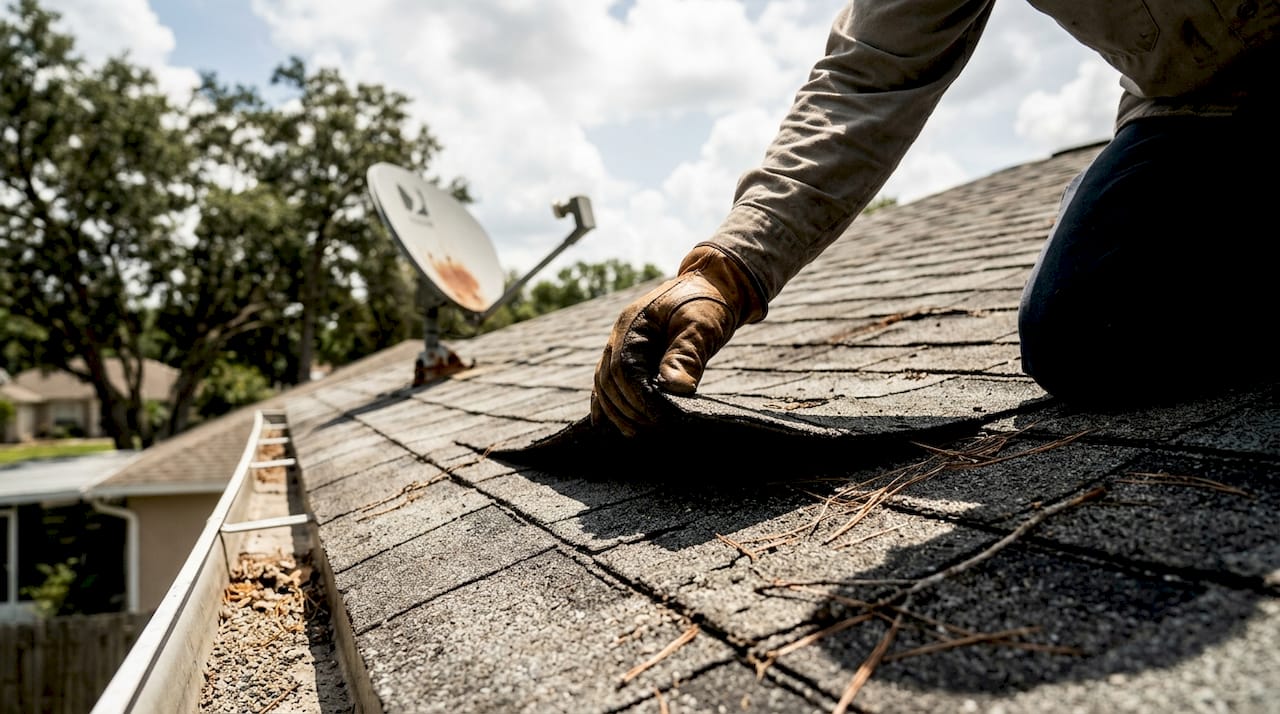
Insurance companies demand proof your roof can handle local conditions. Four-point inspections verify structural integrity. Wind mitigation reports document hurricane-resistance features. Miss these requirements and your premiums skyrocket or coverage disappears entirely.
| Roof Type | Primary Vulnerability | Inspection Frequency | Hurricane Rating |
|---|---|---|---|
| Asphalt Shingles | Wind uplift, UV damage | Annual | Moderate |
| Concrete Tile | Impact cracks, underlayment | Every 18 months | High |
| Metal | Fastener failure, panel separation | Annual | Very High |
| Modified Bitumen | Seam failure, ponding water | Every 6 months | Low to Moderate |
Central Florida roofs face 40% more UV exposure than northern states, accelerating material breakdown.
Local building codes evolved after major hurricanes, but older homes lack modern protections. Your roof might meet code from its installation year yet fall short of current insurance standards. Regular inspections catch these gaps before they become claim denials. Understanding Central Florida inspection benefits helps you stay ahead of both weather and insurance requirements. Knowing roof inspection terms makes conversations with contractors clearer and more productive.
What roof inspectors look for and why it matters
Professional roof inspections follow a systematic approach that reveals problems invisible from the ground. Inspectors start with the underlayment, checking for moisture intrusion that signals future leaks. They examine flashing around chimneys, vents, and valleys where water penetrates most often. Shingle condition gets scrutinized for curling, missing granules, or wind damage. Drainage systems must channel water away efficiently or risk pooling that accelerates deterioration.
Hidden problems emerge during thorough inspections. Soft spots indicate water damage spreading through decking. Wind damage might show only as lifted shingle edges that let rain underneath. Flood residue leaves mineral deposits that compromise roof integrity over time. These issues compound silently until a storm exposes them catastrophically.
Modern technology transforms inspection accuracy. Drone and thermal imaging work perfectly for steep tile roofs common in Central Florida. Drones capture high-resolution images of areas too dangerous to walk. Thermal cameras spot moisture trapped in layers before it causes visible damage. This tech catches problems years earlier than visual inspection alone.
Inspection findings drive smart decisions. Minor repairs cost hundreds and extend roof life by years. Waiting until replacement becomes necessary means spending $15,000-$30,000 all at once. The inspection report gives you timeline and budget clarity.
Pro Tip: Schedule inspections in spring before hurricane season. This timing gives you months to complete repairs before storms test your roof’s weaknesses.
Here’s what a complete inspection covers:
- Structural assessment checking rafters, trusses, and decking for damage or sagging
- Underlayment examination for tears, moisture, or deterioration
- Flashing inspection at all penetrations and transitions
- Shingle or tile condition including attachment, damage, and remaining life
- Drainage evaluation of gutters, downspouts, and water flow patterns
- Ventilation check ensuring proper attic airflow to prevent heat damage
- Documentation with photos and detailed notes for insurance and records
Understanding roof inspection essentials helps you know what to expect. Following a solid roof maintenance guide between inspections extends the benefits.
Choosing the right roofing professional for safety and peace of mind
Hiring the wrong inspector creates more problems than it solves. High-pressure sales tactics disguised as free inspections lead to unnecessary replacements. Unlicensed contractors provide vague reports that insurance companies reject. You need someone who prioritizes accuracy over upselling.
Watch for these warning signs:
- Offers that seem too good to be true or pressure you to decide immediately
- No state licensing or proof of liability insurance
- Reports lacking specific details, measurements, or photo documentation
- Recommendations for full replacement when repairs would suffice
- Unwillingness to answer questions or explain findings clearly
Legitimate professionals carry proper credentials. Florida requires roofing contractors to hold state licenses. Liability insurance protects you if inspection causes damage. Workers’ compensation covers their team. Ask to see all three before anyone steps on your roof.
Pro Tip: Request references from recent clients and check online reviews. Patterns of complaints about upselling or poor communication reveal problems before you hire.
Ask these questions during your search:
- How long have you operated in Central Florida and what’s your hurricane claim experience?
- What technology do you use for inspections on tile or steep roofs?
- Can you provide a sample inspection report so I know what to expect?
- Do you offer both inspection and repair services or just inspections?
- What’s your timeline for delivering the written report after inspection?
Local experience matters enormously for hurricane claims and code compliance. Inspectors familiar with Central Florida building codes spot violations that out-of-area contractors miss. They understand which insurance companies require specific documentation formats. Their relationships with local adjusters can smooth claim processing. All sources emphasize working with licensed professionals over DIY approaches or unlicensed inspectors.
Working with trusted Central Florida inspectors who know local conditions gives you confidence in their findings and recommendations.
How regular roof inspections protect your investment
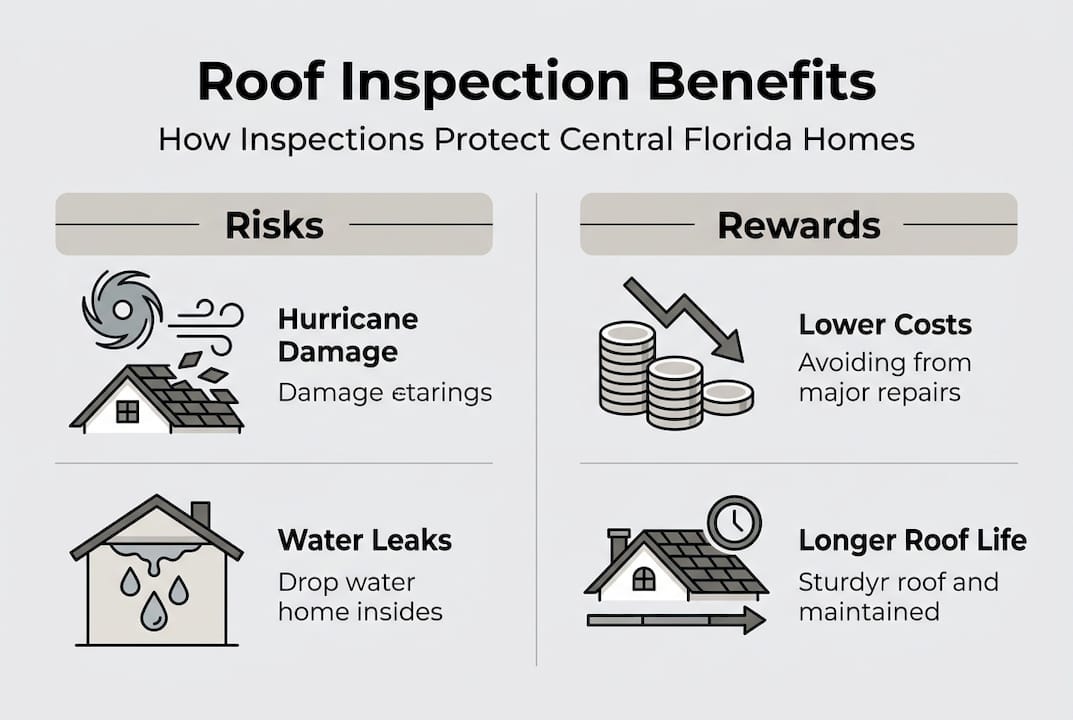
Consistent inspections deliver compounding benefits that protect your home’s value and your financial security. Insurance compliance keeps your coverage active and premiums lower. Early problem detection prevents small issues from becoming catastrophic failures. Documentation creates a maintenance history that reassures buyers and supports higher resale prices.
| Benefit Category | Impact | Annual Value |
|---|---|---|
| Insurance Compliance | Maintains coverage, earns discounts | $300-$800 savings |
| Storm Durability | Reduces damage severity by 60-70% | $5,000-$12,000 avoided costs |
| Resale Value | Adds 3-5% to home value | $9,000-$15,000 on median home |
| Claim Success | Increases approval rate to 85%+ | Full coverage vs. denial |
Fortified roofs drastically reduce hurricane losses compared to neglected ones. The data supports proactive maintenance over reactive repairs every time.
Scheduling your next inspection takes just a few steps:
- Contact licensed inspectors in your area and request quotes
- Verify credentials including state license, insurance, and local references
- Schedule for spring or early summer before peak hurricane season
- Clear access to attic, garage, and exterior areas around your home
- Plan to be present so you can ask questions and see findings firsthand
- Review the written report carefully and prioritize recommended repairs
- Keep all documentation organized for insurance and future sale purposes
Your roof works hardest during storms but degrades daily from sun and heat. Regular inspections catch the slow damage before it becomes urgent. Following proven roof maintenance tips between professional visits extends your roof’s lifespan. Using a detailed roof maintenance checklist helps you stay organized and proactive about your home’s protection.
Connect with Central Florida’s trusted roofing professionals
You now understand why inspections matter and how to choose the right professional. The next step is taking action before the next storm season arrives. Waiting until you see damage means you’ve already lost time and money.
Thomas Roofing and Repair brings decades of Central Florida experience to every inspection. We understand local building codes, insurance requirements, and the specific challenges our climate creates for roofs.

Our team uses drone technology and thermal imaging to inspect steep tile roofs safely and thoroughly. We provide detailed reports that insurance companies accept without question. Whether you need a routine annual inspection, post-storm assessment, or pre-sale documentation, we deliver the expertise Central Florida homeowners trust. Our comprehensive storm damage repair guide helps you understand what to do after severe weather. Our transparent roof maintenance process shows exactly what to expect. We focus on building durable storm-ready roofs that protect your investment for decades.
Frequently asked questions
How often should Central Florida homeowners schedule a roof inspection?
At least once every year, or immediately after any severe storm, to comply with insurance requirements and catch problems early. Florida insurance companies require routine inspections, especially after major weather events.
What’s the difference between a 4-point and wind mitigation inspection?
A 4-point inspection checks your roof, HVAC, electrical, and plumbing systems for overall condition. Wind mitigation focuses specifically on hurricane-resistance features like roof-to-wall connections and impact-resistant materials to lower insurance costs. Central Florida homeowners should prioritize both inspection types for complete insurance compliance.
Can I do a roof inspection myself?
DIY checks can spot obvious problems like missing shingles, but only licensed professionals provide the detailed inspection and documentation that insurance companies require. Empirical evidence supports professional inspections over DIY approaches for comprehensive roof assessment.
Will my insurance rates go down after a roof inspection?
Inspections alone don’t lower rates, but wind mitigation reports documenting hurricane-resistant features often earn significant insurance discounts. Wind mitigation reports can reduce premiums by 10-45% depending on your roof’s protective features and your insurance company’s discount structure.
Recommended
- Roof inspection benefits for Central Florida properties
- Benefits of Roof Inspection for Central Florida Homes
- Roof Inspection Terminology – What Homeowners Must Know
- Roof Leak Detection: Protecting Central Florida Homes
- Roofing Company Orlando, FL
- Roofing Company Titusville, FL
- Roofing Company DeLand, FL