
TL;DR:
- Missing shingles expose the roof’s underlayment to weather damage, increasing the risk of leaks and decay. Prompt repair and proper protection prevent costly interior water damage and extend roof lifespan. When damage exceeds three shingles or the roof shows signs of deterioration, professional assistance is advisable.
Roof repair for missing shingles is defined as the process of identifying, removing, and replacing absent or broken asphalt shingles to restore your roof’s waterproof barrier. A single missing shingle exposes the underlayment and roof deck to rain, UV damage, and mold within days. Industry standards recommend repair when roof age is under 15 years and damage covers under 10–30% of the surface area. Thomasroofingandrepair handles these repairs daily across Central Florida, where summer storms routinely strip shingles from otherwise sound roofs. Acting fast protects both your home and your insurance claim.
How to assess roof repair damage from missing shingles
The safest first step is a ground-level inspection. Walk the perimeter of your home and look up at every roof plane. Binoculars or a smartphone with a zoom lens let you spot bare patches, lifted edges, or exposed nail heads without climbing a ladder.
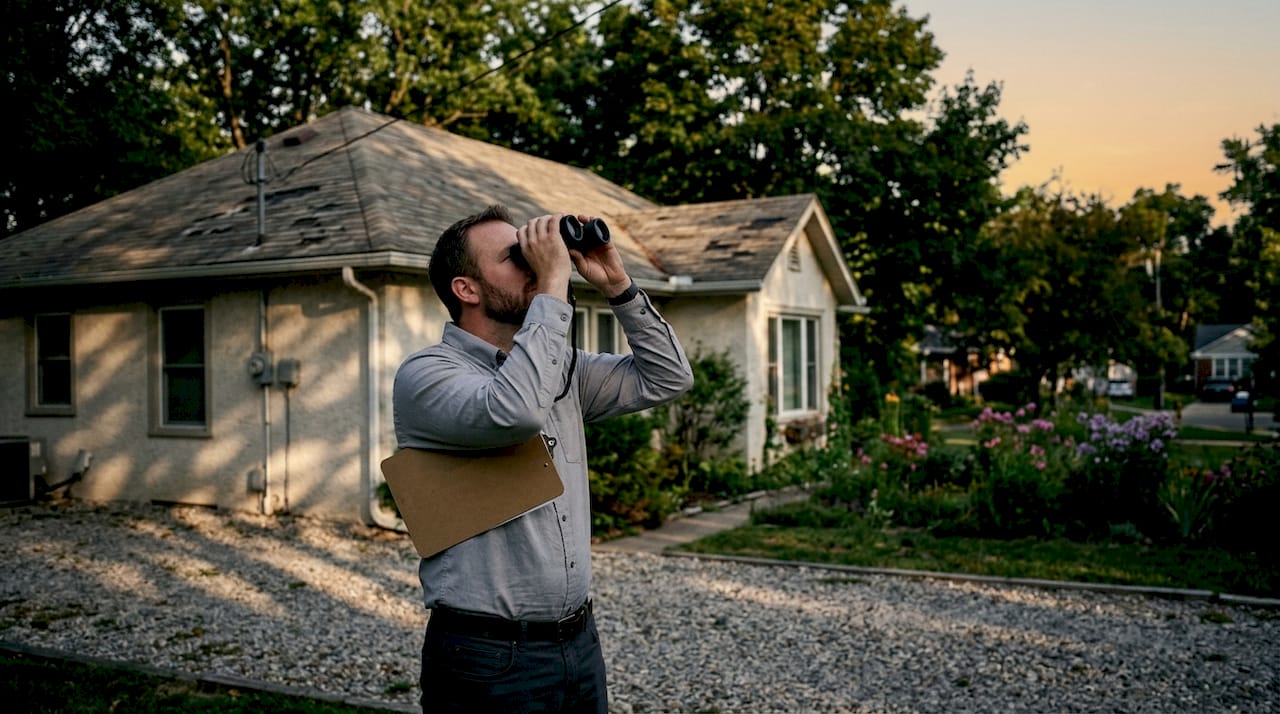
Once you identify a suspect area, document everything before touching the roof. Photos and video before repairs reduce insurance claim denials and support timely repair authorization. Shoot from multiple angles and capture the surrounding shingles, not just the gap.
Look beyond the obvious missing piece. Adjacent shingles often show cracked tabs, lifted corners, or granule loss that signals they will fail next. Catching these early saves you a second service call.
Pro Tip: Check your gutters and downspouts after a storm. A heavy deposit of granules in the gutter tray is a reliable early sign of shingle deterioration even before shingles go fully missing.
If you find damage, protect the area immediately. A 6 mil polyethylene tarp secured with 2×4 boards prevents further water intrusion while you arrange repairs. The tarp must extend at least 4 feet beyond the damaged area in every direction. Never drive nails or screws through the roof deck or existing shingles to hold the tarp down. The 2×4 boards go over the tarp edges and are secured to each other, not to the roof surface.
Key signs of roof damage to document:
- Bare patches where shingles are completely gone
- Cracked, curled, or lifted shingle tabs near the gap
- Dark staining or wet spots on the roof deck visible through the gap
- Granule buildup in gutters directly below the damaged section
- Interior water stains on ceilings or attic rafters
What tools and materials do you need for replacing missing shingles?
Having the right equipment before you start prevents mid-job problems and keeps you safe. The table below separates tools from materials so you can check both lists before climbing.
| Category | Item | Purpose |
|---|---|---|
| Tools | Pry bar | Lifts surrounding shingles and pulls nails |
| Tools | Hammer | Drives roofing nails flush |
| Tools | Utility knife | Scores and cuts new shingles to size |
| Tools | Extension ladder | Provides safe roof access |
| Tools | Safety harness | Prevents falls on pitched roofs |
| Materials | Matching shingles | Replaces missing pieces |
| Materials | Roofing nails (1.75 in.) | Secures new shingles to deck |
| Materials | Roofing cement | Seals edges and nail heads |
| Materials | Roofing caulk | Fills gaps around flashing |
Matching shingles is harder than it sounds. Shingle color fades over years of sun exposure, so a brand-new shingle from the same product line will look noticeably brighter than the surrounding roof. Check your attic or garage for leftover shingles from the original installation first. If none exist, bring a photo of the roof to a roofing supply house and ask for the closest aged match.
Pro Tip: Buy one extra shingle bundle beyond what you calculate you need. Cutting errors happen, and having a spare on hand prevents a second trip to the supply house mid-repair.
For gable roofs and other common residential styles, roofing best practices call for roofing cement rated for your climate. In Florida’s heat and humidity, a high-temperature, rubberized roofing cement outperforms standard asphalt-based products.
Step-by-step guide to replacing missing shingles safely
Replacing missing shingles requires careful removal, deck inspection, and correct installation to prevent leaks and ensure durability. Rushing any step creates new problems.
-
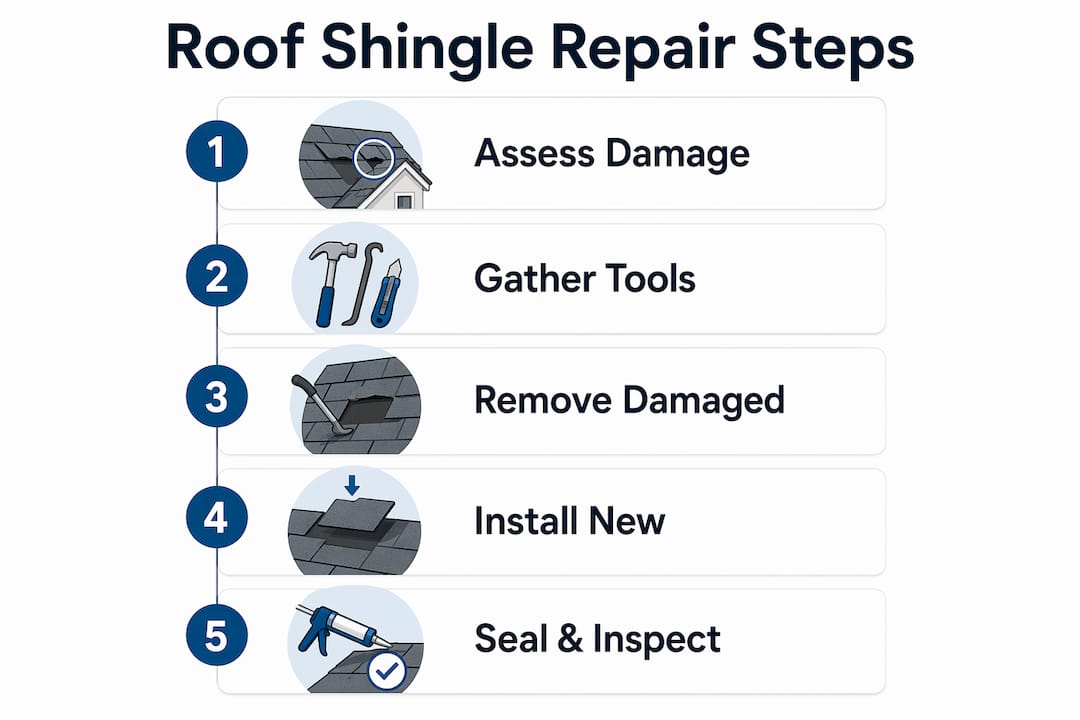
Break the seal on surrounding shingles. Slide a pry bar under the edges of the shingles directly above and beside the gap. Press gently to break the factory sealant strip without cracking the tab. Work slowly. Forcing the pry bar tears shingles you want to keep.
-
Extract all remaining nails. Every nail from the missing shingle must come out. Nails left in place will lift the new shingle and create a leak point. Use the pry bar’s notch to pull each nail straight up.
-
Inspect the exposed deck. Look for soft spots, rot, or dark staining on the wood sheathing beneath. Press the deck with your hand. Solid wood feels firm. Rotted wood feels spongy. If you find rot, the deck needs patching before any new shingle goes down.
-
Slide the new shingle into position. Align the bottom edge with the shingles on either side. The top edge should tuck under the shingles above. Do not force it. If it does not slide cleanly, trim the top edge slightly with a utility knife.
-
Nail the shingle correctly. Drive four roofing nails across the nail line, which sits about 1 inch above the top of the cutouts. Nails must be flush with the surface, not countersunk. A countersunk nail tears the shingle; a raised nail lifts it.
-
Apply roofing cement under lifted edges. Dab roofing cement under the edges of the surrounding shingles you lifted during step one. Press them flat and hold for 30 seconds. This restores the waterproof seal.
-
Seal all nail heads. Apply a small dab of roofing cement over each exposed nail head on the new shingle. This step is skipped most often by DIYers and is the most common source of new leaks.
Pro Tip: Never work on a wet roof. Wet asphalt shingles are as slippery as ice, and wet roofing cement will not bond properly. Wait at least 24 hours after rain before starting any repair.
Common mistakes to avoid: nailing too close to the shingle edge, skipping the deck inspection, using interior caulk instead of roofing cement, and failing to re-seal the surrounding shingles after lifting them.
When should you call a professional instead of doing it yourself?
DIY repair is feasible for one or two missing shingles on a safely accessible, low-slope roof with matching materials available. Beyond those conditions, professional help is the right call.
Call a licensed roofing contractor when:
- Three or more shingles are missing or damaged in the same area
- The roof pitch is steep enough that walking feels unsafe
- You find soft spots, rot, or visible structural damage on the deck
- The damage is near a valley, chimney, or skylight where flashing is involved
- You plan to file an insurance claim and need a documented inspection report
- The roof is older than 15 years and has had multiple repairs already
Roofs near end of life make repeated shingle repairs temporary solutions. Replacement delivers better long-term value when repair costs approach 30% of replacement cost. A professional can tell you which side of that line you are on after a single inspection.
Professional contractors also carry liability insurance. If you fall or cause additional damage during a DIY repair, your homeowner’s policy may not cover the injury or the resulting damage. That risk alone often outweighs the cost of a service call.
Insurance claims and long-term maintenance for damaged roof shingles
Homeowners insurance typically covers sudden storm-related shingle loss regardless of how many shingles are affected. Claim approval depends on proving the damage was caused by a specific weather event and that you filed promptly.
Steps to protect your claim:
- Document damage with dated photos and video immediately after the storm
- Apply temporary tarping to prevent additional water damage before repairs
- Request a professional inspection report before filing. Objective, documented evidence linking damage to the storm event maximizes approval chances.
- File your claim within the window specified in your policy, typically 30–60 days after the event
- Keep all receipts for temporary repairs, materials, and contractor invoices
For long-term roof maintenance, schedule a professional inspection every year, ideally in the spring before hurricane season begins in Central Florida. Catching loose or cracked shingles early costs far less than addressing the water damage they cause. Thomasroofingandrepair offers residential roof maintenance programs designed specifically for Florida’s climate, covering annual inspections and minor repairs before they become major problems.
Key Takeaways
Prompt roof repair for missing shingles prevents water damage, supports insurance claims, and extends roof life by years when done correctly with the right tools and professional guidance.
| Point | Details |
|---|---|
| Assess before you climb | Use binoculars and zoom photos from the ground to document damage safely. |
| Tarp correctly | Extend the tarp 4 feet beyond the damaged area and secure with 2×4 boards, not nails. |
| Follow the repair sequence | Inspect the deck, nail correctly, and seal every nail head to prevent new leaks. |
| Know the DIY limit | Call a professional when more than two shingles are missing or the deck shows rot. |
| File insurance promptly | Get a professional inspection report before filing to maximize claim approval. |
The repair you skip today costs three times as much next year
Most homeowners who call Thomasroofingandrepair after a storm are not dealing with the original storm damage. They are dealing with the water damage that followed two or three months of a missing shingle they thought was minor. That pattern repeats constantly across Brevard, Volusia, and Orange counties.
The misconception I see most often is that one missing shingle is a cosmetic problem. It is not. It is an open hole in a waterproof system. Rain hits that spot, runs under the adjacent shingles, soaks the underlayment, and reaches the deck within a few storms. By the time a ceiling stain appears inside the home, the deck repair cost has already multiplied the original shingle replacement cost several times over.
The second mistake is treating every small repair as a separate event. Labor and trip charges drive the cost of small repairs far more than materials do. Bundling two or three minor issues into one professional visit cuts total cost significantly compared to scheduling separate calls. When I walk a roof for one missing shingle, I almost always find two or three other spots that are one storm away from failing. Fixing them all at once is the only financially sensible approach.
Minor repairs for 1–3 missing shingles typically cost $150–$400, mostly driven by the professional service minimum charge. That number is not the problem. The problem is paying it three separate times for three separate visits when one visit would have covered everything.
— Thomasroofingandrepair
Thomasroofingandrepair: fast, reliable shingle repair across Central Florida
Missing shingles after a Florida storm need attention within days, not weeks. Thomasroofingandrepair provides emergency storm repairs across Brevard, Volusia, and Orange counties, with crews trained to assess, document, and repair damaged shingles in a single visit.

Every repair includes a written inspection report you can submit directly to your insurance carrier, plus a workmanship warranty on all completed work. Thomasroofingandrepair also offers financing options for homeowners facing larger repairs or full replacements. Whether you need reliable roof repair in Titusville or anywhere else in Central Florida, the team is ready to schedule a free estimate and get your roof sealed before the next storm arrives.
FAQ
How much does roof repair for missing shingles cost?
Minor repairs for 1–3 missing shingles typically run $150–$400, with most of that cost coming from the professional service minimum charge rather than materials. Bundling multiple small repairs into one visit reduces the total cost.
Can I repair a missing shingle myself?
DIY repair works for one or two missing shingles on a low-slope, safely accessible roof when matching materials are available. Steep roofs, multiple missing shingles, or any sign of deck damage require a licensed contractor.
Will my homeowners insurance cover missing shingles?
Homeowners insurance typically covers sudden storm-related shingle loss. Claim approval depends on timely filing, proper damage documentation, and a professional inspection report linking the damage to a specific weather event.
How do I temporarily protect my roof after shingles go missing?
Cover the damaged area with a 6 mil polyethylene tarp that extends 4 feet beyond the gap in all directions. Secure the tarp with 2×4 boards placed over the edges. Never nail or screw through the roof deck or existing shingles.
When should I replace the roof instead of repairing missing shingles?
Replacement makes more sense when repair costs approach 30% of full replacement cost, or when the roof is older than 15 years with recurring damage. A professional inspection gives you the data to make that call accurately.