
 407-408-0577
TL;DR:
- Central Florida roof installations require careful planning due to weather, permits, and demand.
- Scheduling early and building buffer time can prevent delays caused by storms or supply chain issues.
- Prompt coordination and flexibility help homeowners secure timely, efficient roofing services in a busy season.
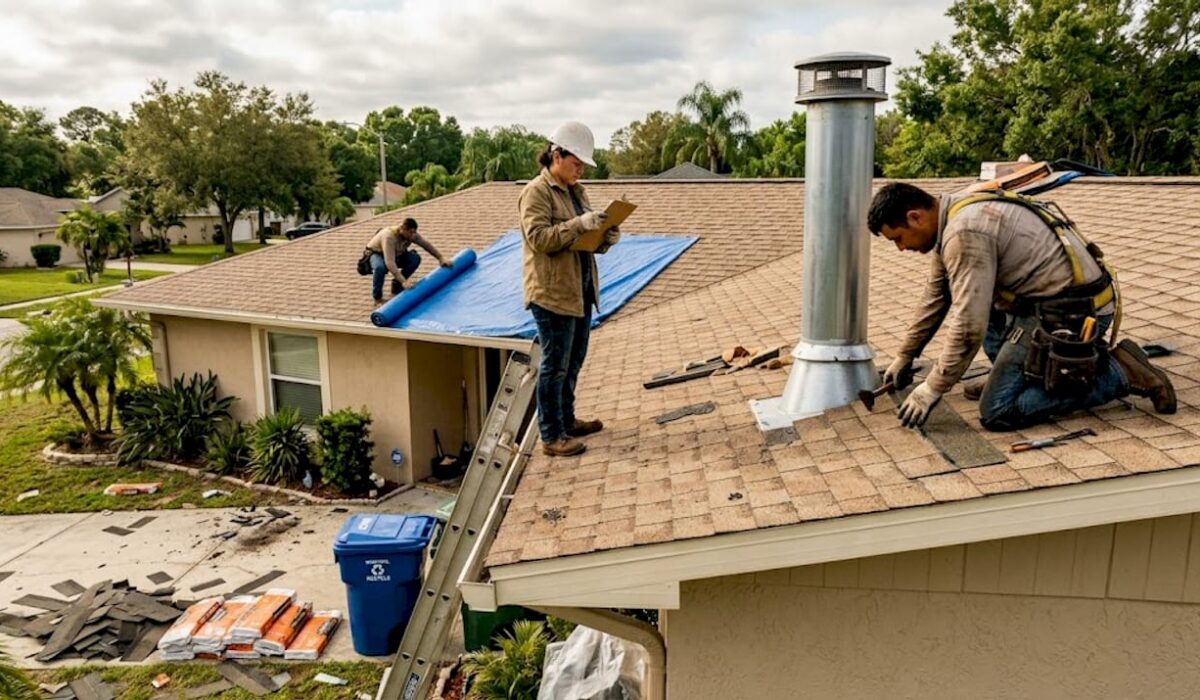
Planning a roof installation in Central Florida sounds straightforward until a contractor tells you the next available slot is six weeks out, or a pop-up storm pushes your start date back by days. Between the unpredictable rainy season, hurricane threats, and surging demand after storms, homeowners who wing it often end up waiting far longer than necessary. This guide walks you through every step of scheduling a roof installation, from understanding realistic timelines to coordinating with your contractor, so you can protect your home without the stress of last-minute scrambling.
Table of Contents
- Understanding the roof installation timeline
- Choosing the best time for installation
- Preparing your home and calendar
- Coordinating with your roofing contractor
- Why fast action (not perfection) wins roof scheduling in Florida
- Schedule your installation with Central Florida’s roofing experts
- Frequently asked questions
Key Takeaways
| Point | Details |
|---|---|
| Plan ahead | Booking your roof installation early avoids the bottlenecks of storm season and contractor demand. |
| Prep your property | Simple tasks like clearing driveways and alerting neighbors ensure a smooth install day. |
| Flexible scheduling matters | Central Florida weather means plans may shift, so be ready to adjust dates as needed. |
| Choose reputable contractors | Clear communication and documented agreements are key to a successful, stress-free installation. |
Understanding the roof installation timeline
Before you pick a date, you need to know what you’re actually scheduling. A roof installation isn’t a single-day event you drop onto the calendar. It’s a sequence of stages, and each one has its own timeline that can shift depending on conditions specific to Central Florida.
Here’s a breakdown of the typical phases and how long each one takes:
| Stage | Typical timeframe |
|---|---|
| Initial inspection and estimate | 1 to 3 days |
| Permit application and approval | 5 to 15 business days |
| Material ordering and delivery | 3 to 7 days |
| Actual roof installation | 1 to 3 days |
| Final inspection by county | 2 to 5 business days |
| Cleanup and project close | 1 day |
As the roof replacement process shows, installations can range from a few days to over a week depending on weather, inspection timing, and roof complexity. That means your total project window, from first call to final sign-off, can stretch to four or even six weeks.
The most common scheduling bottlenecks in Central Florida include:
- Permit delays: Orange, Brevard, and Volusia counties each have their own permitting offices, and backlogs spike after storm seasons when every contractor in the region is filing at once.
- Material backorders: Certain shingle types and underlayments face supply chain delays, especially after widespread storm damage drives regional demand up.
- Contractor availability: Reputable roofers book up fast. Waiting until you notice a leak puts you at the back of a long line.
- Failed inspections: A missed detail during installation can trigger a re-inspection, adding days to your timeline.
- Weather holds: Rain, lightning, and high winds shut down roofing work immediately for safety reasons.
“Homeowners who start the permitting process early and confirm material availability before scheduling their install date cut their total project time by weeks, not days.”
The takeaway here is simple. Every stage needs buffer time. Build that buffer into your plan from day one, and you won’t be caught off guard when county permitting takes longer than expected.

Choosing the best time for installation
Once you know the stages, timing your installation for the right season can save significant hassle. Central Florida’s climate doesn’t behave like most of the country, so general advice about “spring being the best time” doesn’t always hold here.
| Season | Weather risk | Contractor availability | Cost pressure |
|---|---|---|---|
| Spring (March to May) | Low to moderate | Moderate | Standard |
| Summer (June to September) | High, hurricane season | Low, high demand | Higher |
| Fall (October to November) | Moderate | Moderate | Standard |
| Winter (December to February) | Low | High | Often lower |
Winter is actually an underrated window for Central Florida homeowners. Contractor schedules open up, weather is more cooperative, and you may find better pricing. Spring is also solid if you book early, before the rush ahead of hurricane season.
Summer is the trickiest. Storm backlogs and scheduling delays are most common between June and September, when hurricanes and tropical storms keep contractors juggling emergency repairs alongside planned installs. Our storm season roofing guide covers how to navigate this period if you have no choice but to schedule during peak season.
Pro Tip: Book your installation at least 4 to 6 weeks before your target start date, and aim to lock in your contractor before June. Waiting until a storm has already hit your neighborhood means competing with dozens of other homeowners for the same limited crew availability.
A few additional reminders before you finalize your timing:
- Check your HOA guidelines. Some require advance written notice or material pre-approval before any roofing work begins.
- Consider school schedules if noise and disruption during the day are a concern for your household.
- Confirm your homeowner’s insurance policy requirements. Some policies require inspections within specific timeframes after a storm event.
- Verify your financing timeline if you’re using a payment plan, since approvals can take a week or more.
Preparing your home and calendar
After picking the optimal date range, it’s time to get both your home and calendar ready. Skipping this step is one of the most common reasons projects get delayed or go sideways once work begins.
Follow these steps before your installation date:
- Gather your paperwork. Pull together your homeowner’s insurance policy, any HOA approval letters, and your financing documents if applicable. Your contractor will need copies.
- Review your contract and scope of work. Confirm the materials listed, the start date, the estimated completion window, and the warranty terms before signing.
- Clear your driveway and yard. Crews need space to park, stage materials, and operate safely. Move vehicles, potted plants, and outdoor furniture away from the work zone.
- Protect valuables in your attic. Roofing work creates vibration that can knock items off shelves. Box up fragile items and cover anything you don’t want dusty.
- Notify your neighbors. A heads-up a few days before work starts goes a long way. Crews arrive early, and nail guns are loud.
- Arrange for pets and children. Keep them away from the work zone for safety during active installation days.
As the roof maintenance checklist recommends, clearing driveways and removing valuables from attics before installation minimizes accidental damage and keeps the crew moving efficiently. For more detailed guidance, the residential roof preparation guide covers property-specific prep steps worth reviewing.
Pro Tip: Confirm that your permit is approved and all materials have been delivered to the job site before the crew’s scheduled start. A missing permit or a late shingle delivery can stall the entire project on day one.
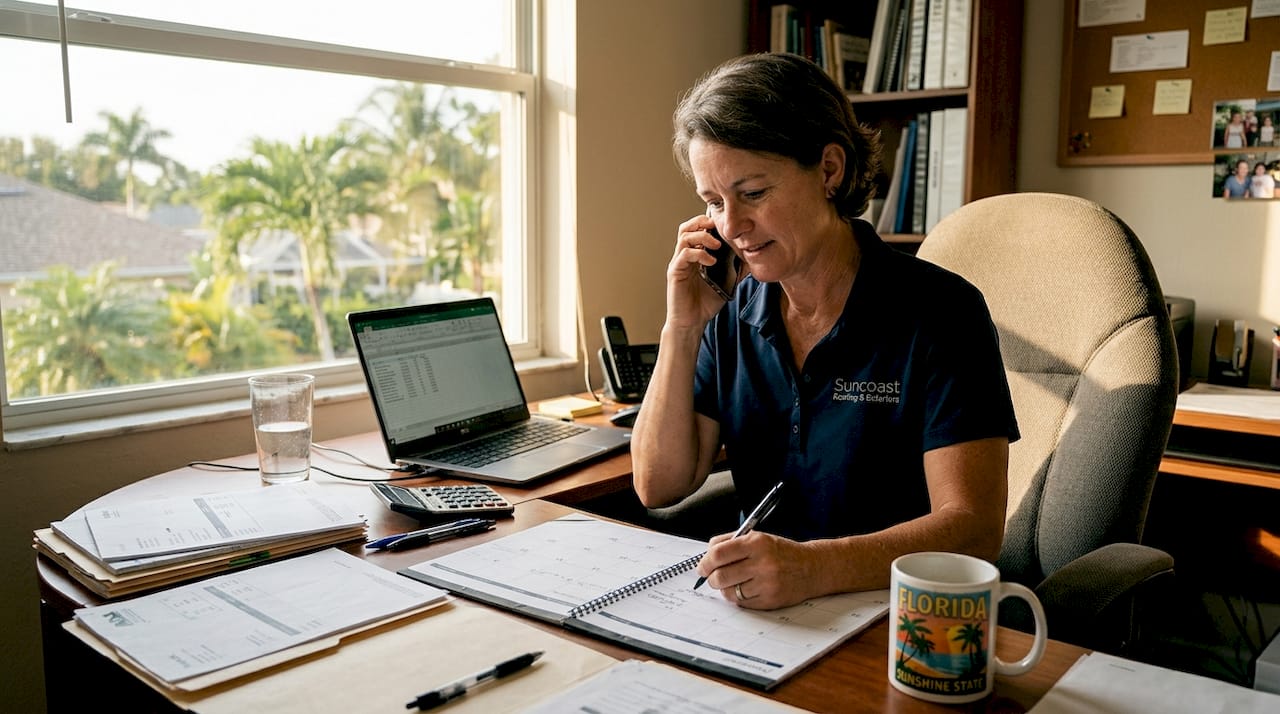
On the calendar side, block off at least two to three consecutive days as your primary window, plus one or two backup days for weather delays. Don’t schedule anything that requires you to be away from home during active work hours. Being reachable matters more than most homeowners realize.
Coordinating with your roofing contractor
Preparation done, your next focus is ensuring everyone involved is on the same page. Even a well-organized homeowner can run into problems if communication with the contractor breaks down.
Start by getting everything in writing. Your contract should include the exact start date, the projected completion date, a full material list with brand names and quantities, and a clear payment schedule. Verbal agreements are not enough.
Here are the key questions to ask your contractor before work begins:
- Who is your project manager on site? You need one point of contact, not a rotating cast of crew members.
- When will materials be delivered? Confirm this is before the install date, not the morning of.
- What triggers a rescheduling? Know the weather threshold that causes a work stoppage.
- How will you communicate daily progress? Text, phone call, or on-site check-in?
- What is the process for change orders? Any scope changes should be documented and priced before work continues.
“Before work begins, ask your contractor directly: ‘What does your workmanship warranty cover, and how do I file a claim if something goes wrong after installation?’”
As clear contractor communication on project scope and start dates shows, miscommunication costs homeowners time and money that could easily be avoided. Review our roof contractor communication tips for a full breakdown of what to confirm before day one.
If a supply chain delay or unexpected weather pushes your start date, ask for a revised written schedule immediately. Don’t let a vague “we’ll reschedule soon” sit without a confirmed new date.
Why fast action (not perfection) wins roof scheduling in Florida
Here’s something most scheduling guides won’t tell you: the perfect installation date doesn’t exist in Central Florida. Florida’s weather is genuinely unpredictable, and contractor availability shifts fast. Homeowners who spend weeks hunting for the ideal window often end up with a longer wait or a worse outcome than those who move decisively on a “good enough” date.
We’ve seen this pattern repeatedly. A homeowner waits for the ideal fall window, the next storm season hits early, and suddenly every contractor in Brevard County is booked solid for emergency repairs. That homeowner is now waiting three months instead of three weeks.
The smarter move is to lock in a reputable contractor before you’re desperate. Secure your spot, confirm your materials, and accept that a rain delay of a day or two is normal. The storm repair workflow for emergency situations shows just how quickly availability evaporates after a major weather event.
Savvy homeowners in Central Florida treat roof scheduling like booking a popular restaurant. You don’t wait until you’re starving to call. You reserve your spot early, stay flexible on the exact timing, and trust the process.
Schedule your installation with Central Florida’s roofing experts
If you’re ready to act on this advice, here’s how Thomas Roofing and Repair can make scheduling smooth and stress-free.

At Thomas Roofing and Repair, we handle every phase of the installation process with clear communication, written timelines, and crews who show up when they say they will. Whether you’re in Horizon West or Titusville, our teams are familiar with local permitting requirements and weather patterns that affect your schedule. Homeowners in Horizon West and Titusville trust us to deliver quality installs without the guesswork. Contact us today for a free estimate and let’s get your project on the calendar before the next storm season arrives.
Frequently asked questions
How far in advance should I book a roof installation in Central Florida?
Book at least 4 to 6 weeks ahead of your target date. Contractor schedules fill quickly before storm seasons and after major weather events, so earlier is always better.
What if weather delays my roof installation?
Weather delays are common and handled by rescheduling for safety. Plan for flexible backup dates and confirm the rescheduling policy with your contractor upfront, since rain and storms are a leading cause of roofing delays in Central Florida.
Do I need to be home during roof installation?
Being home is not required, but it’s strongly recommended. Homeowner presence speeds up decision-making when questions or unexpected issues come up during the project.
How do I prepare my property for roofing work?
Clear your driveway, protect attic valuables, and notify neighbors a few days before work begins. Proper preparation minimizes accidental damage and keeps the crew working without interruption.
Can I schedule roof installation immediately after a storm?
Yes, but act fast. Emergency demand for contractors spikes sharply after storms, so the sooner you call, the better your chances of securing a timely appointment.